


Primary sourceSculpture
Younger Memnon
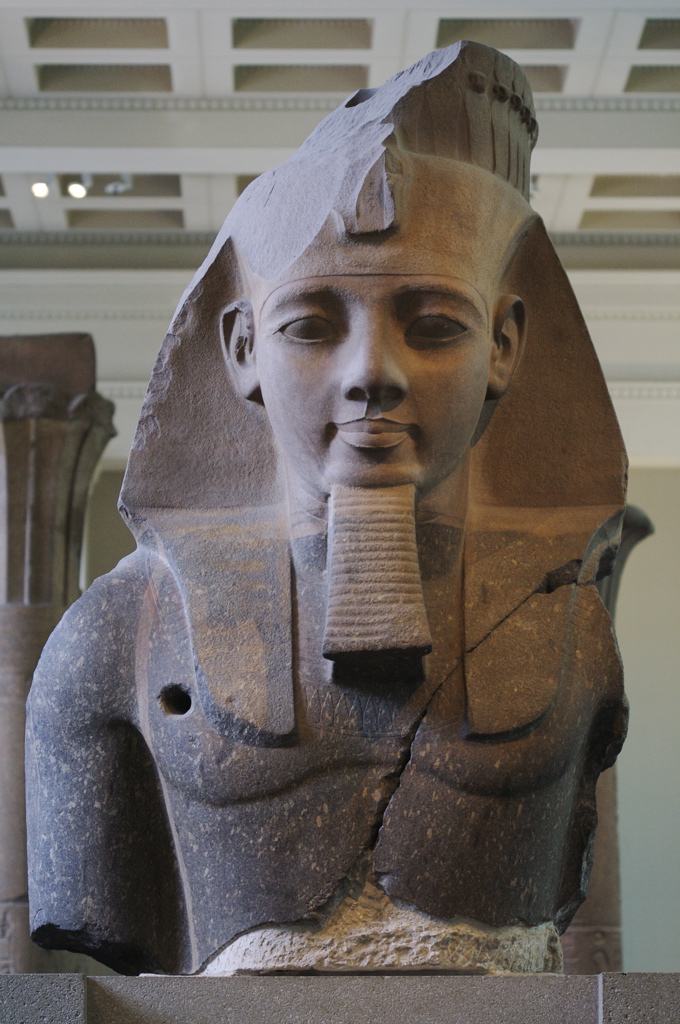
A colossal granite head and torso of Ramesses II from his mortuary temple, now in the British Museum, which inspired Shelley's 'Ozymandias'.
This colossal head depicts Ramesses II and became the best-known image of him after reaching London in 1818.
About this source
What it is
This is one of two giant granite statues that once stood at the Ramesseum, Ramesses II's mortuary temple at Thebes. It shows the pharaoh wearing the nemes headdress with a cobra diadem. The head and torso were removed from Egypt in the early 19th century by Giovanni Belzoni, working for British consul Henry Salt, and reached London in 1818. It is now in the British Museum.
Why it matters
Its arrival in Britain was a sensation and helped spark European interest in Egyptian art as fine art, not just curiosities. It also inspired a famous poetry contest between Percy Bysshe Shelley and Horace Smith, both writing poems called 'Ozymandias' about the statue's fallen grandeur.
Look closer
- What does the calm expression on the statue suggest about how Ramesses wanted to be remembered?
- Why do you think removing this statue caused such excitement in Britain?
- What is lost when a statue like this is taken far from its original site?
This sculpture is part of the curated material that grounds the AI version of Ramses II (Ramses the Great) on Humy.ai — when students ask about related events, the AI can quote it and cite it.
More Ramses II (Ramses the Great) sources
Meet the AI Ramses II (Ramses the Great) →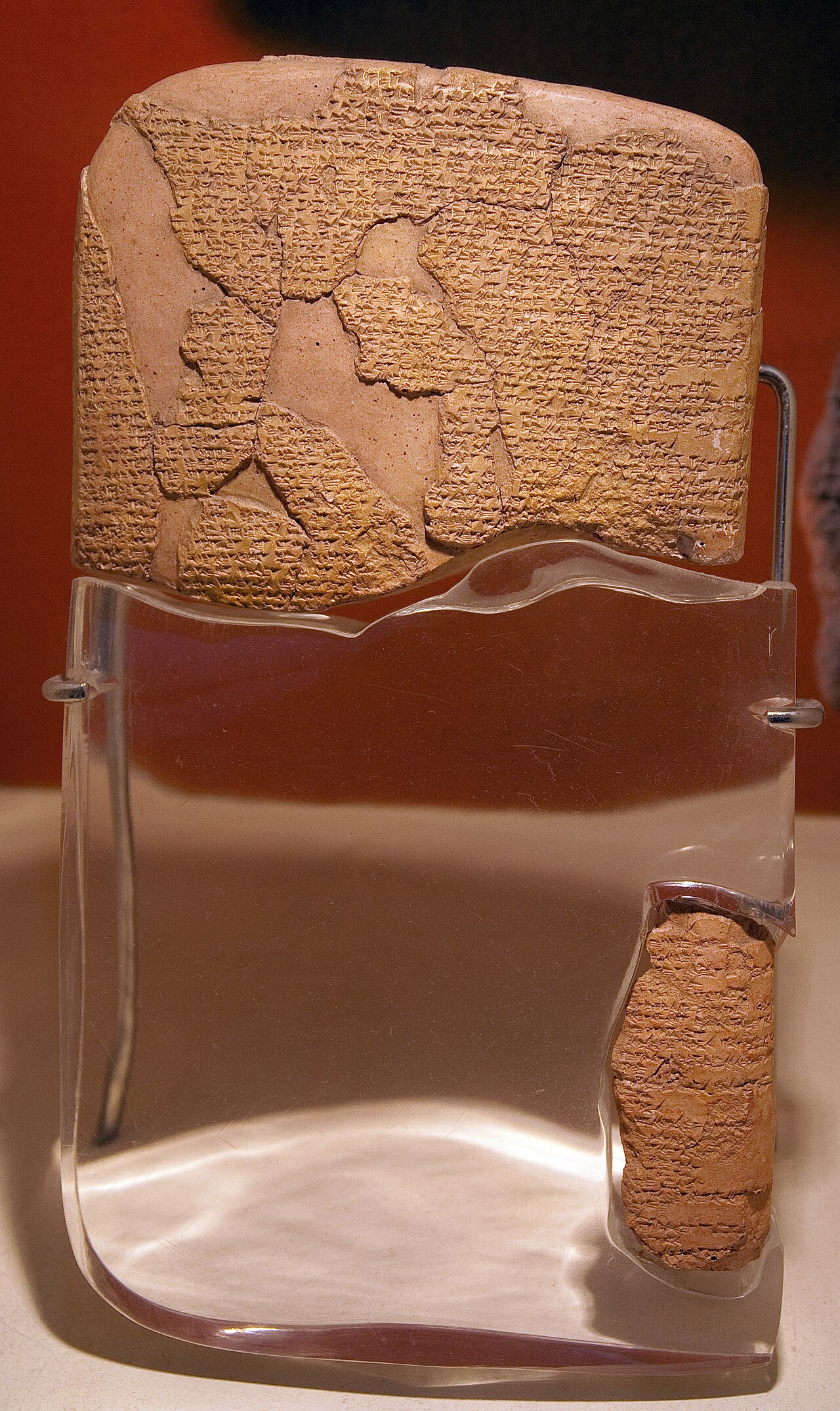 Document
Primary source
Egyptian–Hittite Peace Treaty
c. 1258 BCE
 Photograph
Secondary source
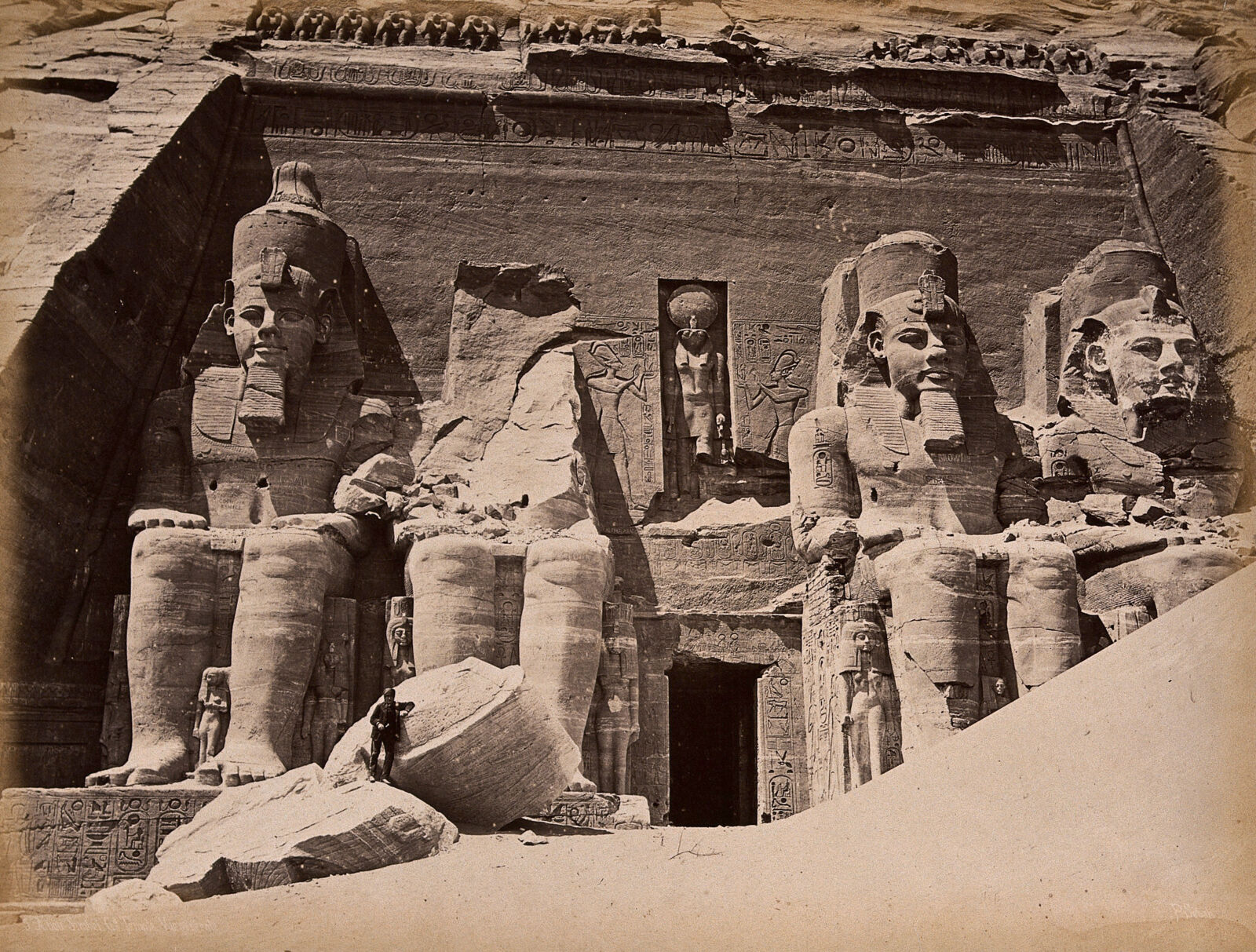
Abu Simbel Temple Colossi
Pascal Sébah · 1875
 Artifact
Primary source
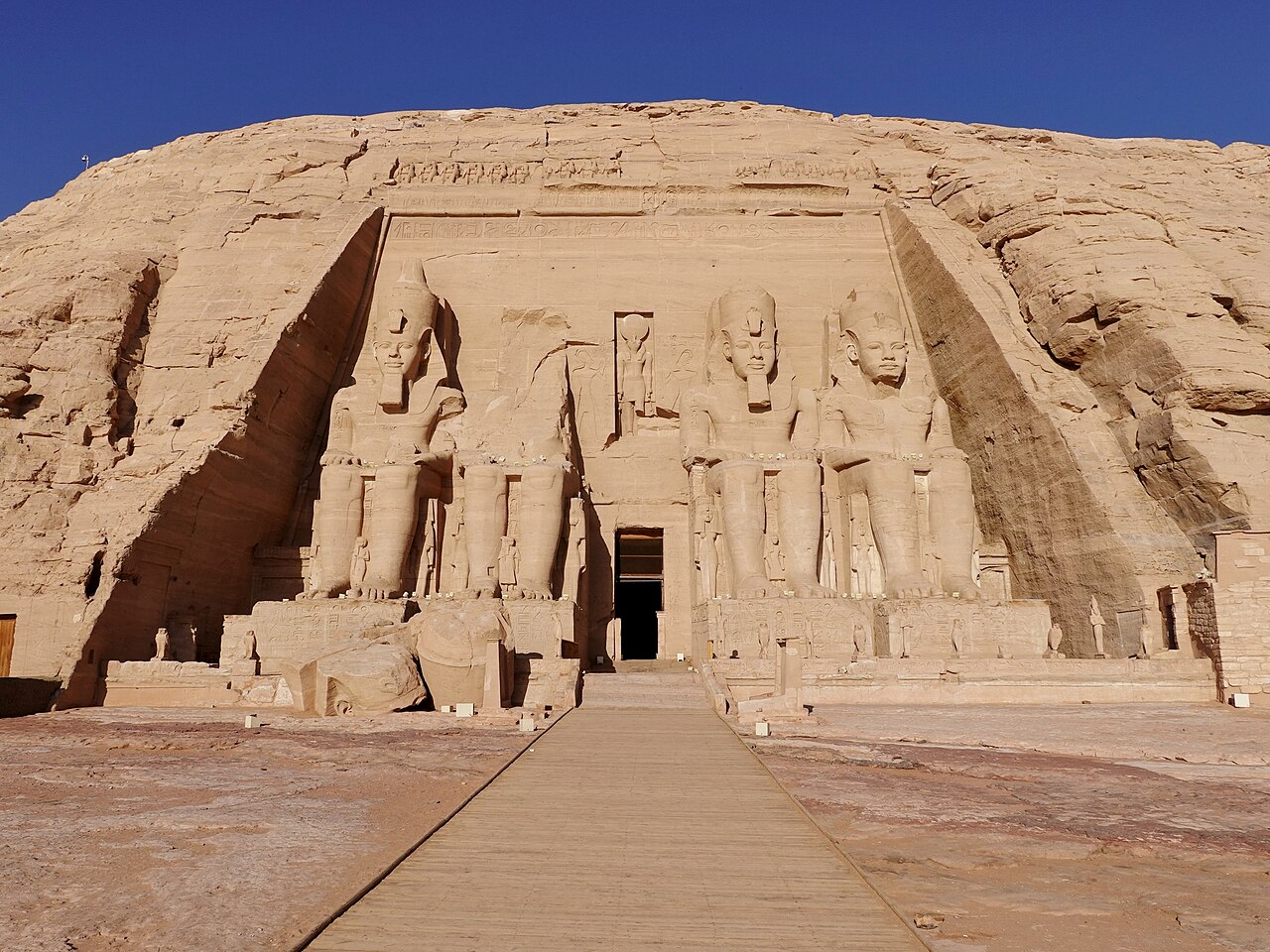
Abu Simbel
Ramesses II · c. 1273 BCE
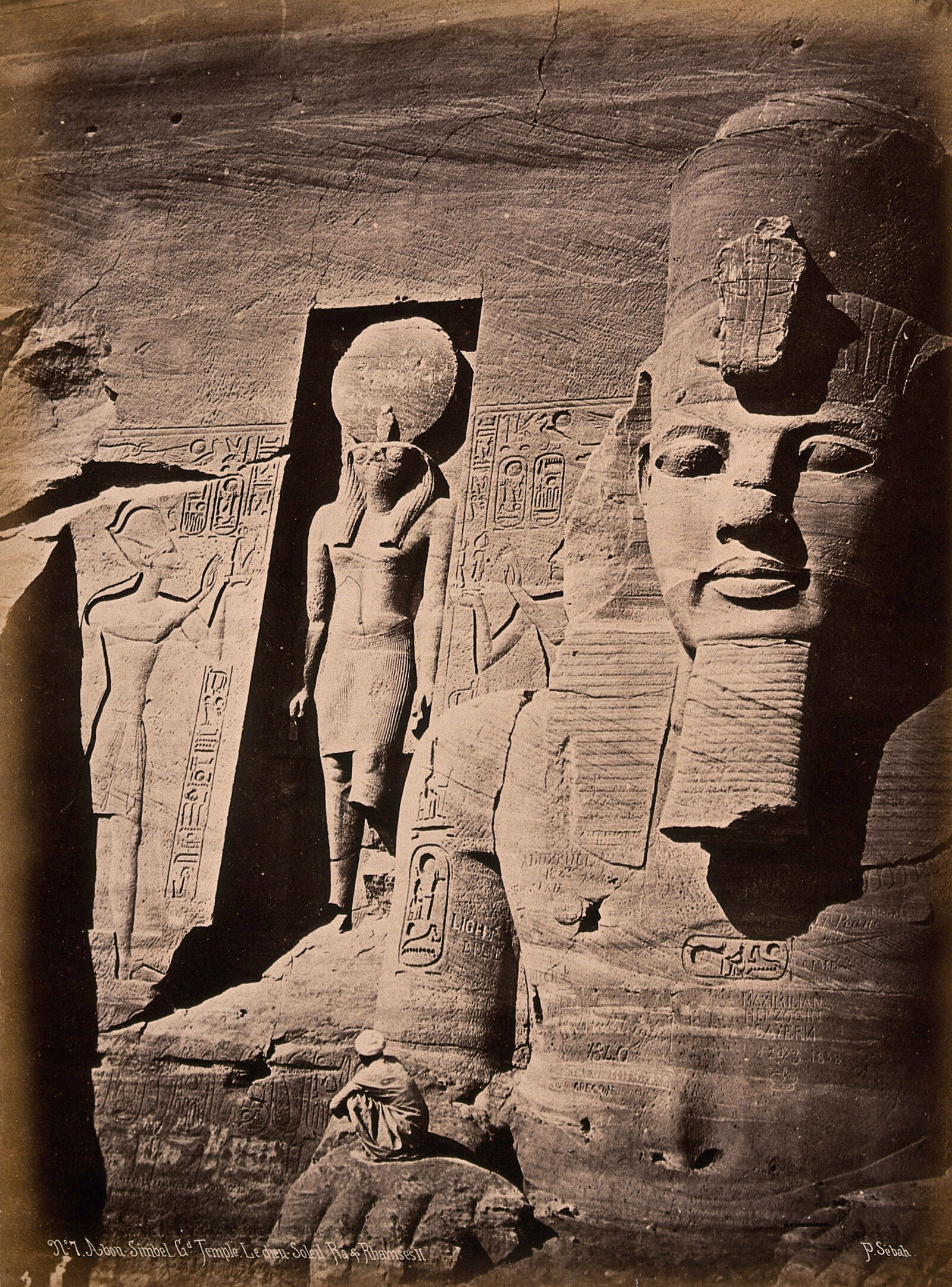 Photograph
Secondary source
Facade Detail of Abu Simbel Showing Ramesses II and Ra
Pascal Sébah · 1875
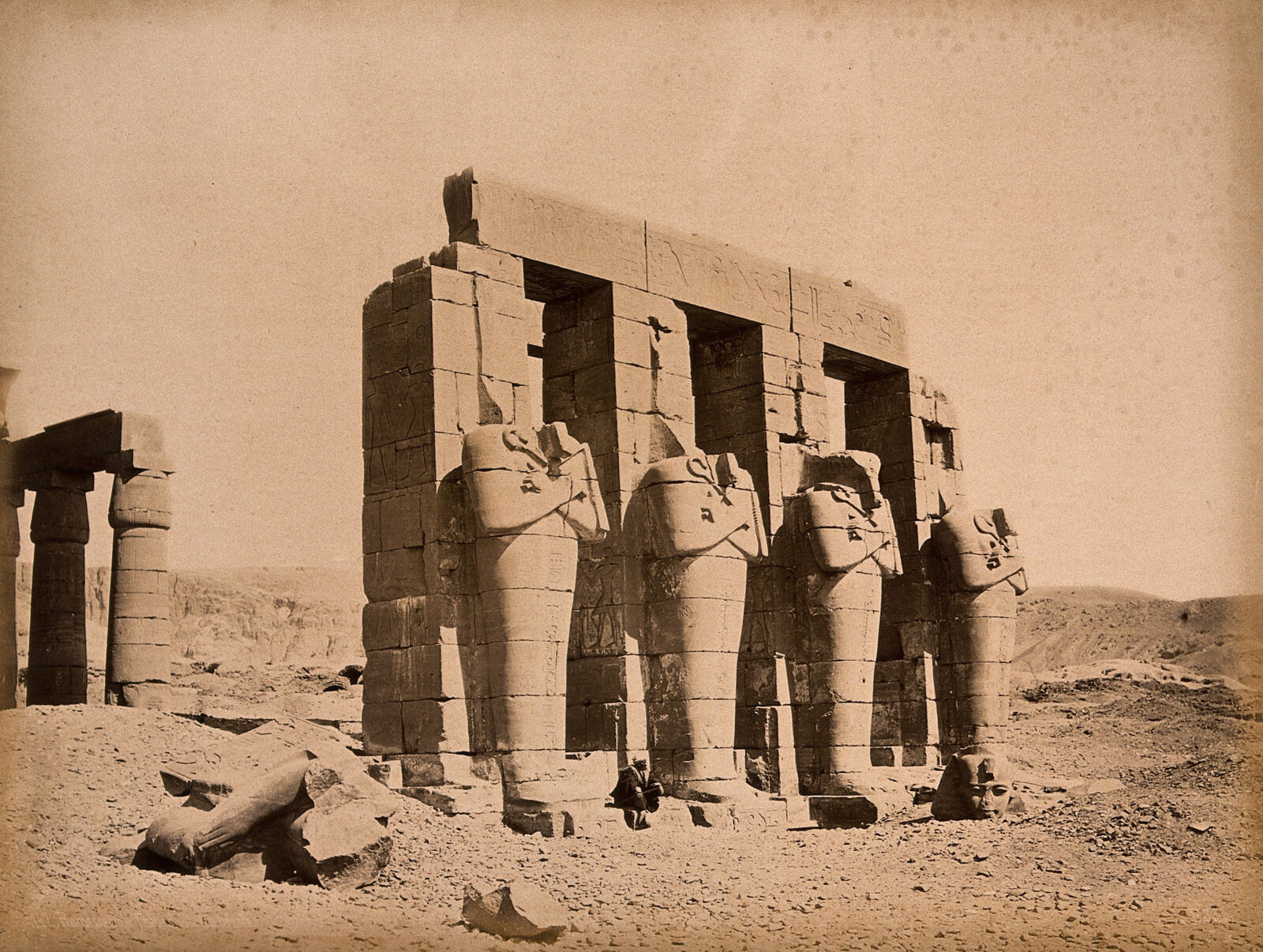 Photograph
Secondary source
Ramesseum Colossi in Ruins
Pascal Sébah · c. 1875
Ready when you are
Start chatting with Ramses II (Ramses the Great) now.
20 messages free · No credit card · Available in 50+ languages.