


Secondary sourceArtifact1690
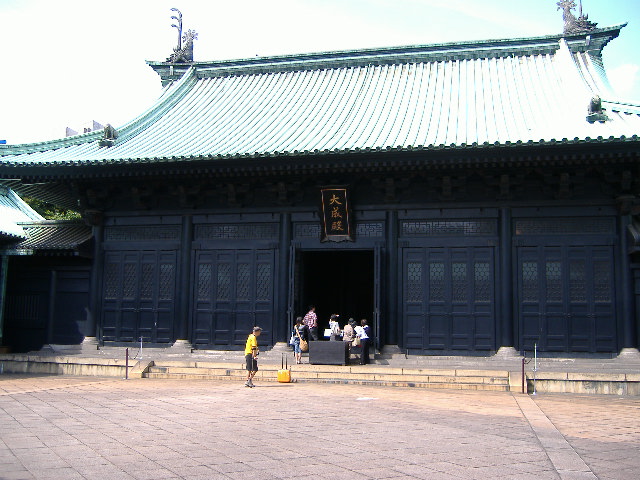
Yushima Seidō
1690
A Confucian temple and shogunal academy in Edo, Japan, showing Confucius's role in official state learning under the Tokugawa shoguns.
This Japanese Confucian academy shows how Confucius's teachings became the official basis of shogunal government education.
About this source
What it is
Yushima Seidō is a Confucian temple in Tokyo, established in the late 17th century during the Edo period. Its grounds later held the Shōheikō, one of the most important schools of the Tokugawa shogunate, named after the area believed to be Confucius's birthplace.
Why it matters
The temple and academy show how Confucian ideas, especially the neo-Confucianism of Zhu Xi as taught by the Hayashi clan, became the official philosophy and basis of government training in Japan. It reveals Confucius's influence far beyond China, shaping education for samurai families for generations.
Look closer
- Why might a government choose a philosopher's teachings as the basis for training its officials?
- What does the destruction and rebuilding of this site over time tell us about its importance?
- What does the move from an academy to Japan's first teachers college and museum suggest about changing ideas of learning?
This artifact is part of the curated material that grounds the AI version of Confucius on Humy.ai — when students ask about related events, the AI can quote it and cite it.
More Confucius sources
Meet the AI Confucius →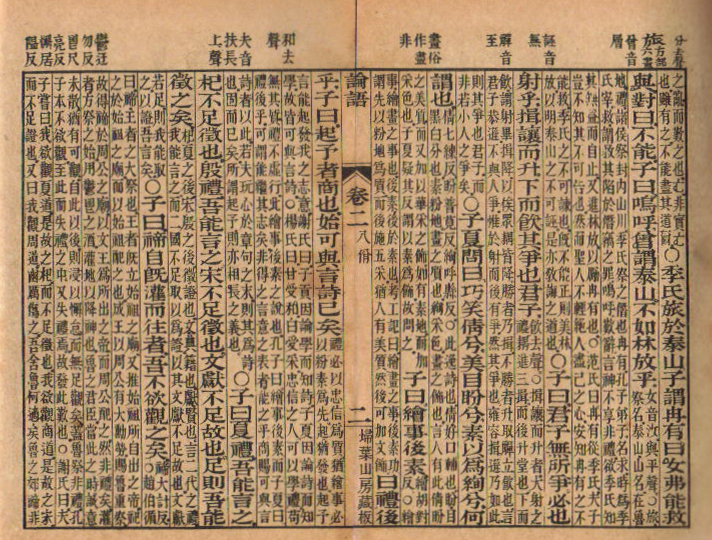 Book
Secondary source
Analects
c. 480 BCE – 2nd century BCE
 Book
Secondary source
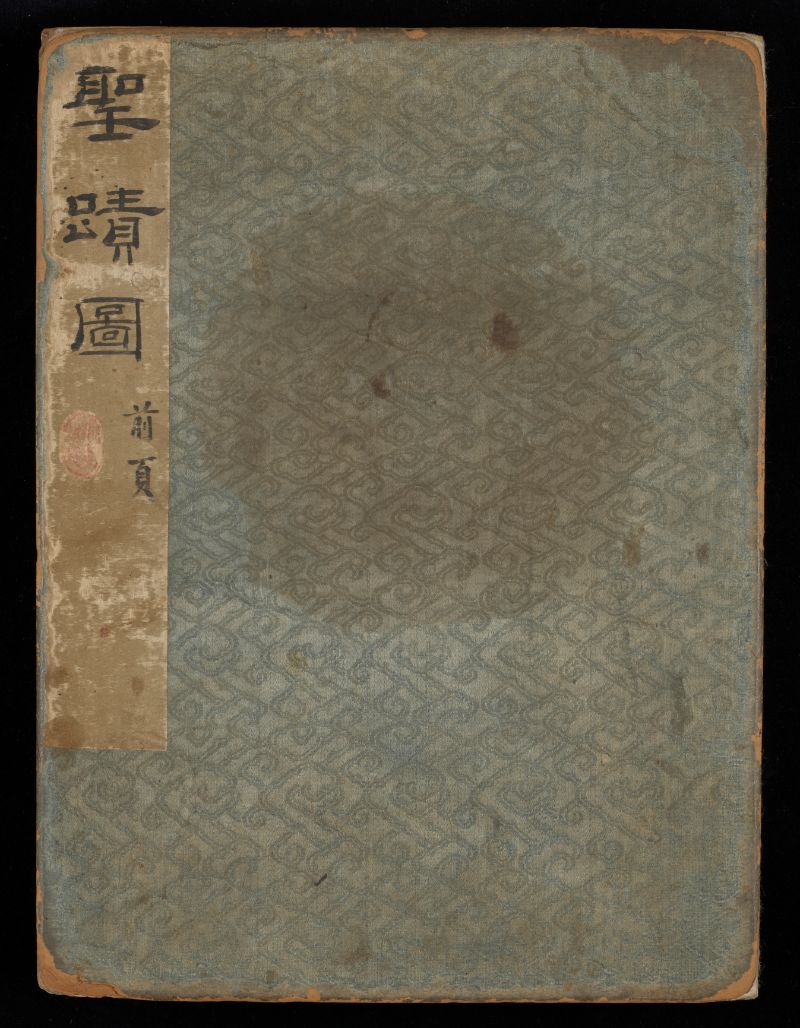
Pictures of the Sage's Traces
Unknown · 1758
Secondary source
Records of the Grand Historian, Vol. 47: Hereditary House of Confucius
Sima Qian · c. 94 BCE
 Photograph
Primary source
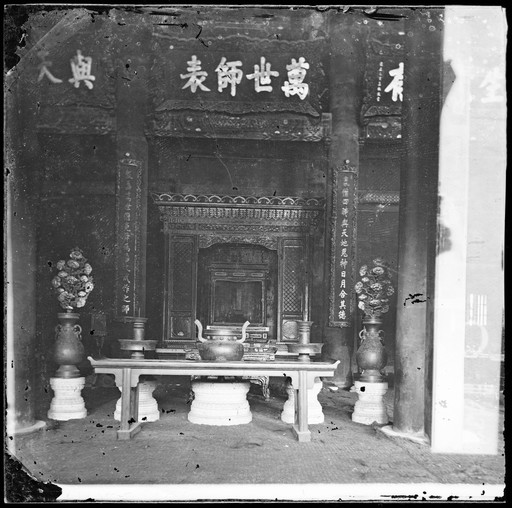
Temple of Confucius, Peking (Interior)
John Thomson · 1871
 Document
Secondary source
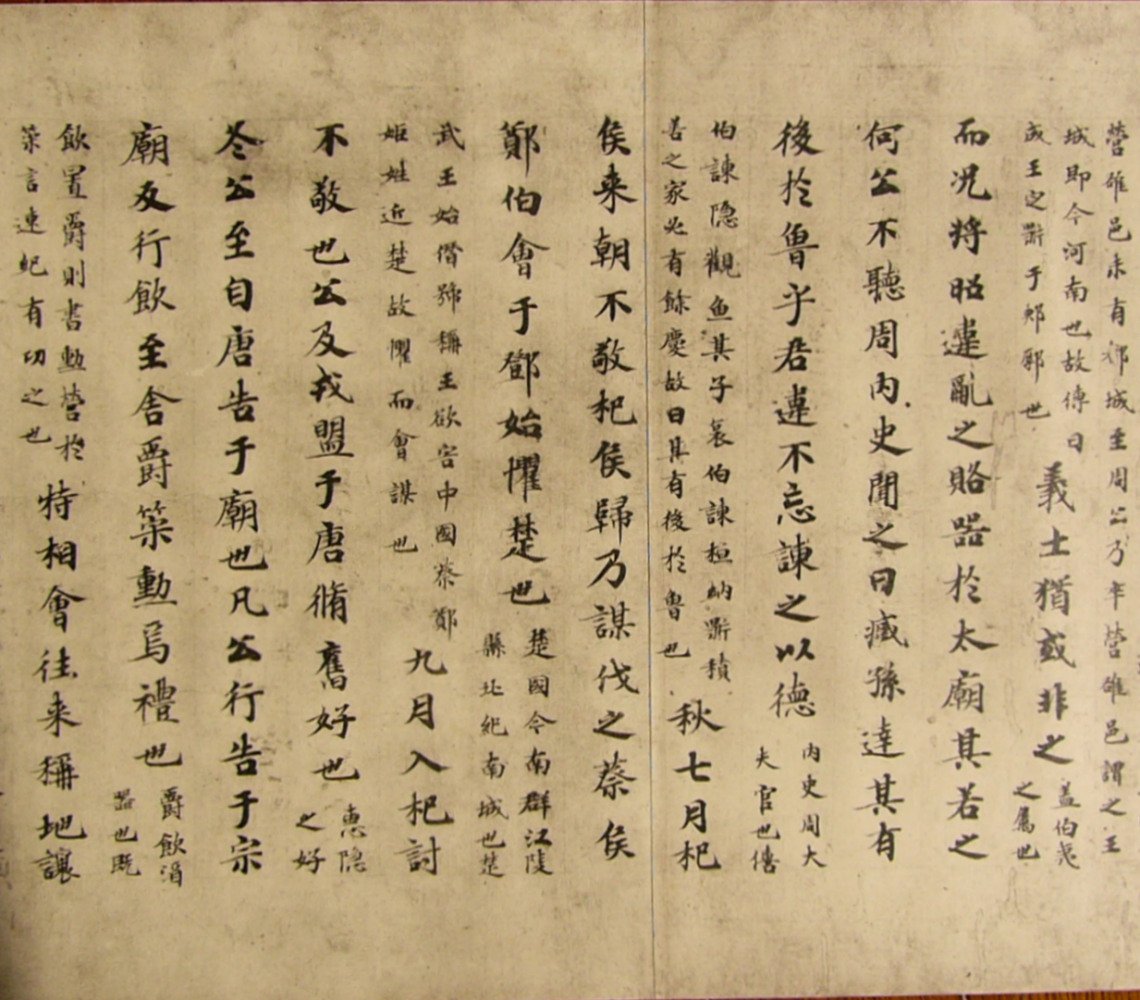
Spring and Autumn Annals
Confucius · 5th century BCE
Ready when you are
Start chatting with Confucius now.
20 messages free · No credit card · Available in 50+ languages.