


Secondary sourceArtifact12th century (well); 1882 (engraving)
Yusuf's Well
Georg Moritz Ebers · 12th century (well); 1882 (engraving)
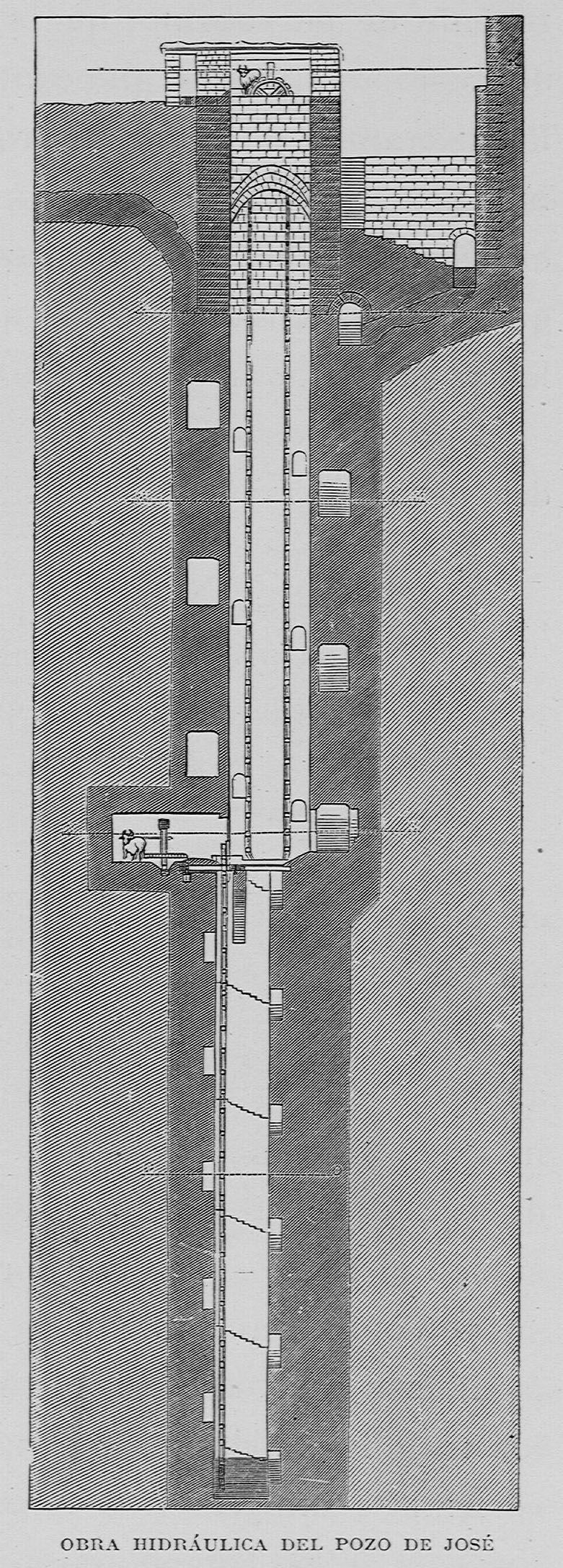
A deep well cut into the rock of the Cairo Citadel, named after Saladin (Yusuf), built to supply water to his fortress.
This well, cut on Saladin's orders, supplied water to the Cairo Citadel he built as his fortress.
About this source
What it is
Yusuf's Well is a deep well cut into the rock beneath the Cairo Citadel, named after Saladin, whose given name was Yusuf. The image shown here is a later engraved cross-section drawing of its hydraulic works, published in a 19th-century book on Egypt, showing the shaft, spiral stairs, and animal-powered wheel mechanism used to raise water.
Why it matters
The well was part of the fortress Saladin built to defend and supply Cairo. Its engineering, requiring a deep shaft and a system for lifting water, shows the practical problems rulers had to solve to keep a fortress habitable under siege, and the resources Saladin commanded to build it.
Look closer
- Why would a fortress need its own independent water supply?
- What does the complexity of the well's mechanism suggest about the engineering skills available to Saladin?
- This drawing was made centuries after the well itself — what might it get right or wrong?
This artifact is part of the curated material that grounds the AI version of Saladin on Humy.ai — when students ask about related events, the AI can quote it and cite it.
More Saladin sources
Meet the AI Saladin →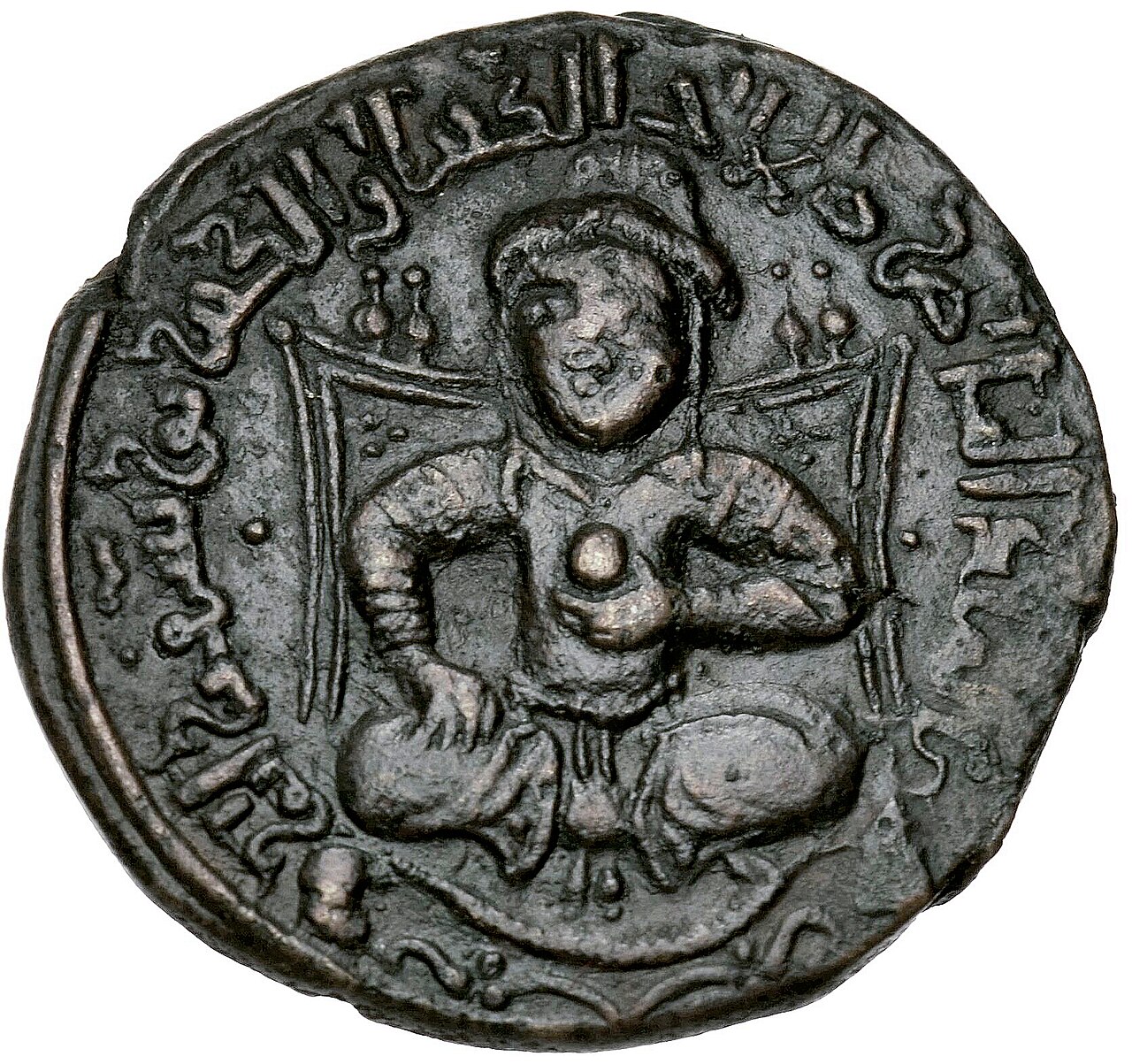 Artifact
Primary source
Dirham of Saladin
AH 586 (AD 1190-91)
 Painting
Secondary source
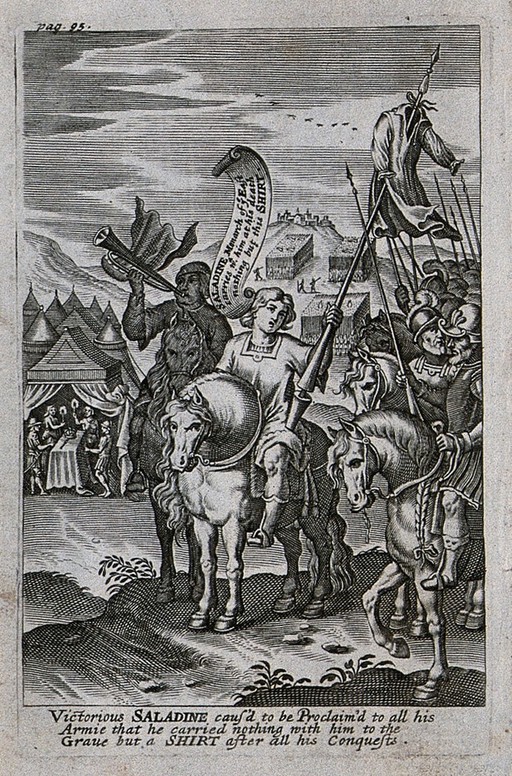
Saladin Proclaims He Will Take Only a Shirt to His Grave
John Payne · 1639
 Artifact
Primary source
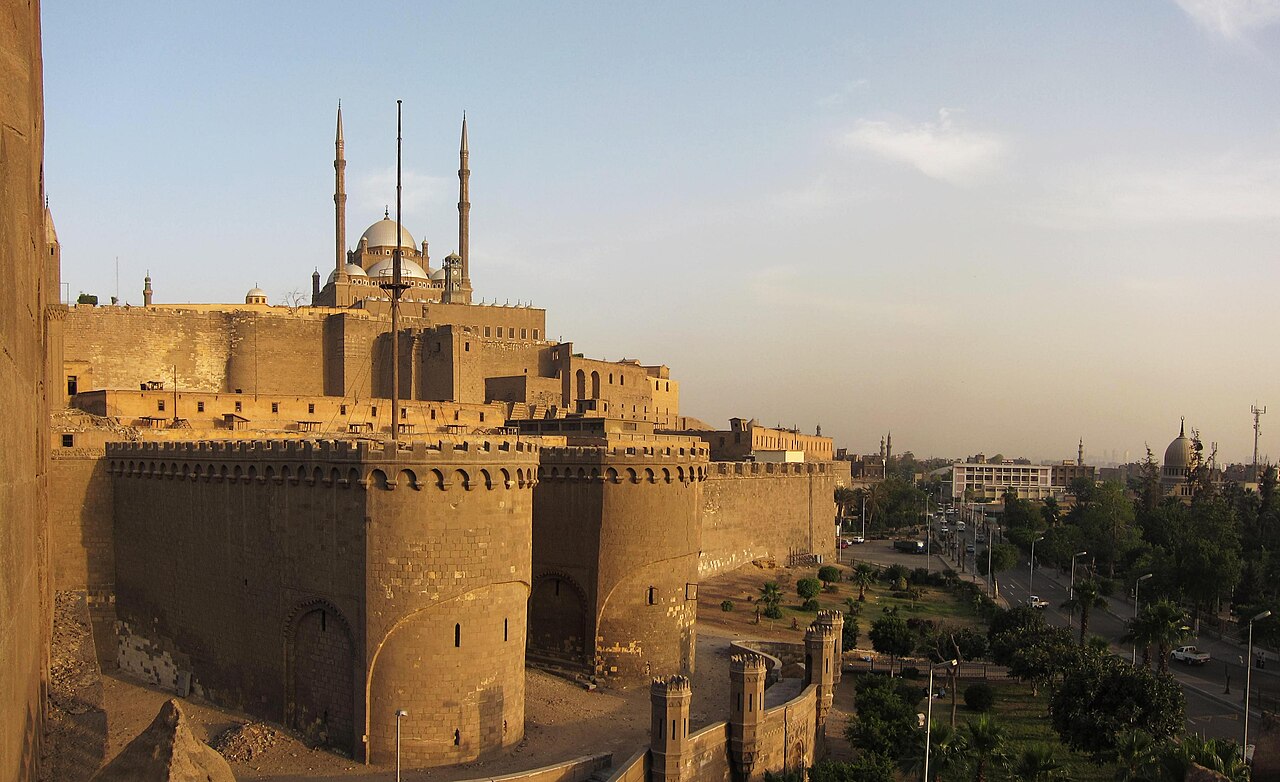
Cairo Citadel
Saladin · begun 1176
 Photograph
Secondary source
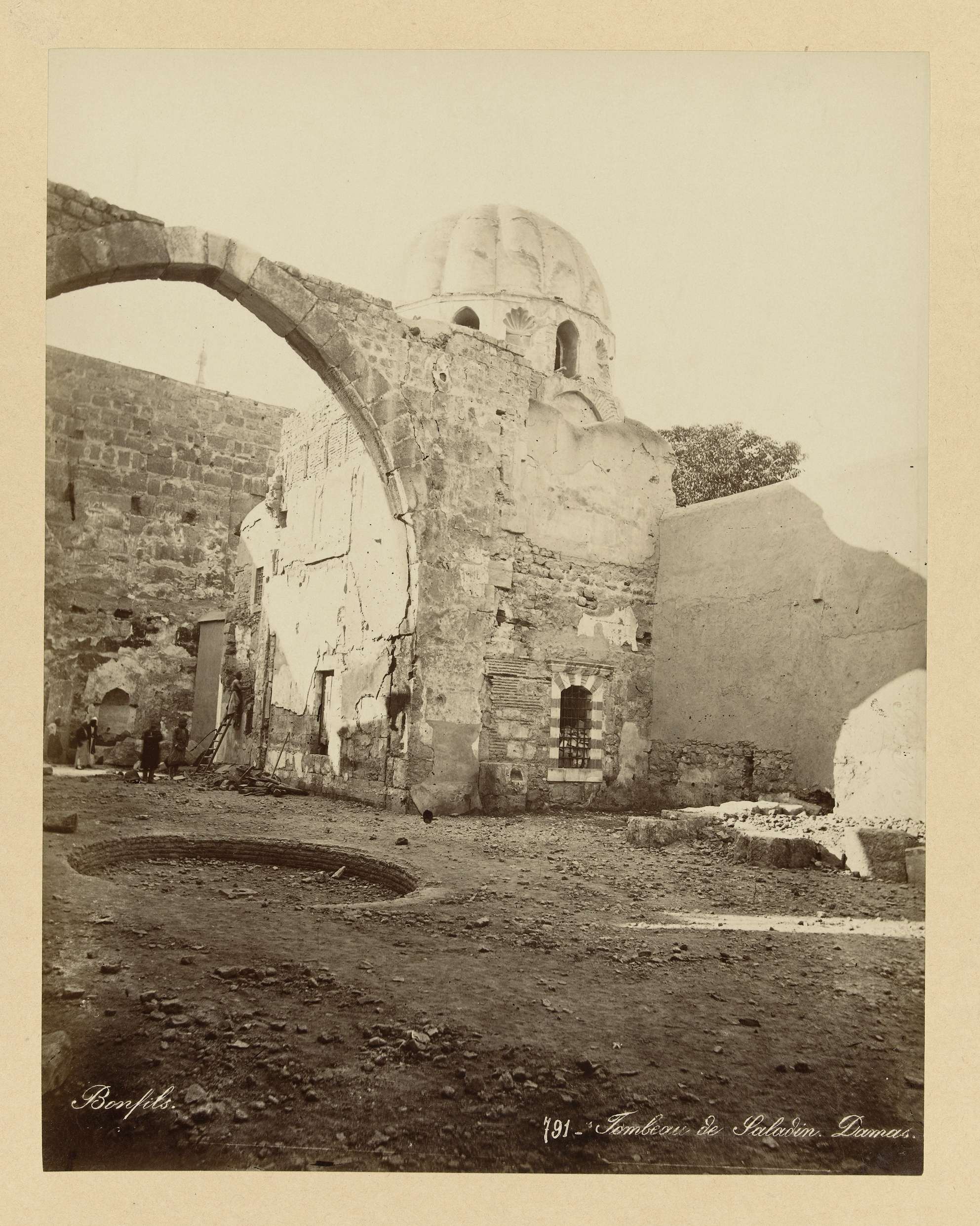
Tomb of Saladin, Damascus
 Painting
Secondary source
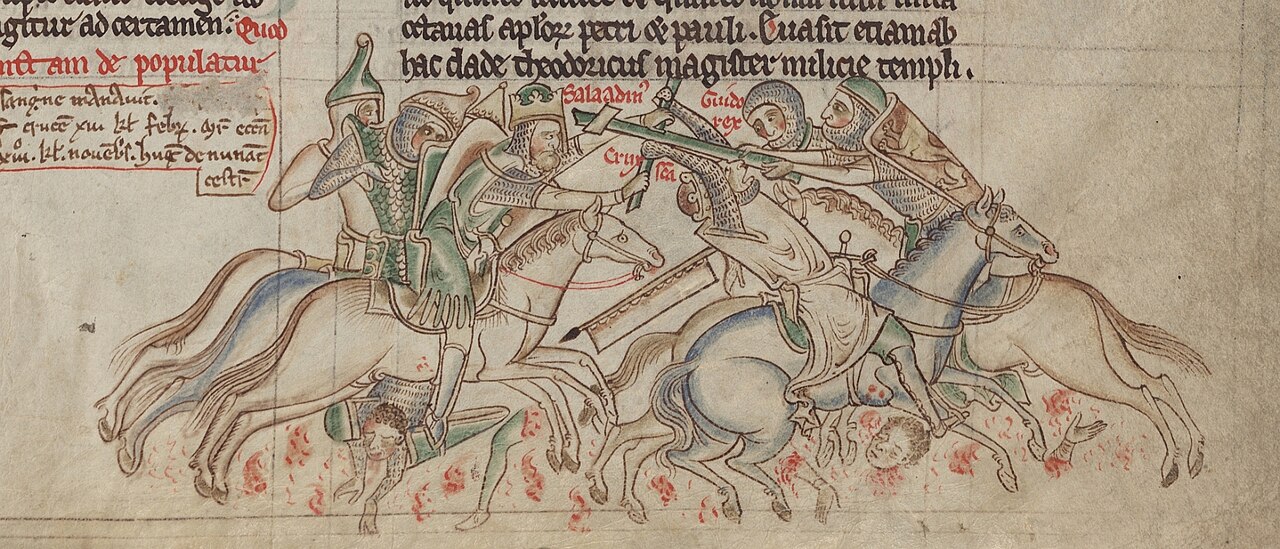
Saladin Seizing the True Cross from Guy of Lusignan
Matthew Paris
Ready when you are
Start chatting with Saladin now.
20 messages free · No credit card · Available in 50+ languages.