


Primary sourceDocumentlate 9th-early 10th century
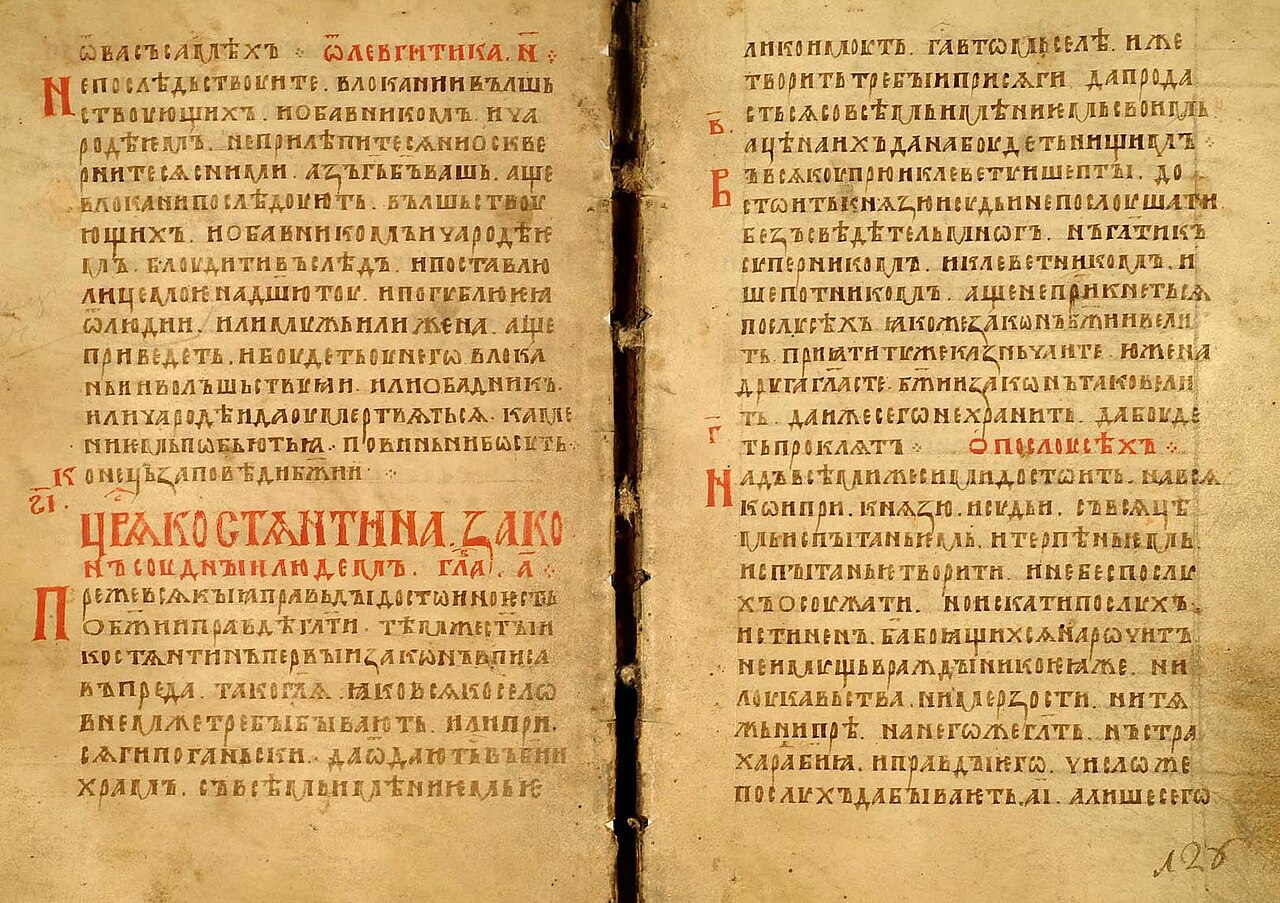
Zakon Sudnyi Liudem
Methodius of Thessaloniki (attributed) · late 9th-early 10th century
The oldest preserved Slavic legal text, sometimes attributed to Methodius, illustrating the 'Slavic civil code' the brothers are credited with creating.
This legal text, attributed to Cyril's brother Methodius, is tied to the brothers' legacy of Slavonic law.
About this source
What it is
The Zakon Sudnyi Liudem ('Law for Judging the People') is the oldest preserved Slavic legal text, written in Old Church Slavonic in the late 9th or early 10th century. It adapts Byzantine penal law. Scholars debate whether it was written in the First Bulgarian Empire, Great Moravia, or Lower Pannonia; all surviving copies come from Russia.
Why it matters
It is often linked to Constantine (Cyril) or his brother Methodius, and is treated as evidence for a Slavic legal code connected to their mission. It shows how the new Slavonic literary language was used not just for religious texts but for law as well, and how it later travelled into Russia, where it influenced Russian law.
Look closer
- Why might historians disagree about where this legal text was written?
- What does borrowing from Byzantine law tell us about the sources of early Slavic law?
- Why do all surviving copies come from Russia rather than the original region?
This document is part of the curated material that grounds the AI version of Saint Cyril the Philosopher on Humy.ai — when students ask about related events, the AI can quote it and cite it.
More Saint Cyril the Philosopher sources
Browse all 46 →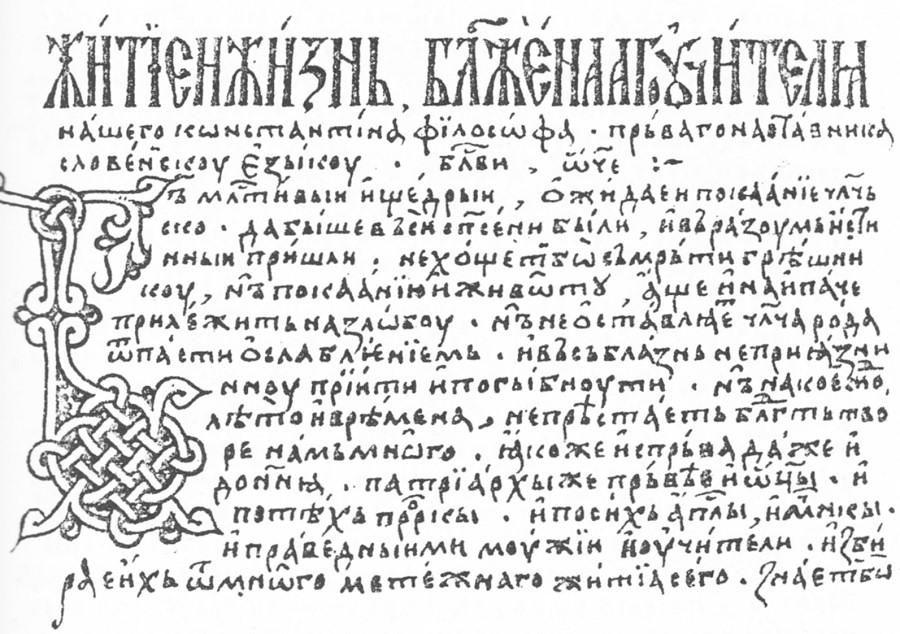 Book
Secondary source
The Life of Constantine
Clement of Ohrid · 888
 Book
Primary source
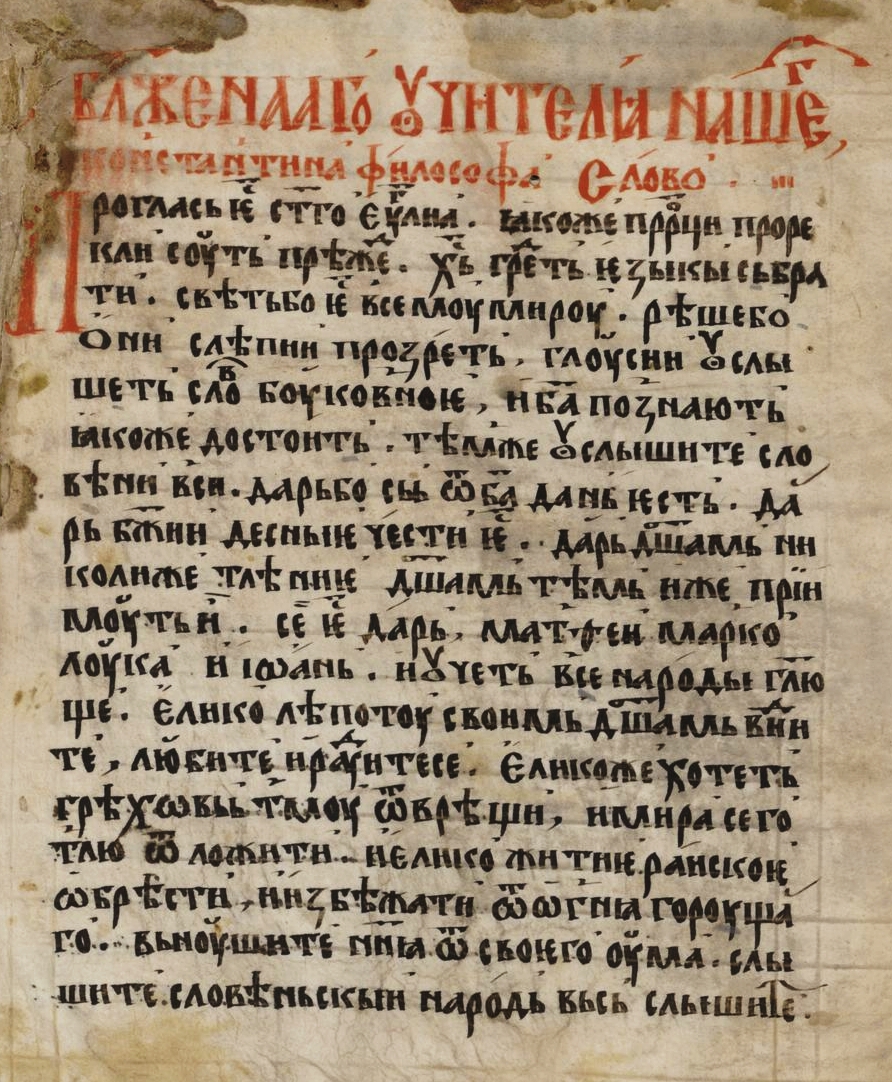
Proglas
Saint Cyril the Philosopher · 863–867
 Document
Secondary source
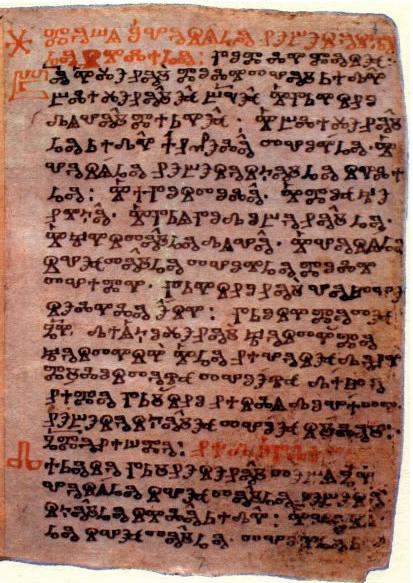
Kiev Missal
Saint Gorazd · c. 950-1000
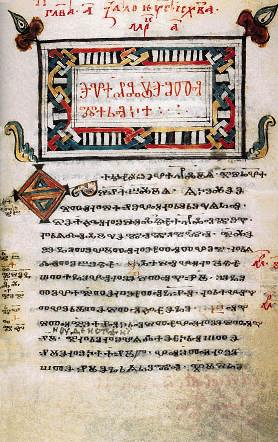 Book
Secondary source
Codex Zographensis
late 10th-early 11th century
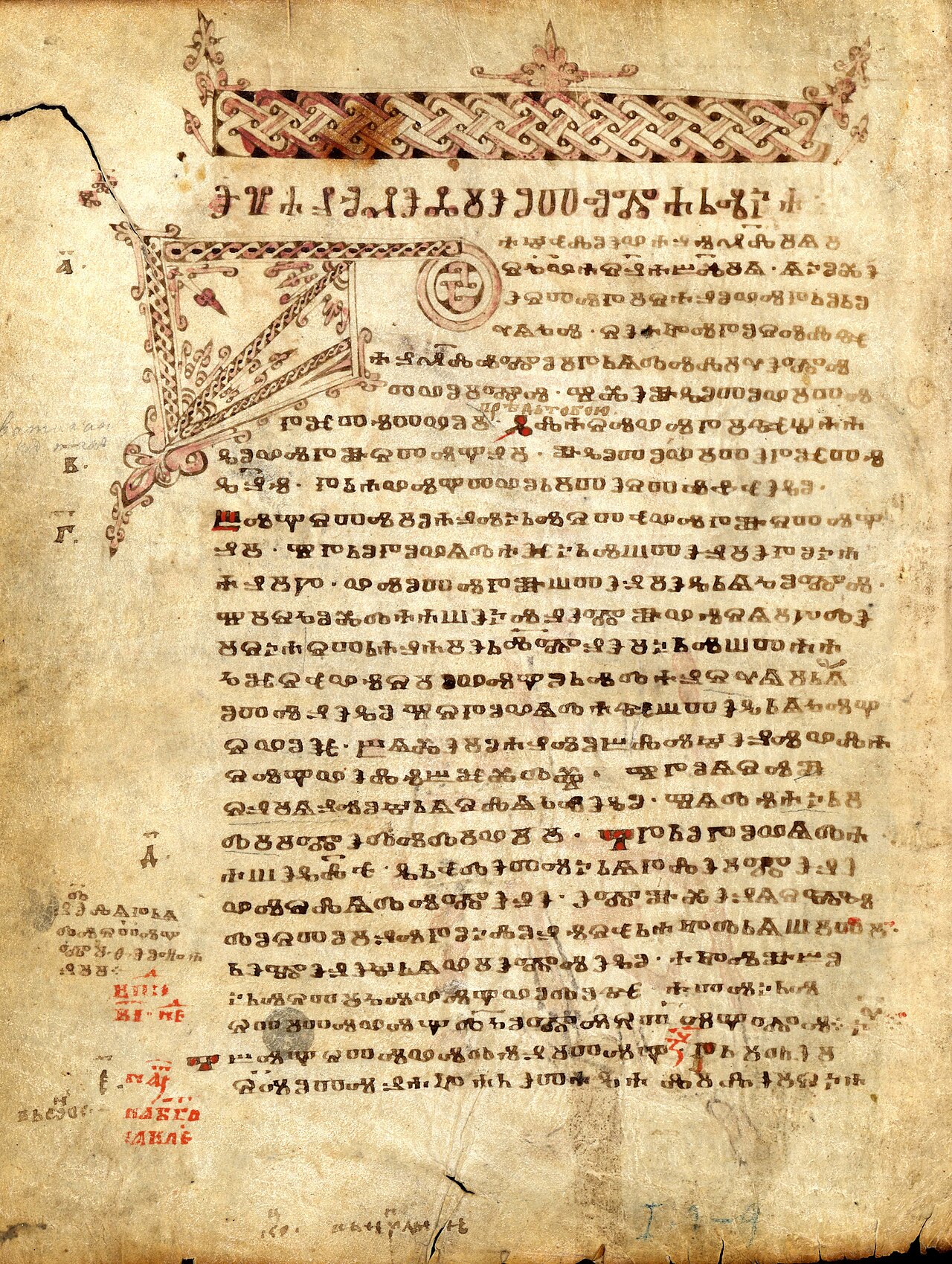
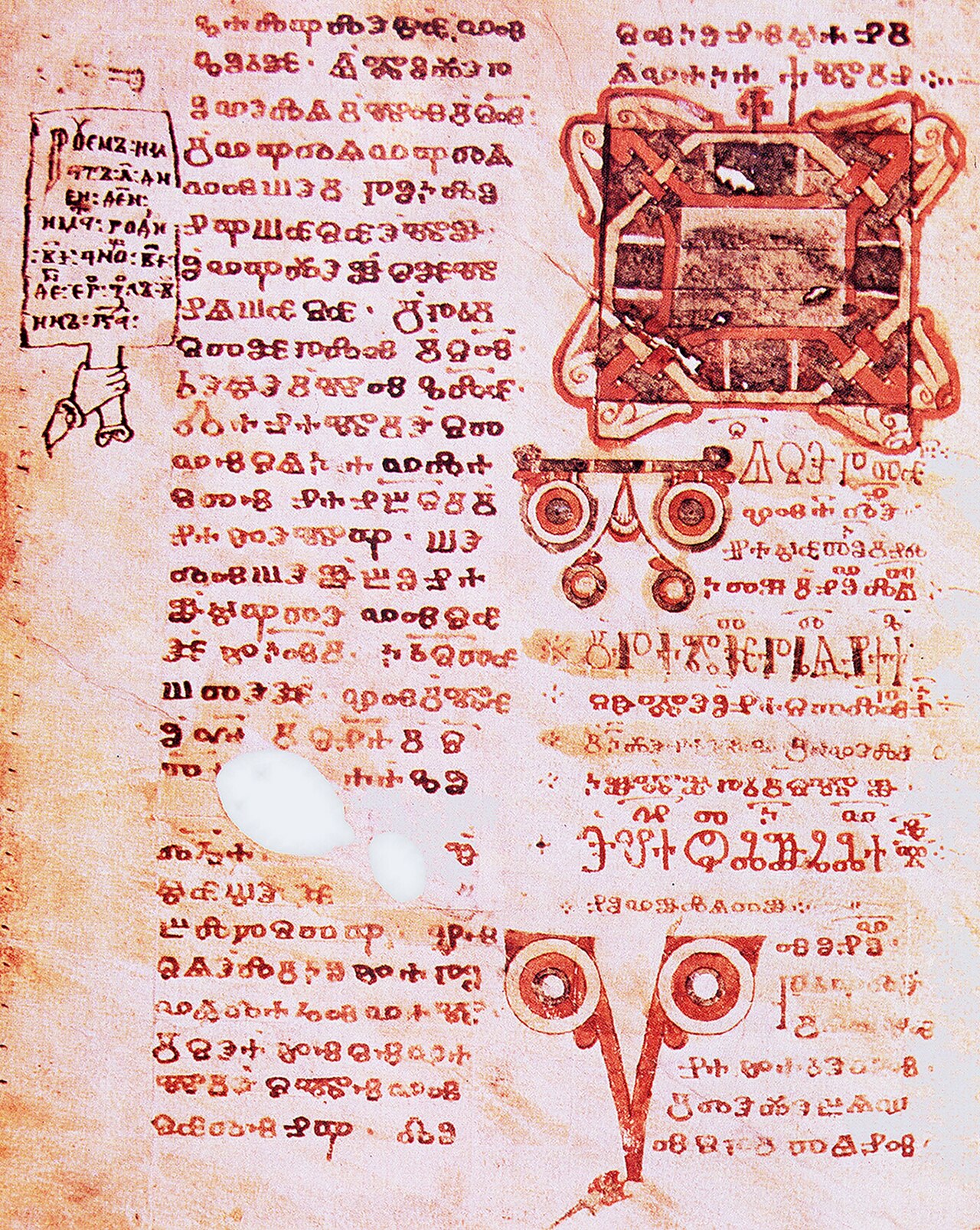
Free account
Browse every Saint Cyril the Philosopher source
Sign up free →
Ready when you are
Start chatting with Saint Cyril the Philosopher now.
20 messages free · No credit card · Available in 50+ languages.