


Primary sourceBook1690
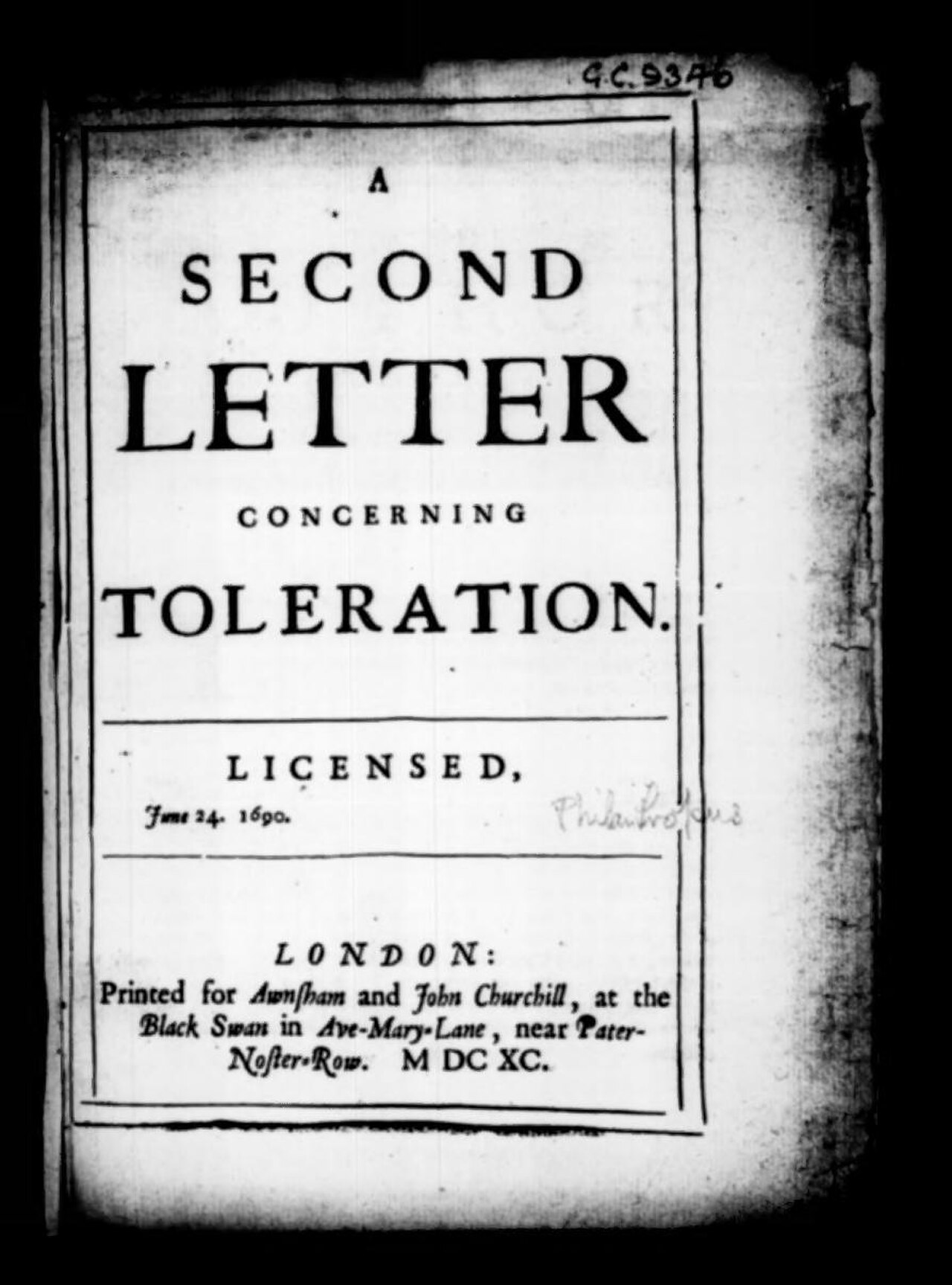
A Second Letter Concerning Toleration
John Locke · 1690
Locke's 1690 reply to Jonas Proast, defending and sharpening his argument that religious coercion cannot produce genuine belief.
Locke wrote this letter himself, sharpening his argument on religious toleration in reply to a critic.
About this source
What it is
This printed book is A Second Letter Concerning Toleration, written by John Locke in 1690 in response to critic Jonas Proast. Copies survive in the British Library and Bodleian Library.
Why it matters
In this letter, Locke shifted from the mostly secular argument of his first letter to a more explicitly Christian defence of toleration, arguing that forcing belief through coercion was useless and that toleration could instead help persuade people toward Christianity. The exchange with Proast shows Locke refining his ideas on religious freedom in direct debate with an opponent.
Why it matters
Look closer
- Why might Locke change his argument from his first letter to respond to a critic?
- What does it mean that toleration is defended here as useful for Christian conversion rather than as a right in itself?
- What questions does this raise about whose freedom of belief toleration was meant to protect?
This book is part of the curated material that grounds the AI version of John Locke on Humy.ai — when students ask about related events, the AI can quote it and cite it.
More John Locke sources
Meet the AI John Locke →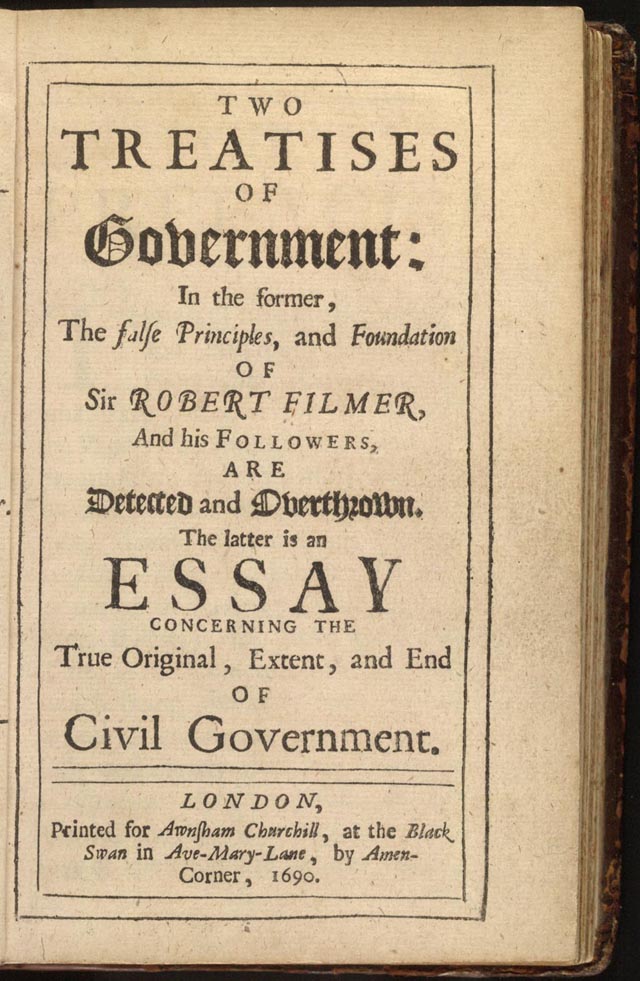 Book
Primary source
Two Treatises of Government
John Locke · 1689 (dated 1690)
 Book
Primary source
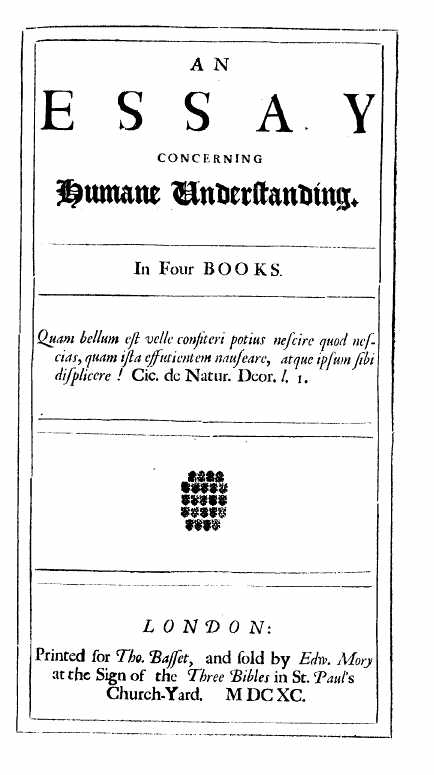
An Essay Concerning Human Understanding
John Locke · 1689 (dated 1690)
 Painting
Secondary source
John Locke, Mezzotint after Godfrey Kneller
Godfrey Kneller
 Letter
Primary source
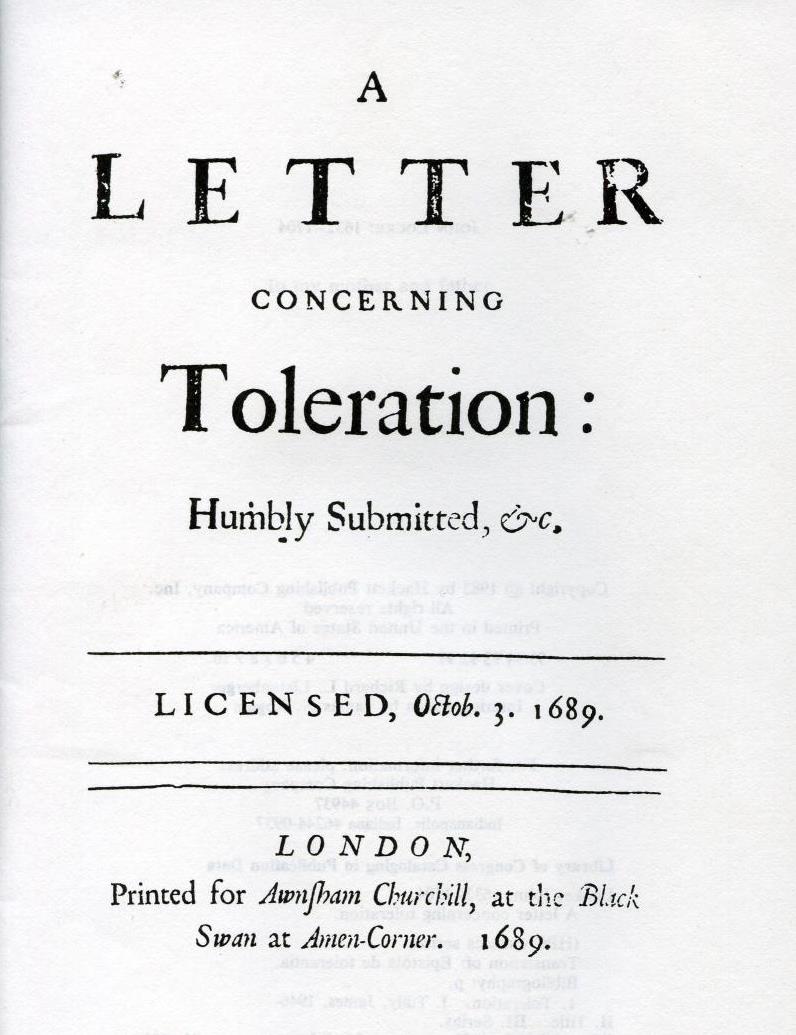
A Letter Concerning Toleration
John Locke · written 1685-1686, published 1689
 Painting
Secondary source
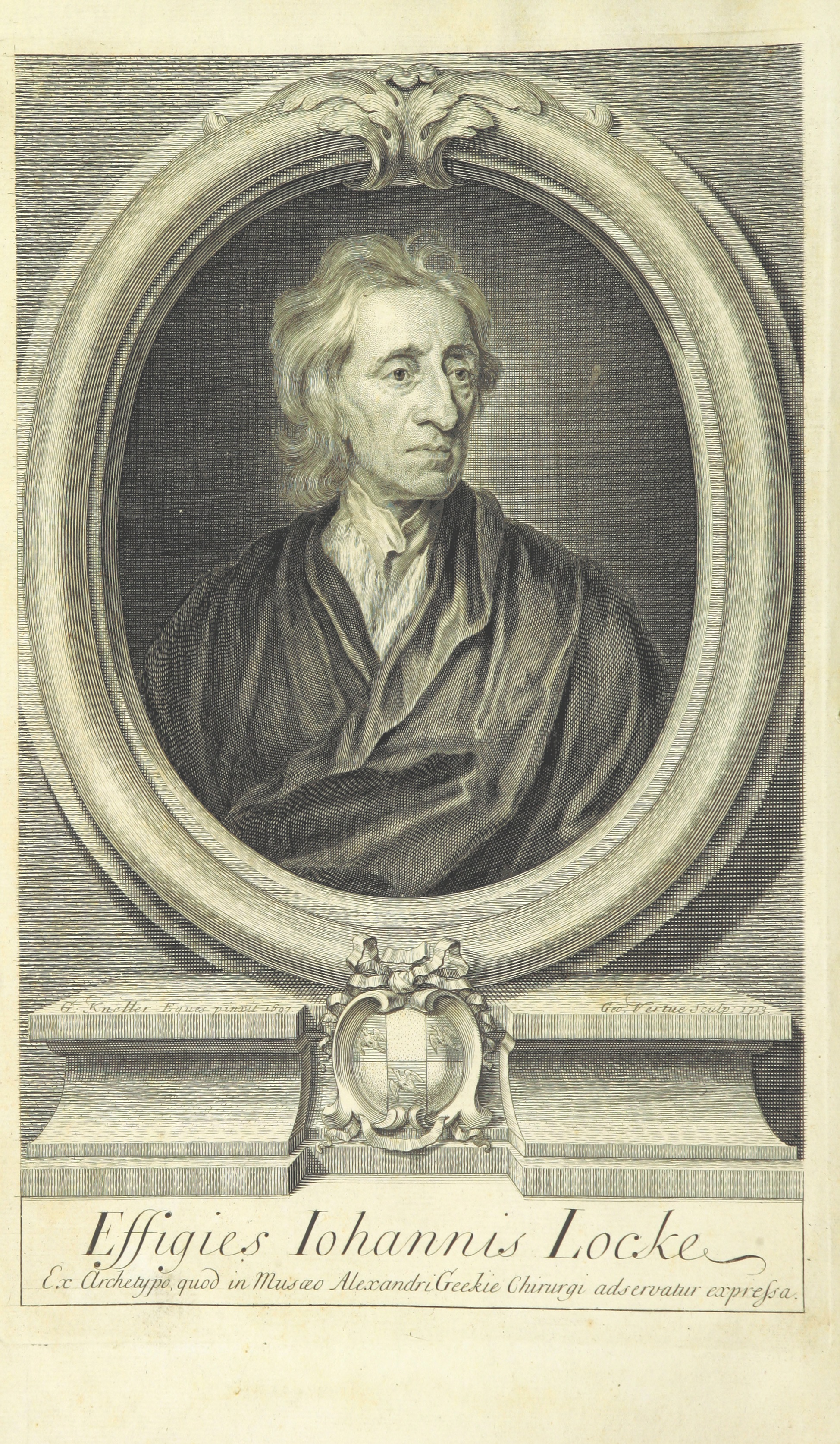
Portrait of John Locke, frontispiece to Works
George Vertue, after Sir Godfrey Kneller · 1722
Ready when you are
Start chatting with John Locke now.
20 messages free · No credit card · Available in 50+ languages.