


Primary sourceBook1695
A Vindication of the Reasonableness of Christianity
John Locke · 1695
Locke's 1695 defence of his religious views against charges of Socinianism, written to answer his critic John Edwards.
Locke wrote this pamphlet himself to defend his religious views from accusations of heresy.
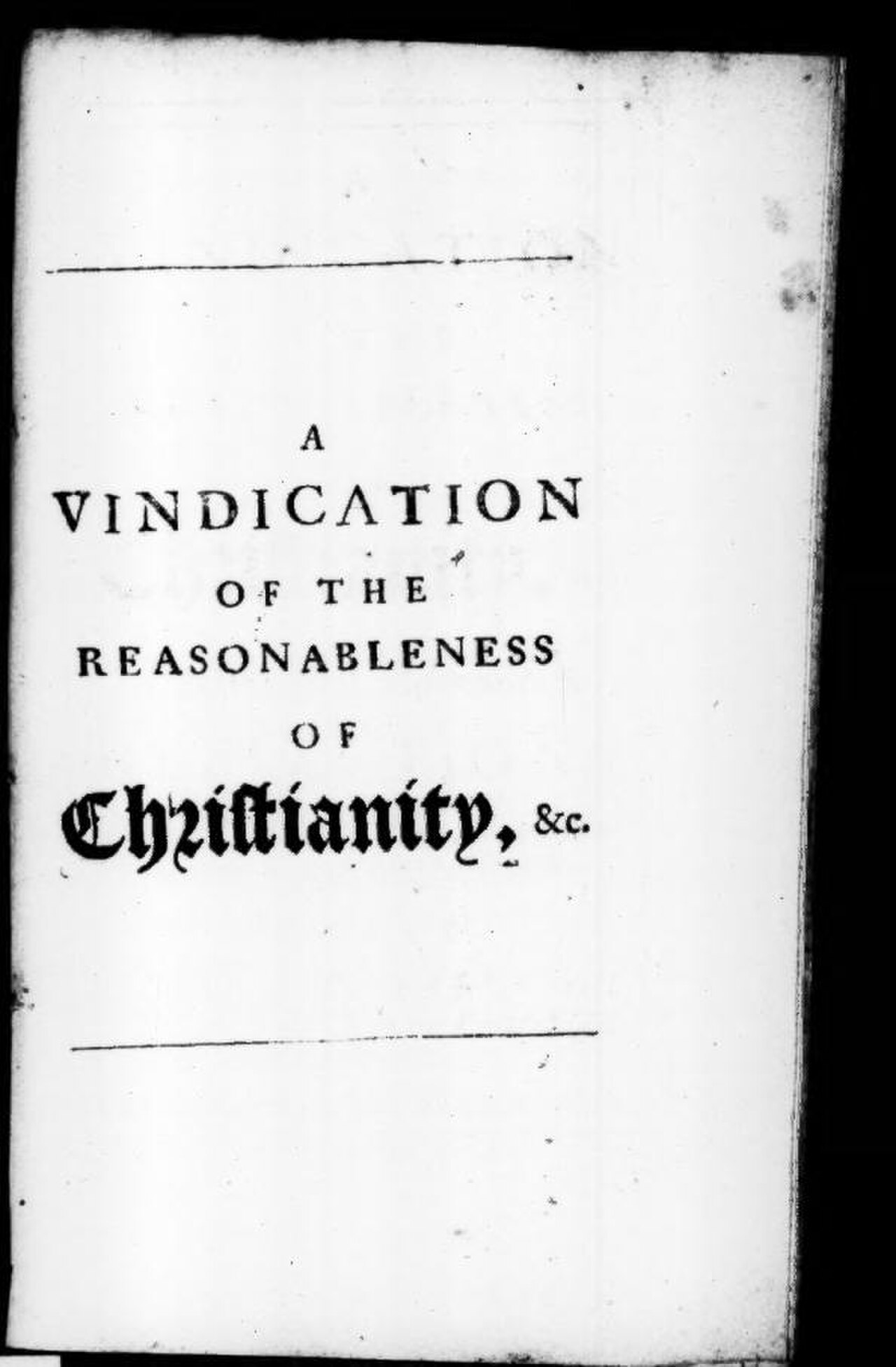
About this source
What it is
This is the title page of a short book by John Locke, published in 1695. It was written to answer accusations made by John Edwards, who claimed Locke's religious writings leaned toward Socinianism (a belief that denied core parts of traditional Christian doctrine). The book is held by the British Library.
Why it matters
The pamphlet shows how controversial Locke's ideas about religion were in his own time. Even a respected philosopher could be accused of heresy, and Locke felt he had to defend himself in print. It reveals the close links between philosophy, religion and reputation in late seventeenth-century England.
Look closer
- Why might Locke have felt it necessary to publish a public defence rather than ignore the accusation?
- What does the formal, careful title tell you about how serious this dispute was?
- What does this argument reveal about the risks of writing about religion at the time?
This book is part of the curated material that grounds the AI version of John Locke on Humy.ai — when students ask about related events, the AI can quote it and cite it.
More John Locke sources
Meet the AI John Locke →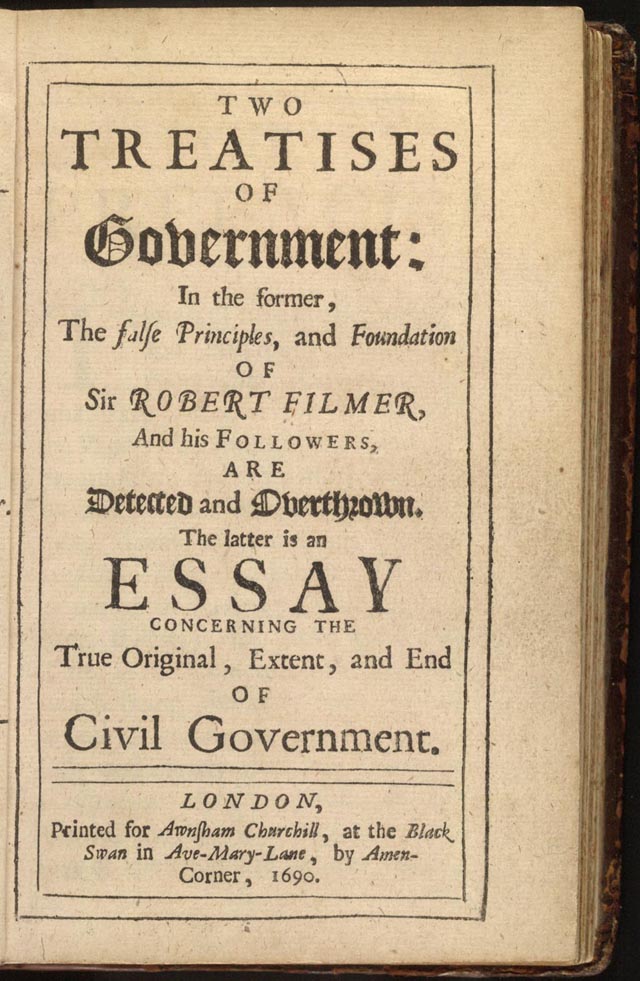 Book
Primary source
Two Treatises of Government
John Locke · 1689 (dated 1690)
 Book
Primary source
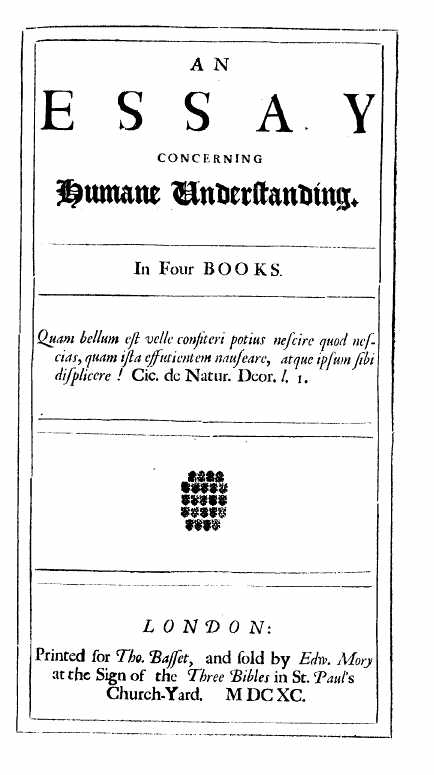
An Essay Concerning Human Understanding
John Locke · 1689 (dated 1690)
 Painting
Secondary source
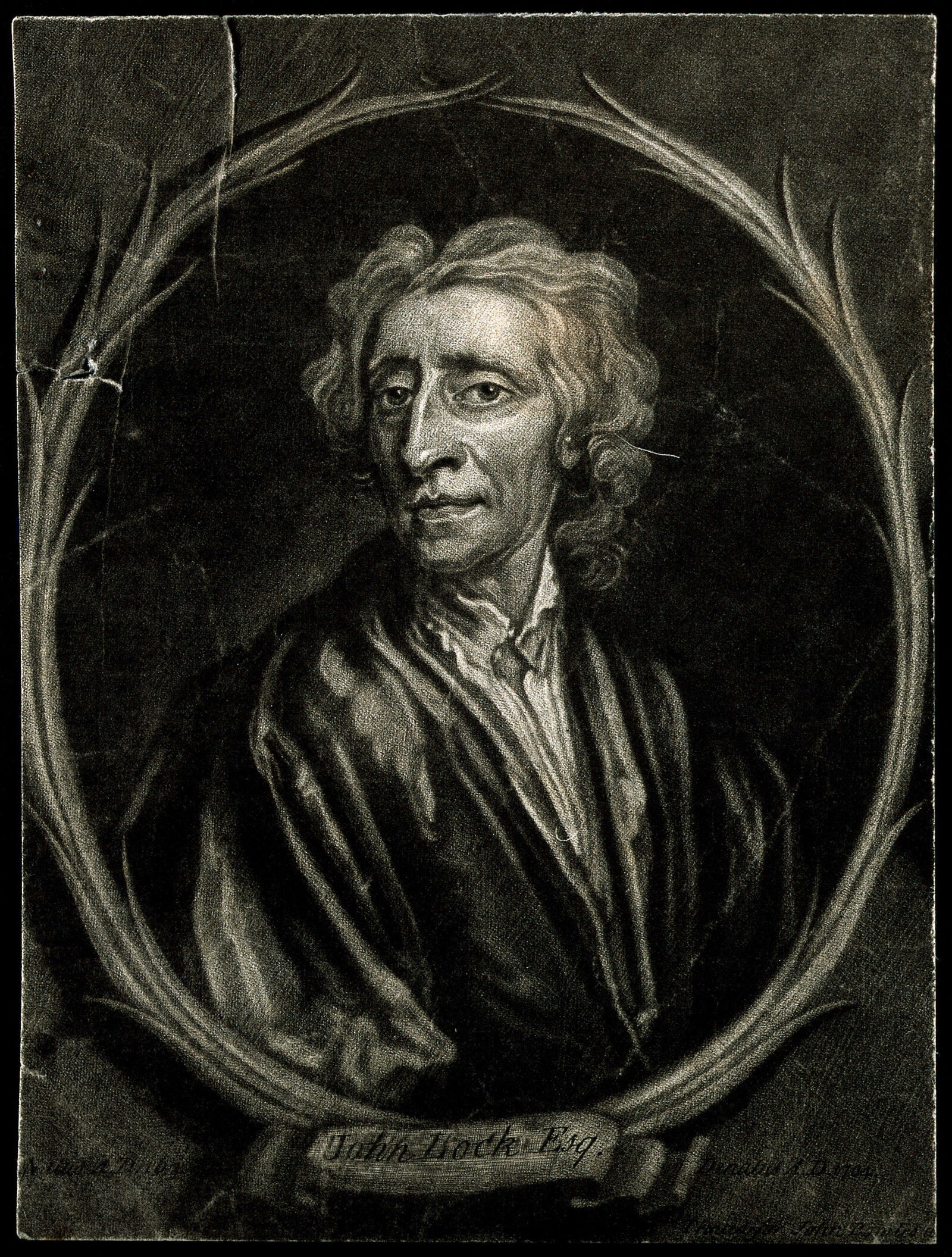
John Locke, Mezzotint after Godfrey Kneller
Godfrey Kneller
 Letter
Primary source
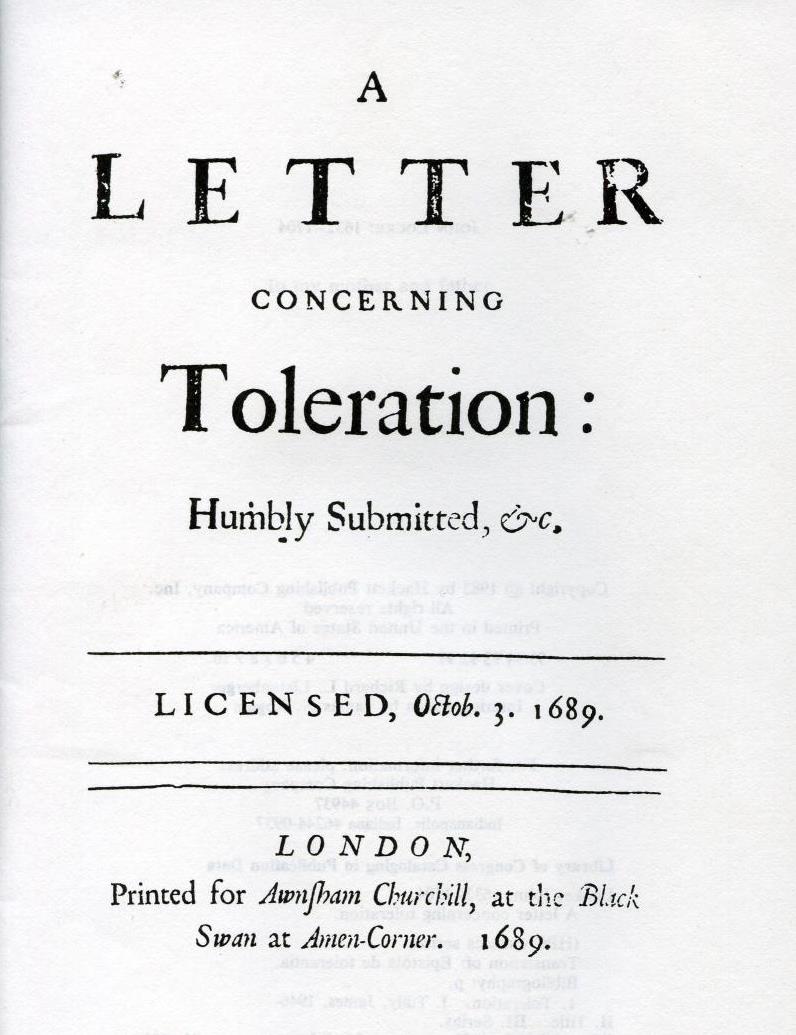
A Letter Concerning Toleration
John Locke · written 1685-1686, published 1689
 Painting
Secondary source
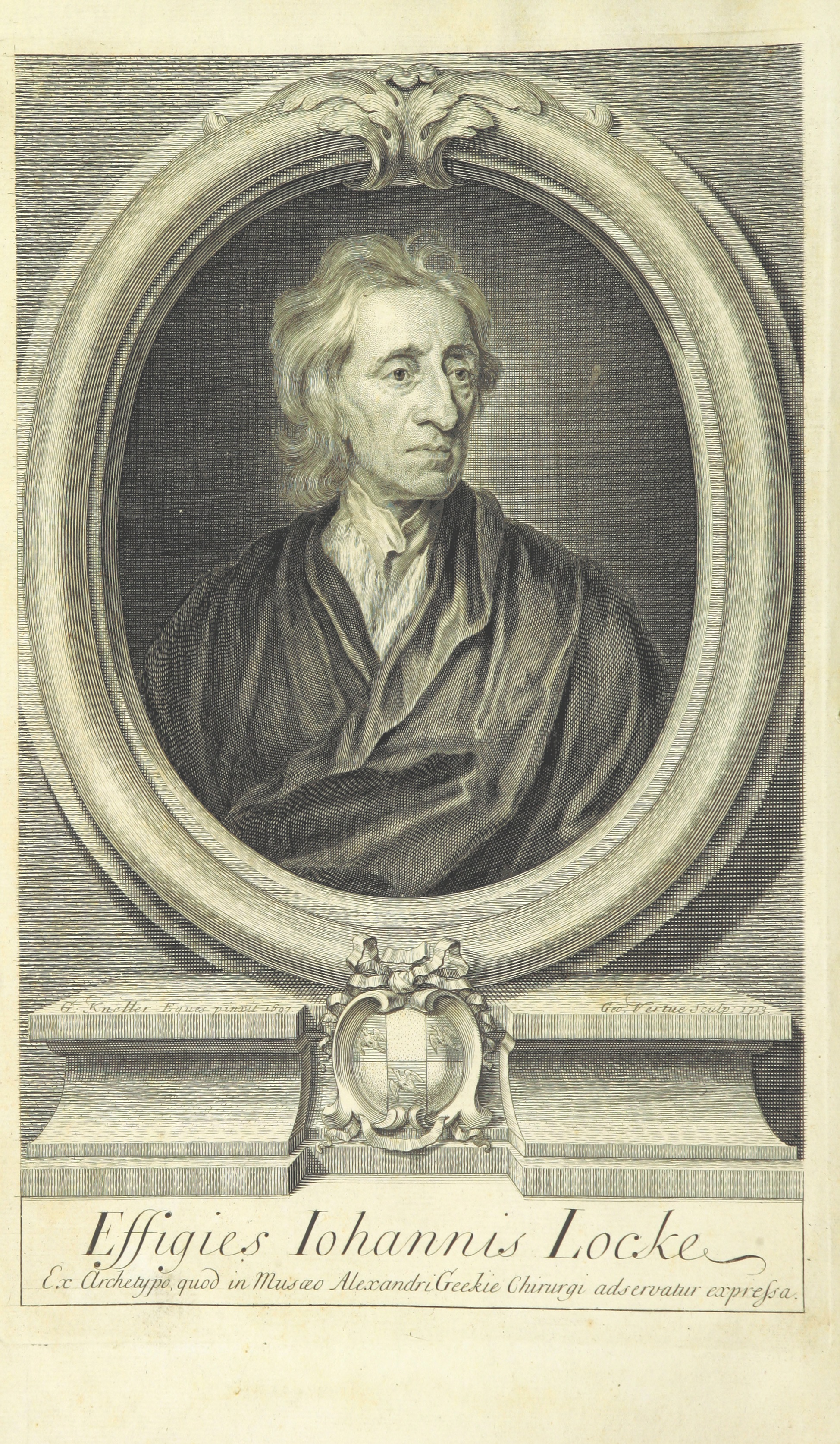
Portrait of John Locke, frontispiece to Works
George Vertue, after Sir Godfrey Kneller · 1722
Ready when you are
Start chatting with John Locke now.
20 messages free · No credit card · Available in 50+ languages.