


Primary sourcePainting1772
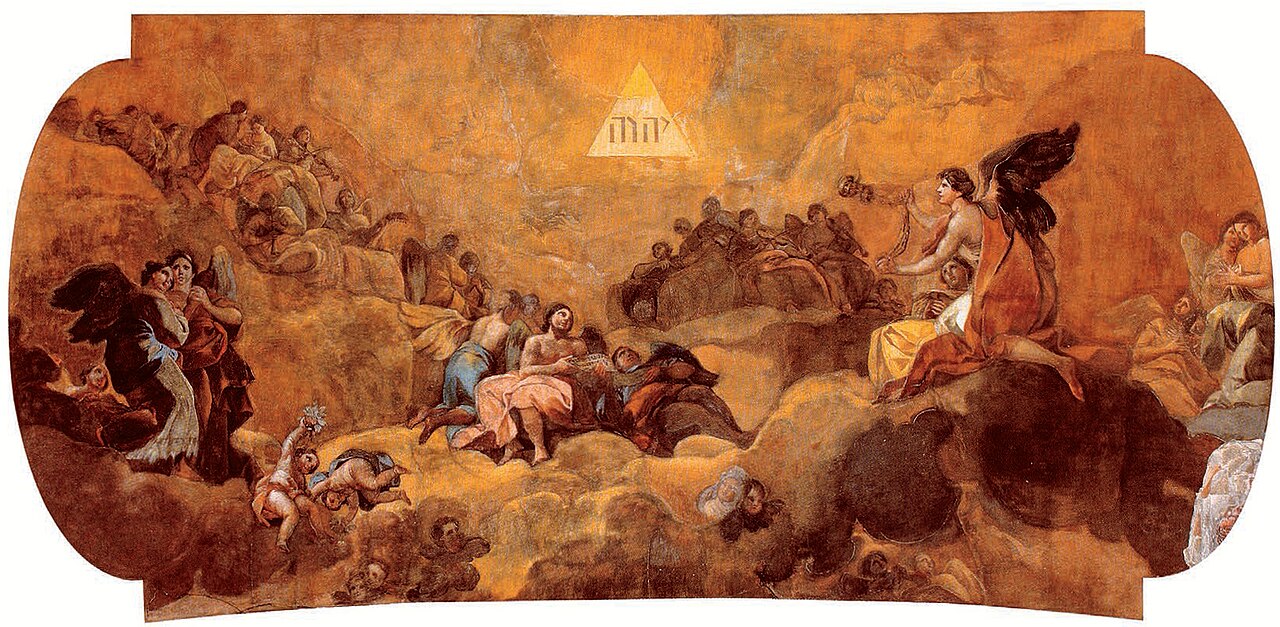
Adoration of the Name of God
Francisco Goya · 1772
A ceiling fresco by Goya in the Basilica of the Pillar in Zaragoza, his first major public commission after returning from Italy.
This early fresco was Goya's first major public commission, marking the start of his professional rise.
About this source
What it is
This fresco, also called The Glory, was painted by Francisco Goya in 1772 on the ceiling of a cupola in the Basílica de Nuestra Señora del Pilar in Zaragoza, after his return from studying in Italy. It has since been restored several times.
It shows groups of angels surrounding a central triangle inscribed with the Hebrew letters for the name of God, arranged in a composition shaped like an X.
Why it matters
This was Goya's first major public commission, showing he had mastered the difficult technique of fresco painting. He was paid less than other artists working on the same ceilings, which hints at his lower status early in his career compared to more established painters like Antonio González Velázquez.
Look closer
- What does the composition's X-shape do to guide your eye around the ceiling?
- Why might surviving preparatory sketches look more dynamic than the finished fresco?
- What does the pay difference between Goya and other artists suggest about his standing at the time?
This painting is part of the curated material that grounds the AI version of Francisco Goya on Humy.ai — when students ask about related events, the AI can quote it and cite it.
More Francisco Goya sources
Meet the AI Francisco Goya →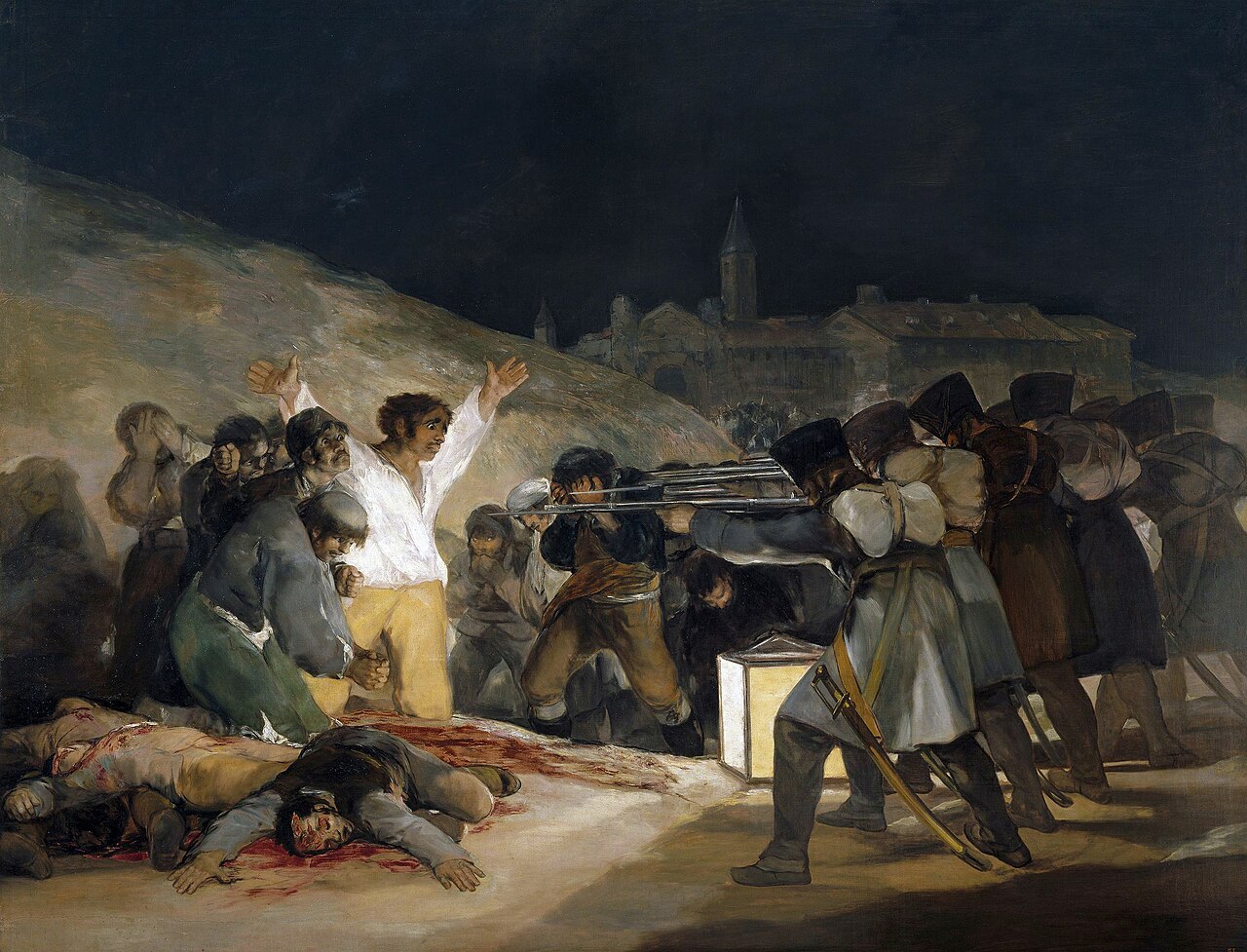 Painting
Secondary source
The Third of May 1808
Francisco Goya · 1814
 Painting
Primary source
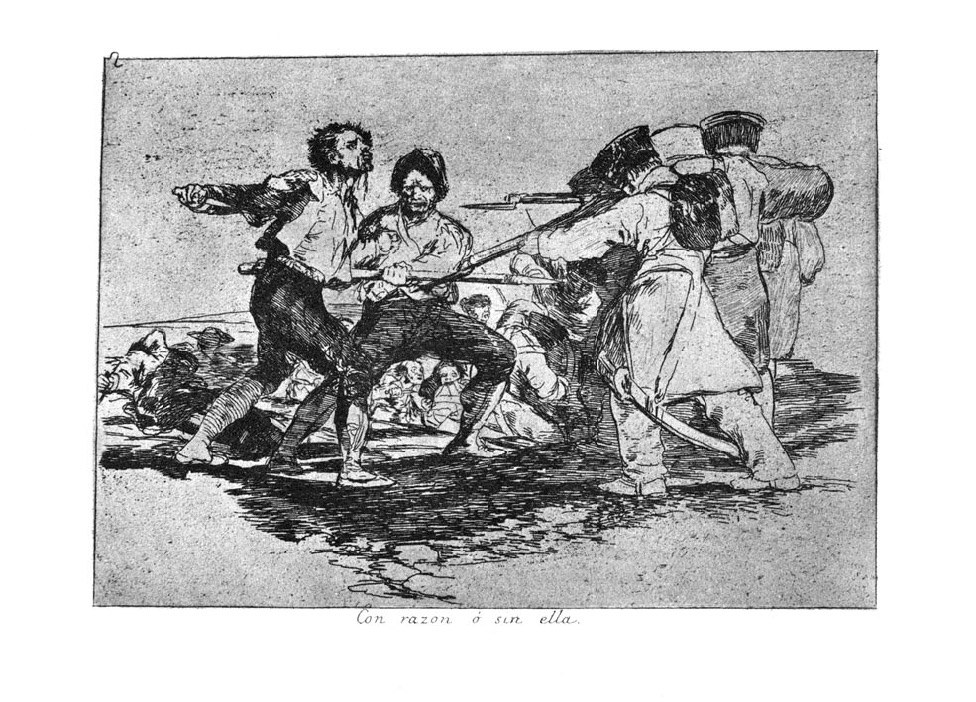
The Disasters of War
Francisco Goya · 1810-1820
 Painting
Primary source
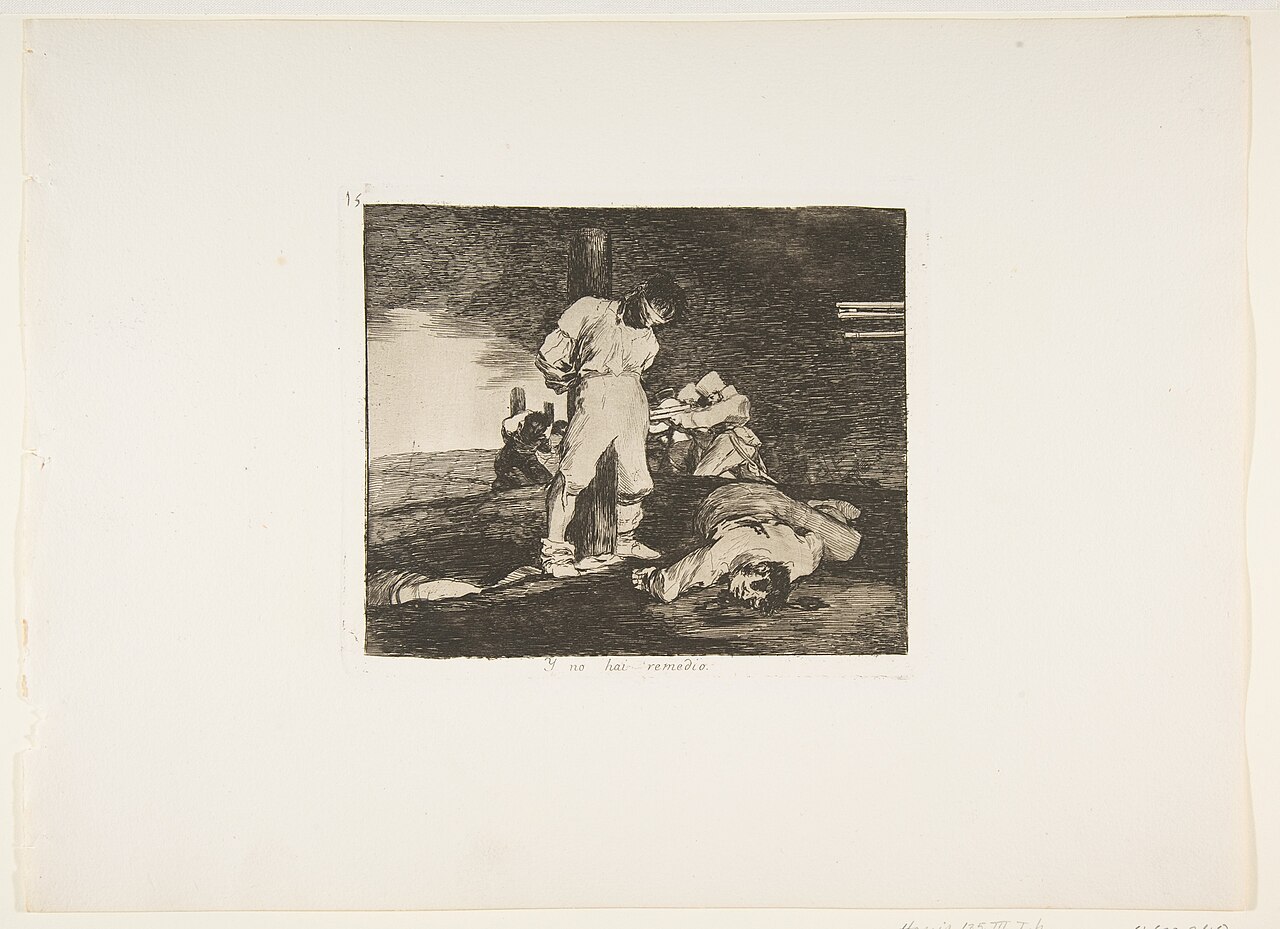
Y no hai remedio
Francisco de Goya · c. 1810-1814 (published 1863)
 Painting
Primary source
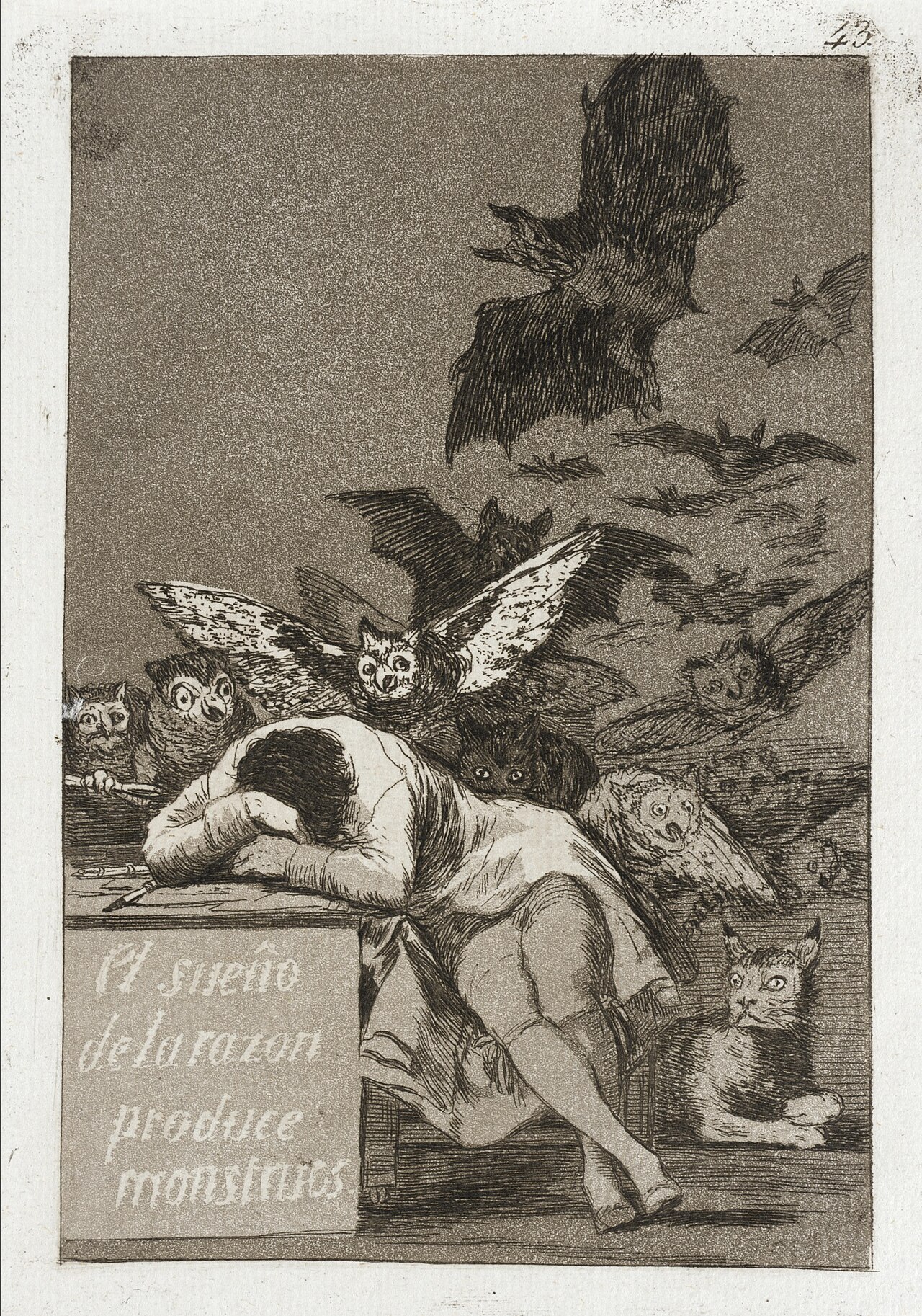
Caprichos
Francisco Goya · 1799 (created 1797-1798)
 Painting
Primary source
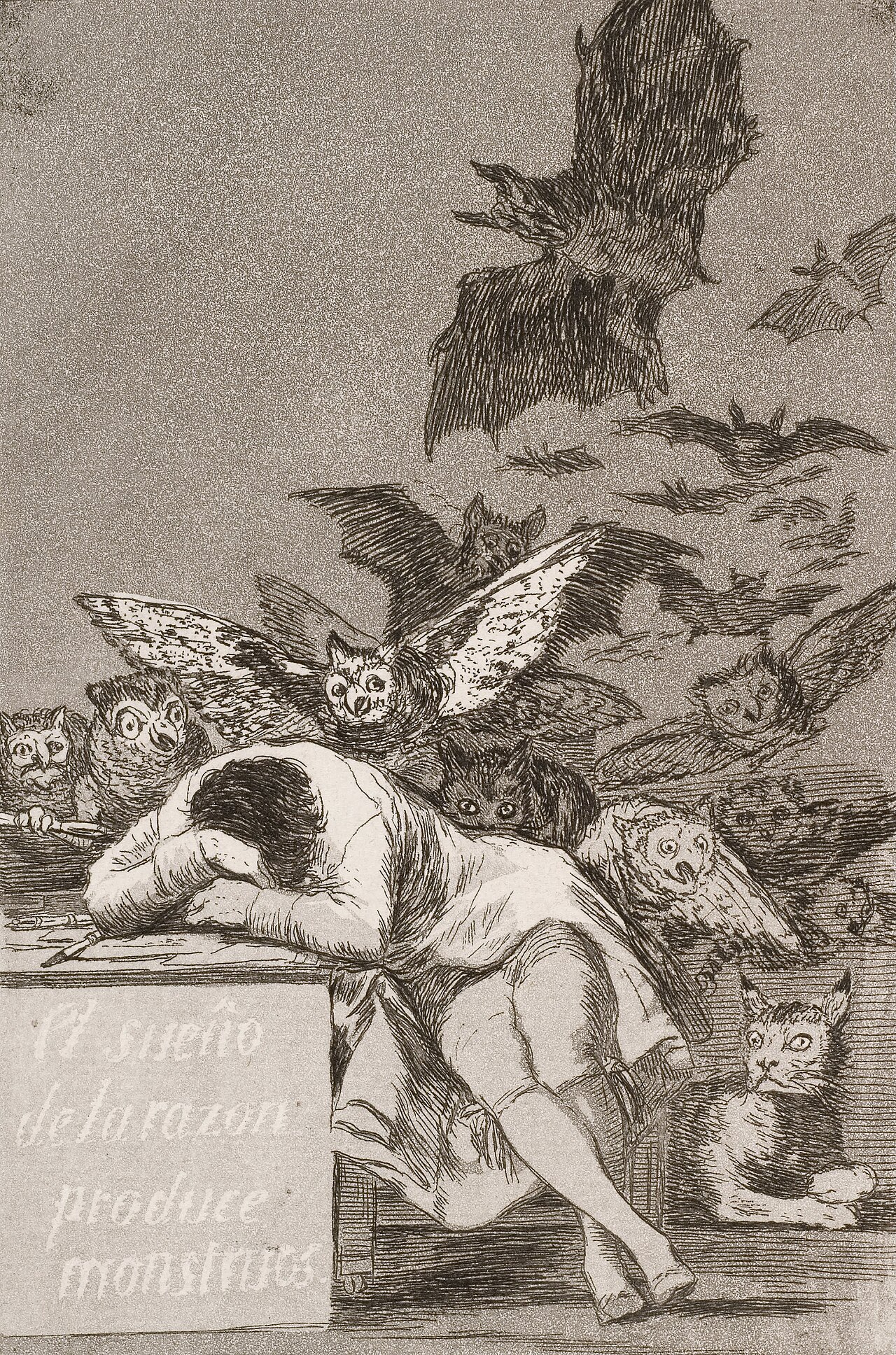
The Sleep of Reason Produces Monsters
Francisco Goya · 1797-1799
Ready when you are
Start chatting with Francisco Goya now.
20 messages free · No credit card · Available in 50+ languages.