


Primary sourcePhotographc. 1927
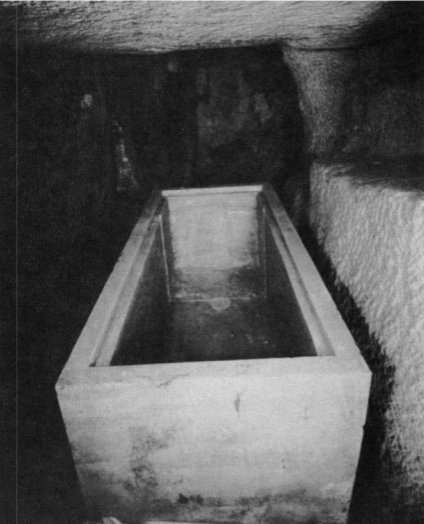
Alabaster sarcophagus from the tomb of Hetepheres I
George Andrew Reisner · c. 1927
An excavation photograph of the alabaster sarcophagus found in the tomb of Hetepheres I, mother of Khufu, at Giza.
Shows the sarcophagus from the tomb of Khufu's mother, Hetepheres I, linking Khufu's family to this find.
About this source
What it is
This is a black-and-white photograph taken during the excavation of the tomb of Hetepheres I at Giza, around 1927, by archaeologist George Andrew Reisner. It shows the rectangular alabaster sarcophagus found inside the rock-cut tomb chamber.
Why it matters
Hetepheres I was the mother of the pharaoh Khufu, builder of the Great Pyramid. Her tomb, discovered by Reisner's expedition, gives archaeologists direct evidence about royal burial practices in the Fourth Dynasty, the family connected to Khufu, and the craftsmanship available to Egypt's royal court.
Look closer
- What does the condition of the tomb chamber tell you about how it was found?
- Why might archaeologists photograph objects exactly where they were found, before moving them?
- What does the sarcophagus itself suggest about how Egyptians prepared for the afterlife?
This photograph is part of the curated material that grounds the AI version of Pharaoh Khufu (Cheops) on Humy.ai — when students ask about related events, the AI can quote it and cite it.
More Pharaoh Khufu (Cheops) sources
Meet the AI Pharaoh Khufu (Cheops) →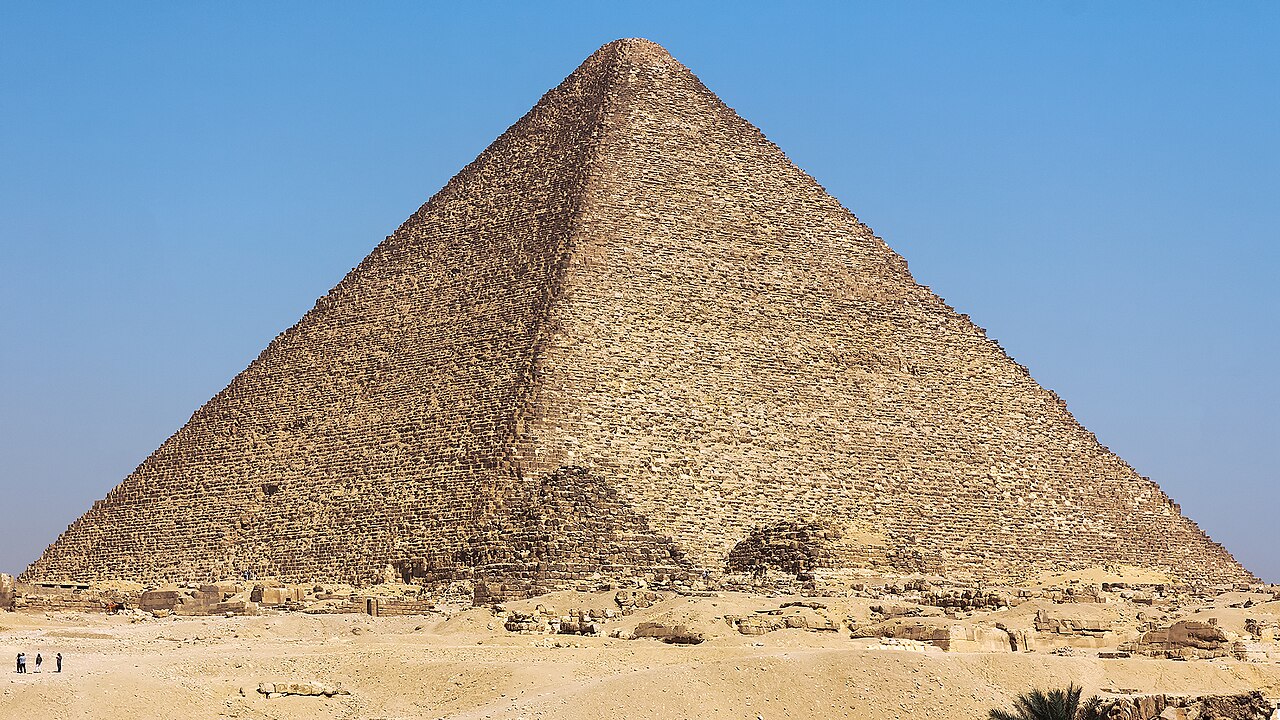 Artifact
Primary source
Great Pyramid of Giza
c. 2560 BCE
 Photograph
Secondary source
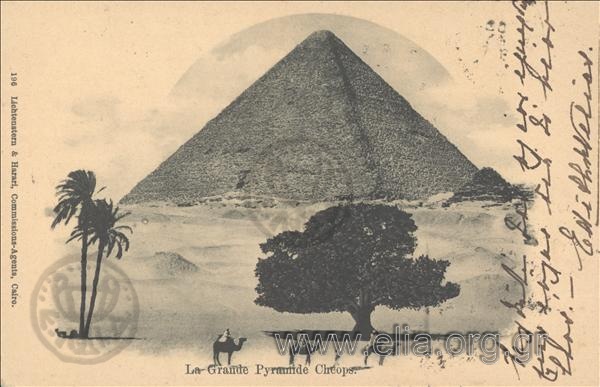
La Grande Pyramide Cheops
1903
 Sculpture
Primary source
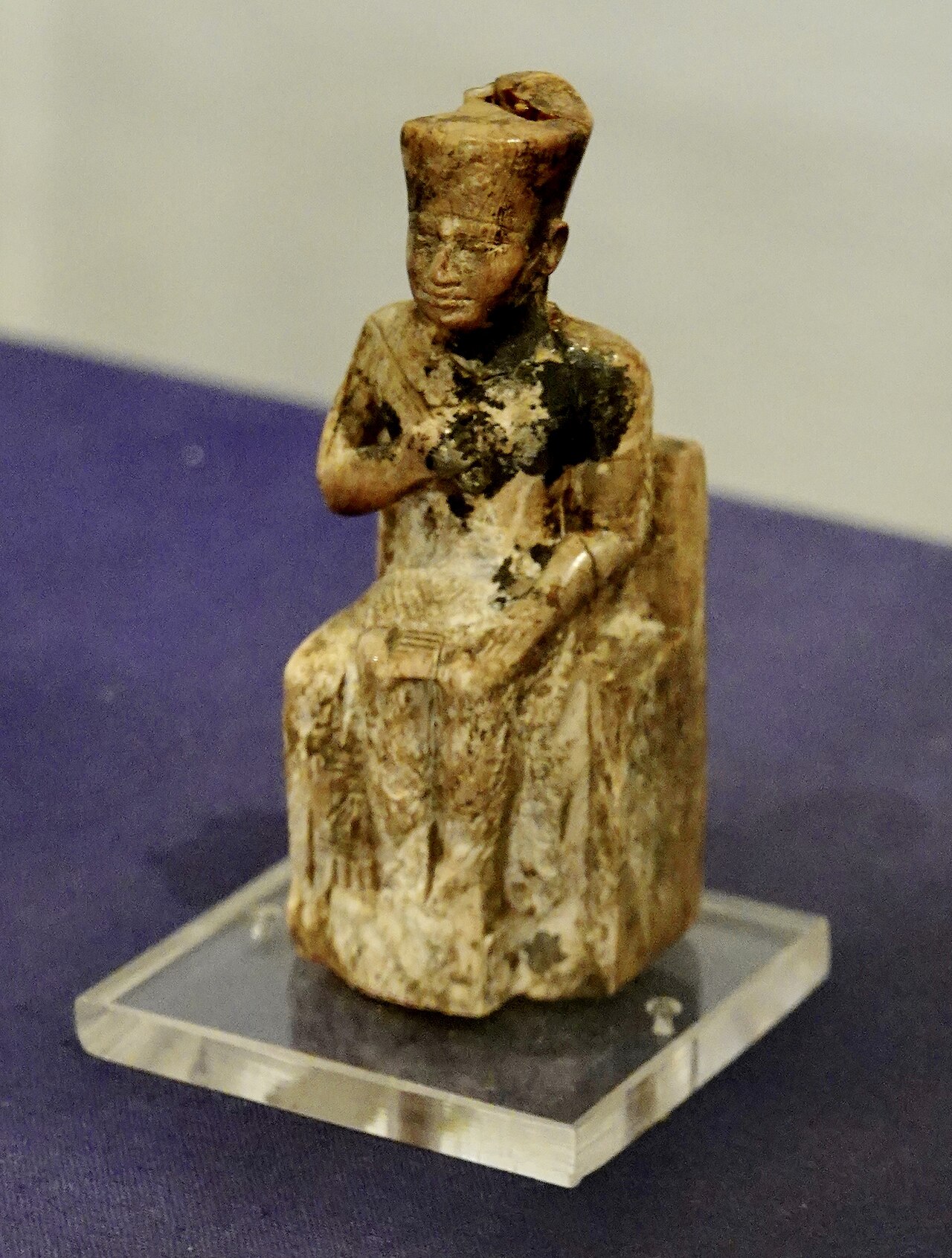
Khufu Statuette
c. 2600–2494 BCE (possibly later, 664–525 BCE)
 Photograph
Secondary source
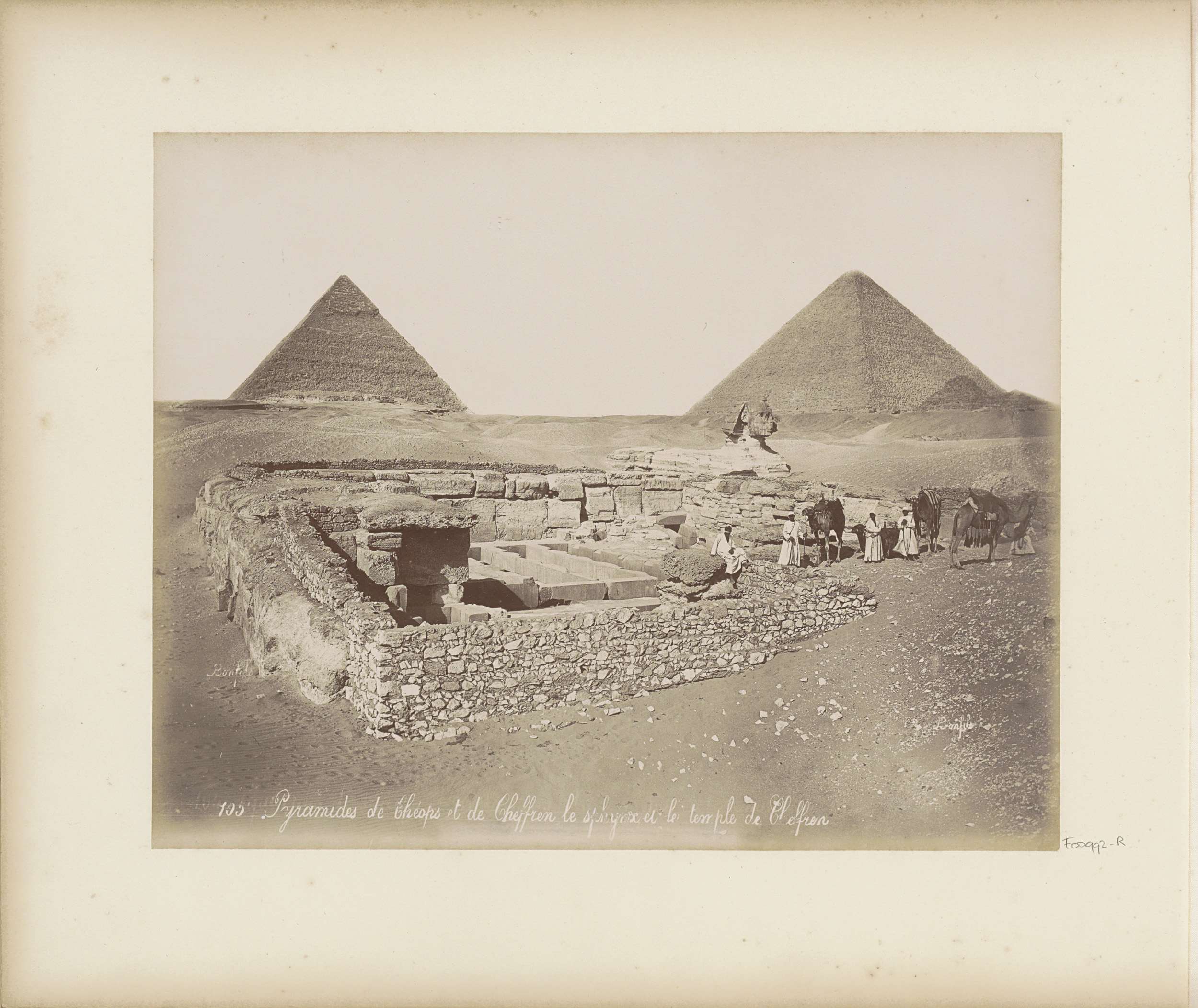
Pyramids of Cheops and Chephren and the Sphinx at Giza
 Artifact
Primary source
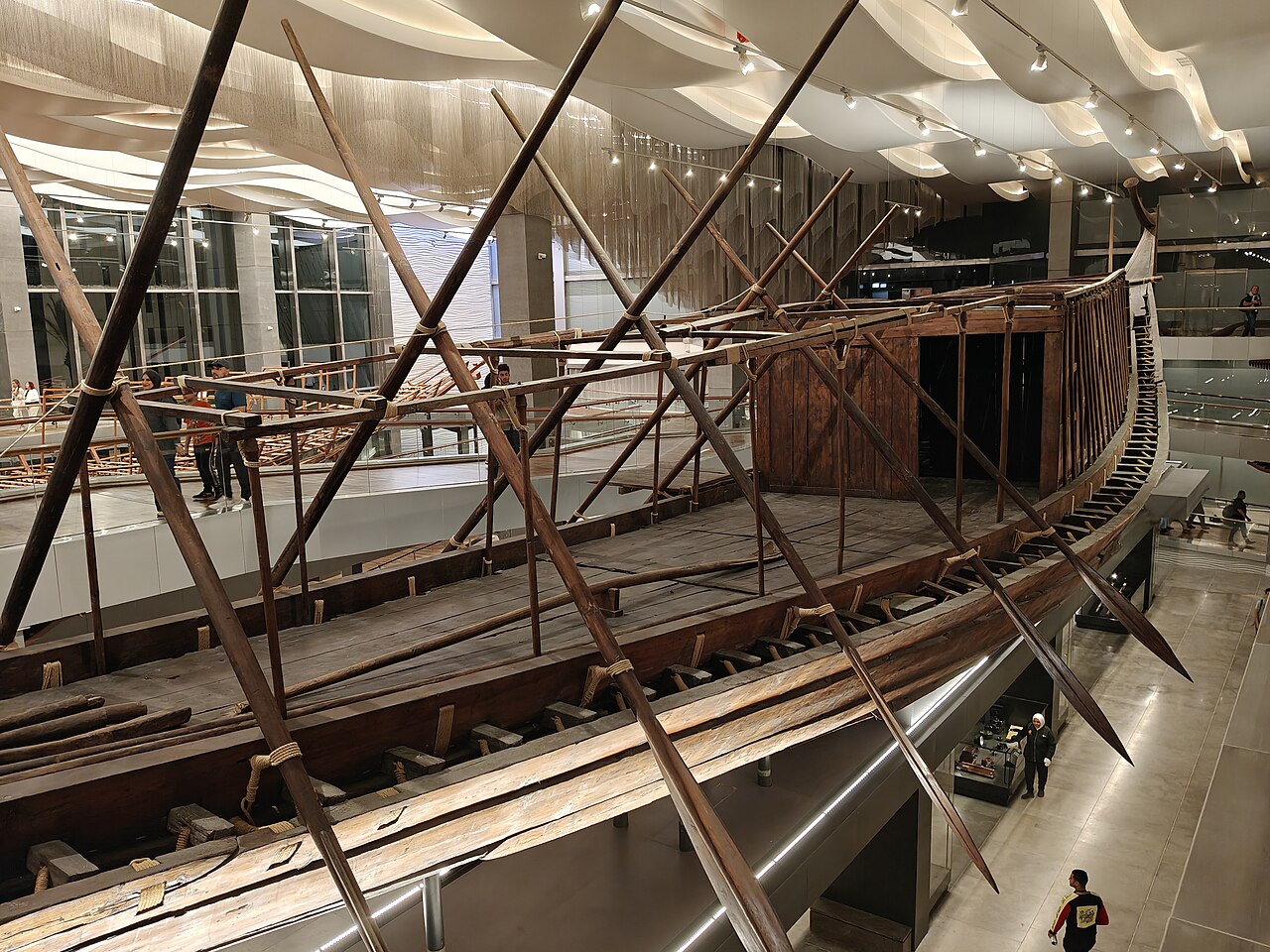
Khufu ship
Royal shipwrights of Khufu · c. 2566 BCE
Ready when you are
Start chatting with Pharaoh Khufu (Cheops) now.
20 messages free · No credit card · Available in 50+ languages.