


Primary sourceArtifactc. 2560 BCE
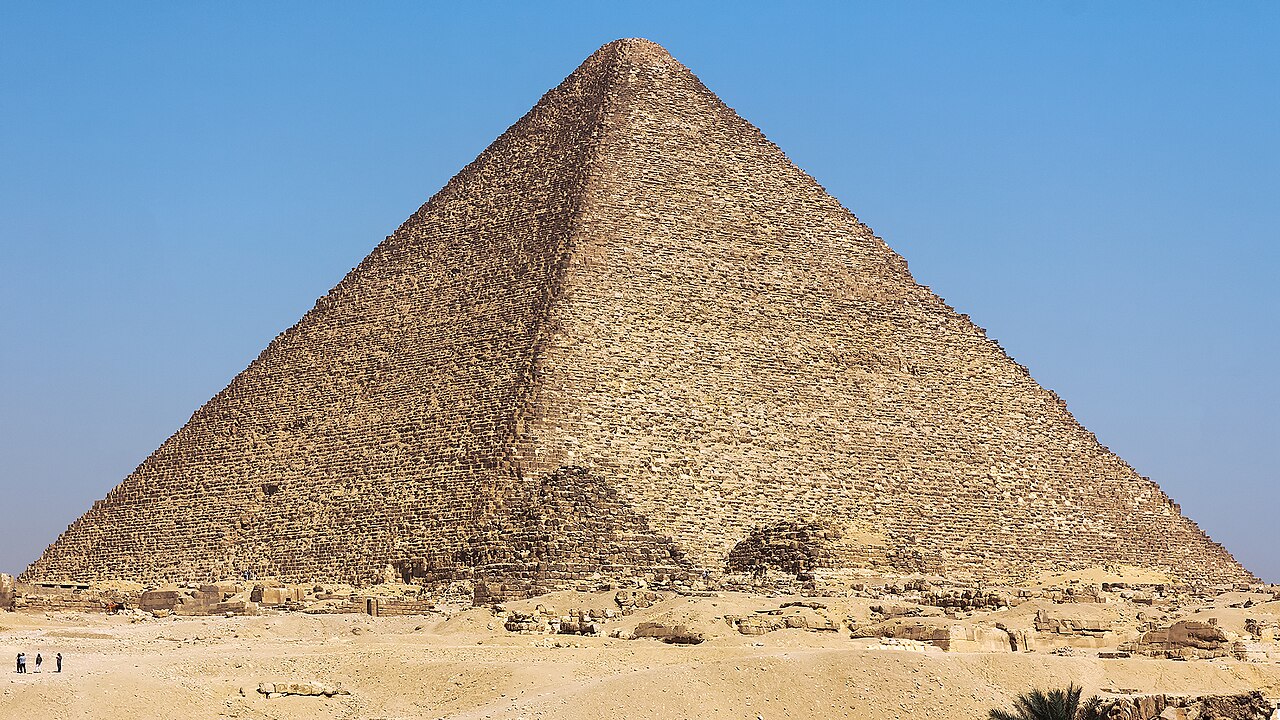
Great Pyramid of Giza
c. 2560 BCE
The largest Egyptian pyramid, built as the tomb of Khufu and the only ancient wonder to survive largely intact.
Khufu commissioned this pyramid as his tomb, making it the central monument of his reign and the archive's core artifact for him.
About this source
What it is
The Great Pyramid of Giza is the largest of the Egyptian pyramids and the oldest of the Seven Wonders of the Ancient World. It served as the tomb of pharaoh Khufu, built over about 26 years using millions of quarried stone blocks, with granite imported from Aswan and fine limestone from Tura. Inside are three chambers, including the King's Chamber with a granite sarcophagus. It still stands at Giza, Egypt.
Why it matters
The pyramid shows the enormous organisational power of Khufu's state: the labour, supplies and planning needed to build it reveal how Old Kingdom Egypt mobilised people and resources around the king's burial and divine status. Khufu's vizier Hemiunu is thought by some to have been its architect, and Khufu's son Djedefre is linked to completing his father's funeral rites.
Look closer
- Why do you think the pyramid's inner chambers have no inscriptions, unlike later pyramids?
- What does the scale of this structure tell you about how Egyptians viewed their king?
- What parts of the original structure, like the smooth casing, are missing today, and why?
This artifact is part of the curated material that grounds the AI version of Pharaoh Khufu (Cheops) on Humy.ai — when students ask about related events, the AI can quote it and cite it.
More Pharaoh Khufu (Cheops) sources
Meet the AI Pharaoh Khufu (Cheops) →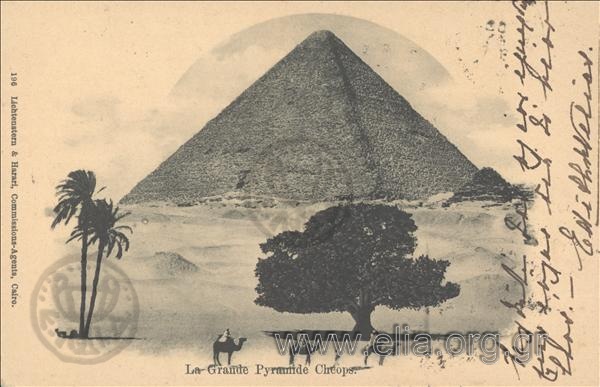 Photograph
Secondary source
La Grande Pyramide Cheops
1903
 Sculpture
Primary source
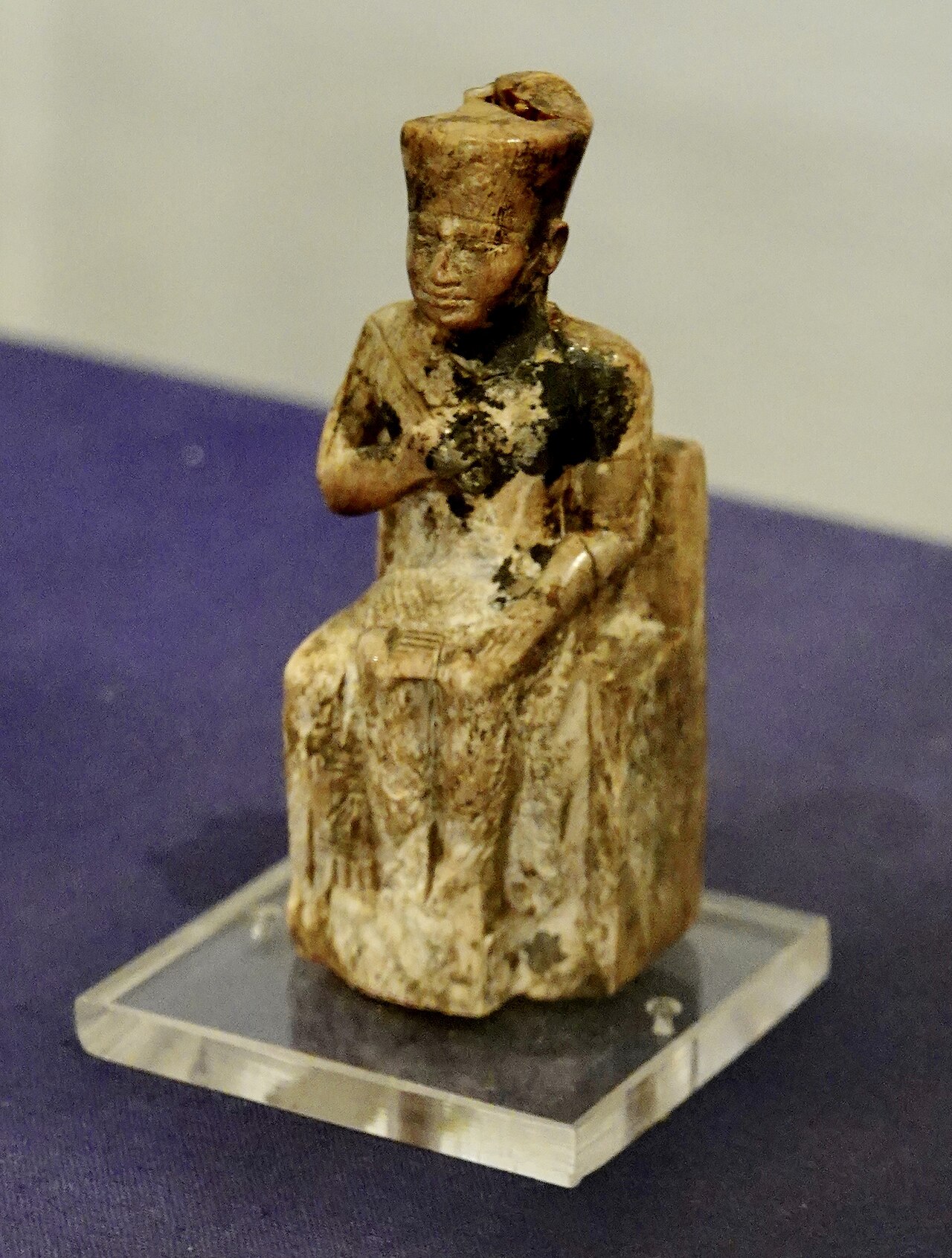
Khufu Statuette
c. 2600–2494 BCE (possibly later, 664–525 BCE)
 Photograph
Secondary source
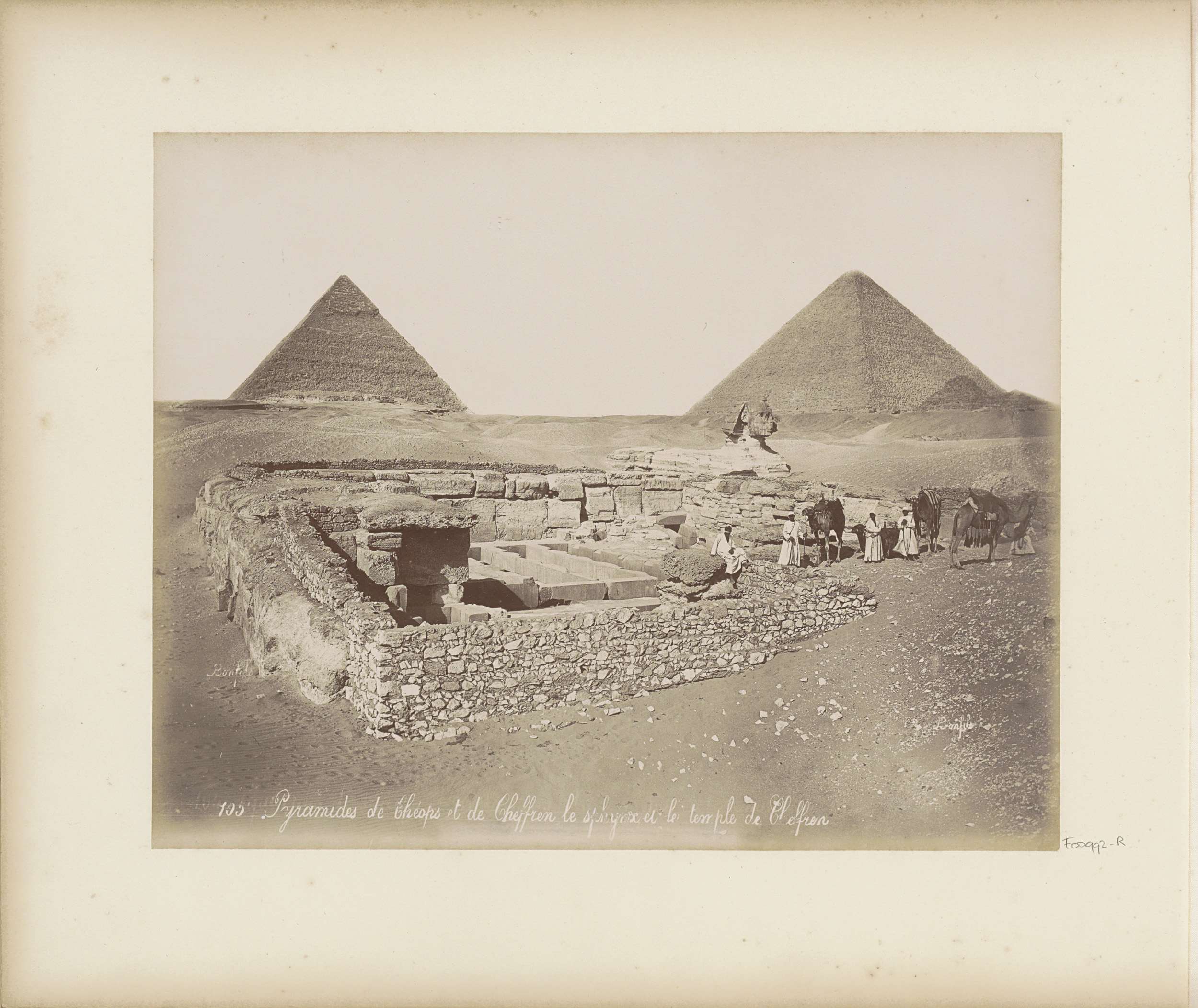
Pyramids of Cheops and Chephren and the Sphinx at Giza
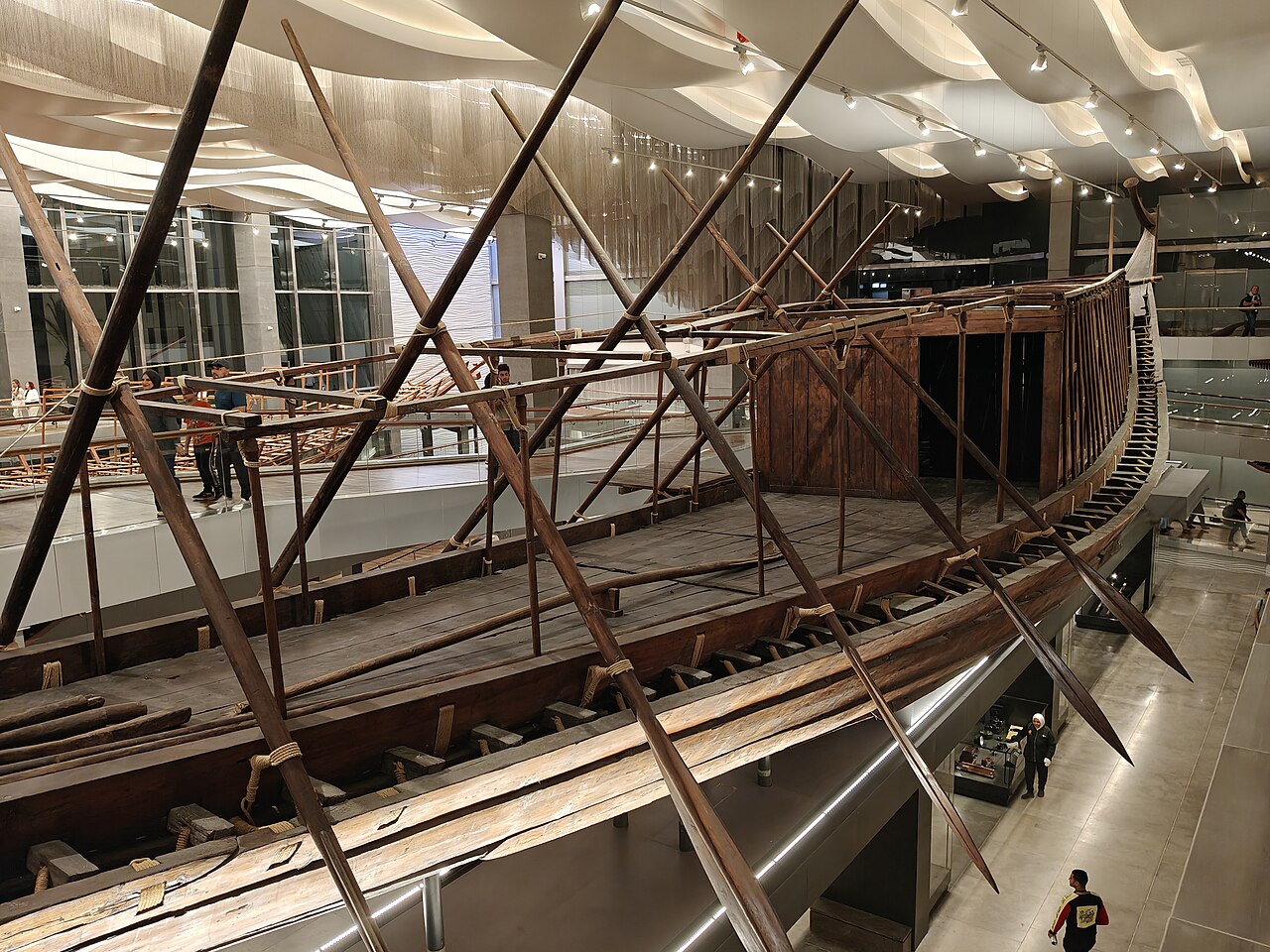 Artifact
Primary source
Khufu ship
Royal shipwrights of Khufu · c. 2566 BCE
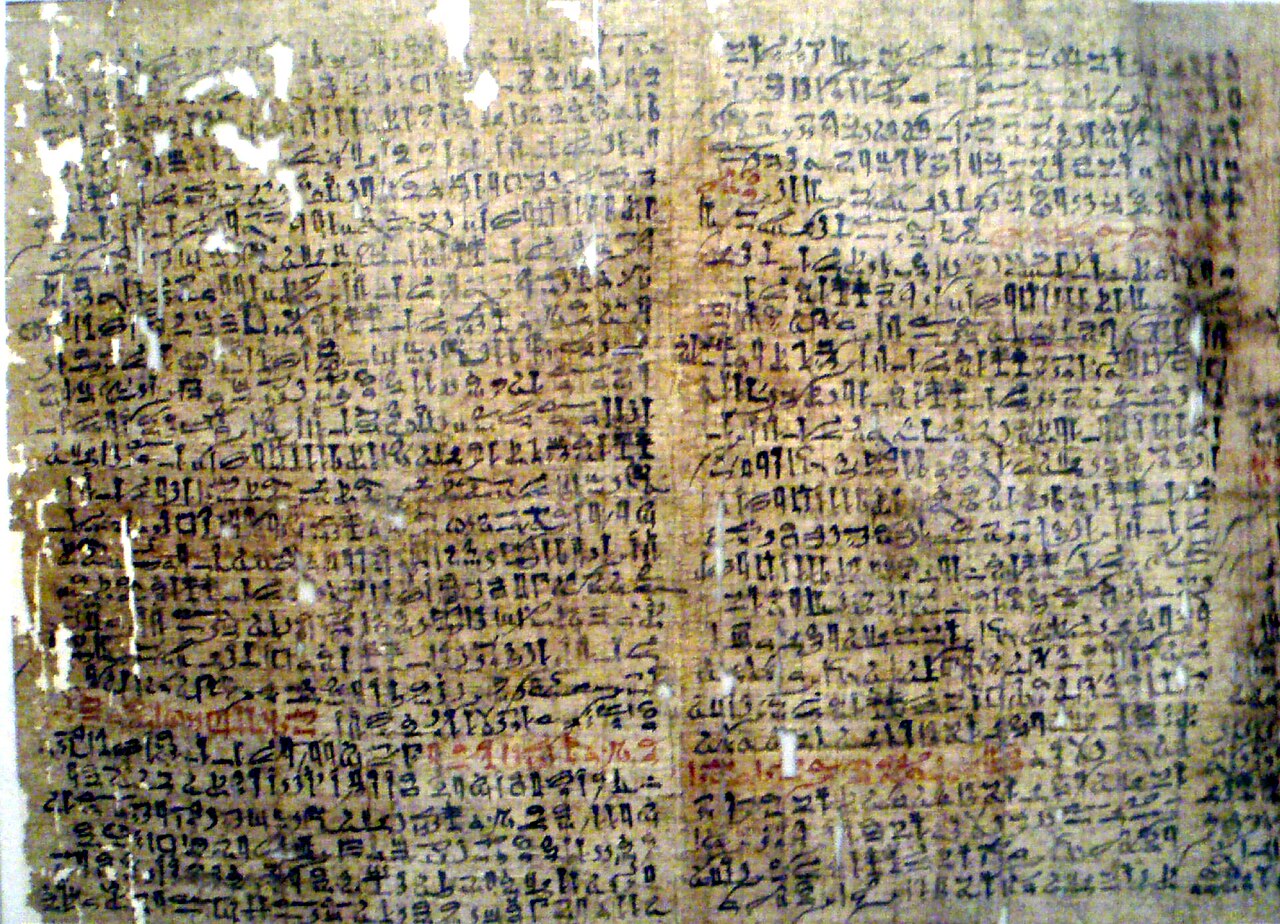 Book
Secondary source
Westcar Papyrus
c. 1800 BCE
Ready when you are
Start chatting with Pharaoh Khufu (Cheops) now.
20 messages free · No credit card · Available in 50+ languages.