


Secondary sourceBookc. 1800 BCE
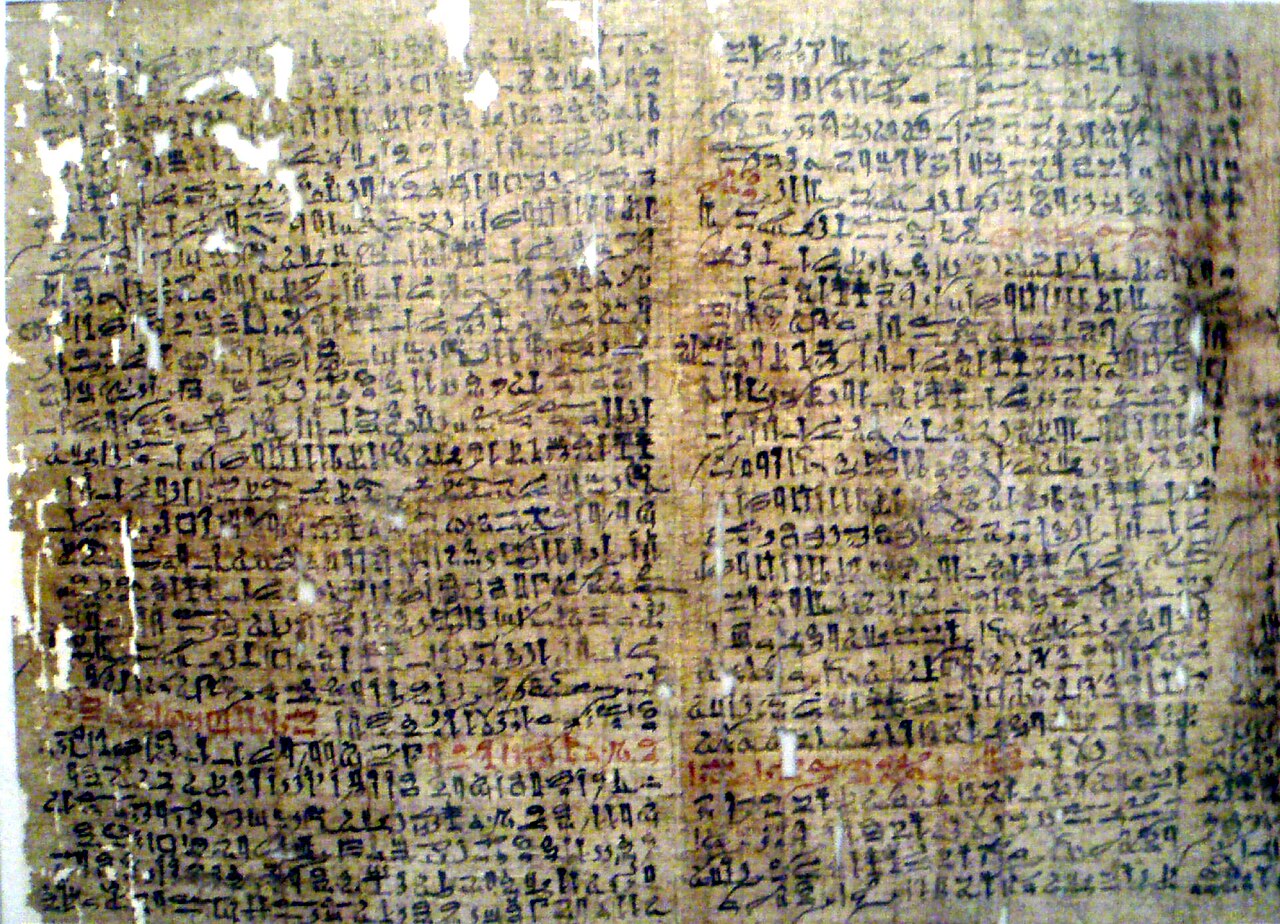
Westcar Papyrus
c. 1800 BCE
A Middle Kingdom Egyptian papyrus of magical tales told at the court of King Khufu by his own sons.
This text preserves the main Egyptian literary legend about Khufu, showing how he was remembered centuries after his reign.
About this source
What it is
The Westcar Papyrus is an ancient Egyptian text containing five stories about magicians and miracles, each said to be told at the court of King Khufu by his sons. Written in hieratic script, it is thought to date from centuries after Khufu's reign, possibly the Thirteenth Dynasty. It was found in Egypt in the 1820s and later acquired by Egyptologist Adolf Erman for the Museum of Berlin, where it is displayed today in low light due to its fragile condition.
Why it matters
Although set at Khufu's court, these stories were composed long after he lived and were meant to entertain rather than record history, yet they are the main literary portrait of Khufu that survives from Egyptian tradition. They show how later Egyptians imagined and remembered this famous pyramid-builder king.
Look closer
- Why might these stories have been written hundreds of years after Khufu's death?
- What does the choice to set magical tales at Khufu's court tell you about his later reputation?
- How reliable do you think this text is as evidence for Khufu's real life?
This book is part of the curated material that grounds the AI version of Pharaoh Khufu (Cheops) on Humy.ai — when students ask about related events, the AI can quote it and cite it.
More Pharaoh Khufu (Cheops) sources
Meet the AI Pharaoh Khufu (Cheops) →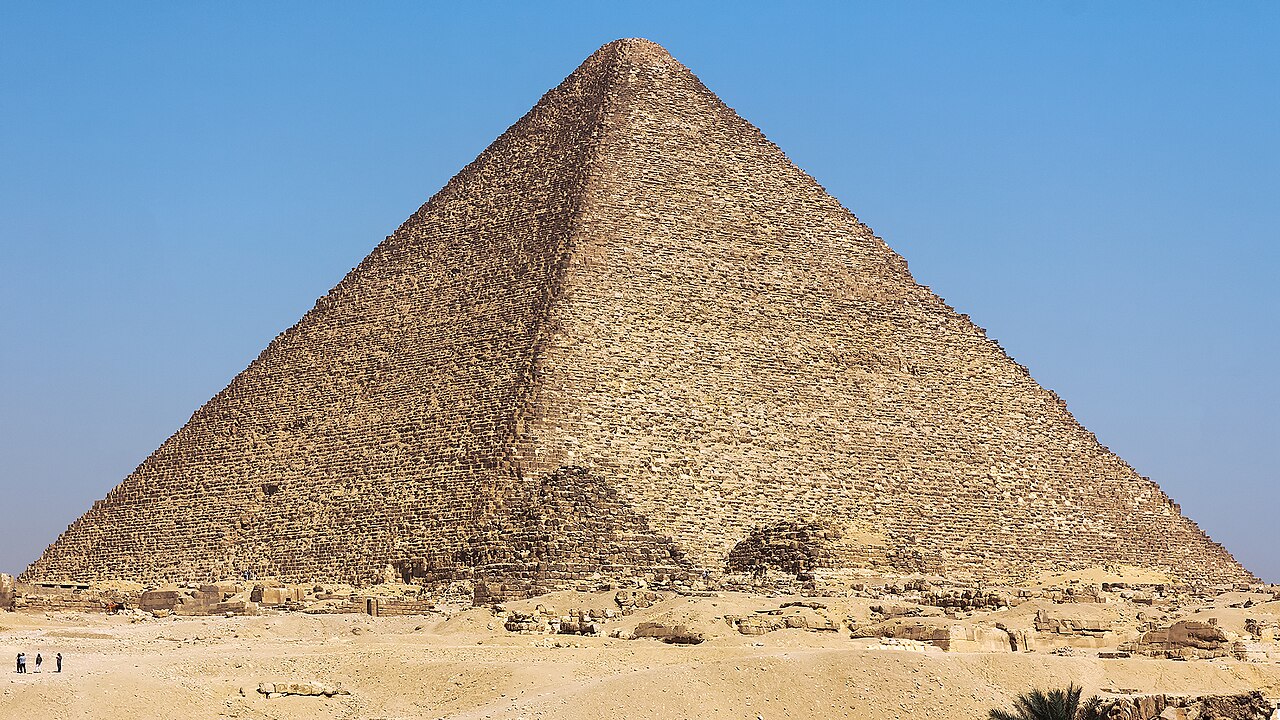 Artifact
Primary source
Great Pyramid of Giza
c. 2560 BCE
 Photograph
Secondary source
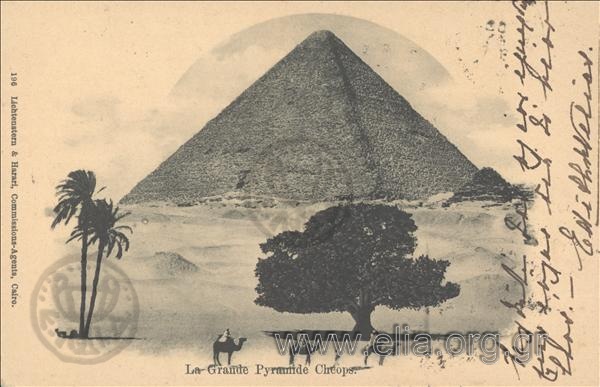
La Grande Pyramide Cheops
1903
 Sculpture
Primary source
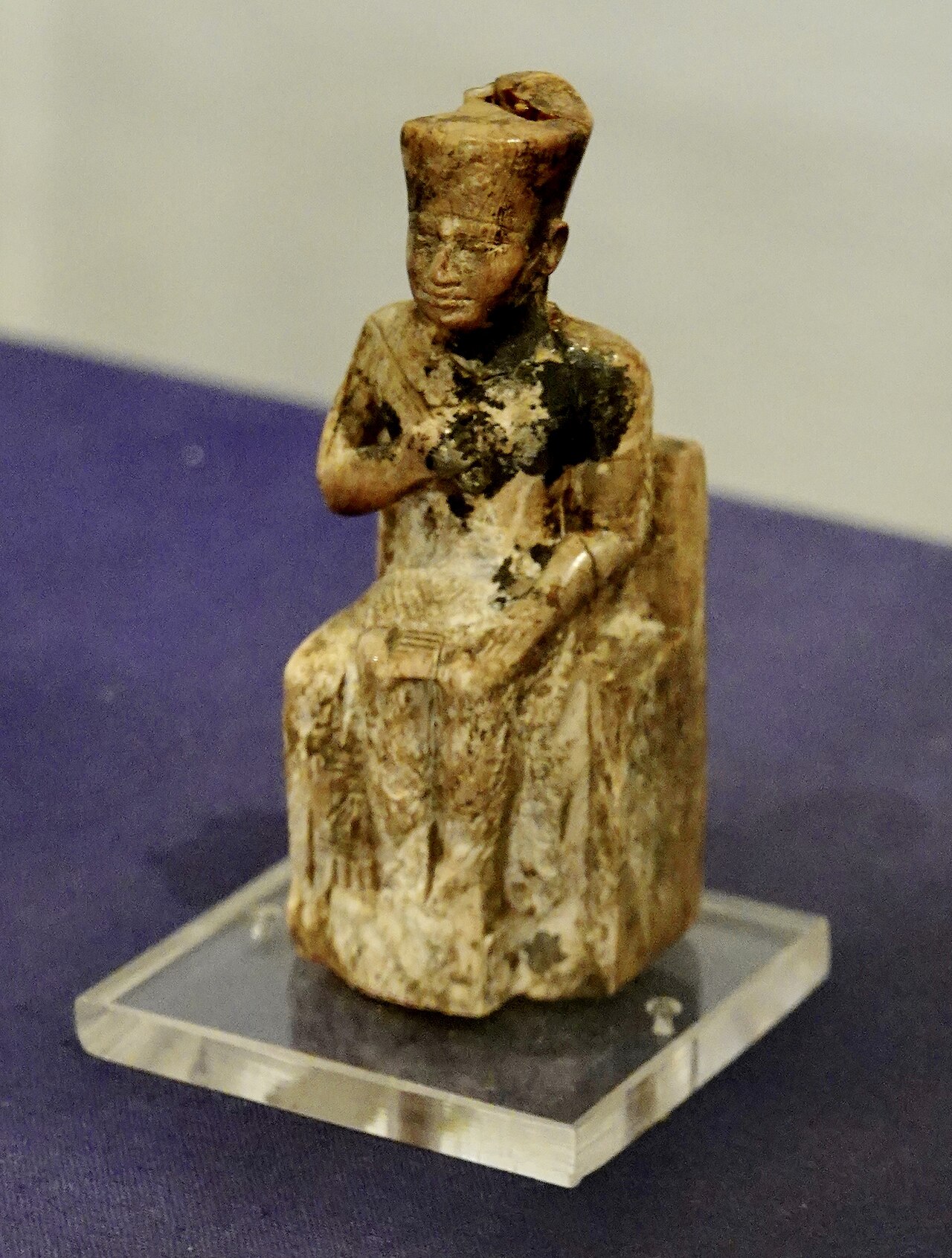
Khufu Statuette
c. 2600–2494 BCE (possibly later, 664–525 BCE)
 Photograph
Secondary source
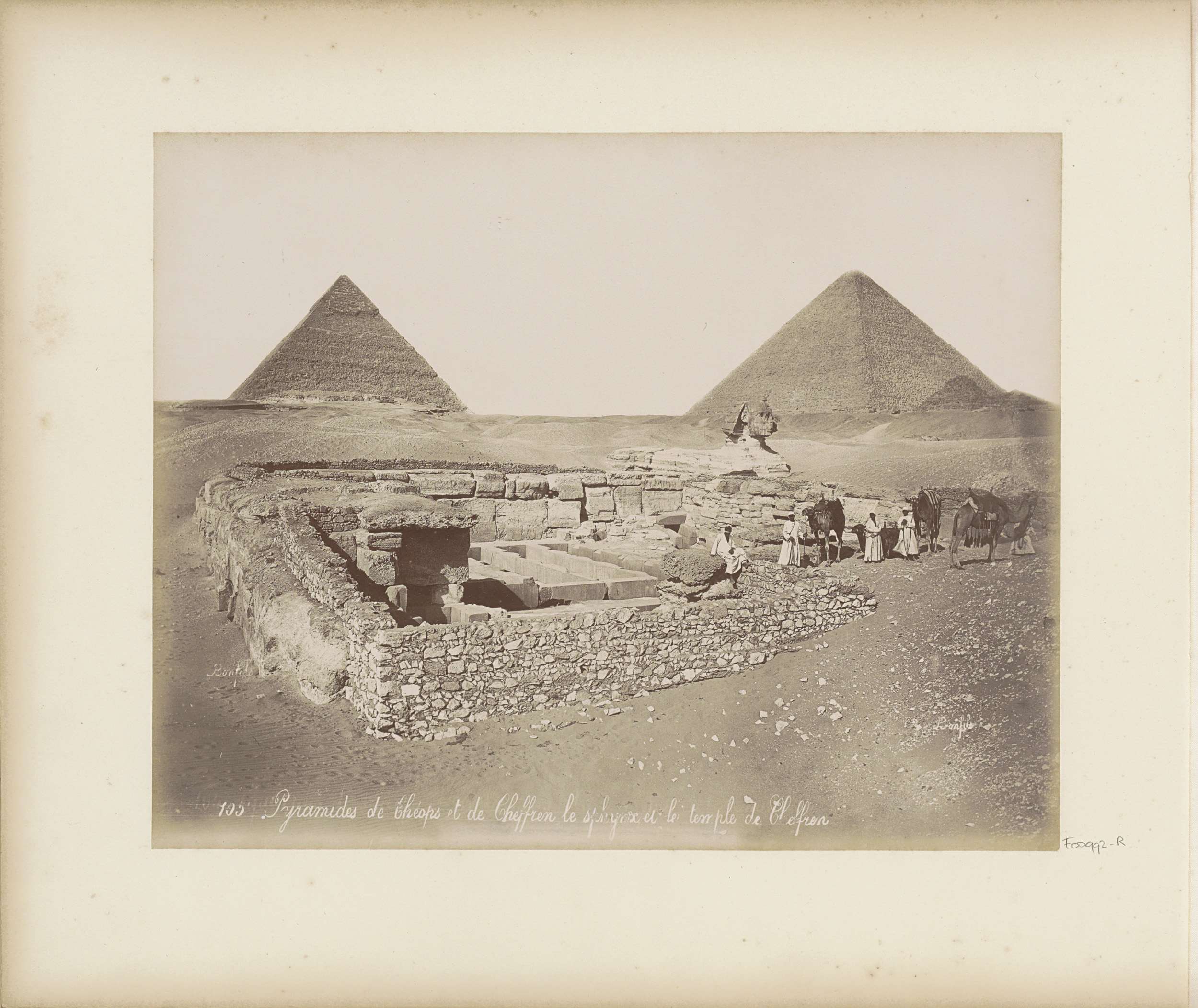
Pyramids of Cheops and Chephren and the Sphinx at Giza
 Artifact
Primary source
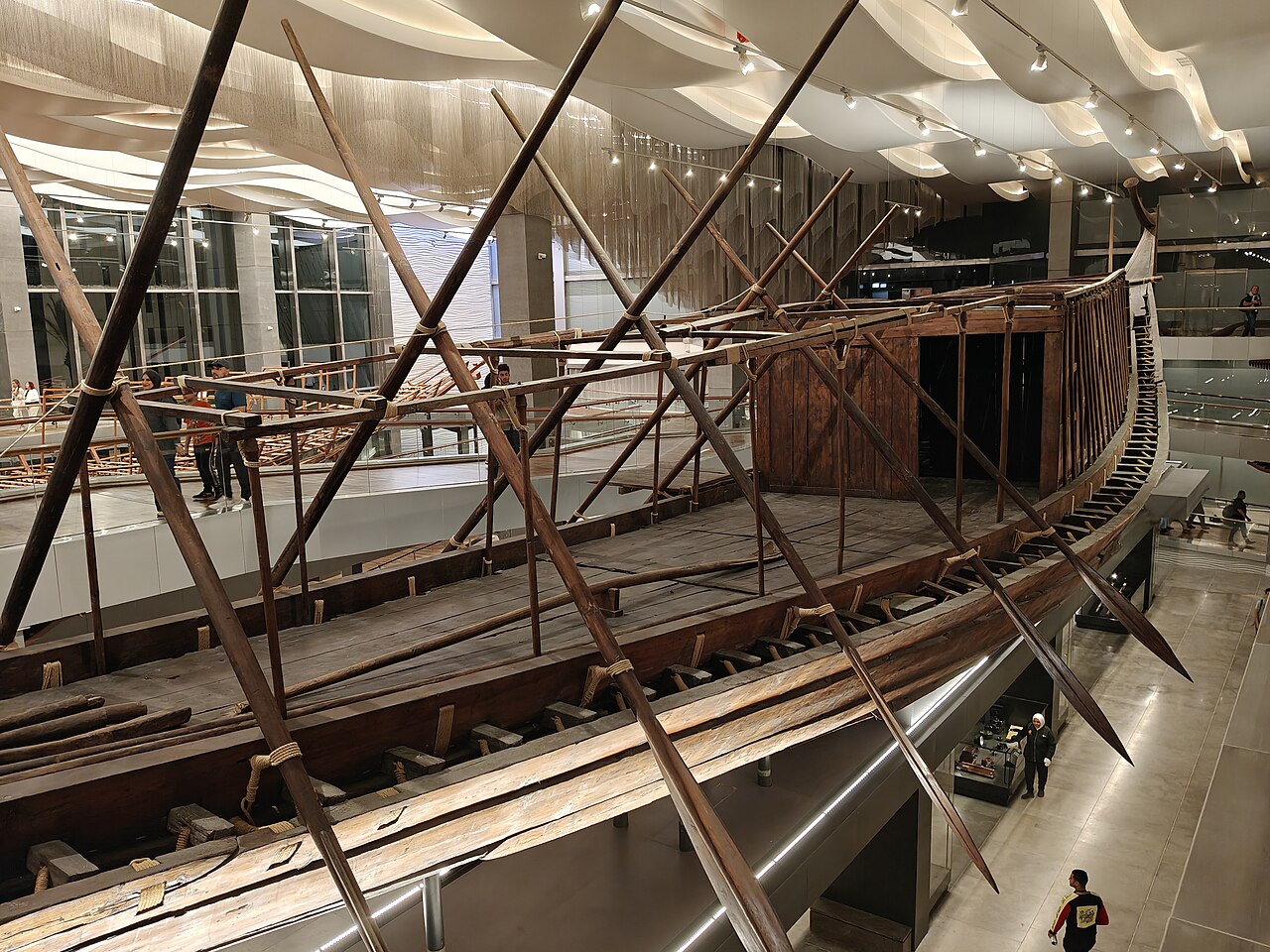
Khufu ship
Royal shipwrights of Khufu · c. 2566 BCE
Ready when you are
Start chatting with Pharaoh Khufu (Cheops) now.
20 messages free · No credit card · Available in 50+ languages.