


Primary sourceSculpturec. 2600–2494 BCE (possibly later, 664–525 BCE)
Khufu Statuette
c. 2600–2494 BCE (possibly later, 664–525 BCE)
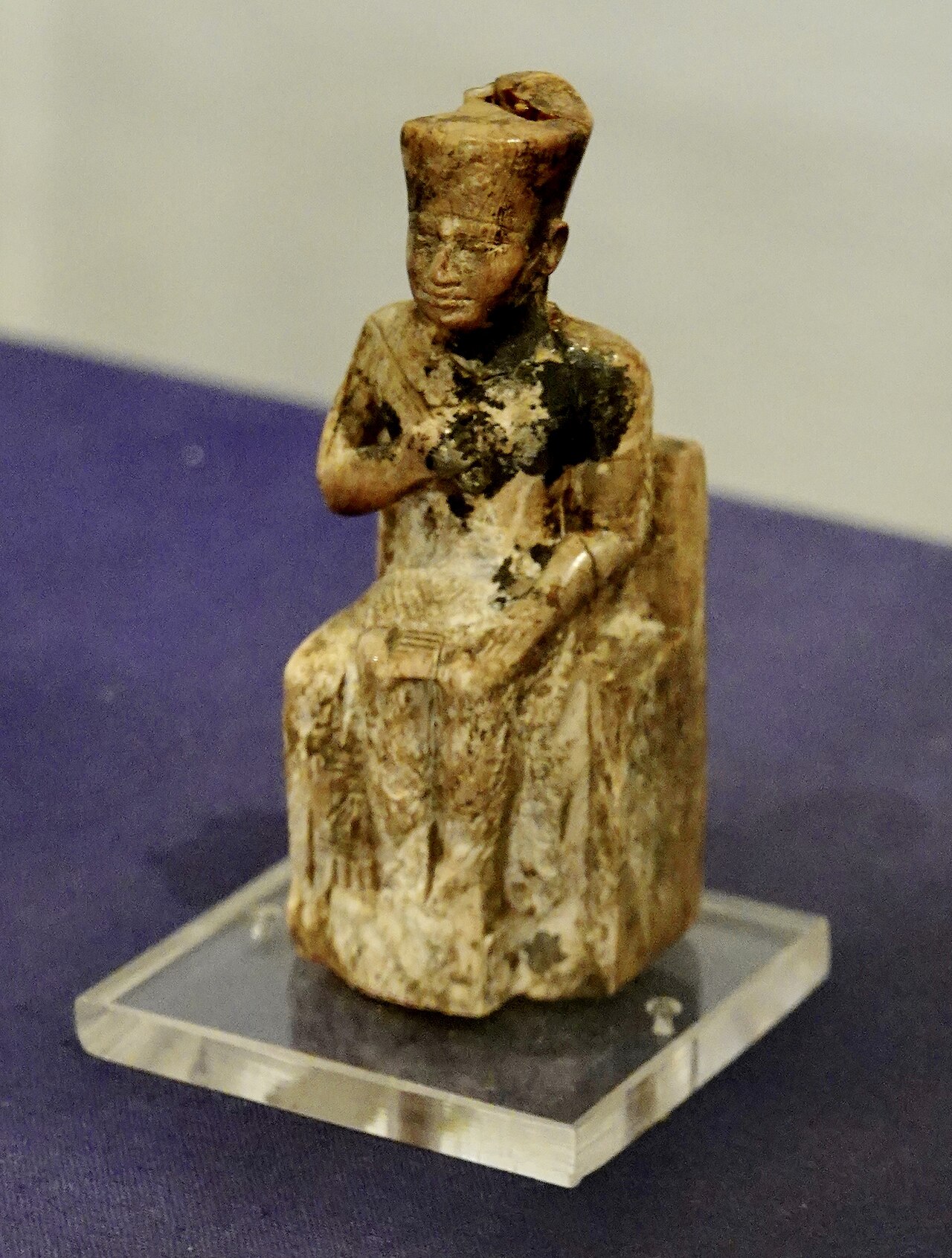
A tiny ivory figure of a seated king wearing the red crown, identified by inscription as Khufu, found at Abydos in 1903.
This is the only known near-complete sculpted portrait of Khufu himself, central evidence for how he was depicted.
About this source
What it is
This small ivory statuette, about 7.5 cm tall, shows a seated king wearing the red crown of Lower Egypt and holding a flail. Inscriptions name him as Khufu. It was discovered in 1903 by archaeologist Flinders Petrie at Abydos, found headless at first until the head turned up after careful sifting of debris. It is now in the Egyptian Museum in Cairo.
Why it matters
This is the only surviving near-complete three-dimensional image of Khufu, strikingly small compared to the vast scale of his pyramid. Most Egyptologists think it was made during or close to his reign, though the unusual find circumstances have led some, including Egyptologist Zahi Hawass, to argue it may be centuries later. The debate shows how historians weigh evidence and disagree over dating ancient objects.
Look closer
- Why might such a powerful king be shown in such a tiny object?
- What details—crown, flail, inscription—help identify this as Khufu?
- Why do historians disagree about when this statuette was actually made?
This sculpture is part of the curated material that grounds the AI version of Pharaoh Khufu (Cheops) on Humy.ai — when students ask about related events, the AI can quote it and cite it.
More Pharaoh Khufu (Cheops) sources
Meet the AI Pharaoh Khufu (Cheops) →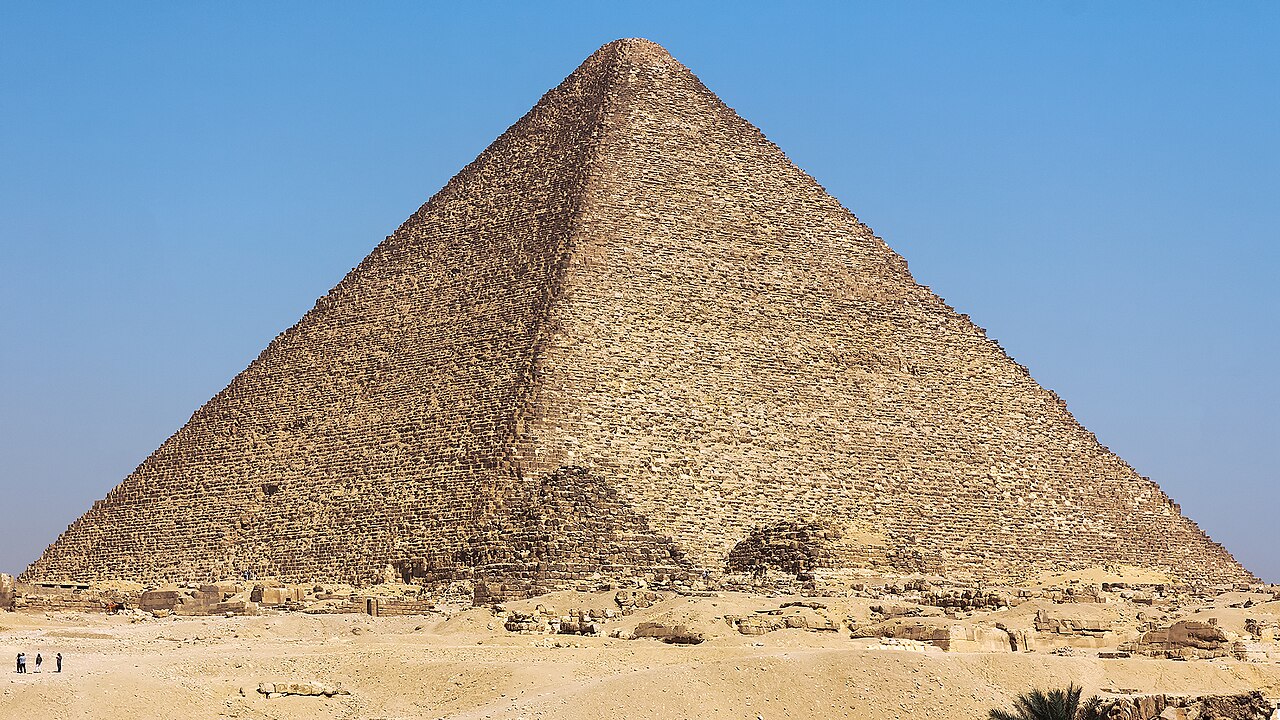 Artifact
Primary source
Great Pyramid of Giza
c. 2560 BCE
 Photograph
Secondary source
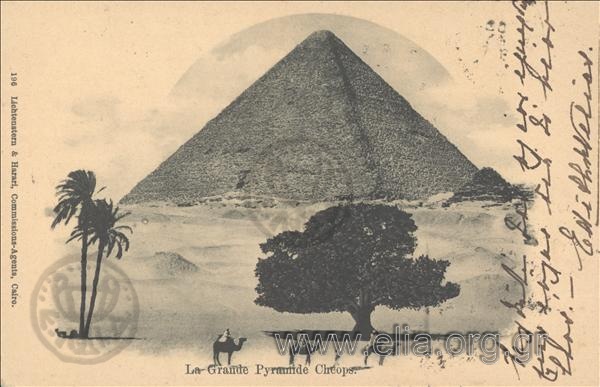
La Grande Pyramide Cheops
1903
 Photograph
Secondary source
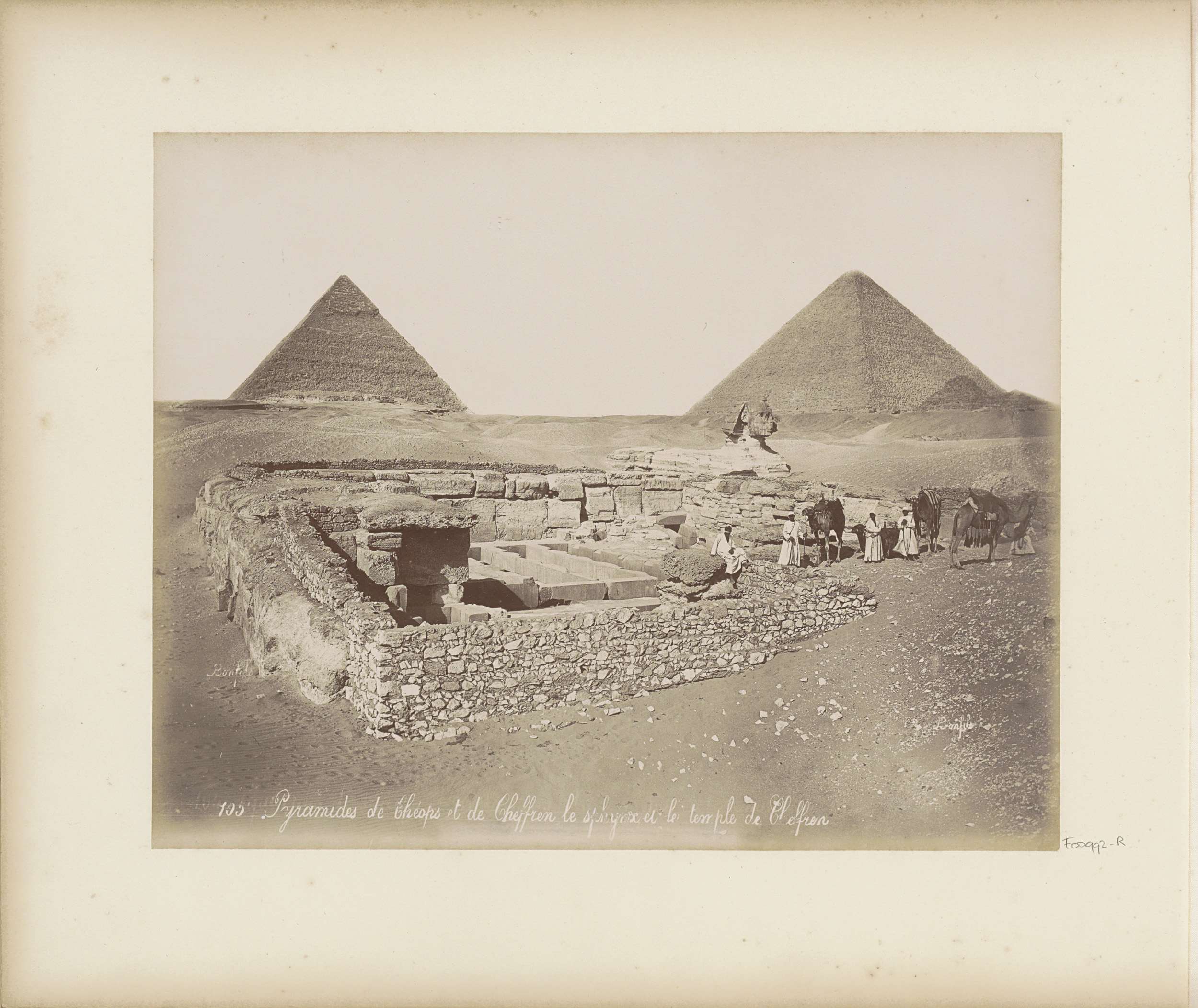
Pyramids of Cheops and Chephren and the Sphinx at Giza
 Artifact
Primary source
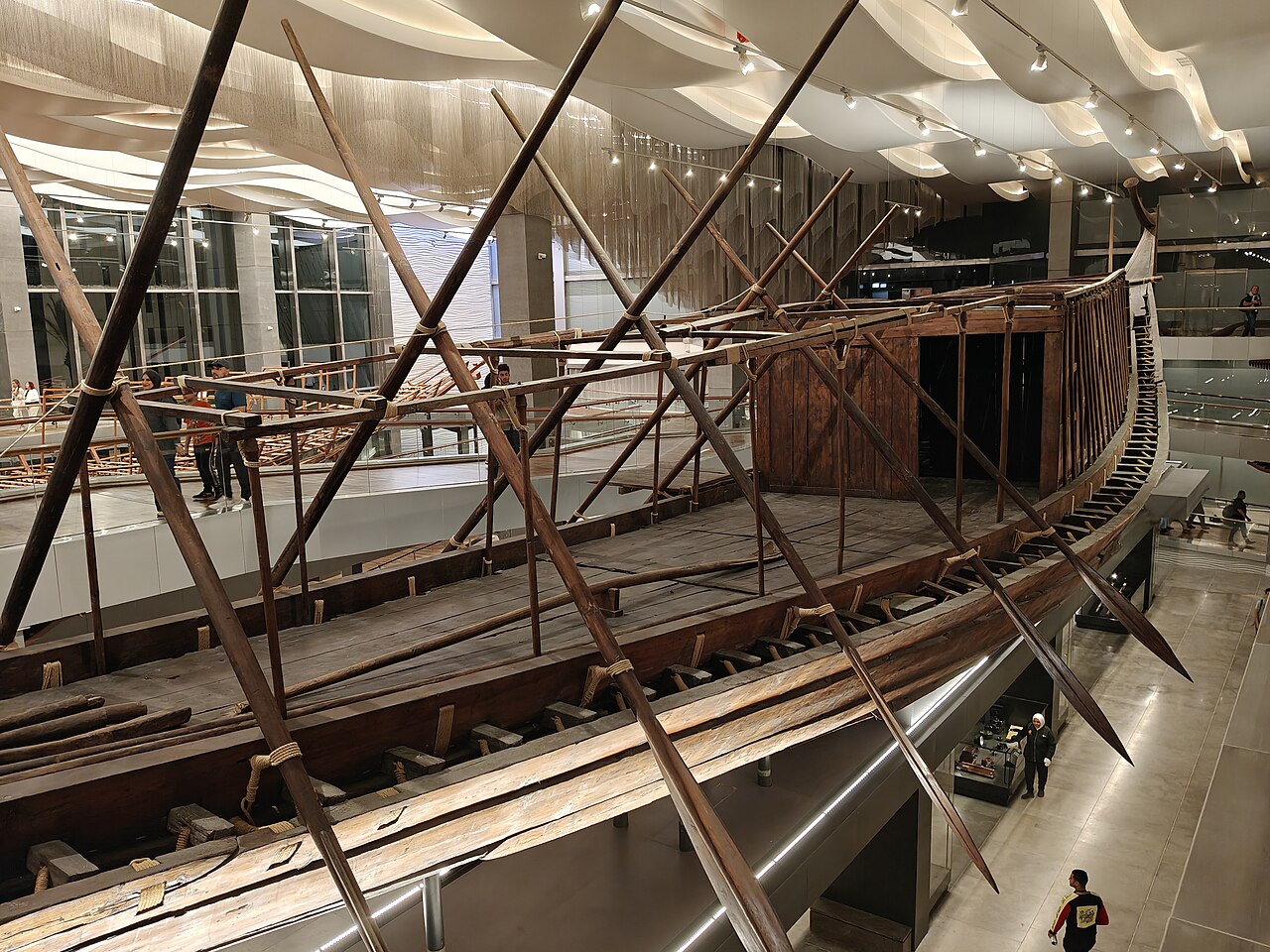
Khufu ship
Royal shipwrights of Khufu · c. 2566 BCE
 Book
Secondary source
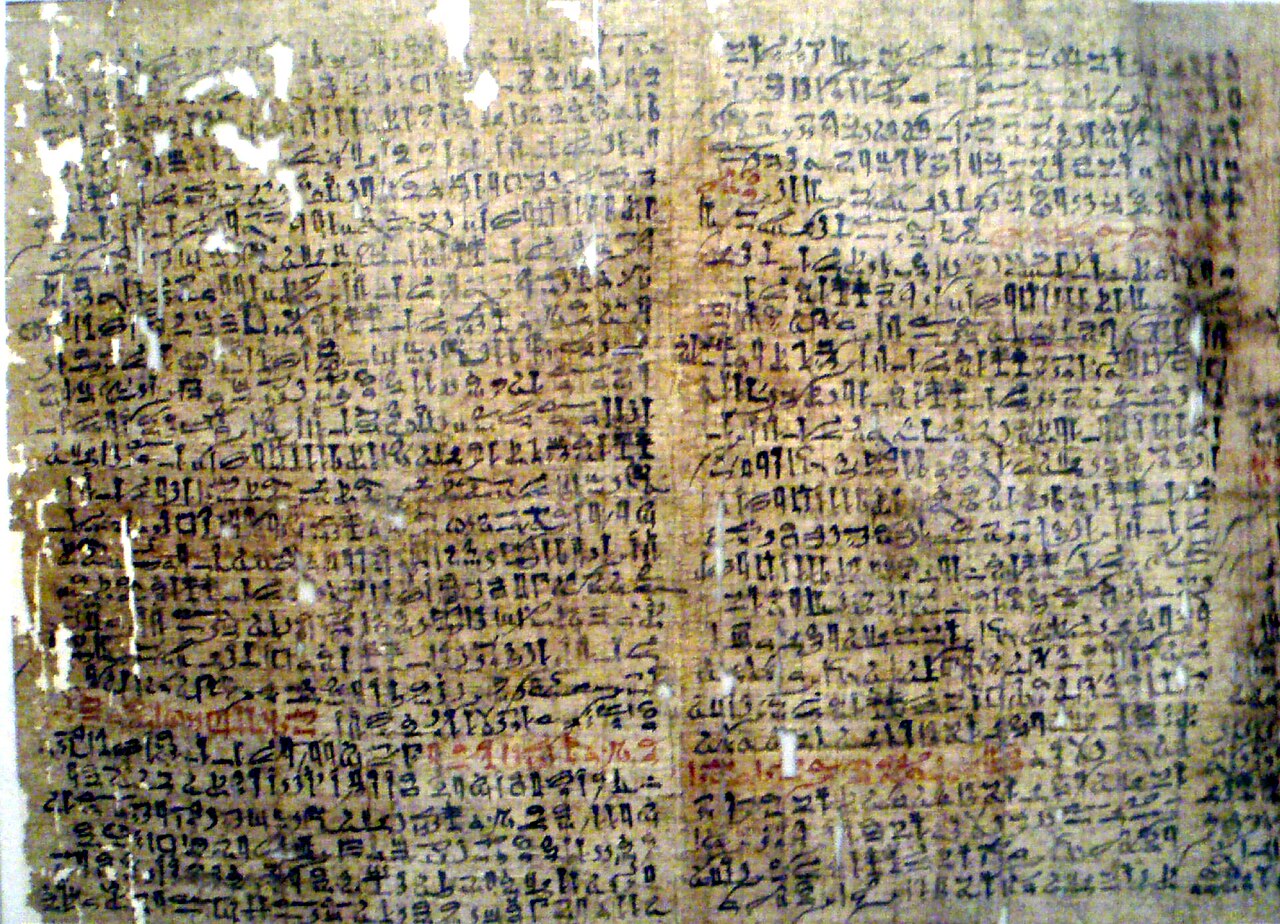
Westcar Papyrus
c. 1800 BCE
Ready when you are
Start chatting with Pharaoh Khufu (Cheops) now.
20 messages free · No credit card · Available in 50+ languages.