


Primary sourceBook
Alcibiades I
Plato (attributed)
A dialogue attributed to Plato in which Socrates addresses the young Alcibiades, son of Cleinias, about his pride and the admirers who have left him. Its authenticity is debated.
Attributed to Plato, this dialogue portrays Socrates speaking to Alcibiades about pride and self-knowledge, which is why it appears in Plato's archive.
About this source
What it is
This is the opening of the dialogue Alcibiades I, attributed to Plato. Wikisource lists it among works whose authenticity is debated, so scholars do not agree that Plato wrote it. Socrates speaks to Alcibiades, son of Cleinias, and says he has been silent for many years because he was hindered by a power more than human. He describes how Alcibiades's admirers have all left him, overpowered by his pride and force of character. The text is an English translation.
Why it matters
The dialogue presents Socrates as a teacher who wants Alcibiades to understand the reasons for his own behaviour. Alcibiades was a well-known Athenian, and the dialogue links him to Socrates and to the Socratic themes of self-knowledge, which the curator's note highlights. Because its authorship is uncertain, it also shows how later readers attached Plato's name and ideas to works of disputed origin.
Look closer
- Socrates describes Alcibiades's admirers and his pride. How does the speaker describe the relationship between them, and what does that suggest about the power of looks and status?
- Why might a reader be cautious about treating this text as Plato's own work, given that its authenticity is debated?
- What does the opening leave out about Alcibiades's own voice and point of view?
This book is part of the curated material that grounds the AI version of Plato on Humy.ai — when students ask about related events, the AI can quote it and cite it.
More Plato sources
Meet the AI Plato →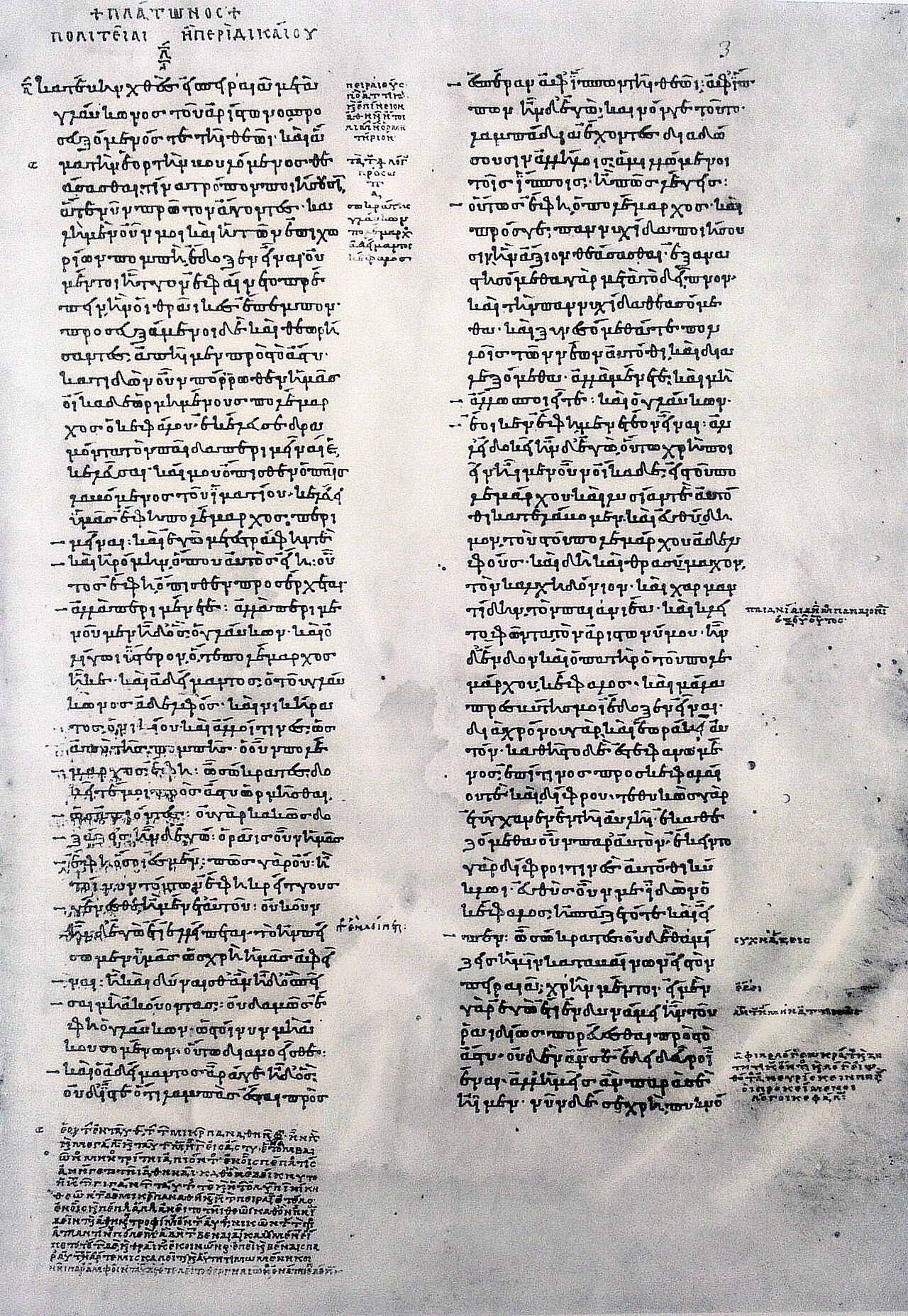 Book
Secondary source
The Republic
Plato · c. 375 BC
 Book
Primary source
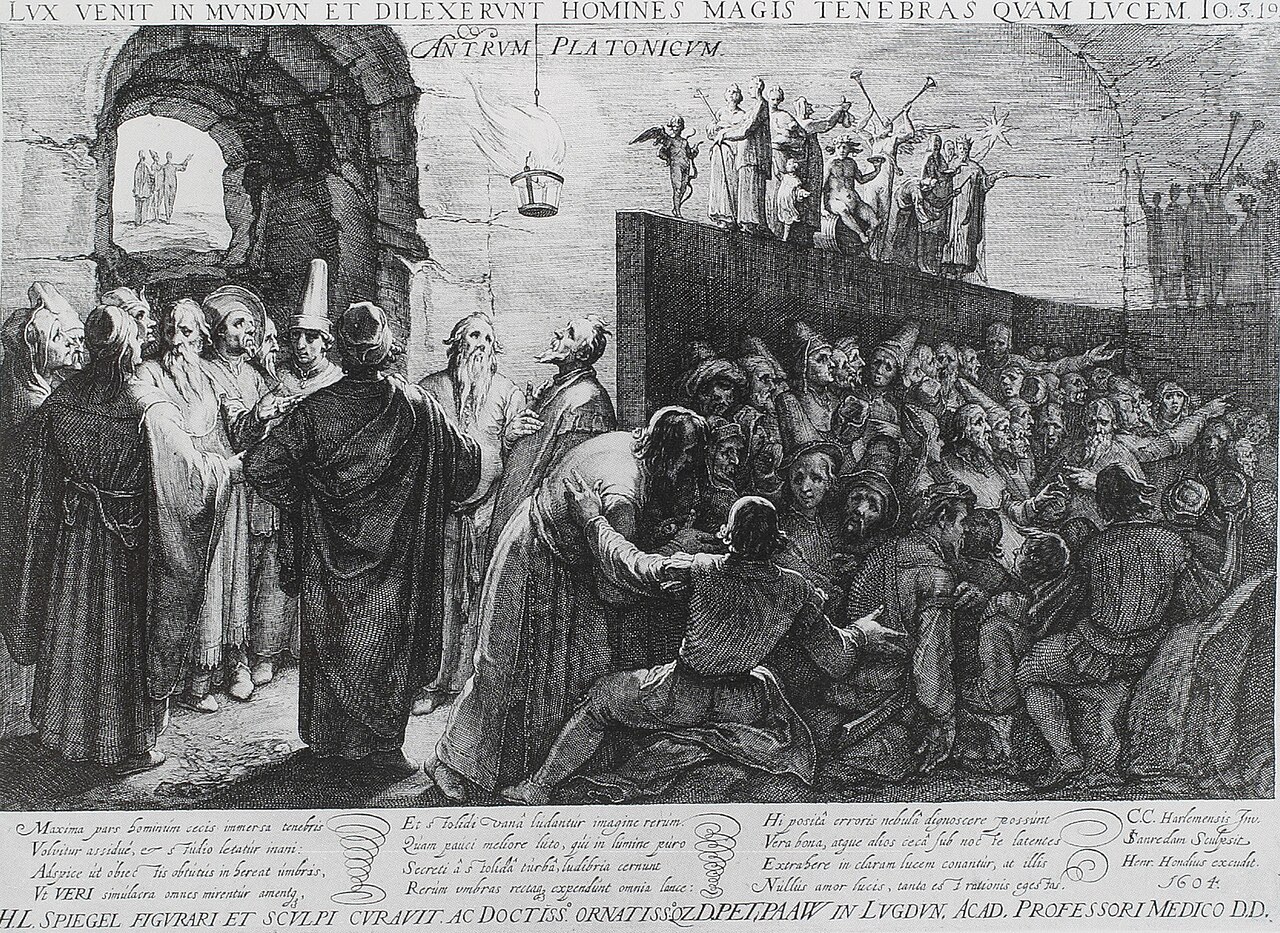
Allegory of the Cave
Plato · c. 400 BC
Secondary source
Apology
Plato · c. 395 BC
 Sculpture
Secondary source
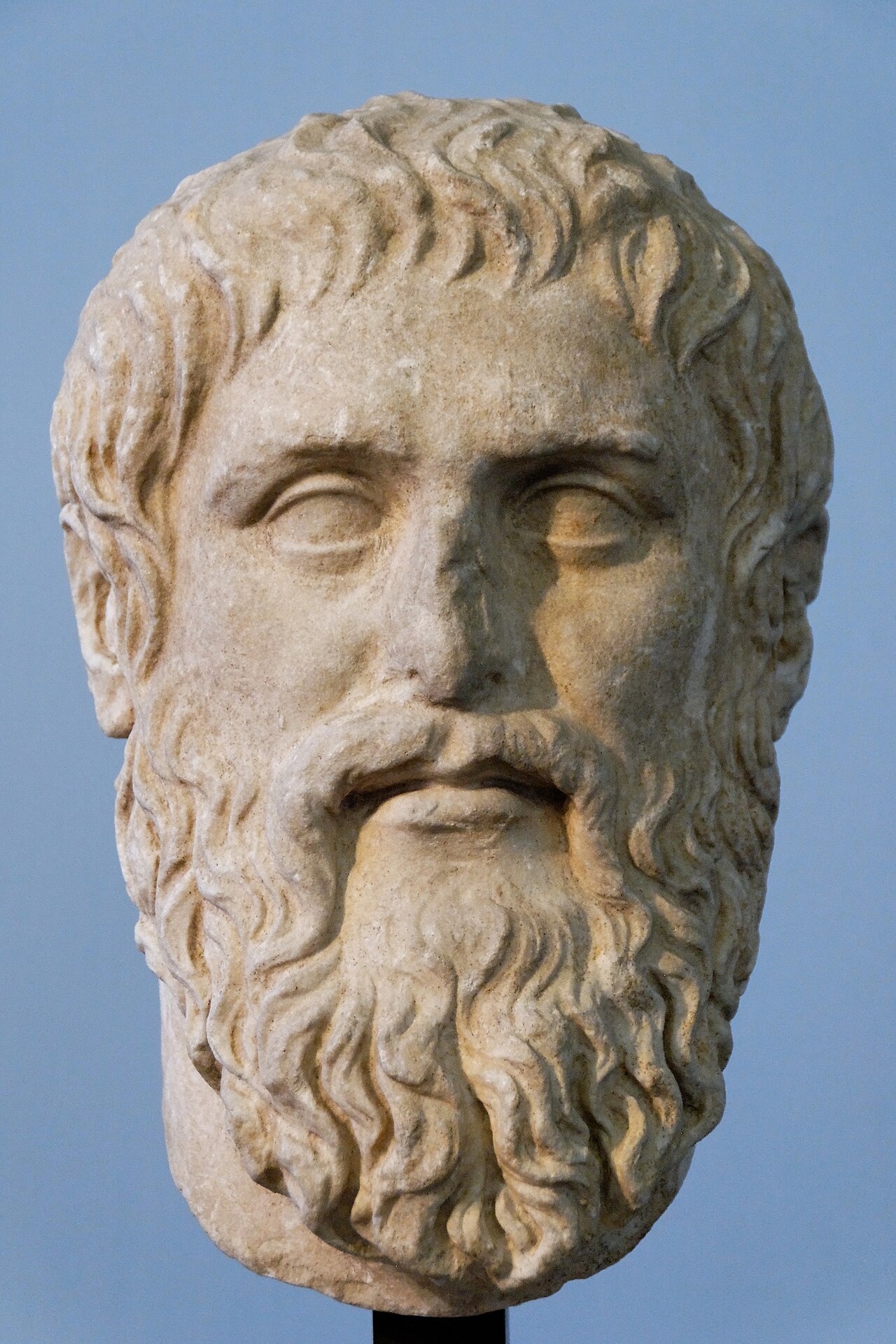
Portrait of Plato
Silanion (original type) · ca. 370 BC (original type); this copy Roman era
 Book
Secondary source
Phaedo
Plato · c. 360 BC
Ready when you are
Start chatting with Plato now.
20 messages free · No credit card · Available in 50+ languages.