


Primary sourcePainting1827
Alexander Pushkin
Orest Kiprensky · 1827
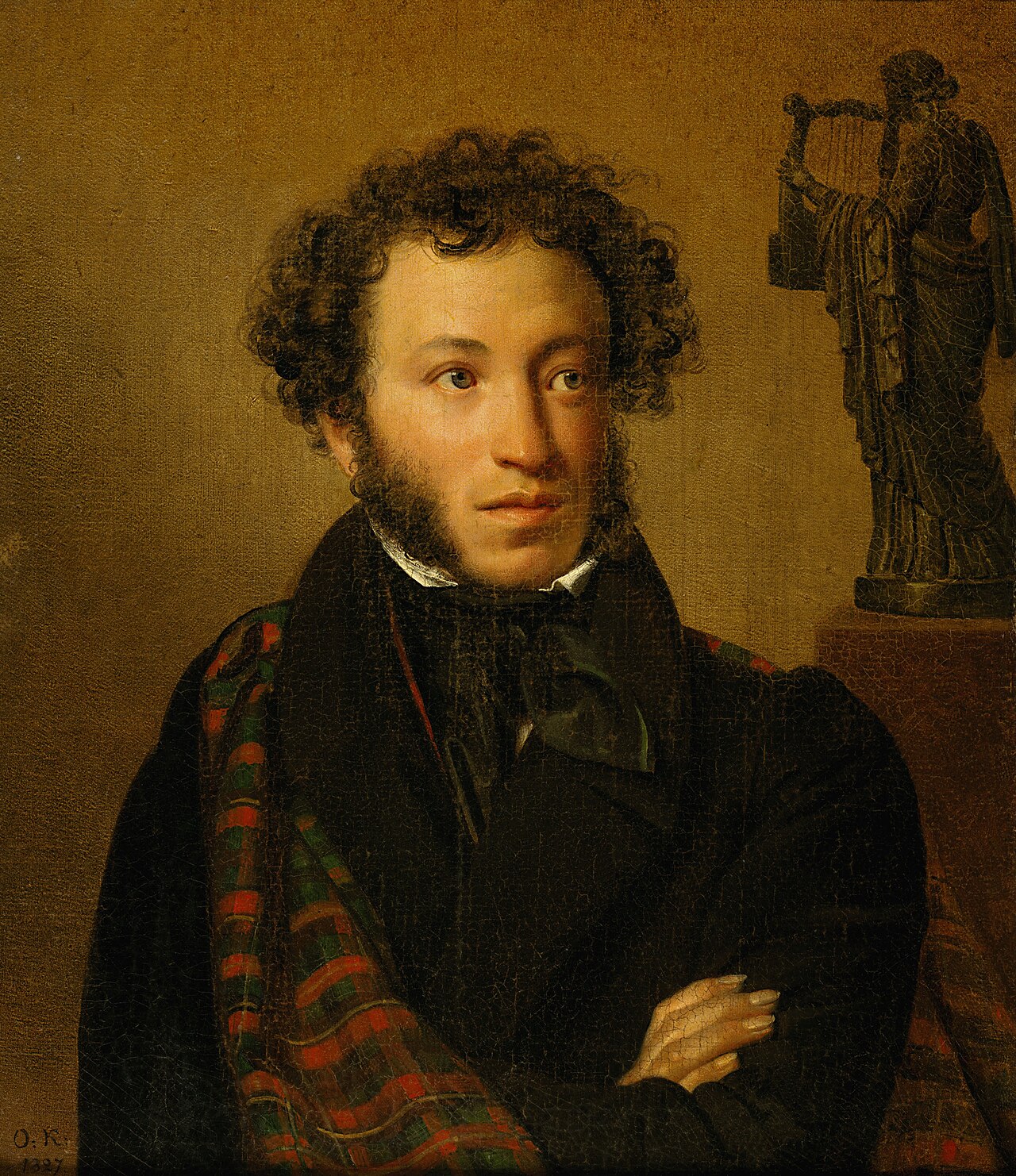
Orest Kiprensky's 1827 oil portrait of Pushkin, painted from life and praised by the poet himself as the best likeness of him.
This life portrait of Pushkin, approved by the poet himself, is the canonical image of him.
About this source
What it is
This oil portrait of Alexander Pushkin was painted by the artist Orest Kiprensky in 1827. It shows Pushkin with dark curly hair, arms crossed, wearing a dark coat and a plaid shawl, with a small bronze statue of a lyre-holding figure beside him. It is now held at the Tretyakov Gallery.
Why it matters
This portrait was made while Pushkin was alive and is considered the standard image of him, reportedly approved of by the poet himself. The statue of the figure with a lyre in the background is a symbol of poetry, linking Pushkin's image directly to his identity as Russia's leading poet. Portraits like this shaped how later generations pictured Pushkin, long before photography existed.
Look closer
- Why might Kiprensky have included the small statue with the lyre in the painting?
- What mood or personality does the artist suggest through Pushkin's pose and expression?
- How might a portrait painted from life differ from one made after someone has died?
This painting is part of the curated material that grounds the AI version of Alexander Pushkin on Humy.ai — when students ask about related events, the AI can quote it and cite it.
More Alexander Pushkin sources
Meet the AI Alexander Pushkin →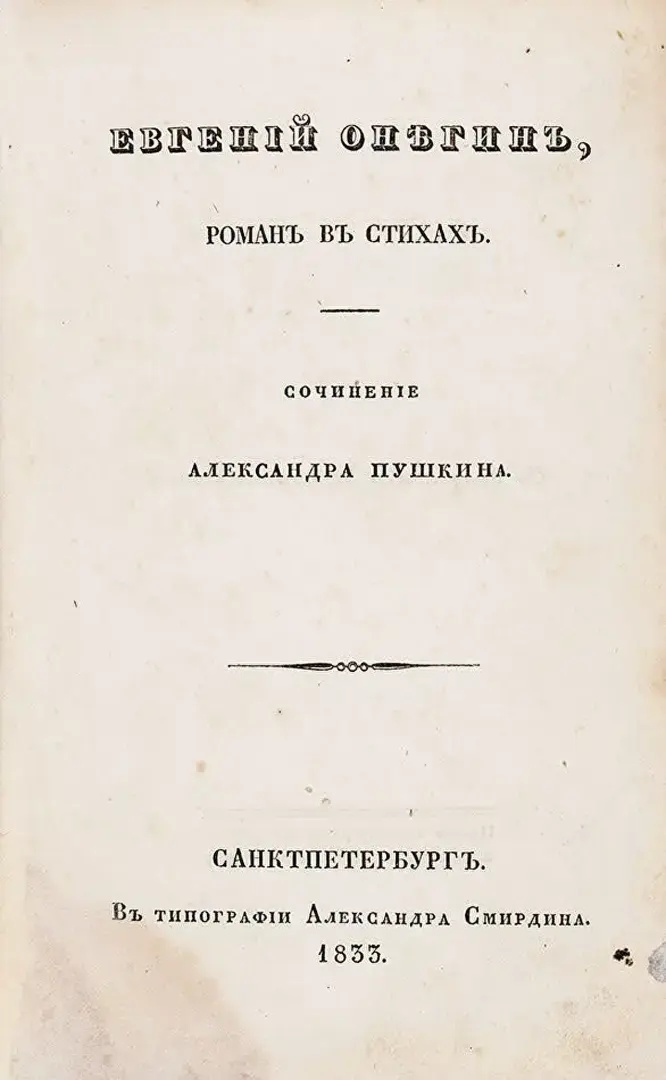 Book
Primary source
Eugene Onegin
Alexander Pushkin · 1823-1831
Primary source
Boris Godunov
Alexander Pushkin · 1825
 Book
Primary source
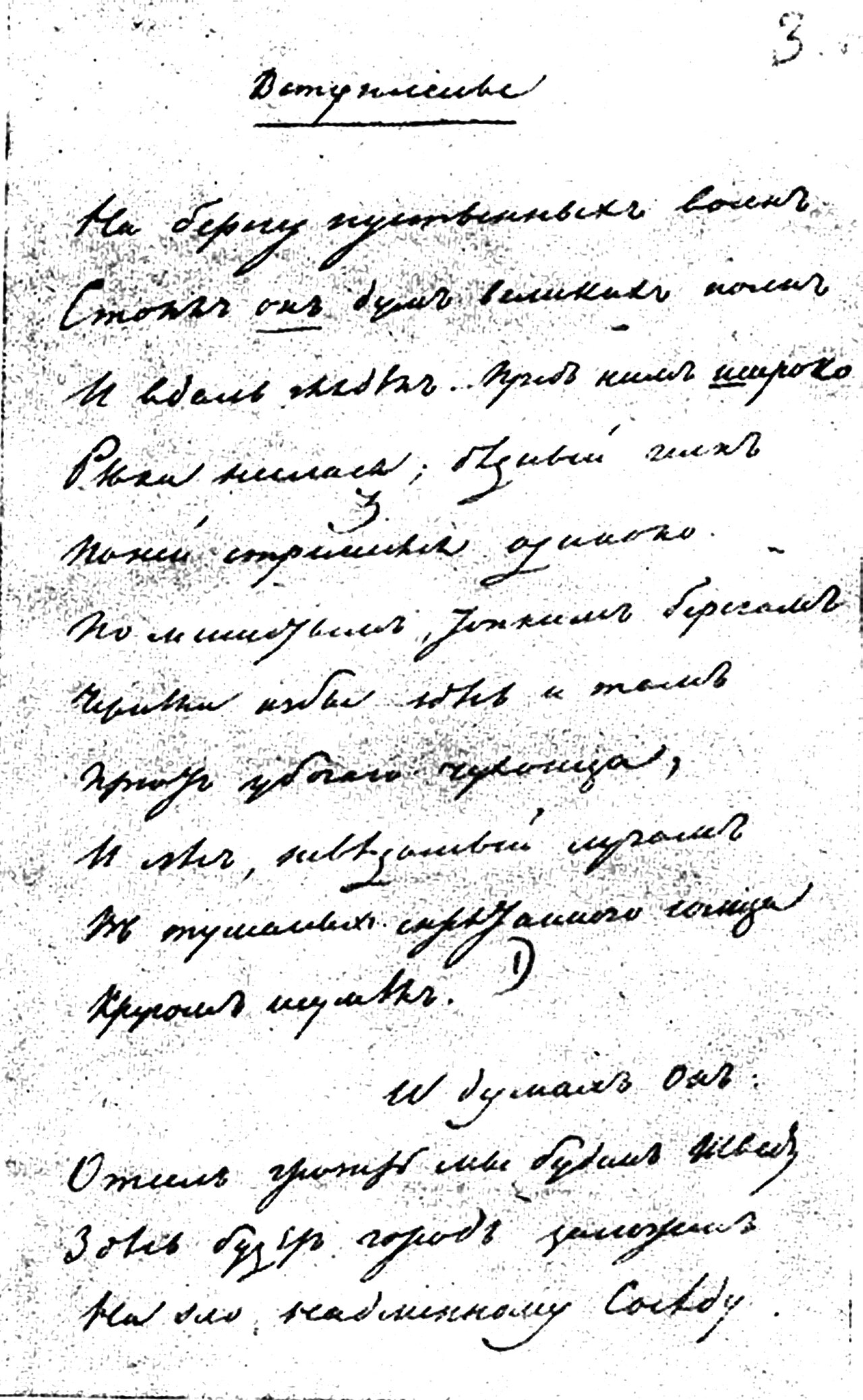
The Bronze Horseman
Alexander Pushkin · 1833
 Book
Primary source
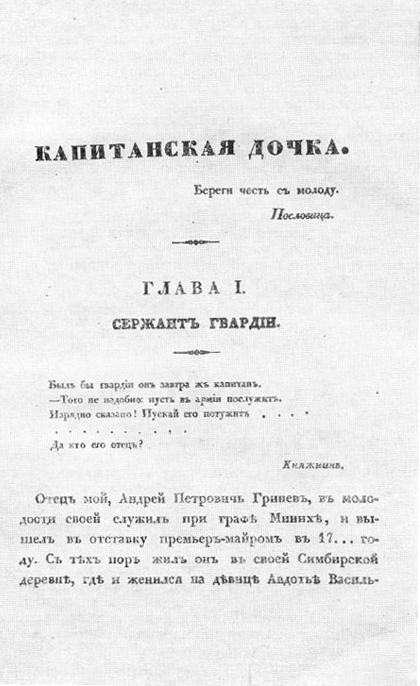
The Captain's Daughter
Alexander Pushkin · 1836
Primary source
I have erected a monument without hands
Alexander Pushkin · 21 August 1836
Ready when you are
Start chatting with Alexander Pushkin now.
20 messages free · No credit card · Available in 50+ languages.