


Primary sourceBook21 August 1836
I have erected a monument without hands
Alexander Pushkin · 21 August 1836
Pushkin's 1836 poem reflecting on his own legacy as a poet, claiming he praised freedom in a cruel age.
In this poem Pushkin himself sums up his legacy as a poet shortly before his death.
About this source
What it is
This poem, often known by its Latin title 'Exegi monumentum', was written by Alexander Pushkin in 1836, close to the end of his life. In it he compares his poetic legacy to a monument that will outlast stone structures.
Why it matters
Pushkin declares that he will be remembered across Russia for stirring good feelings through poetry, and specifically for having 'praised freedom in a cruel age' and shown mercy to the fallen. Written not long before his death, the poem reads as Pushkin's own verdict on what he hoped his writing had achieved, under a political system that had censored and exiled him.
Look closer
- Why might Pushkin have chosen to write his own epitaph in verse rather than leave that judgment to others?
- What does his claim to have 'praised freedom' suggest about the risks he took as a writer?
- How might this poem be read differently knowing Pushkin died soon after writing it?
This book is part of the curated material that grounds the AI version of Alexander Pushkin on Humy.ai — when students ask about related events, the AI can quote it and cite it.
More Alexander Pushkin sources
Meet the AI Alexander Pushkin →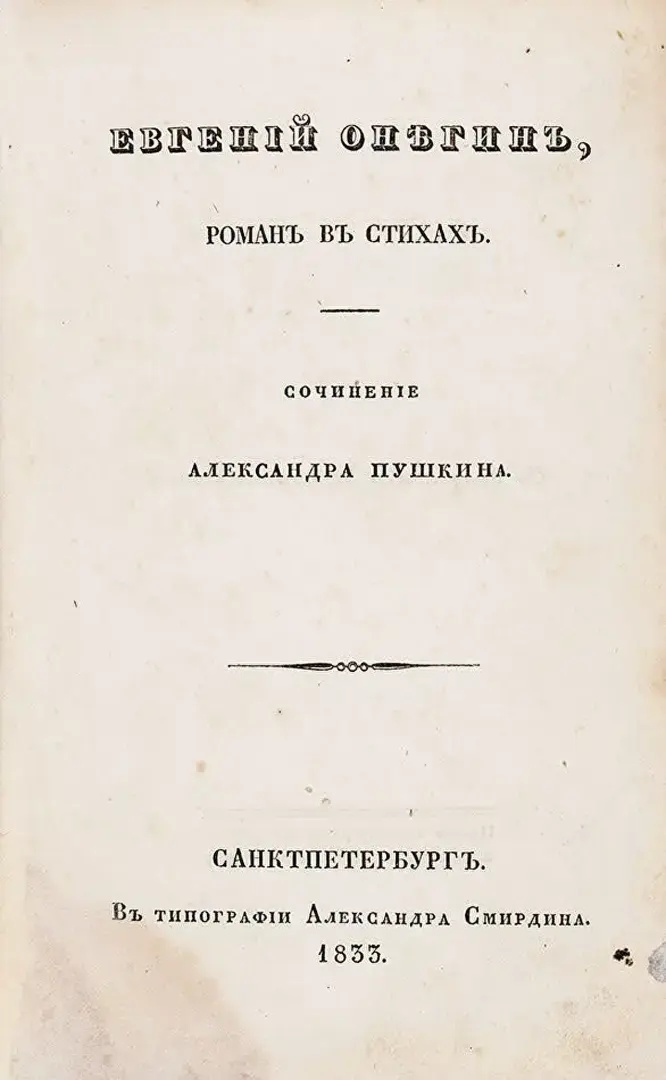 Book
Primary source
Eugene Onegin
Alexander Pushkin · 1823-1831
Primary source
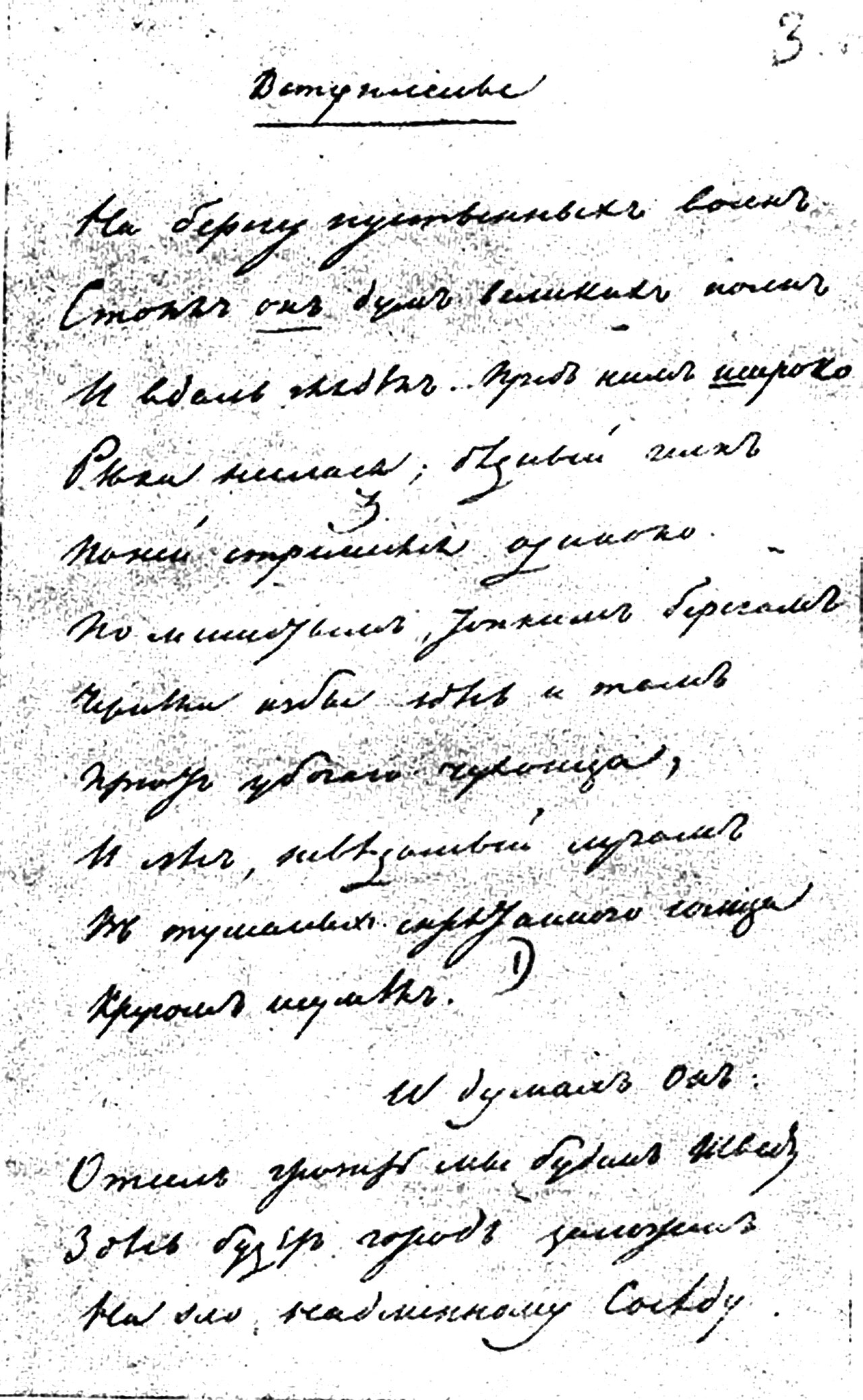
Boris Godunov
Alexander Pushkin · 1825
 Book
Primary source
The Bronze Horseman
Alexander Pushkin · 1833
 Book
Primary source
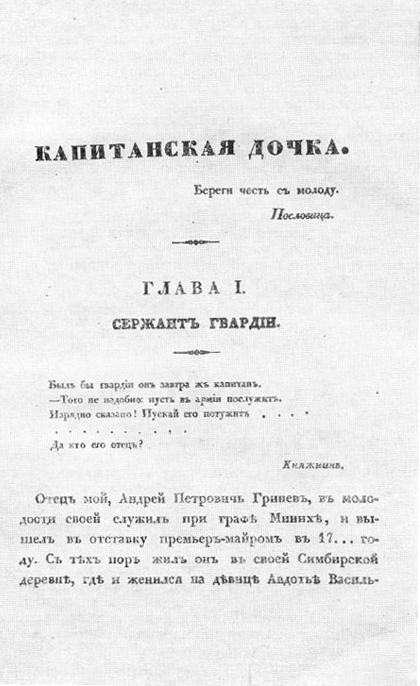
The Captain's Daughter
Alexander Pushkin · 1836
 Painting
Primary source
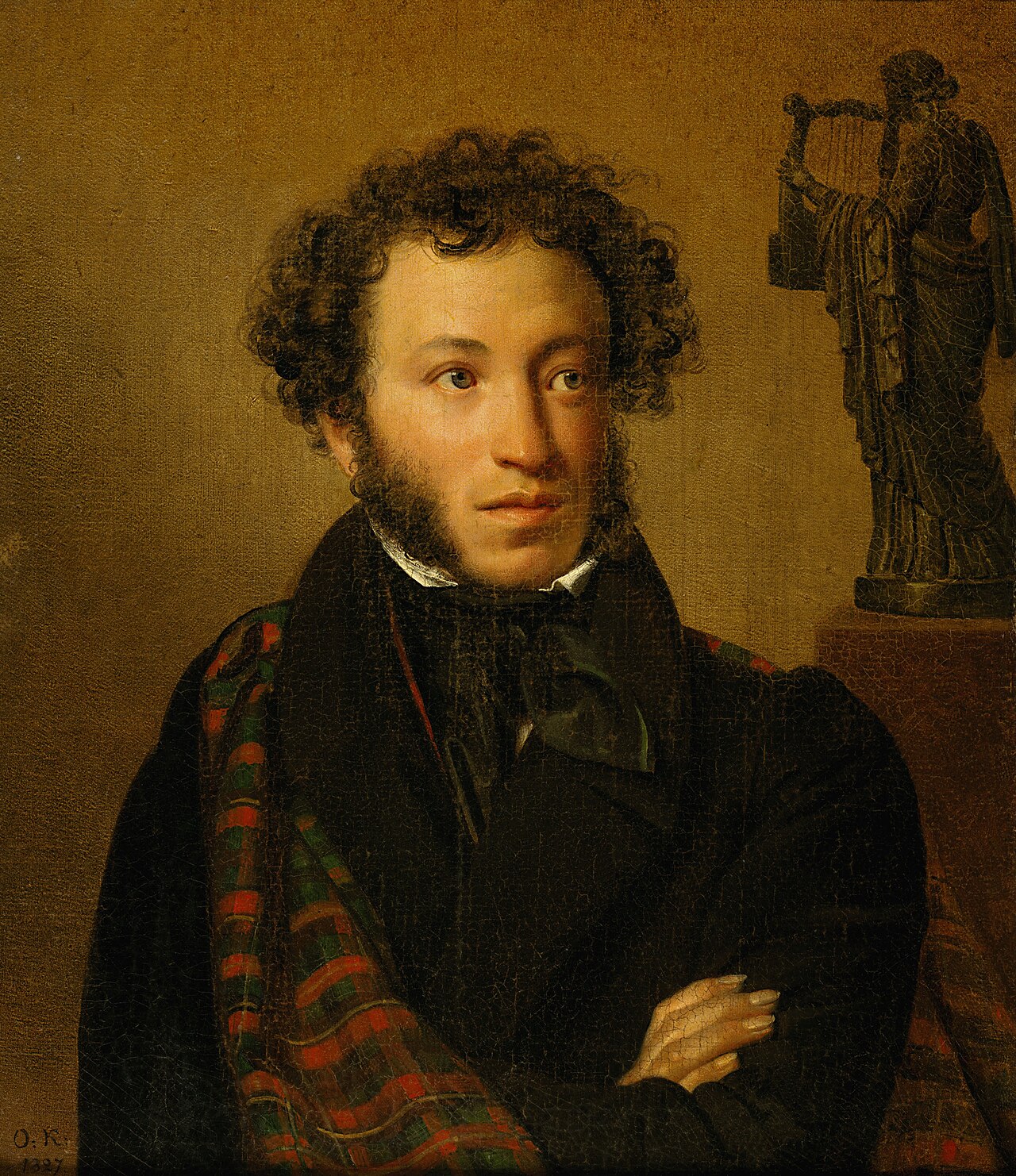
Alexander Pushkin
Orest Kiprensky · 1827
Ready when you are
Start chatting with Alexander Pushkin now.
20 messages free · No credit card · Available in 50+ languages.