


Primary sourceBook1825
Boris Godunov
Alexander Pushkin · 1825
Pushkin's Shakespearean-style history play about Tsar Boris Godunov, written during his exile and held back by censors for years.
Pushkin wrote this history play himself during his exile, using it to explore power and legitimacy.
About this source
What it is
Boris Godunov is a play in blank verse written by Alexander Pushkin in 1825, while he was exiled on his family's estate at Mikhaylovskoye. It was not published until 1831 and the censor did not approve it for performance until 1866, with its first staging in 1870.
Why it matters
The play dramatizes the reign and death of Tsar Boris Godunov, mixing real history with the legend of a pretender claiming to be a murdered tsarevich. Pushkin said he drew on Shakespeare, the historian Nikolai Karamzin, and old Russian chronicles. The play's ending, where the crowd falls silent instead of cheering a new ruler, is often read as a comment on power and the voicelessness of ordinary people under autocracy.
Look closer
- Why do you think the authorities delayed performance of this play for decades?
- What might the crowd's silence at the end be telling the audience about Russian politics?
- How does mixing real history with invented scenes change what a play can say?
This book is part of the curated material that grounds the AI version of Alexander Pushkin on Humy.ai — when students ask about related events, the AI can quote it and cite it.
More Alexander Pushkin sources
Meet the AI Alexander Pushkin →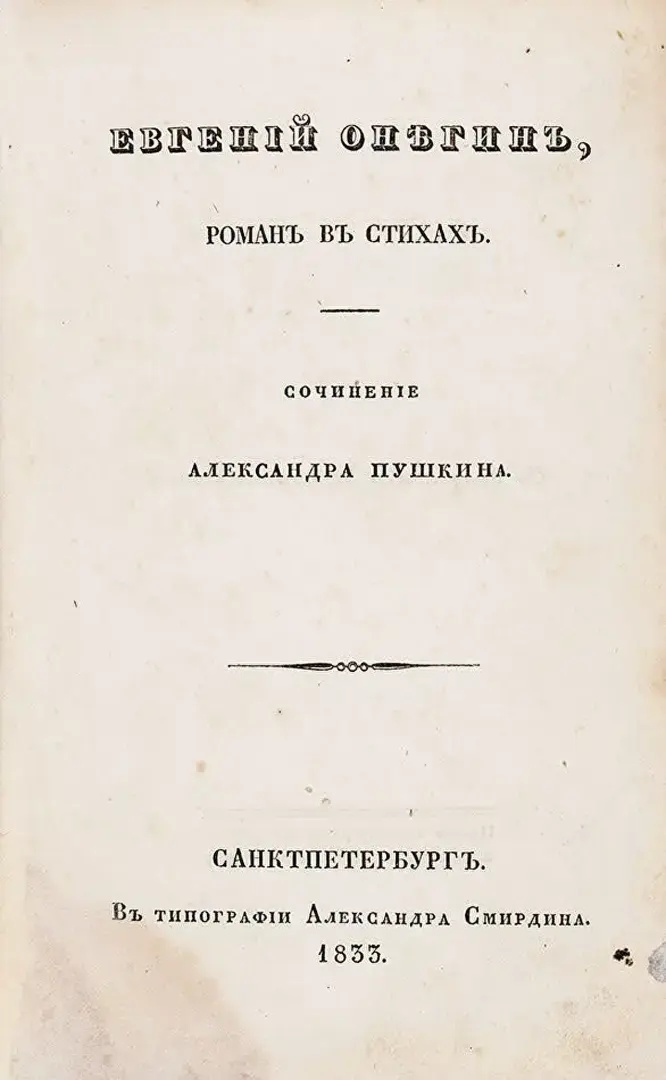 Book
Primary source
Eugene Onegin
Alexander Pushkin · 1823-1831
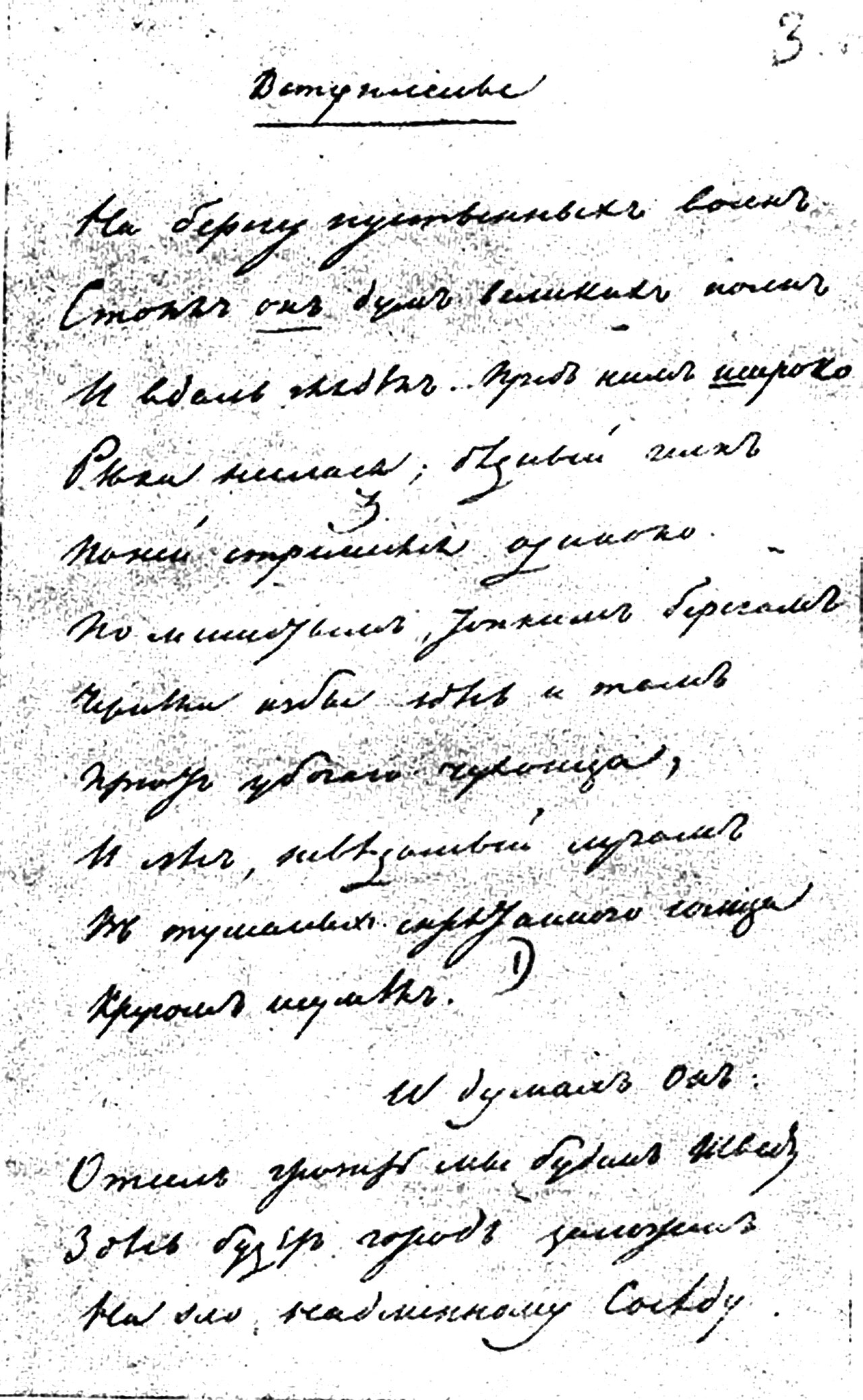 Book
Primary source
The Bronze Horseman
Alexander Pushkin · 1833
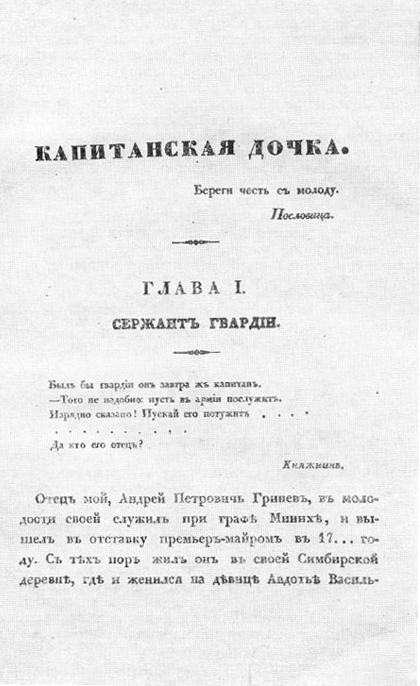 Book
Primary source
The Captain's Daughter
Alexander Pushkin · 1836
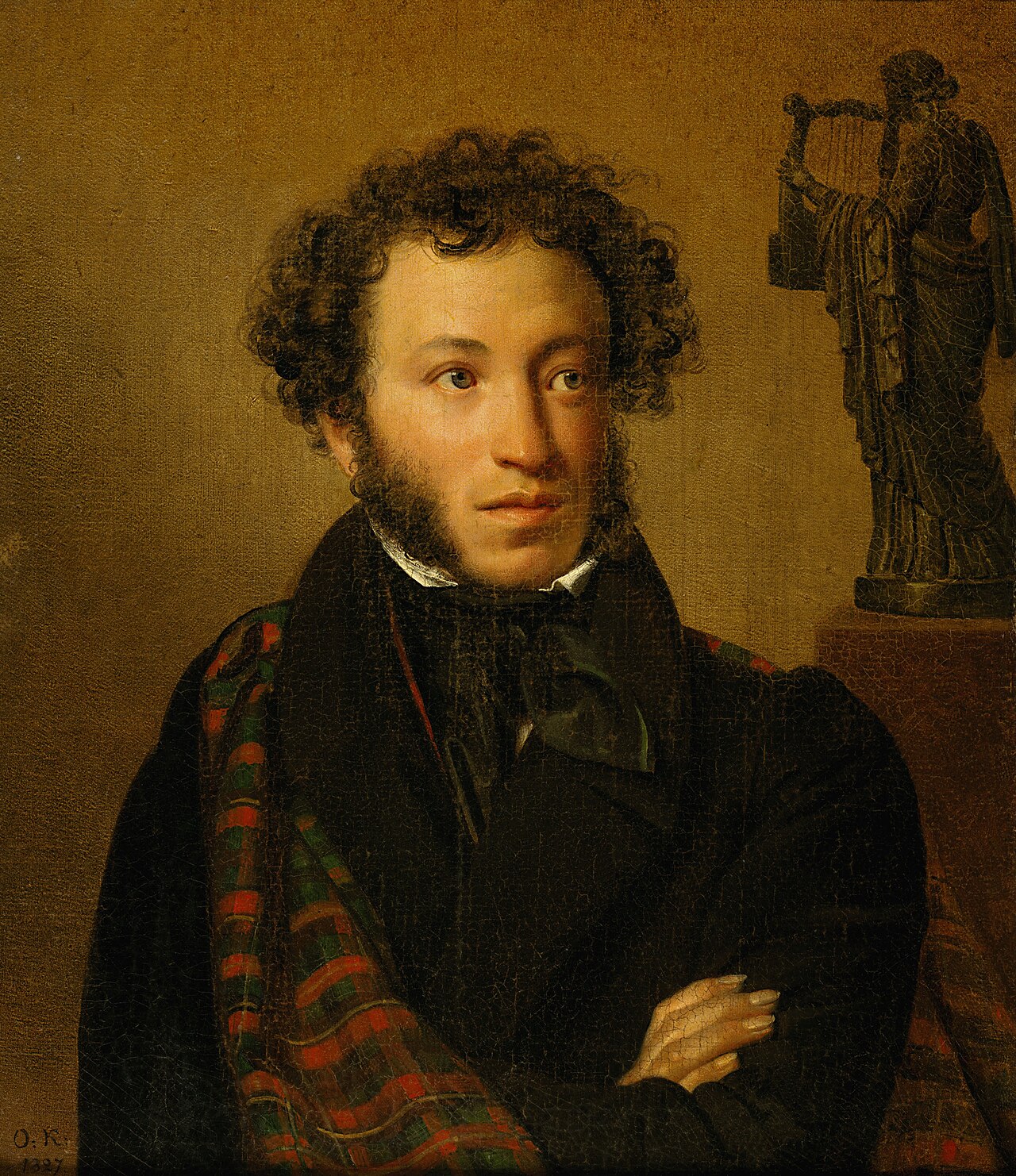 Painting
Primary source
Alexander Pushkin
Orest Kiprensky · 1827
Primary source
I have erected a monument without hands
Alexander Pushkin · 21 August 1836
Ready when you are
Start chatting with Alexander Pushkin now.
20 messages free · No credit card · Available in 50+ languages.