


Primary sourceBook1833
The Bronze Horseman
Alexander Pushkin · 1833
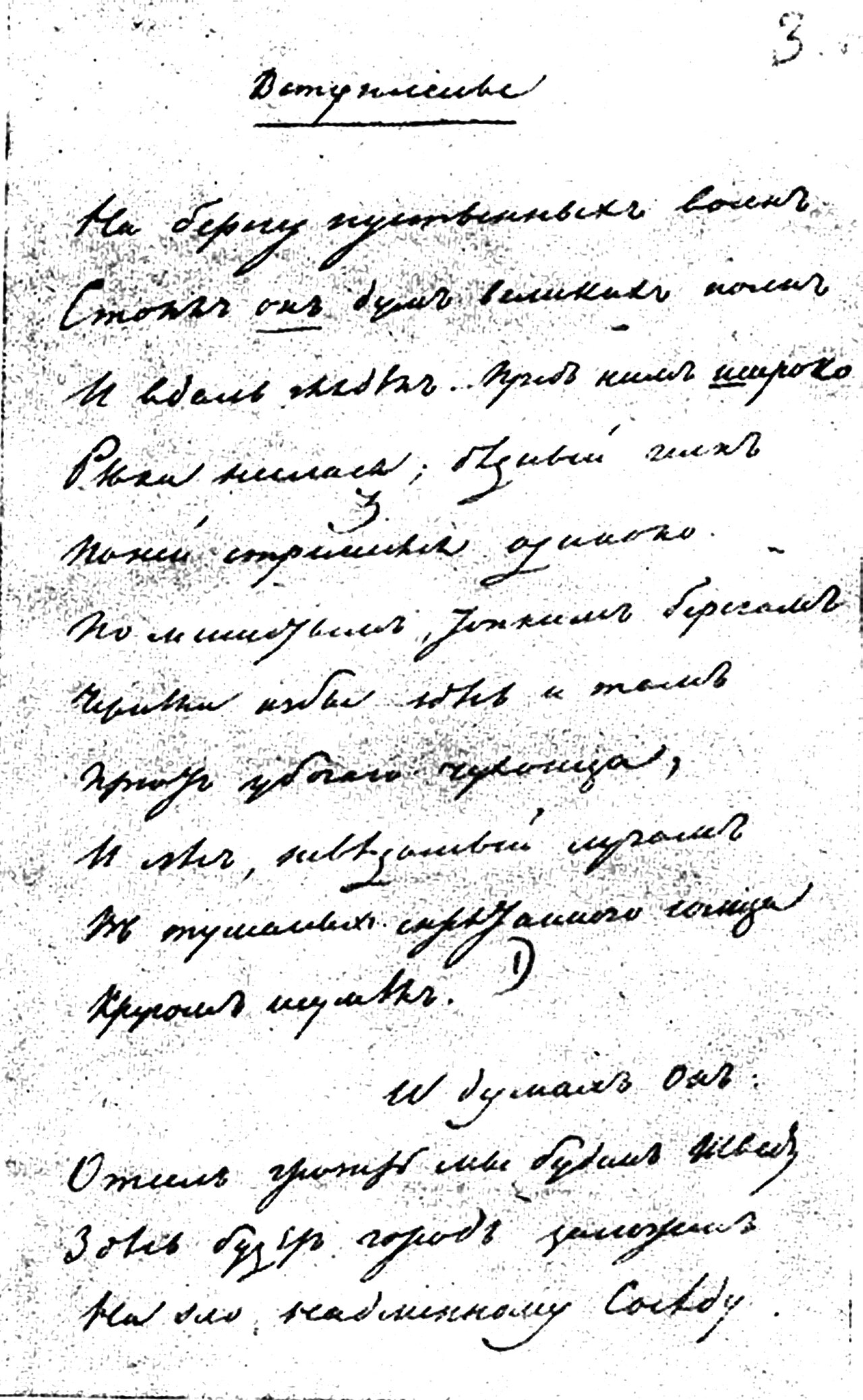
Pushkin's narrative poem about Peter the Great's statue and a flood that destroys a poor clerk's happiness, in his own hand.
This manuscript page is in Pushkin's own hand, showing him composing his most acclaimed narrative poem.
About this source
What it is
The Bronze Horseman is a narrative poem written by Alexander Pushkin in 1833, inspired by the equestrian statue of Peter the Great in Saint Petersburg and the great flood of 1824. Because of censorship, it was not published in full until after Pushkin's death. This manuscript page shows his handwritten opening lines.
Why it matters
The poem contrasts Peter the Great's grand vision for a new capital with the suffering of an ordinary man, Evgenii, whose life is wrecked by the flood and who is then haunted by the statue itself. It is considered one of the most influential poems in Russian literature and shows Pushkin wrestling with the cost of state power to individual people, a daring subject under strict censorship.
Look closer
- Why might Pushkin have hidden his criticism of state power inside a poem about a statue and a flood?
- What does the fate of Evgenii suggest about ordinary people in the shadow of grand historical projects?
- What can you tell about how Pushkin worked from seeing his crossed-out lines and notes?
This book is part of the curated material that grounds the AI version of Alexander Pushkin on Humy.ai — when students ask about related events, the AI can quote it and cite it.
More Alexander Pushkin sources
Meet the AI Alexander Pushkin →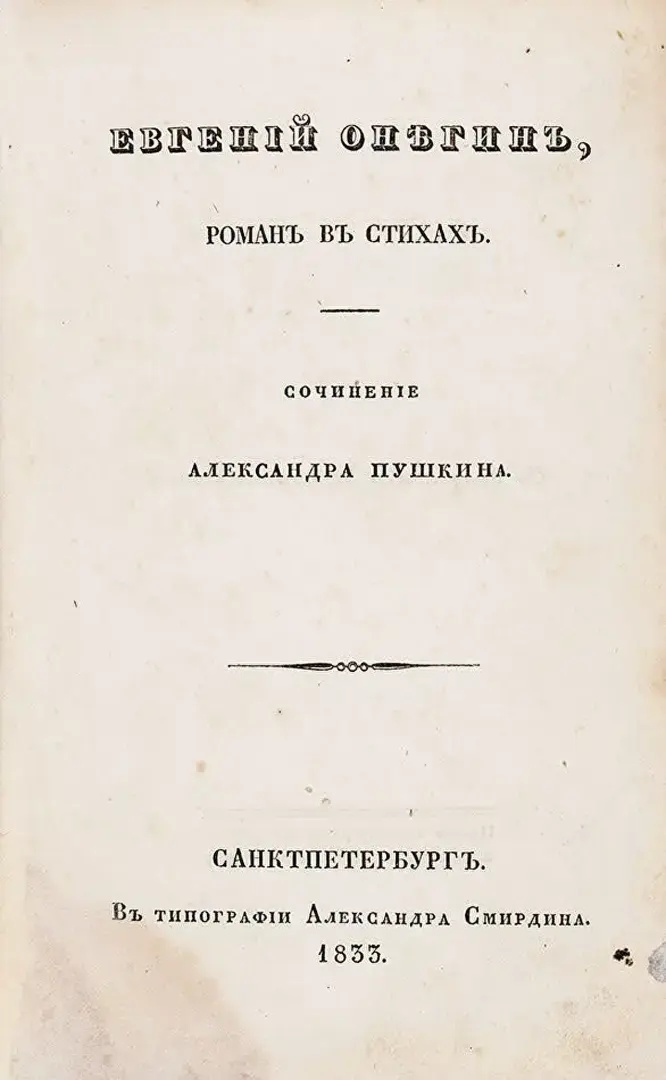 Book
Primary source
Eugene Onegin
Alexander Pushkin · 1823-1831
Primary source
Boris Godunov
Alexander Pushkin · 1825
 Book
Primary source
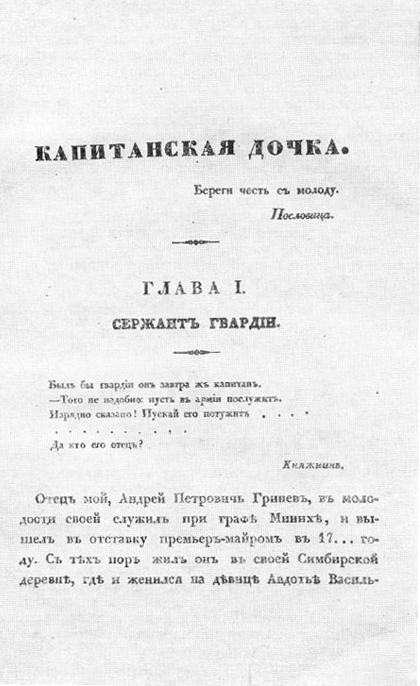
The Captain's Daughter
Alexander Pushkin · 1836
 Painting
Primary source
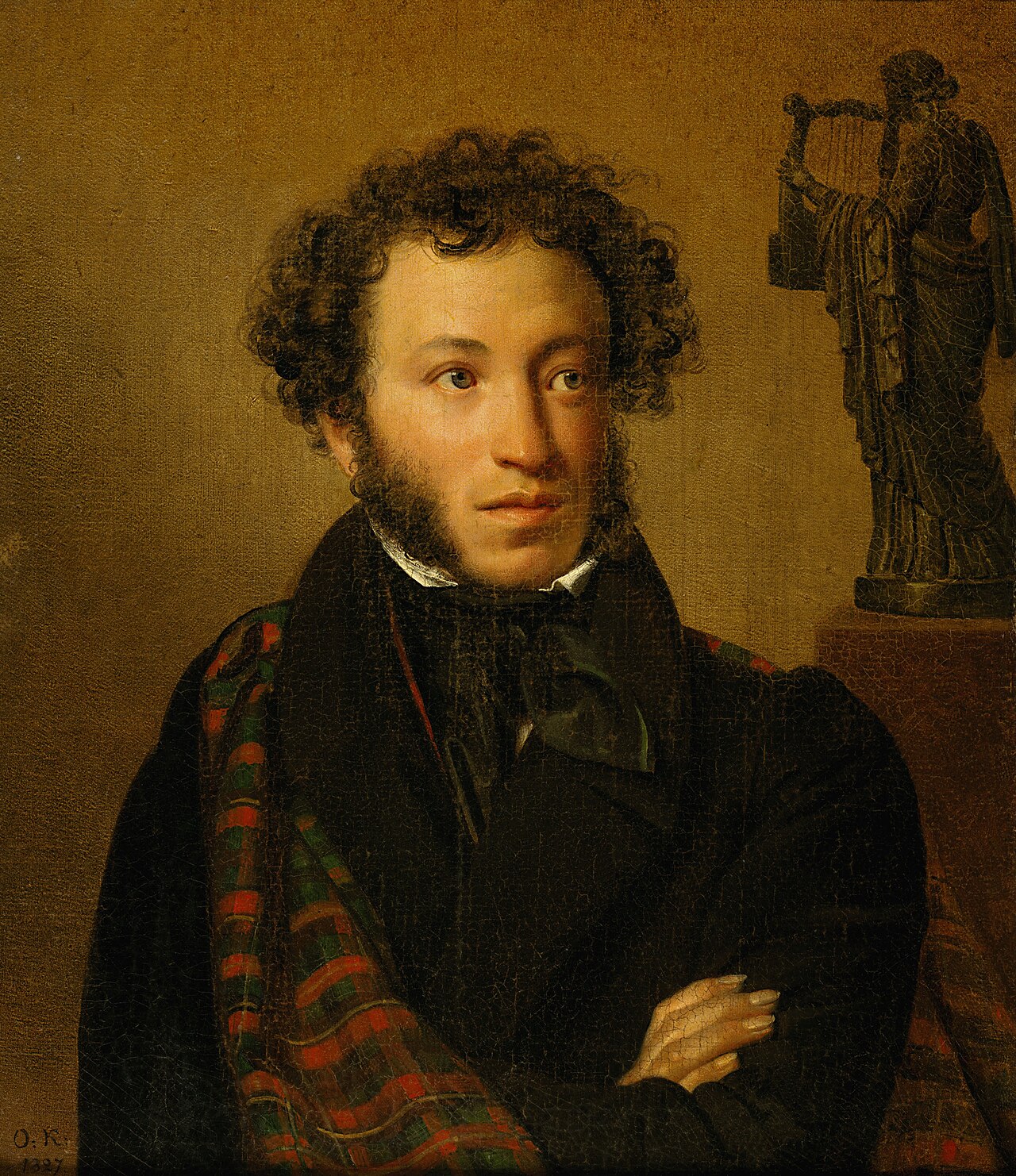
Alexander Pushkin
Orest Kiprensky · 1827
Primary source
I have erected a monument without hands
Alexander Pushkin · 21 August 1836
Ready when you are
Start chatting with Alexander Pushkin now.
20 messages free · No credit card · Available in 50+ languages.