


Primary sourcePainting1809-1810
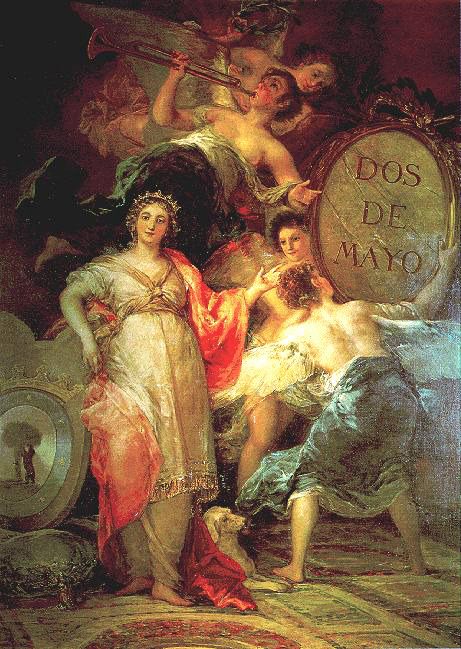
Allegory of the City of Madrid
Francisco Goya · 1809-1810
An allegorical painting of Madrid by Goya, whose central medallion was repainted several times to match changing regimes during the Peninsular War.
Goya painted and repeatedly repainted this allegory of Madrid to match the shifting political powers of his time.
About this source
What it is
This is an oil painting made by Francisco Goya, showing an allegorical female figure representing the city of Madrid, with a winged figure and reclining male figure around her. It was painted during the Peninsular War and is now kept at the Madrid History Museum.
Why it matters
The painting's central medallion was painted over again and again as power in Madrid changed hands — first showing the French-installed king Joseph Bonaparte, then the word 'Constitución', then Ferdinand VII, and finally the words 'Dos de Mayo', commemorating the 1808 uprising against the French. These changes show how Goya had to adapt his work to survive politically as Spain's rulers kept changing.
Look closer
- Why might an artist need to change a painting's meaning several times?
- What does the repeated repainting tell you about the dangers artists faced during wartime?
- What symbols here represent the city of Madrid, and what do they leave out about ordinary people's experience of the war?
This painting is part of the curated material that grounds the AI version of Francisco Goya on Humy.ai — when students ask about related events, the AI can quote it and cite it.
More Francisco Goya sources
Meet the AI Francisco Goya →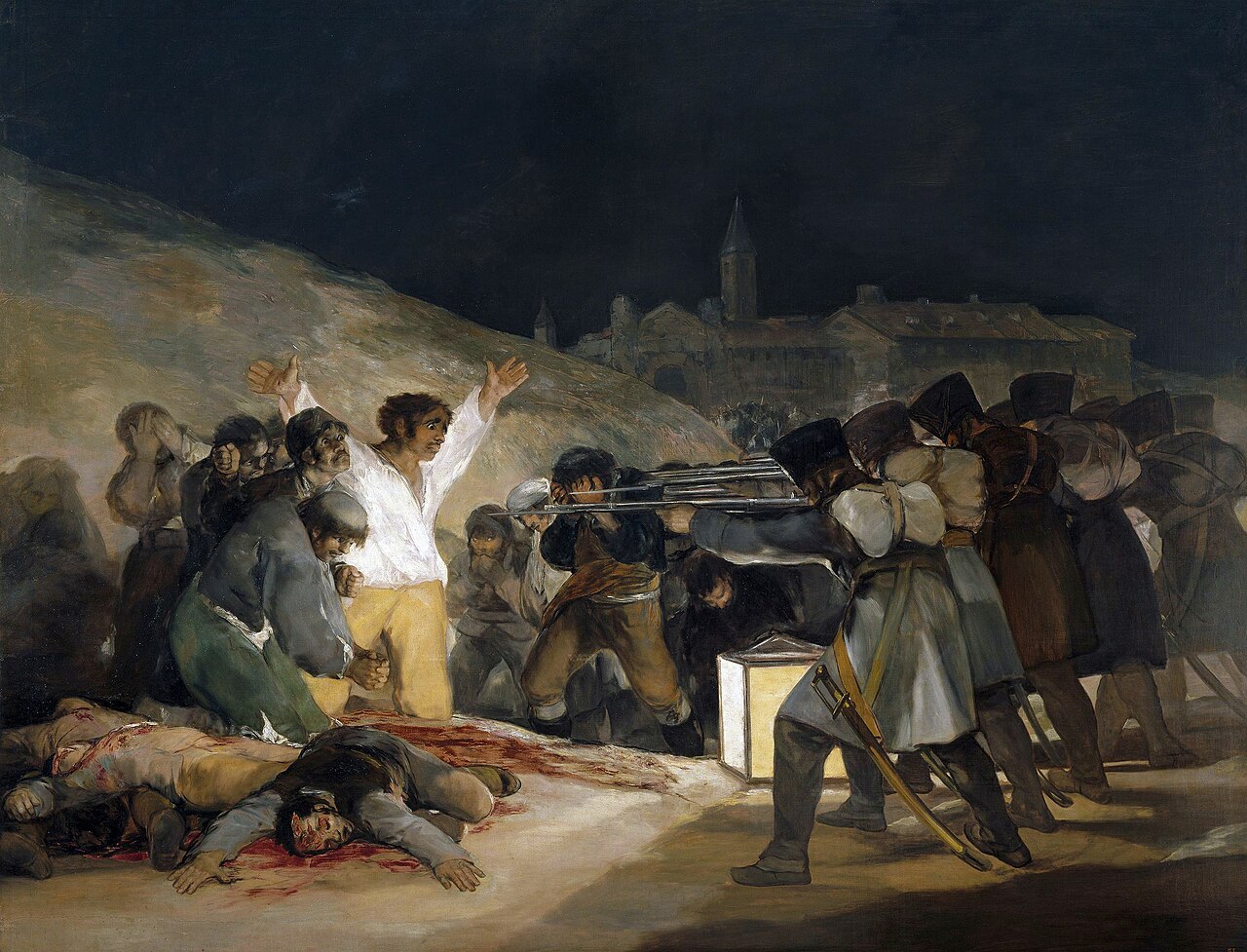 Painting
Secondary source
The Third of May 1808
Francisco Goya · 1814
 Painting
Primary source
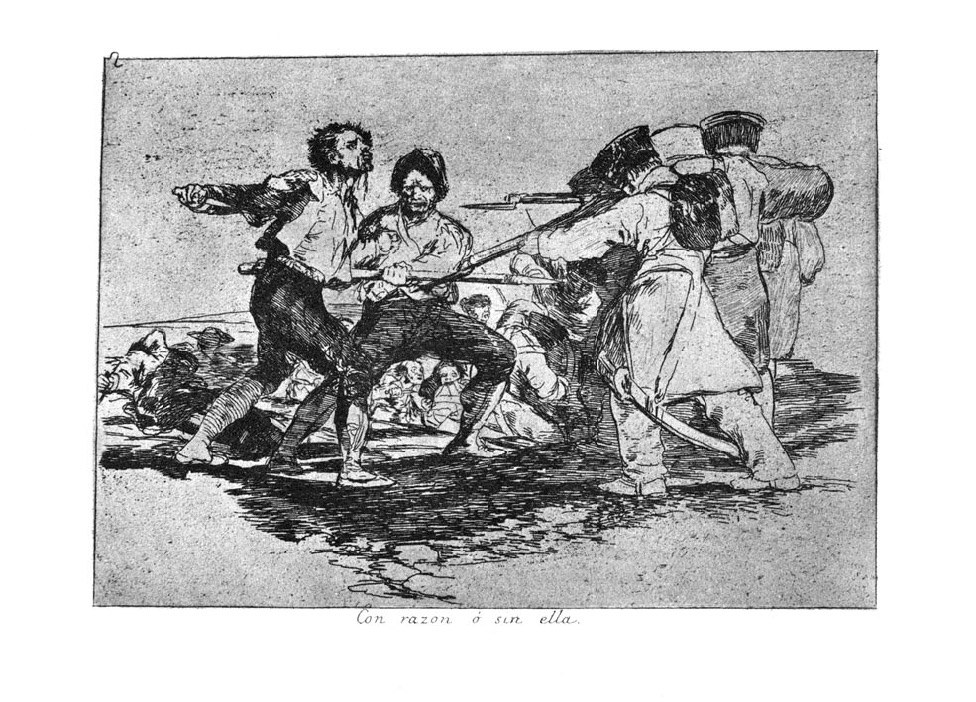
The Disasters of War
Francisco Goya · 1810-1820
 Painting
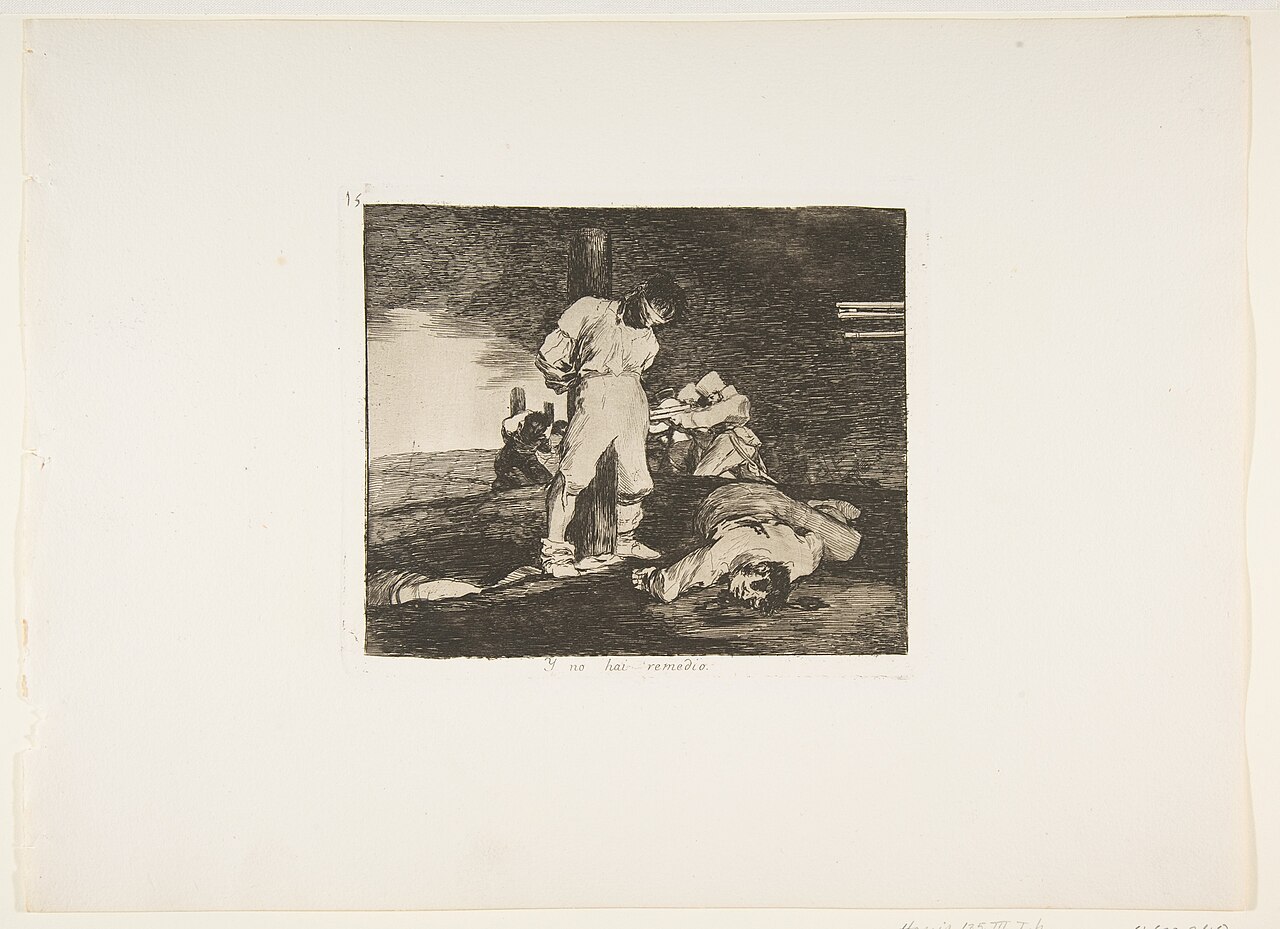
Primary source
Y no hai remedio
Francisco de Goya · c. 1810-1814 (published 1863)
 Painting
Primary source
Caprichos
Francisco Goya · 1799 (created 1797-1798)
 Painting
Primary source
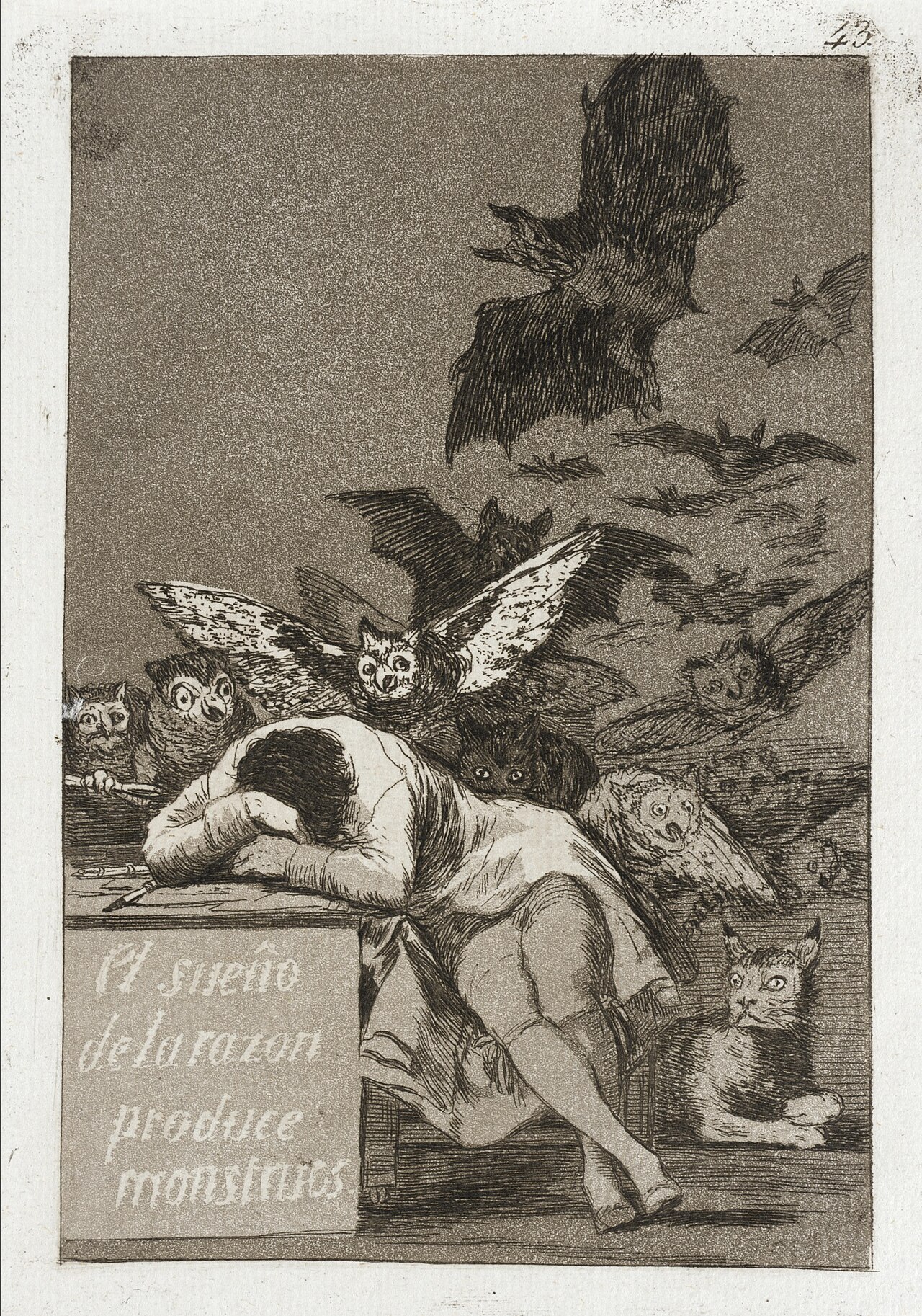
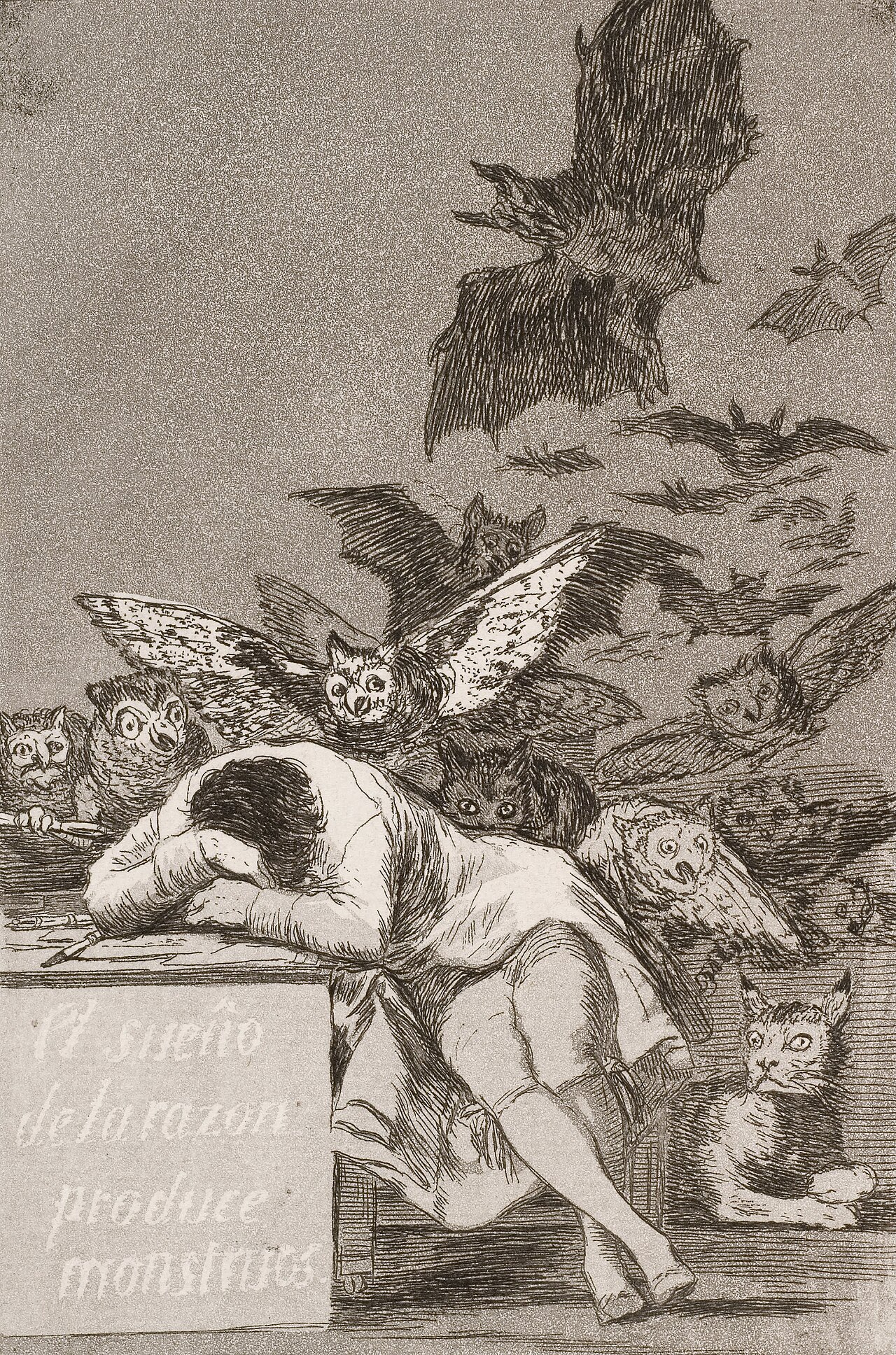
The Sleep of Reason Produces Monsters
Francisco Goya · 1797-1799
Ready when you are
Start chatting with Francisco Goya now.
20 messages free · No credit card · Available in 50+ languages.