


Primary sourceDocumentc. 1360–1332 BCE
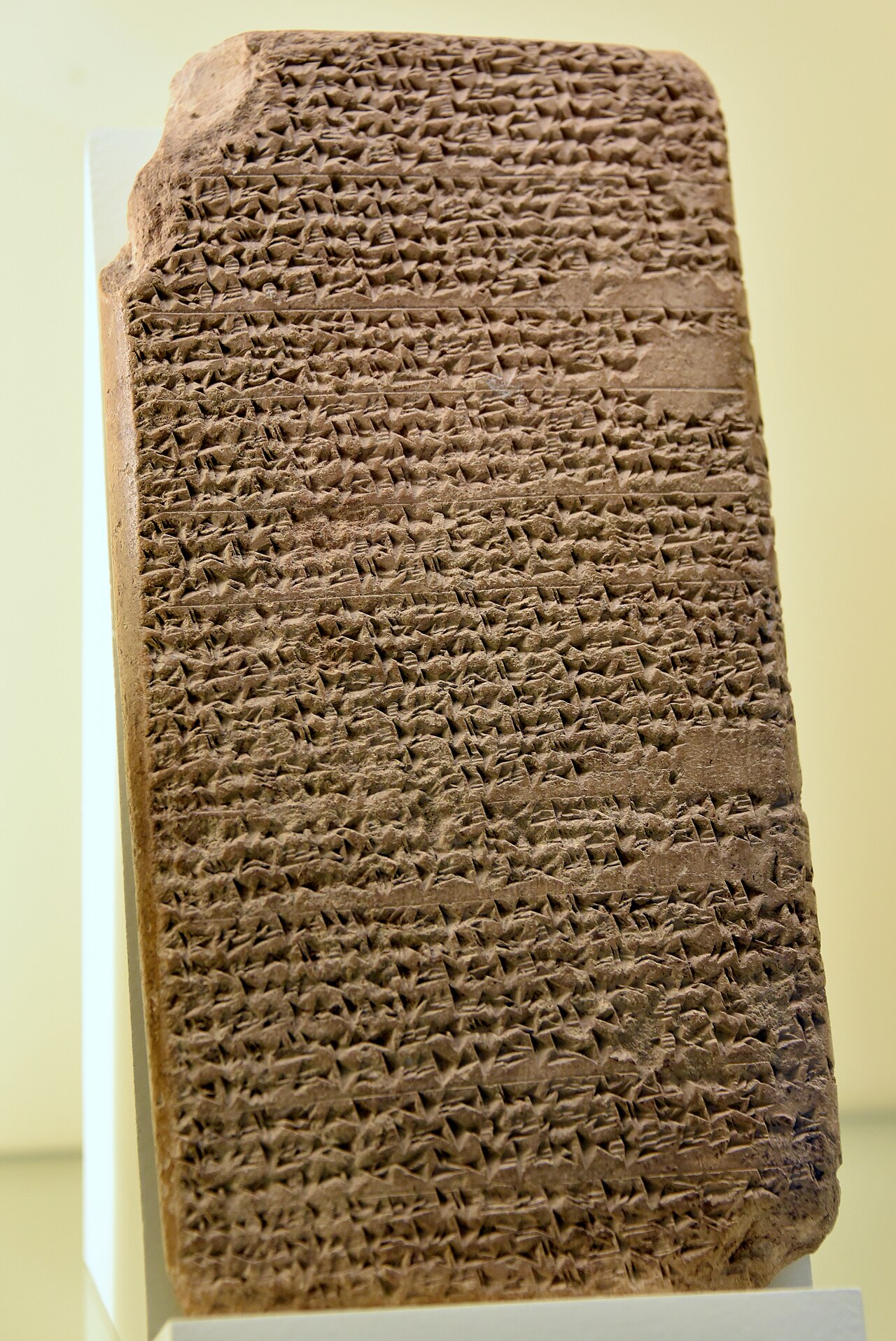
Amarna letters
Foreign rulers and vassals of Egypt; Egyptian chancery · c. 1360–1332 BCE
A cuneiform diplomatic archive found at Akhenaten's capital, recording his correspondence with foreign kings and vassals.
These tablets document Akhenaten's foreign relations and the state of Egyptian power during his reign.
Free Humy account · No credit card · 120,912 sources to read
About this source
What it is
The Amarna letters are an archive of clay tablets written in Akkadian cuneiform, found at el-Amarna, the site of Akhetaten, the capital city founded by Akhenaten around the mid-14th century BC. They are now divided among museums including the British Museum, the Vorderasiatisches Museum Berlin, the Egyptian Museum Cairo and the Louvre.
Why it matters
The letters record Egypt's dealings with powerful kingdoms such as Babylon, Mitanni and Hatti, and with smaller Canaanite vassal rulers. They show Egyptian control over its Levantine territories weakening during Akhenaten's reign, giving historians a rare direct window into ancient international diplomacy and into how Akhenaten's government handled foreign affairs.
Look closer
- Why would clay tablets survive for thousands of years when papyrus letters might not?
- What might it mean that vassal rulers were writing urgently to the pharaoh for help?
- What does this archive tell us that royal inscriptions and hymns do not?
This document is part of the curated material that grounds the AI version of Akhenaten on Humy.ai — when students ask about related events, the AI can quote it and cite it.
More Akhenaten sources
Browse all 99 →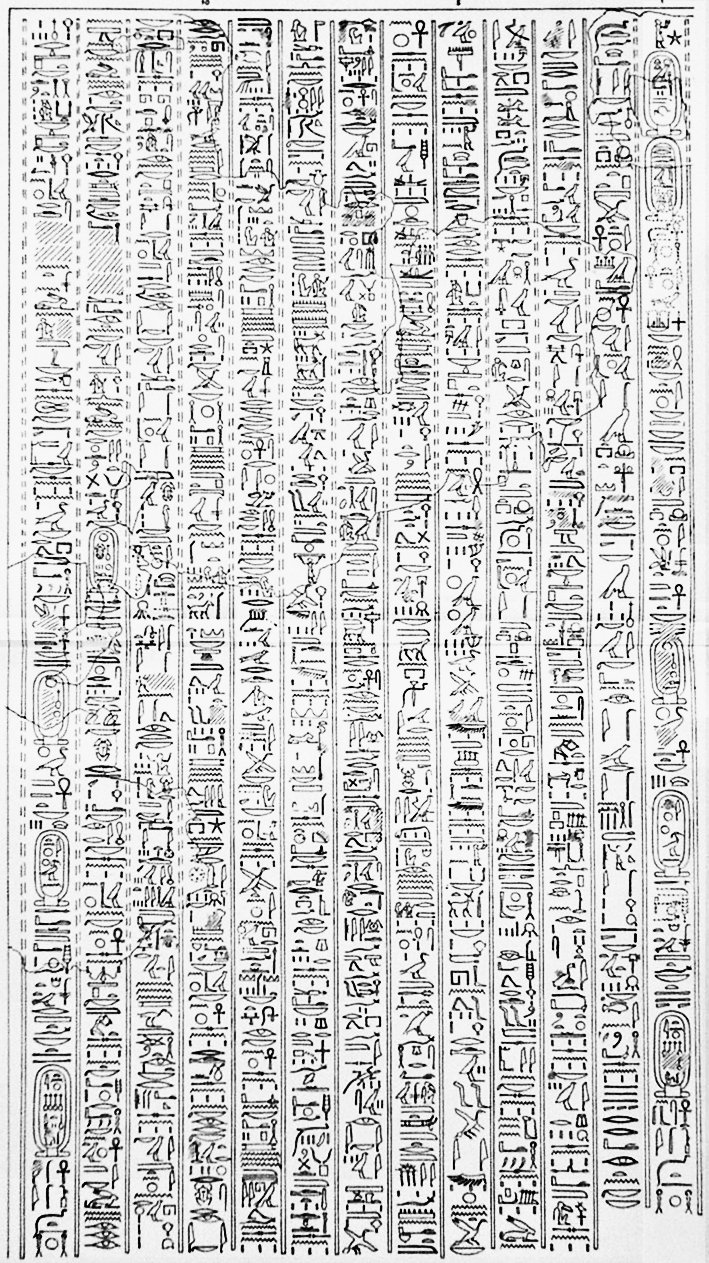 Document
Primary source
Great Hymn to the Aten
Akhenaten · c. 1350 BC
 Sculpture
Primary source
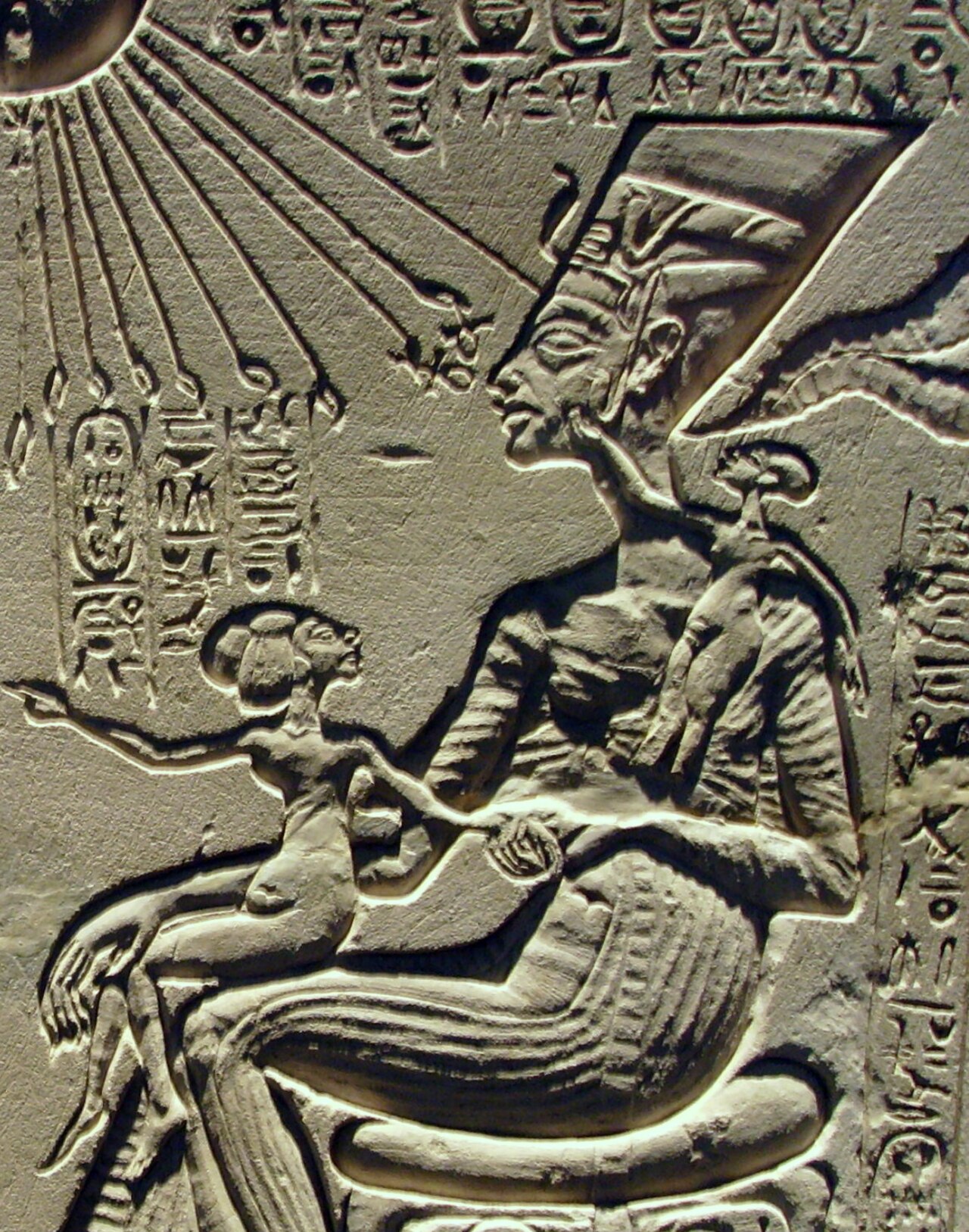
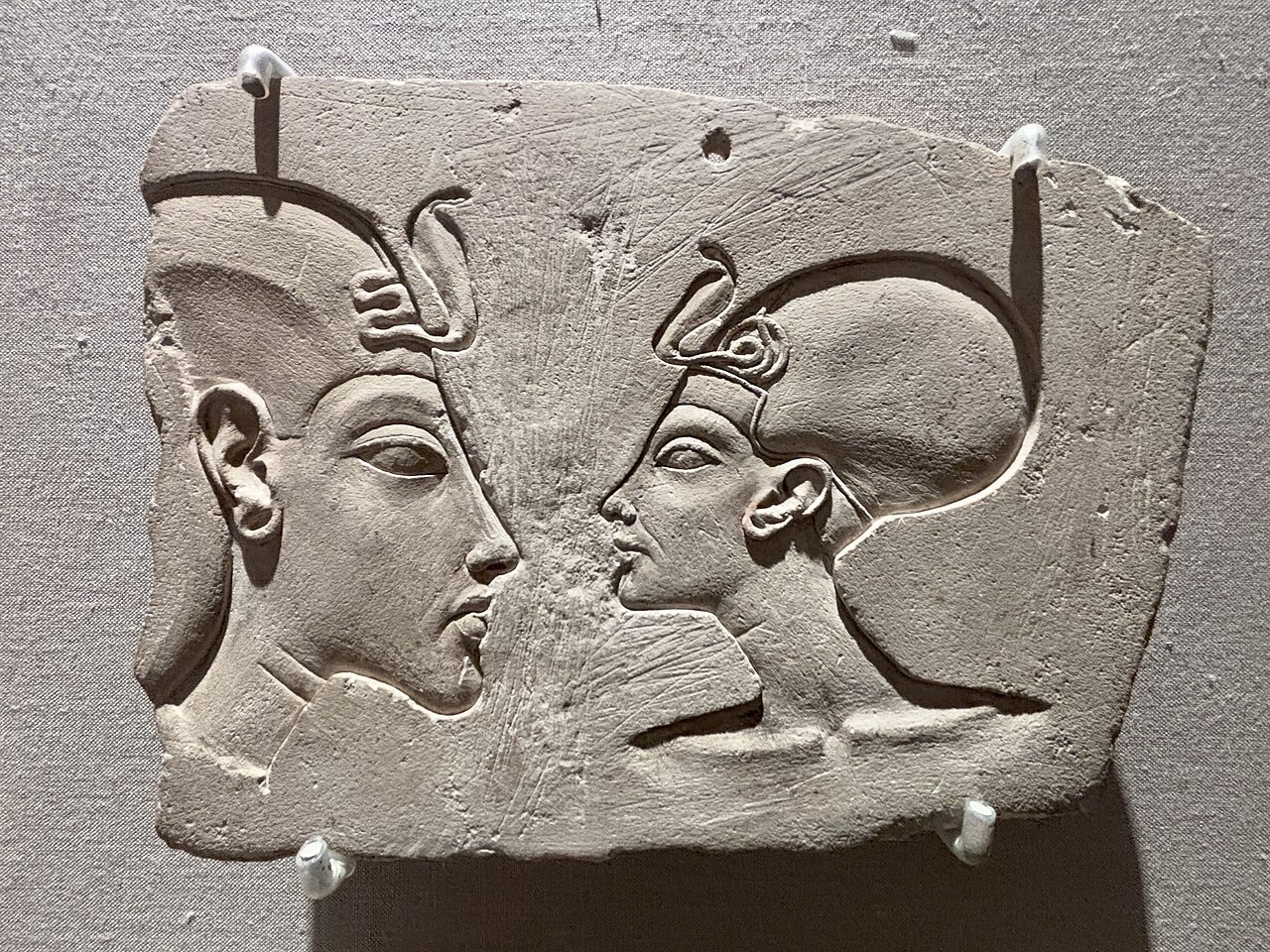
Akhenaten and His Family
c. 1352 BC
 Sculpture
Primary source
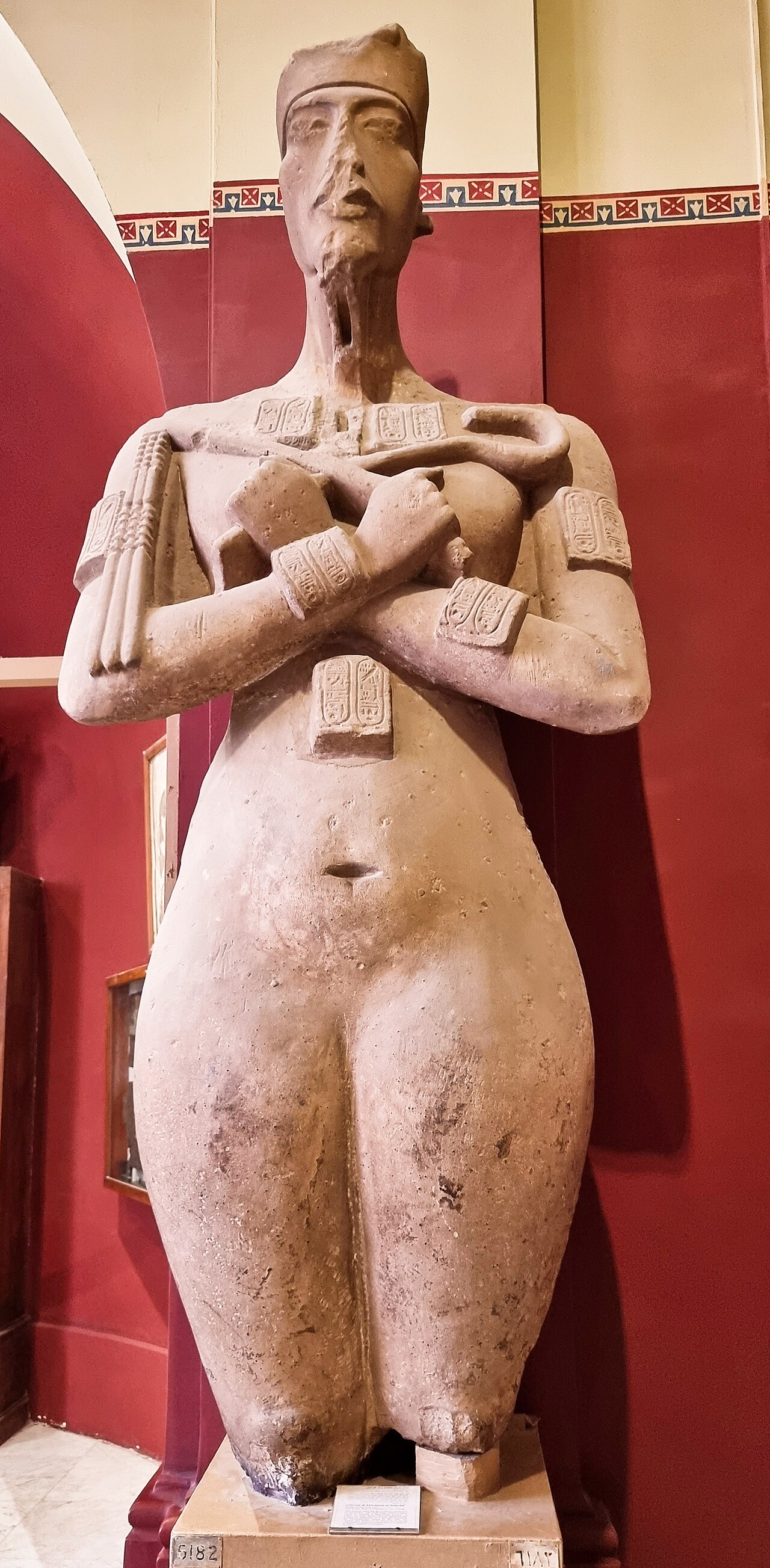
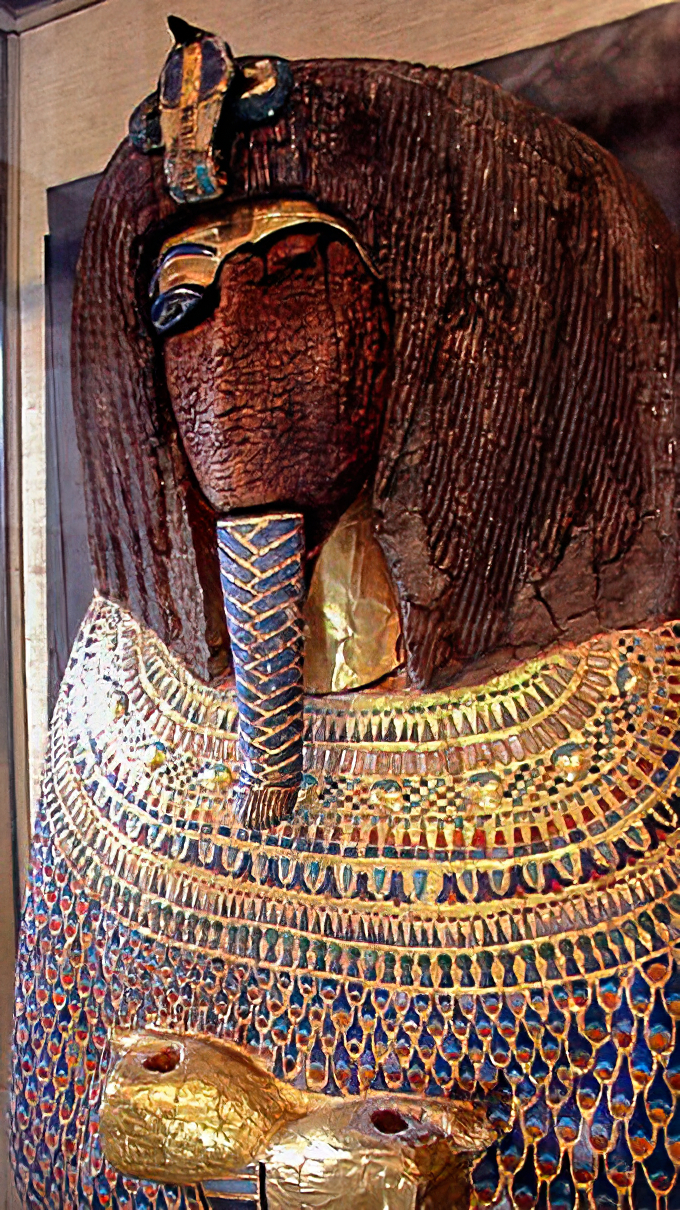
Colossal Statue of Akhenaten or Nefertiti
 Document
Primary source
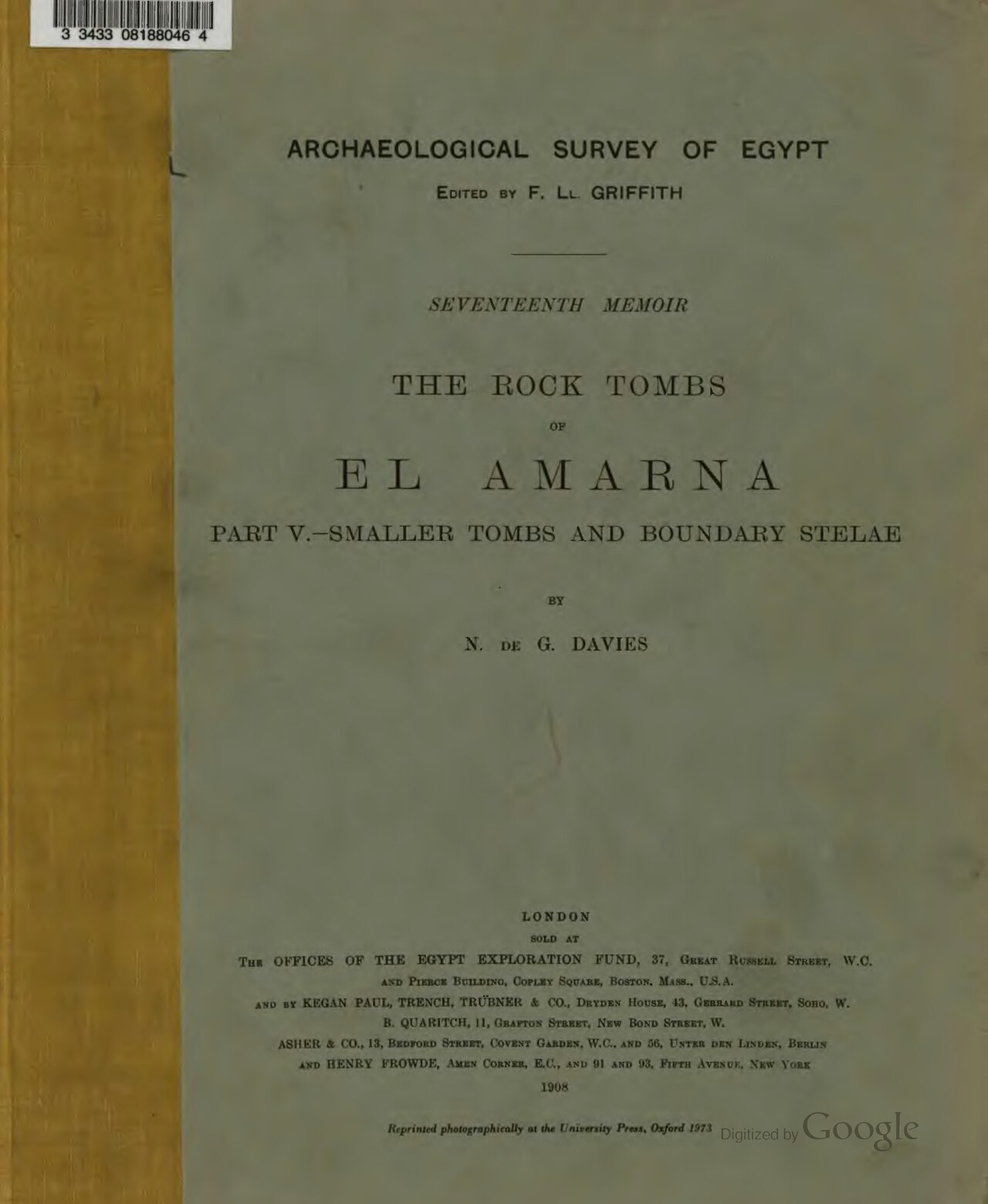
Boundary Stelae of Akhetaten
Akhenaten · c. 1346–1341 BCE
Free account
Read every Akhenaten source
Sign up free →
Ready when you are
Start chatting with Akhenaten now.
20 messages free · No credit card · Available in 50+ languages.