


Primary sourceDocumentc. 1346–1341 BCE
Boundary Stelae of Akhetaten
Akhenaten · c. 1346–1341 BCE
Rock-cut stone decrees carved around the site of Akhenaten's new capital, explaining why he founded the city and fixing its borders.
Commissioned by Akhenaten, these decrees record his own stated reasons for founding his capital city Akhetaten.
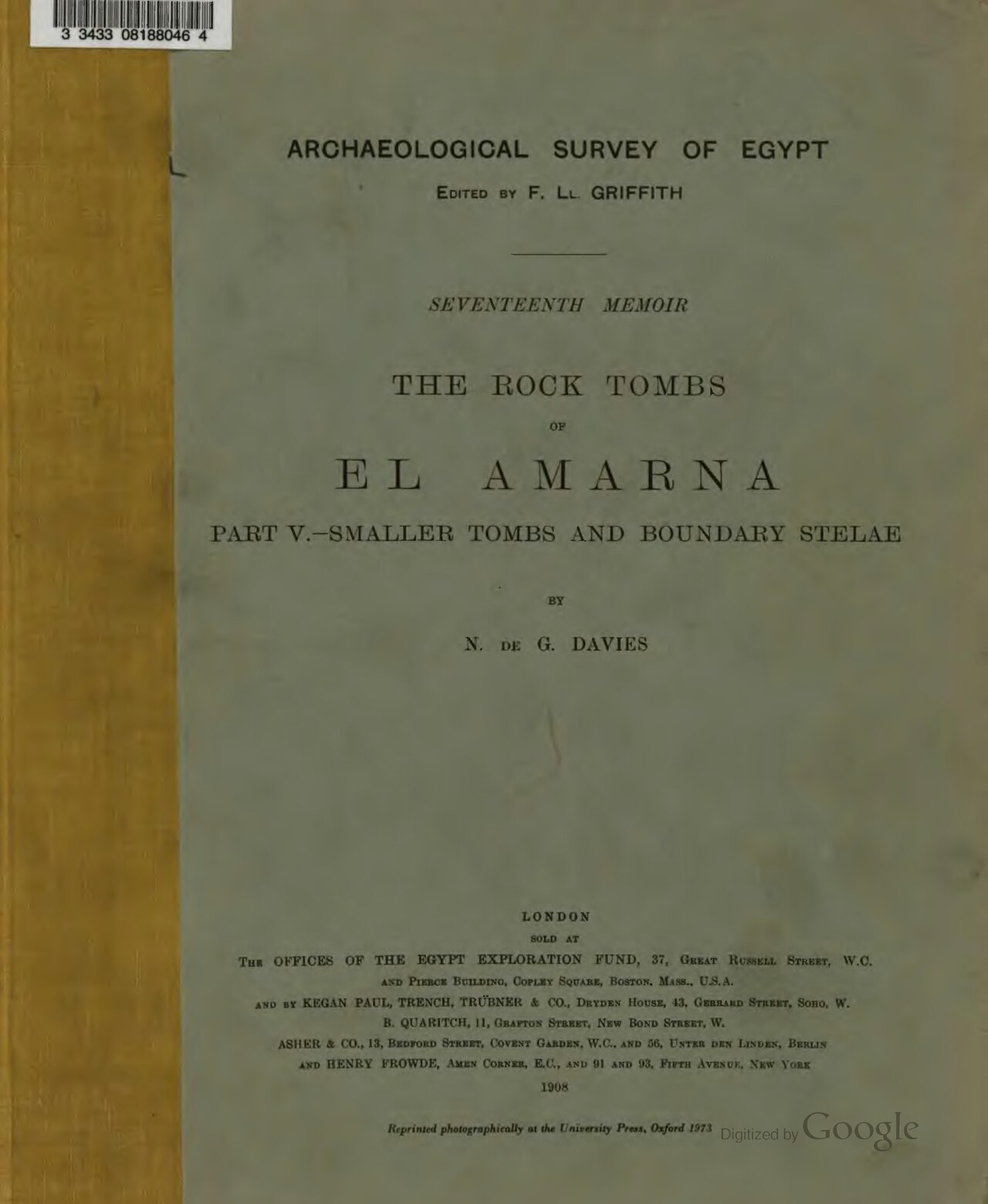
About this source
What it is
The Boundary Stelae of Akhetaten are a group of royal monuments carved into the cliffs surrounding Amarna, dating to around regnal years 5 to 8 of Akhenaten's reign (c. 1346–1341 BC). They remain in place at Amarna, Egypt.
Why it matters
These stelae record, in Akhenaten's own words, his reasons for building a brand-new capital city dedicated to the Aten, how its boundaries were set, and his vow never to leave it. They are a rare case of a pharaoh explaining his own decisions directly, giving historians insight into his motives and the scale of his religious and political break with tradition.
Look closer
- Why might a king want to carve his reasons for a decision directly into rock for all to see?
- What does fixing exact boundaries for a sacred city suggest about how seriously Akhenaten took this project?
- What is missing from this official account that we might want to know about his reign?
This document is part of the curated material that grounds the AI version of Akhenaten on Humy.ai — when students ask about related events, the AI can quote it and cite it.
More Akhenaten sources
Browse all 99 →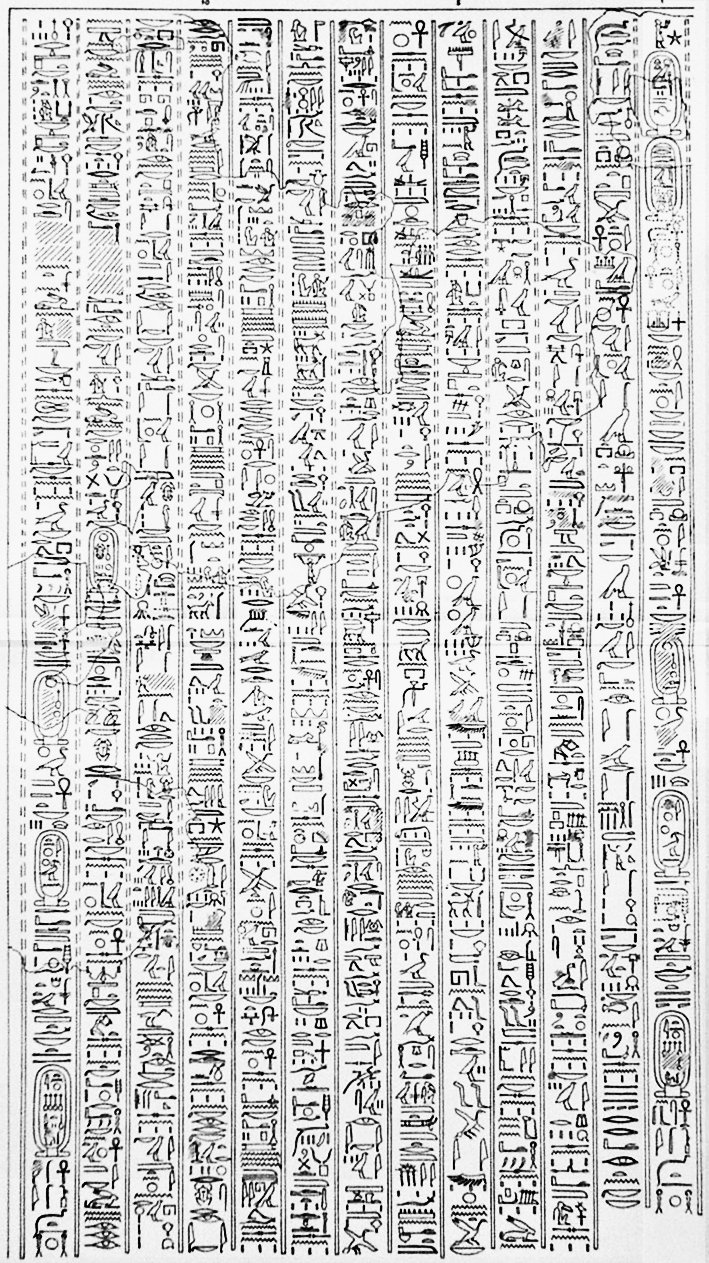 Document
Primary source
Great Hymn to the Aten
Akhenaten · c. 1350 BC
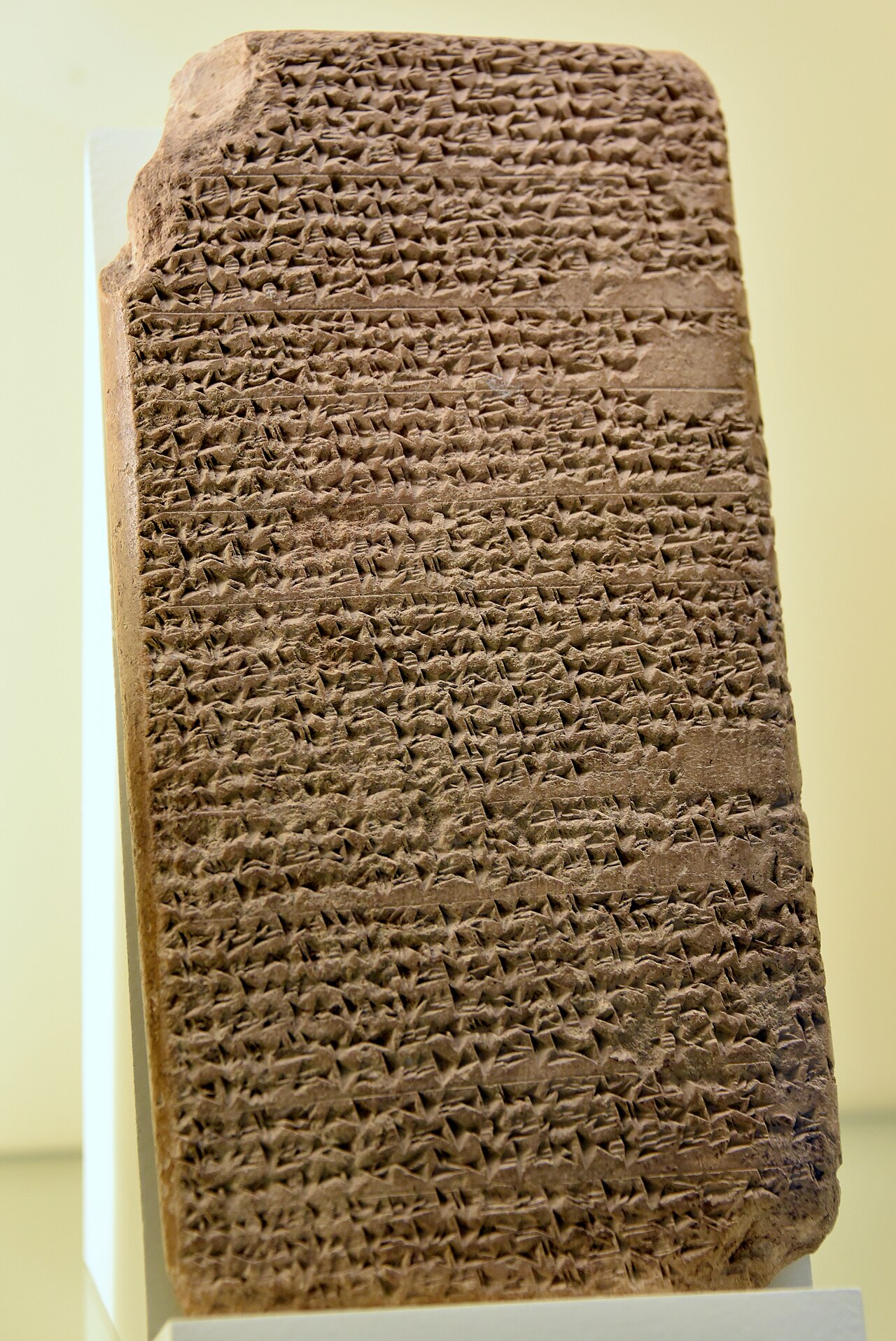 Document
Primary source
Amarna letters
Foreign rulers and vassals of Egypt; Egyptian chancery · c. 1360–1332 BCE
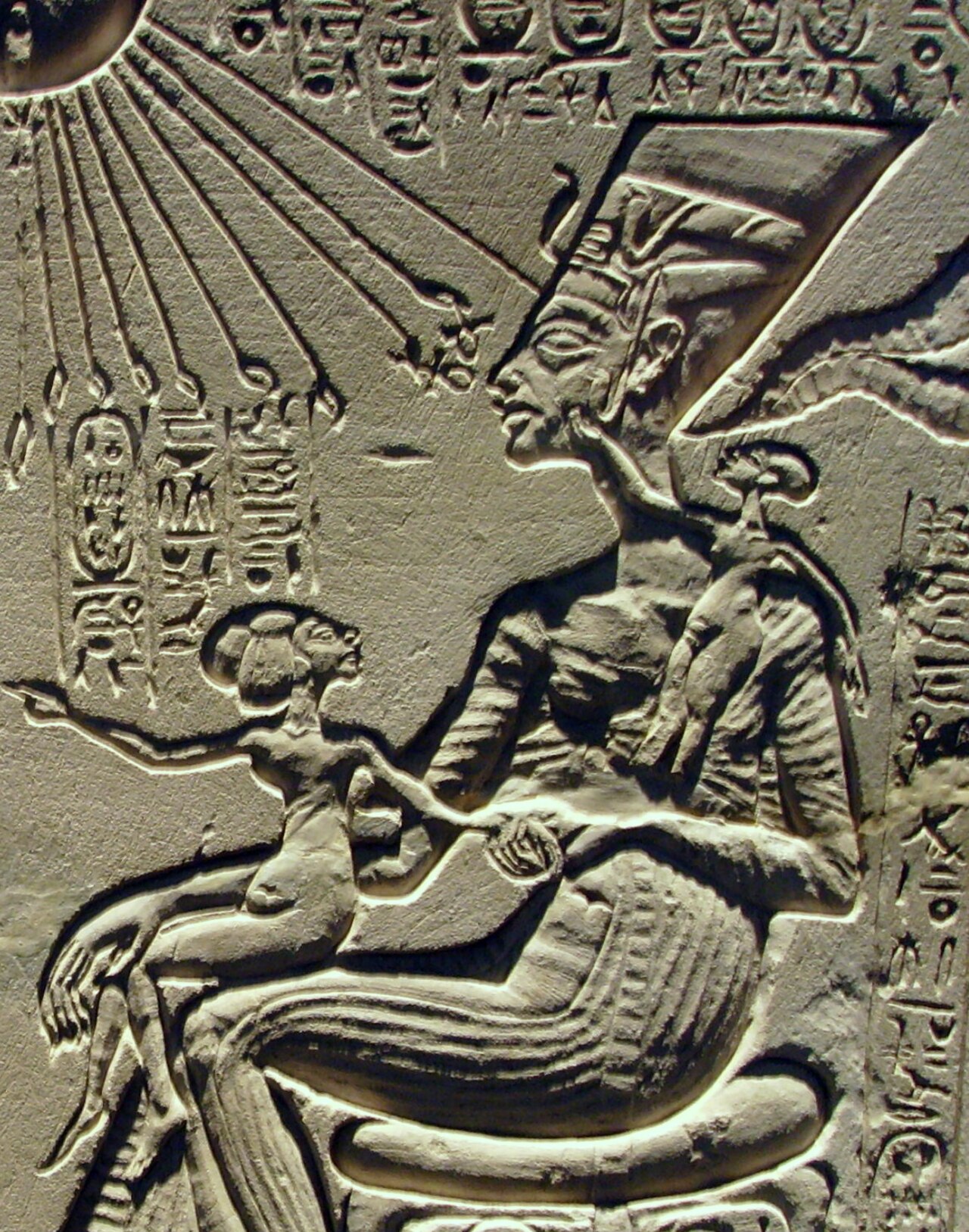 Sculpture
Primary source
Akhenaten and His Family
c. 1352 BC
 Sculpture
Primary source
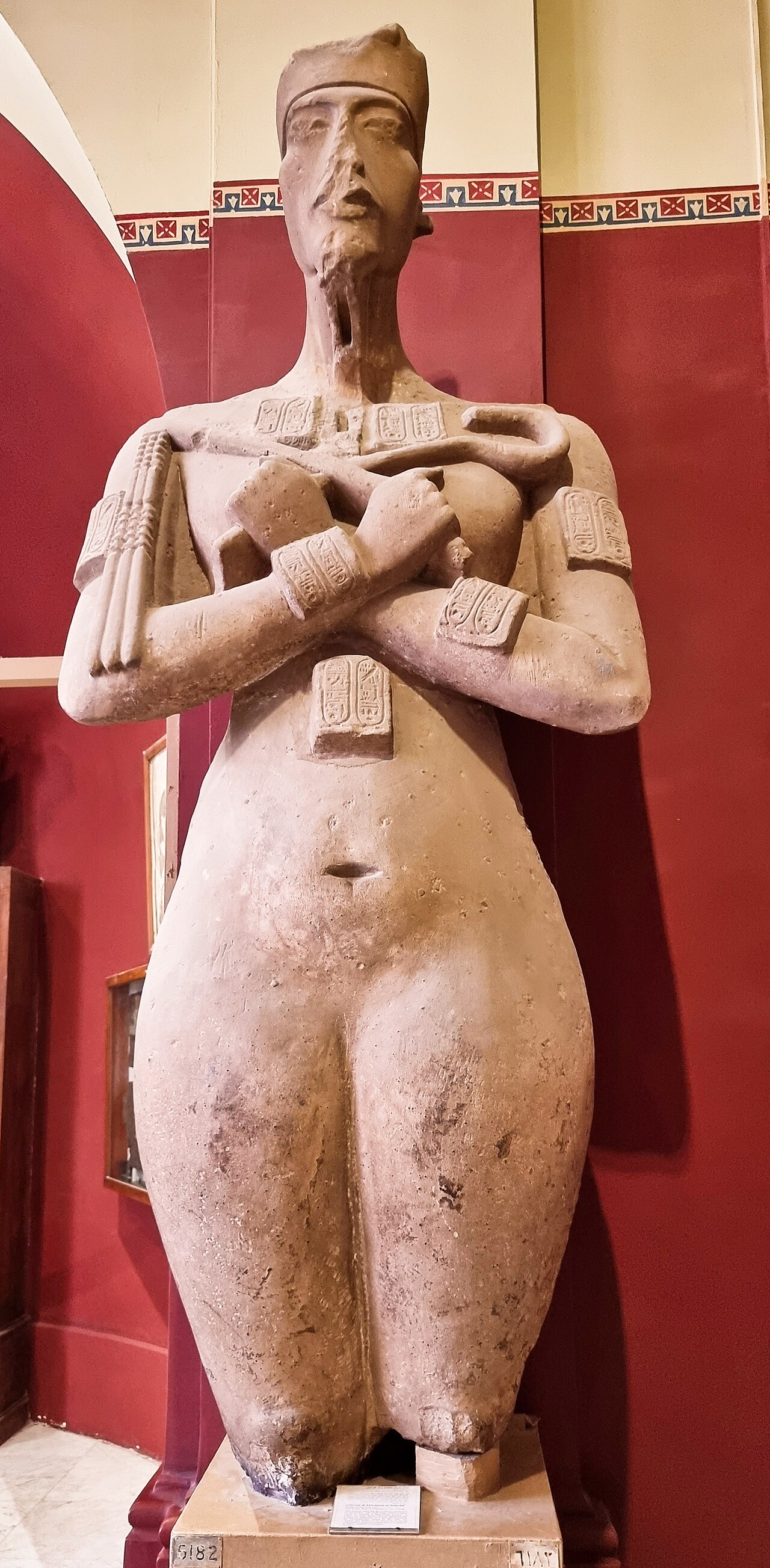
Colossal Statue of Akhenaten or Nefertiti
Free account
Read every Akhenaten source
Sign up free →
Ready when you are
Start chatting with Akhenaten now.
20 messages free · No credit card · Available in 50+ languages.