


Primary sourceSculpture
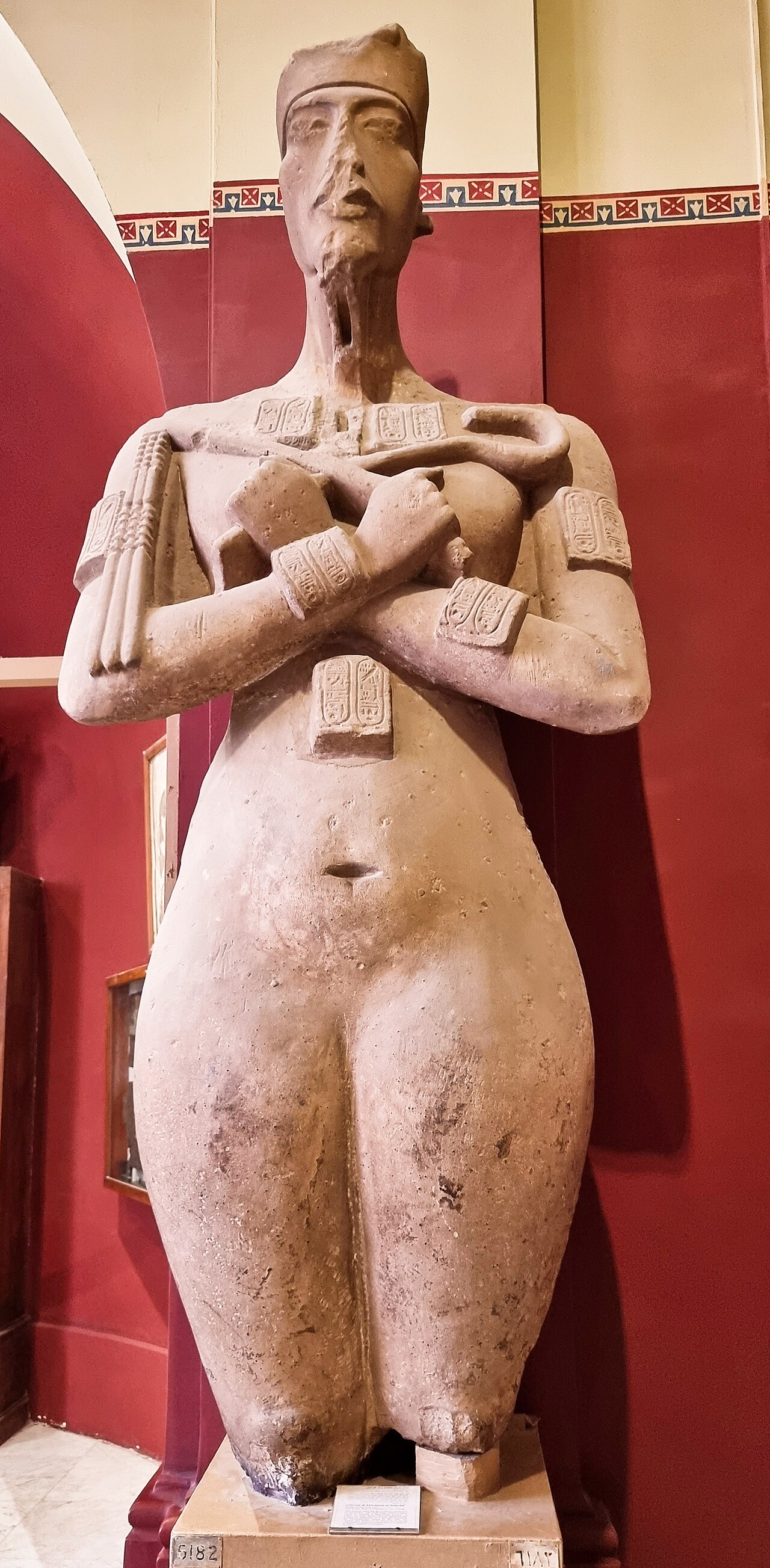
Colossal Statue of Akhenaten or Nefertiti
A huge sandstone statue from Karnak showing the radically stylised, elongated figure typical of early depictions of Akhenaten.
This colossus is one of the earliest and most radical surviving images of Akhenaten's own body and kingship.
About this source
What it is
This colossal reddish-brown sandstone statue comes from the Gempaaten temple complex at Karnak and is now held in the Egyptian Museum in Cairo. It shows a standing pharaoh wearing a tall flat-topped crown, with arms crossed holding the crook and flail, and bands bearing royal cartouches around the waist.
Why it matters
The statue's elongated face and neck, swollen belly and wide hips are strikingly different from the idealised, athletic images of earlier pharaohs. This unusual style marks the start of Akhenaten's Amarna period, when traditional Egyptian art was deliberately broken from, mirroring the break with traditional religion that his reign brought.
Look closer
- How does this statue's body shape differ from typical images of Egyptian kings?
- Why might an artist exaggerate a ruler's features rather than idealising them?
- What might this strange new style have signalled to people who saw it at the time?
This sculpture is part of the curated material that grounds the AI version of Akhenaten on Humy.ai — when students ask about related events, the AI can quote it and cite it.
More Akhenaten sources
Browse all 99 →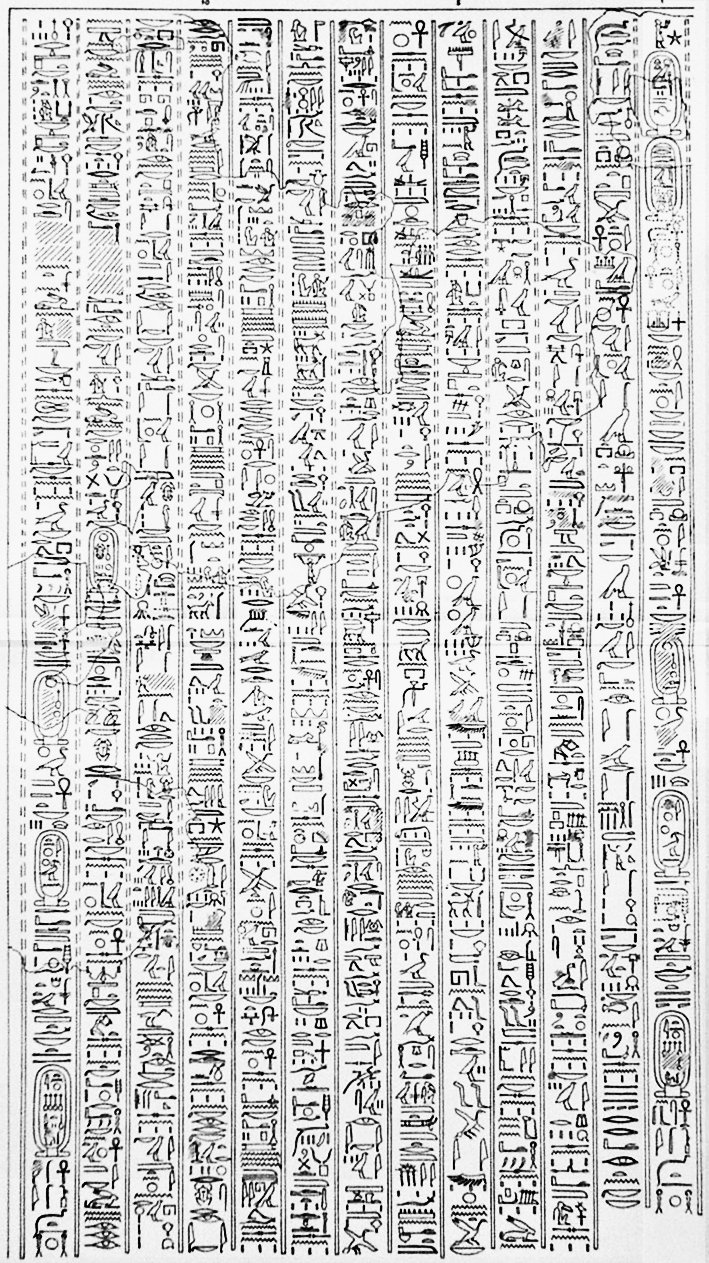 Document
Primary source
Great Hymn to the Aten
Akhenaten · c. 1350 BC
 Document
Primary source
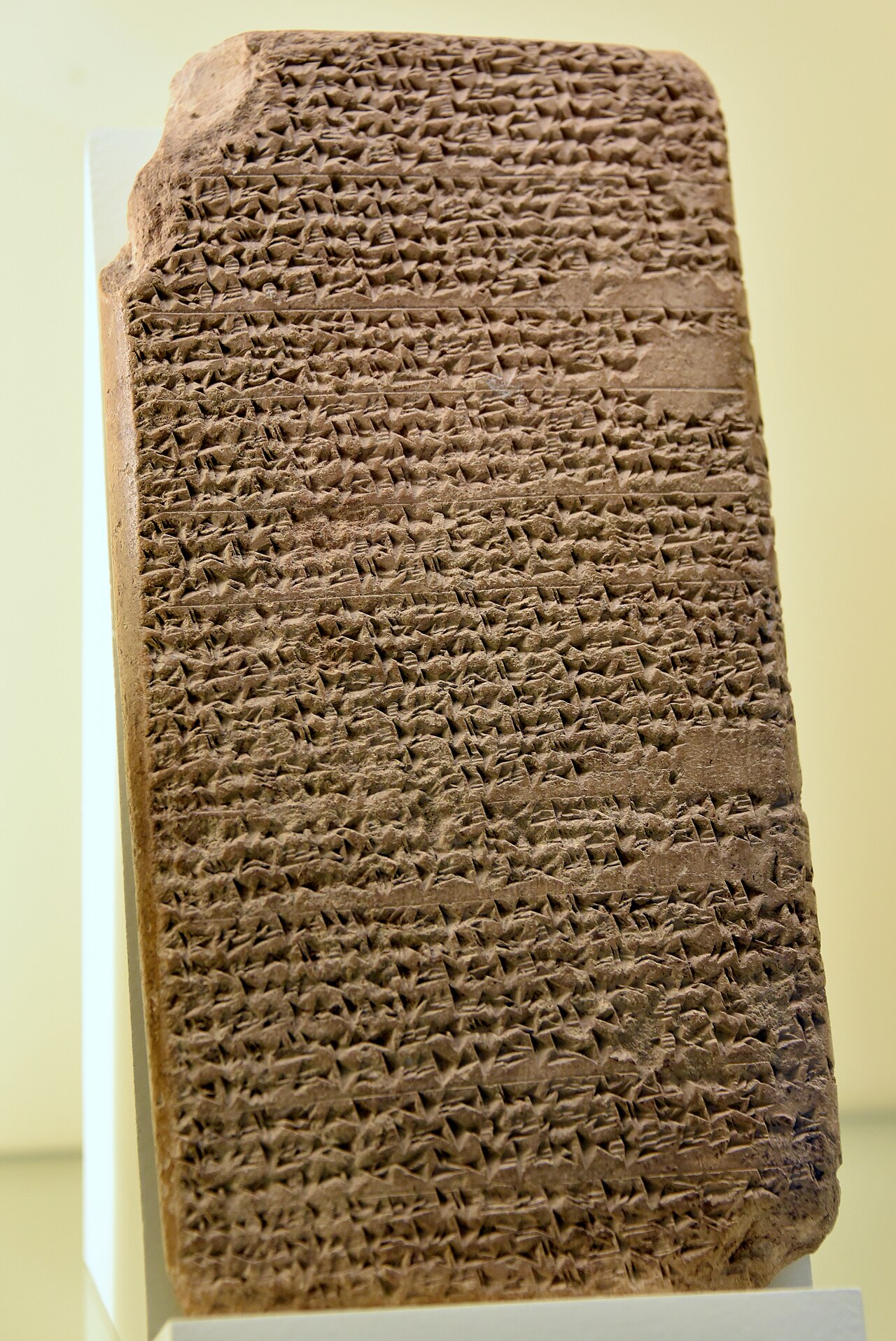
Amarna letters
Foreign rulers and vassals of Egypt; Egyptian chancery · c. 1360–1332 BCE
 Sculpture
Primary source
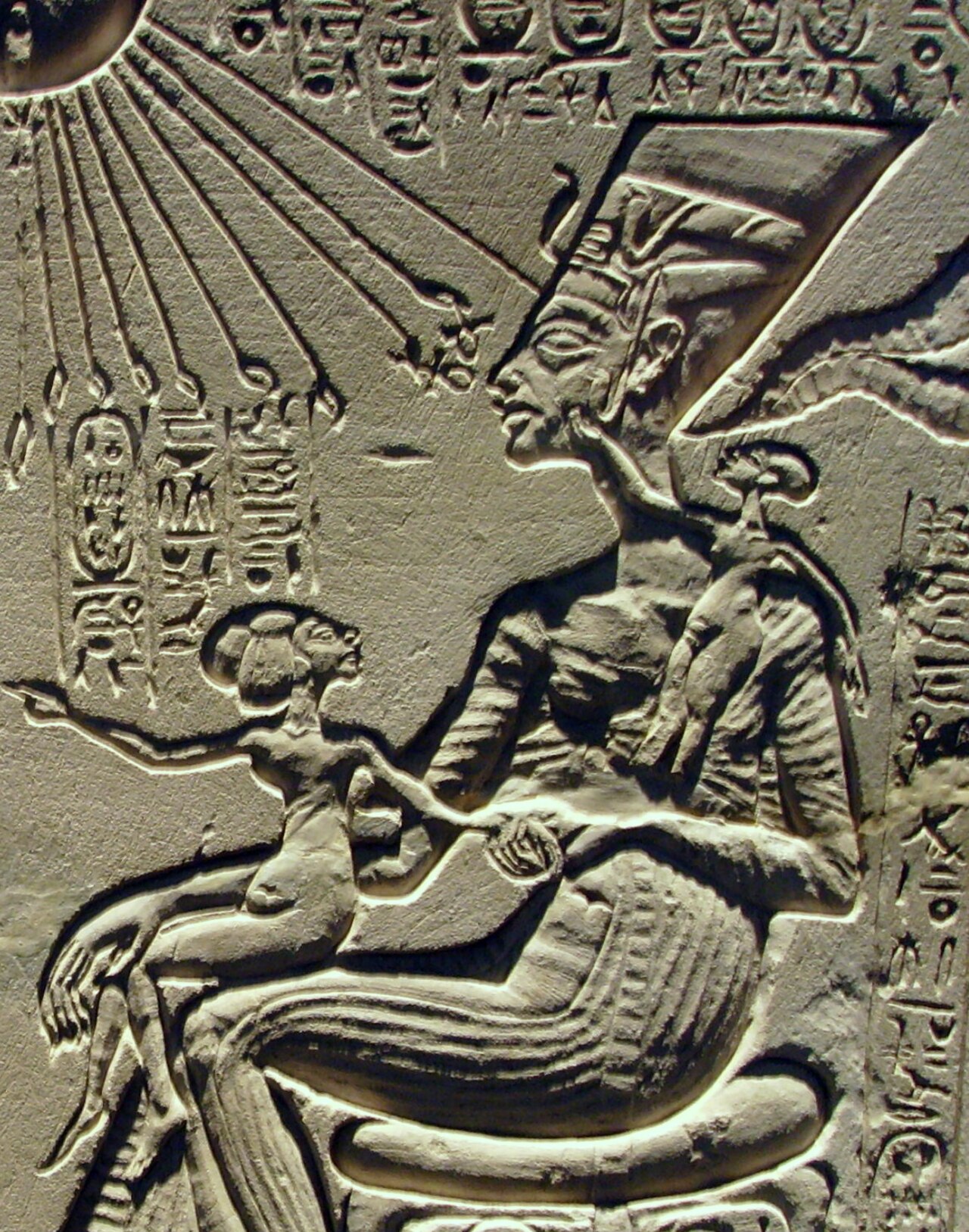
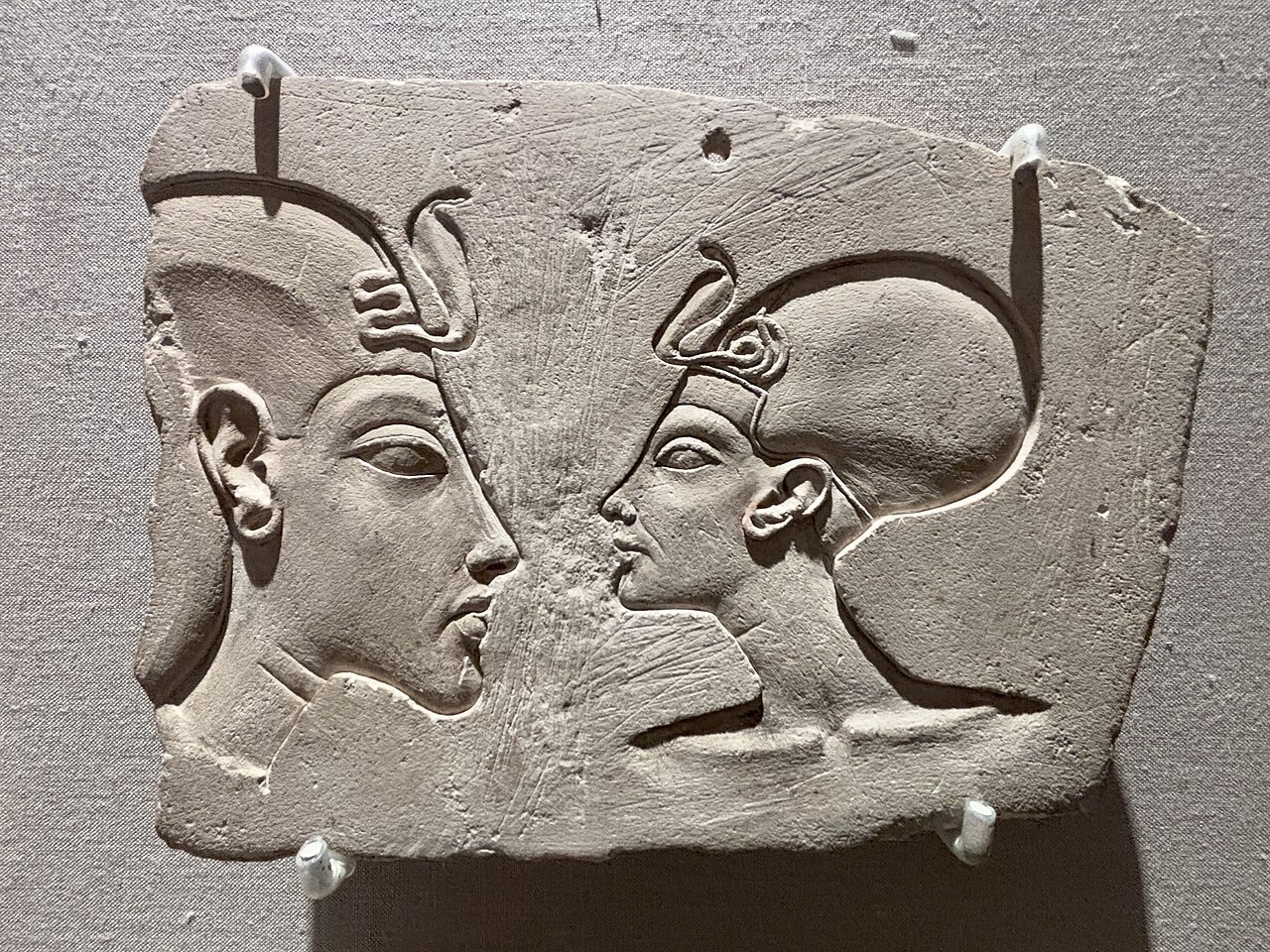
Akhenaten and His Family
c. 1352 BC
 Document
Primary source
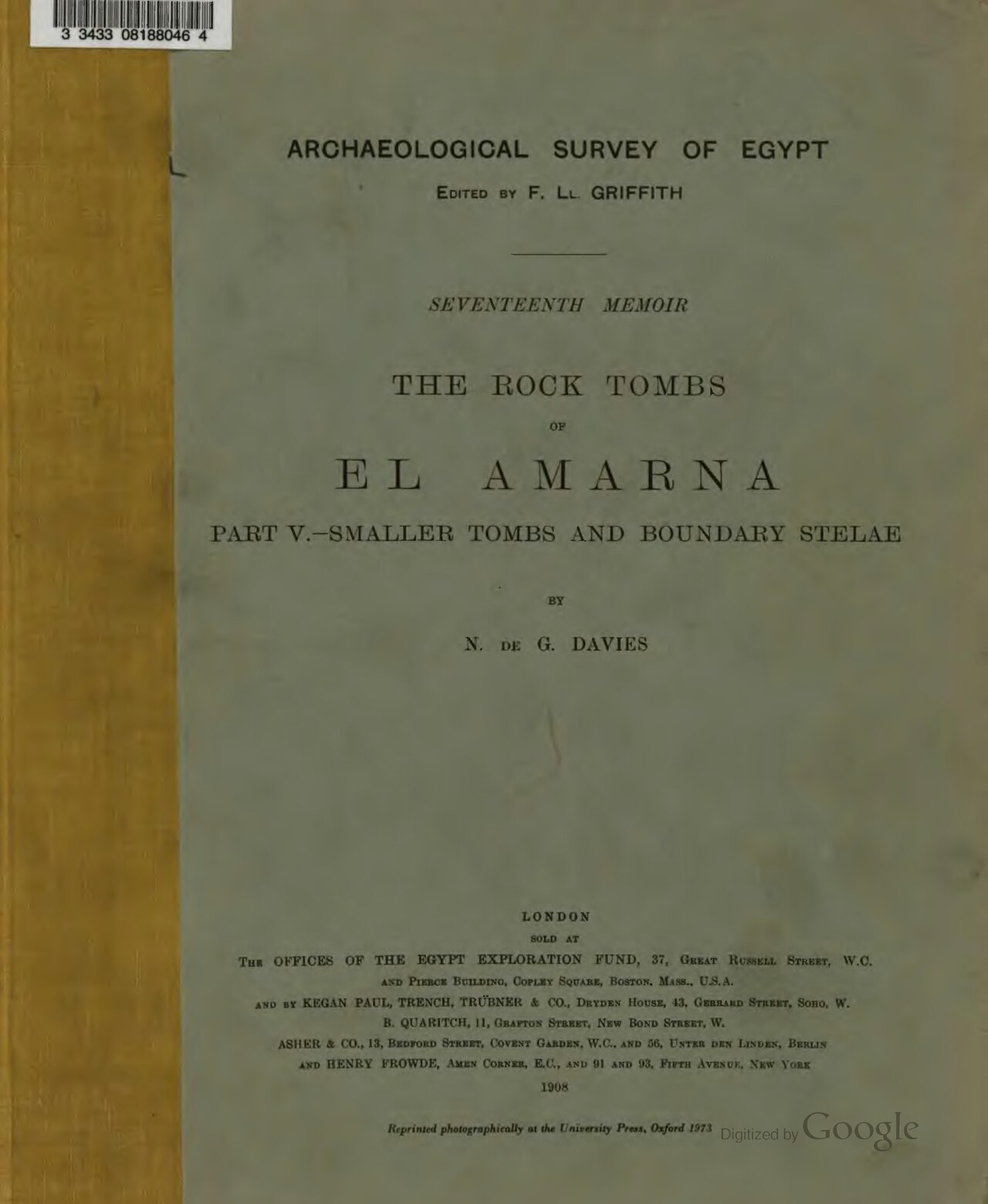
Boundary Stelae of Akhetaten
Akhenaten · c. 1346–1341 BCE
Free account
Read every Akhenaten source
Sign up free →
Ready when you are
Start chatting with Akhenaten now.
20 messages free · No credit card · Available in 50+ languages.