


Primary sourceDocumentApril 1816
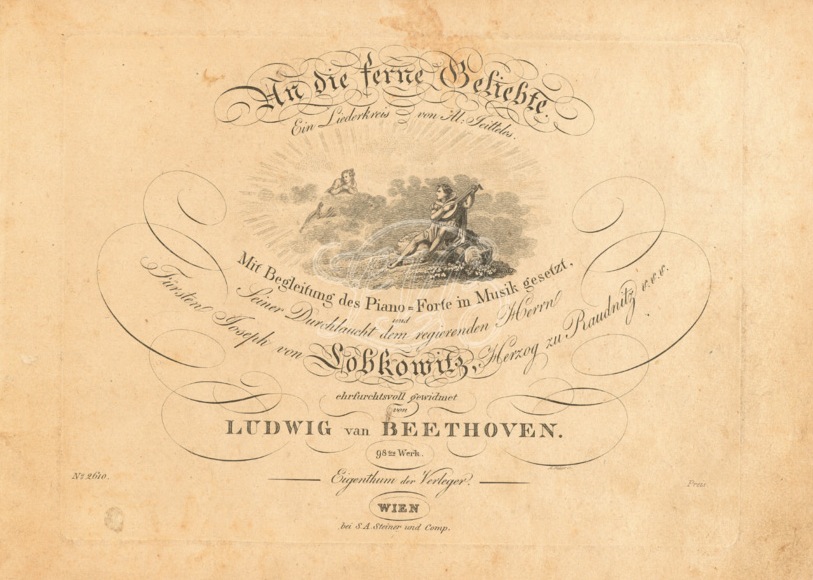
An die ferne Geliebte
Ludwig van Beethoven · April 1816
Beethoven's only song cycle, composed in April 1816, setting poems about longing for a distant beloved.
This song cycle is often linked to Beethoven's private longing expressed in his 'Immortal Beloved' letters.
About this source
What it is
An die ferne Geliebte (To the Distant Beloved), Op. 98, was written by Beethoven in April 1816, setting poetry by Alois Jeitteles. It is considered the first true song cycle, later inspiring composers like Schubert and Schumann.
Why it matters
Some scholars have linked the intense longing expressed in these songs to Beethoven's letters about an unidentified 'Immortal Beloved' written a few years earlier. The work shows how Beethoven used music to explore private, personal feelings of separation and desire.
Look closer
- Why might scholars connect this song cycle to Beethoven's private letters about a mysterious beloved?
- What does the circular structure, where the first song's theme returns at the end, suggest about the meaning of 'cycle' here?
- What does the ornate title page tell you about how such works were published and presented to the public?
This document is part of the curated material that grounds the AI version of Ludwig van Beethoven on Humy.ai — when students ask about related events, the AI can quote it and cite it.
More Ludwig van Beethoven sources
Meet the AI Ludwig van Beethoven →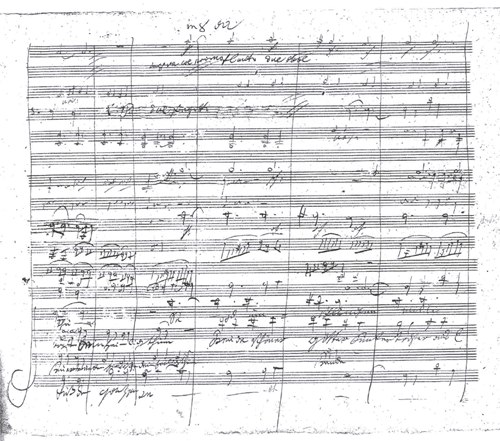 Document
Primary source
Symphony No. 9
Ludwig van Beethoven · 1824
 Sculpture
Secondary source
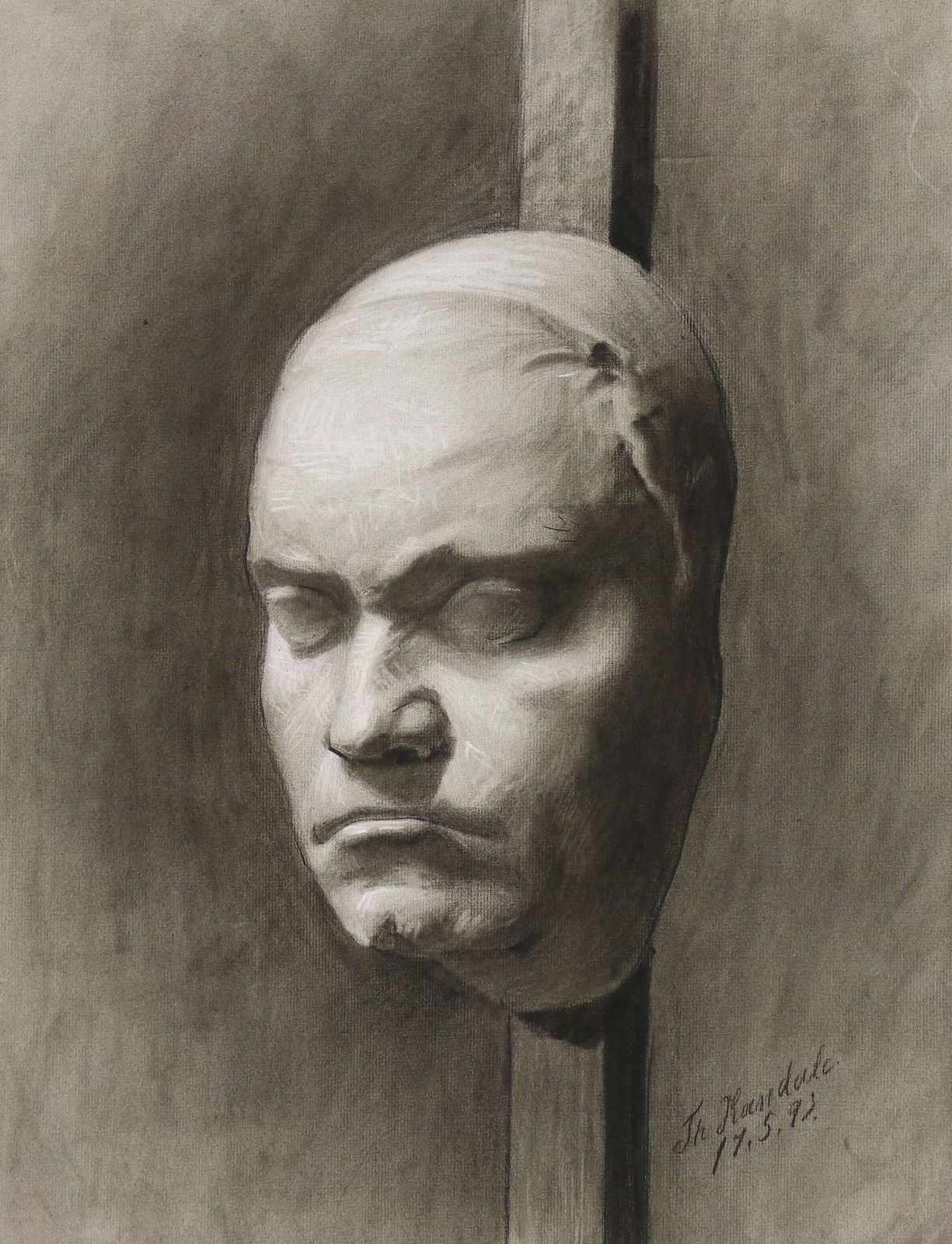
Death of Ludwig van Beethoven
Theodor Kandale (after Josef Danhauser) · 1827 (mask); drawing 1893
 Sculpture
Secondary source
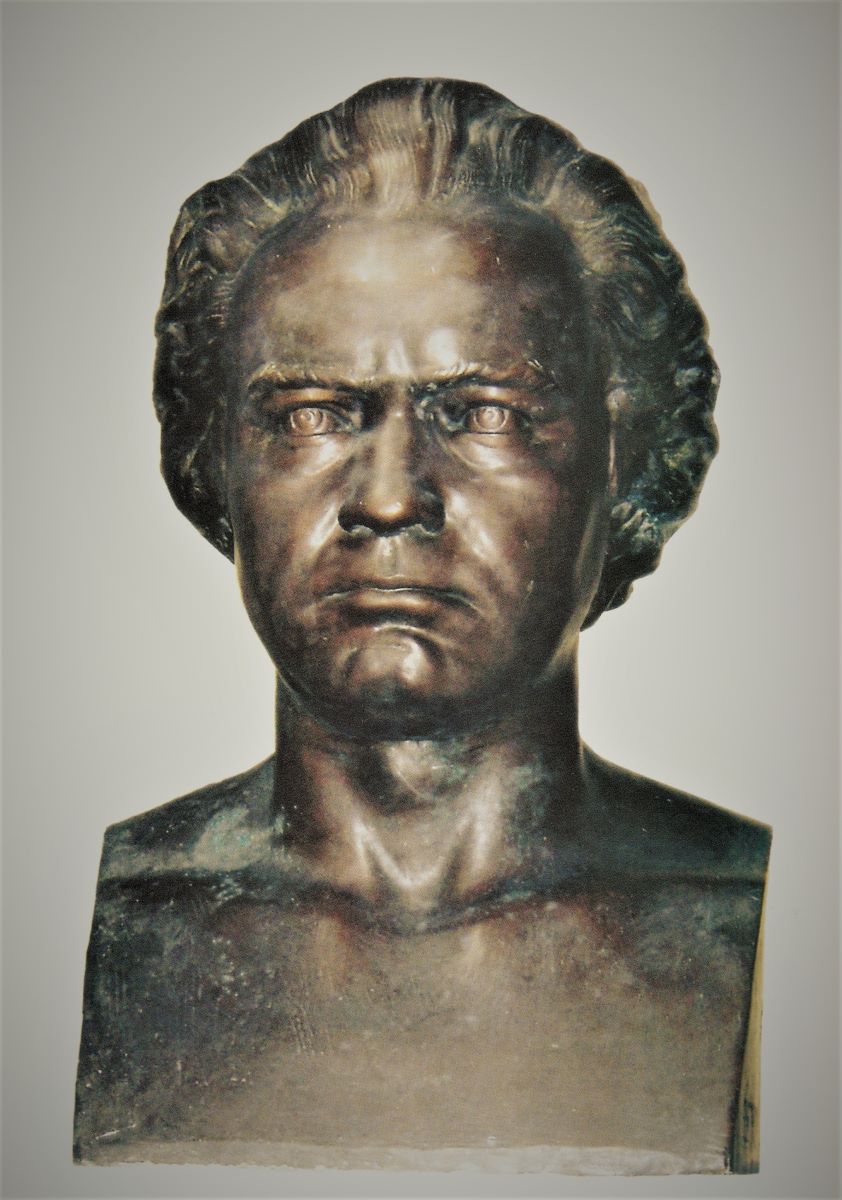
Bust of Ludwig van Beethoven by Frederic Storck
Frederic Storck · 1930
 Letter
Primary source
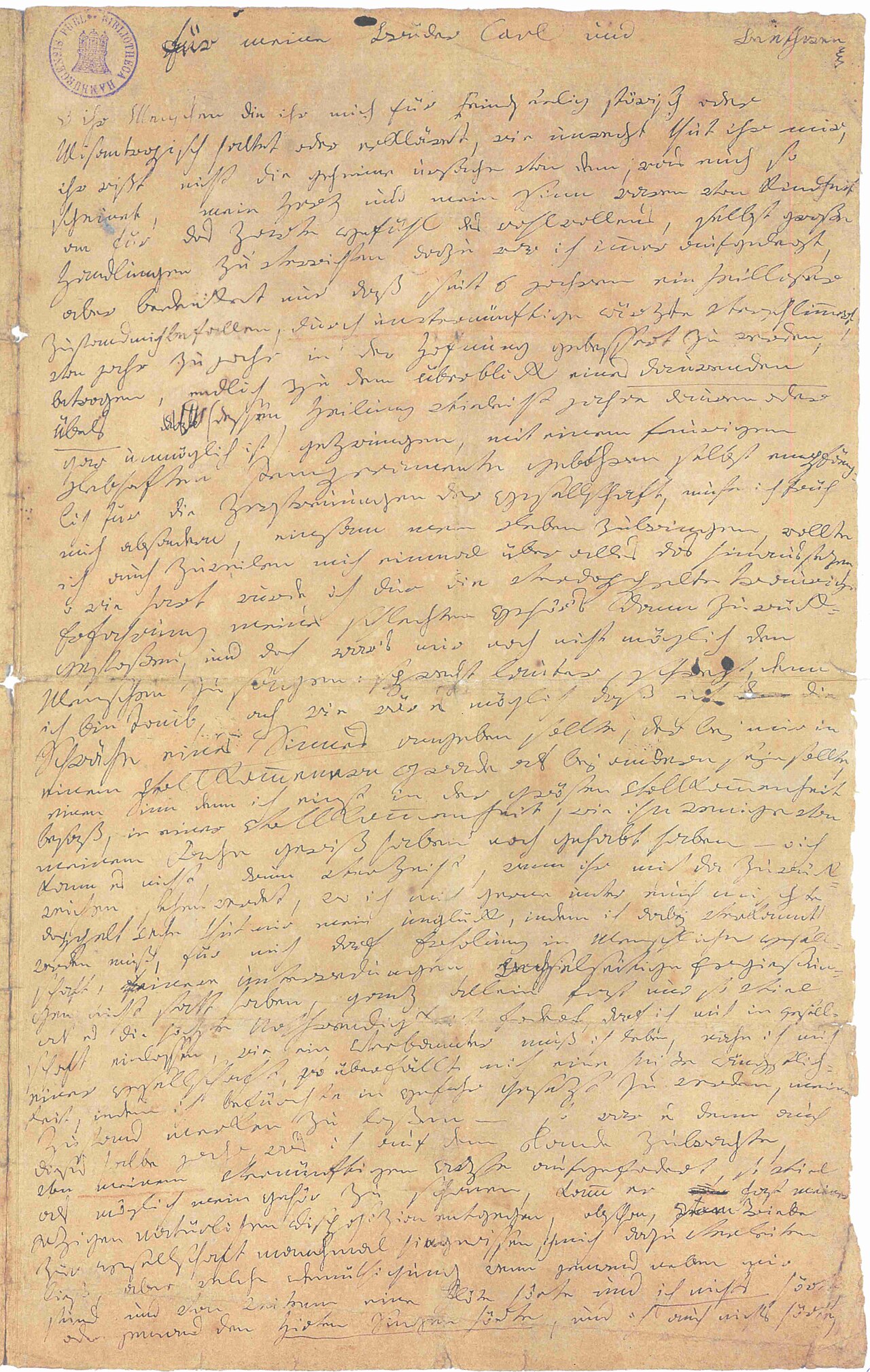
Heiligenstadt Testament
Ludwig van Beethoven · 6 October 1802
 Document
Primary source
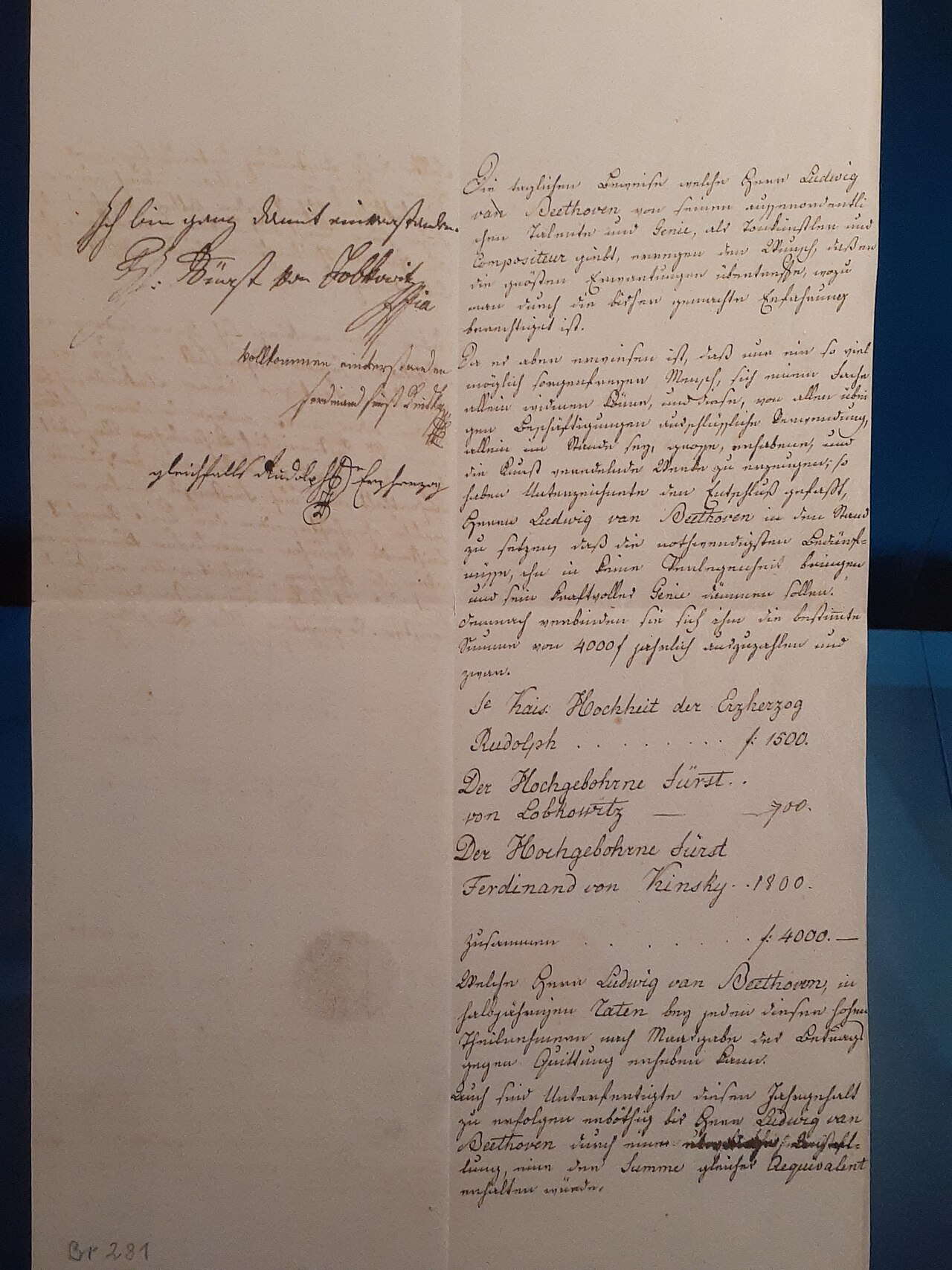
Agreement between Beethoven and Archduke Rudolph, Prince Kinsky and Prince Lobkowitz
1 March 1809
Ready when you are
Start chatting with Ludwig van Beethoven now.
20 messages free · No credit card · Available in 50+ languages.