


Secondary sourcePainting
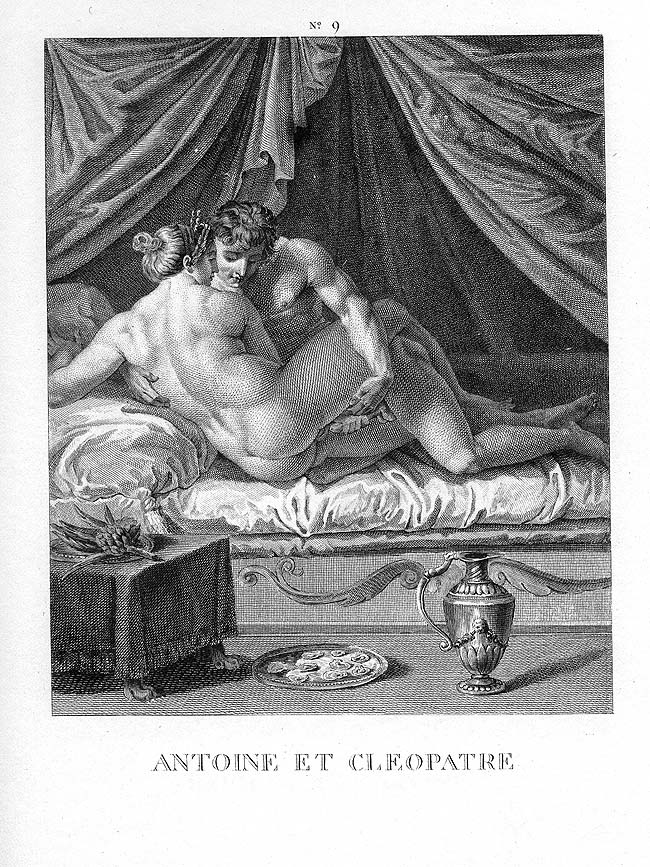
Antoine et Cléopâtre
Annibale Carracci
A later engraving of an imagined scene between Antony and Cleopatra, made long after their deaths.
This later imagined scene of Antony and Cleopatra shows how artists romanticized her relationship with Antony long after her death.
About this source
What it is
A black-and-white engraving titled "Antoine et Cleopatre," based on a painting attributed to Annibale Carracci. It shows a nude man and woman embracing on a draped bed, with a ewer and plate on a table nearby.
Why it matters
This image was created long after Antony and Cleopatra had died, so it is not a historical record of them but an artist's imagined vision of their famous romance. Such images shaped how later Europeans pictured Cleopatra as a figure of passion and tragedy rather than as a ruling queen.
Look closer
- What does the artist choose to show, and what might that tell you about how he imagined the couple's relationship?
- Why do you think this romantic subject appealed to artists centuries after Cleopatra's lifetime?
- What does this image leave out about Cleopatra's political role as queen of Egypt?
This painting is part of the curated material that grounds the AI version of Cleopatra on Humy.ai — when students ask about related events, the AI can quote it and cite it.
More Cleopatra sources
Meet the AI Cleopatra →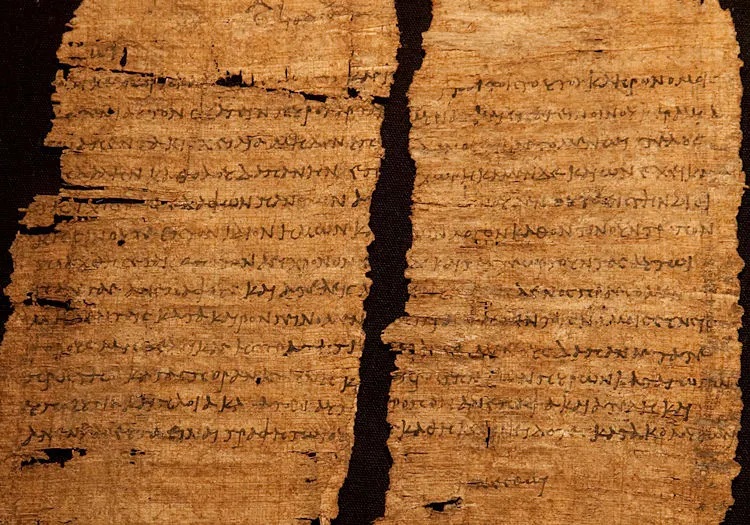 Document
Primary source
Papyrus with Signature of Cleopatra VII
Ptolemaic scribe; possibly countersigned by Cleopatra VII · February 33 BCE
 Painting
Secondary source
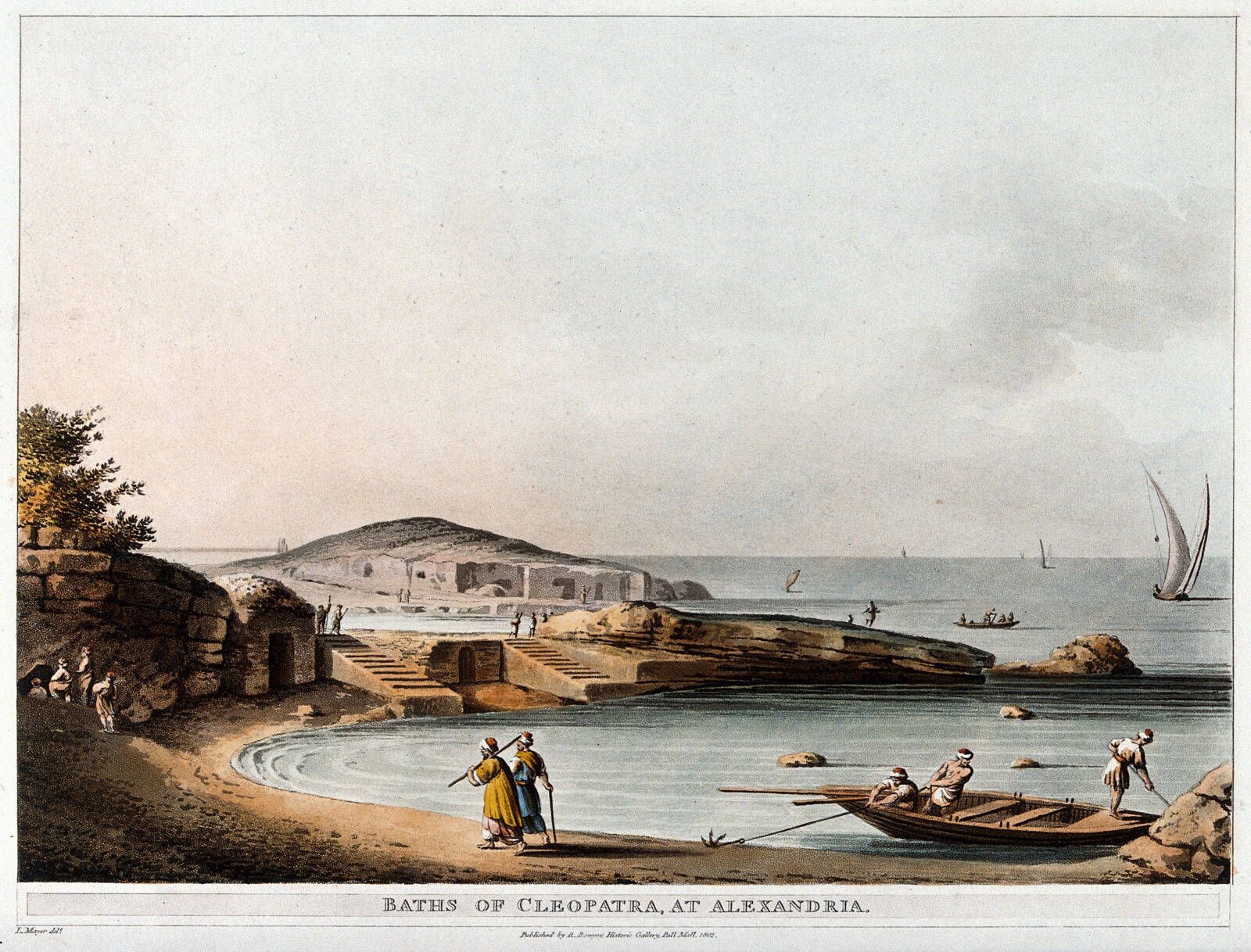
Baths of Cleopatra, at Alexandria
Luigi Mayer · 1802
 Sculpture
Secondary source
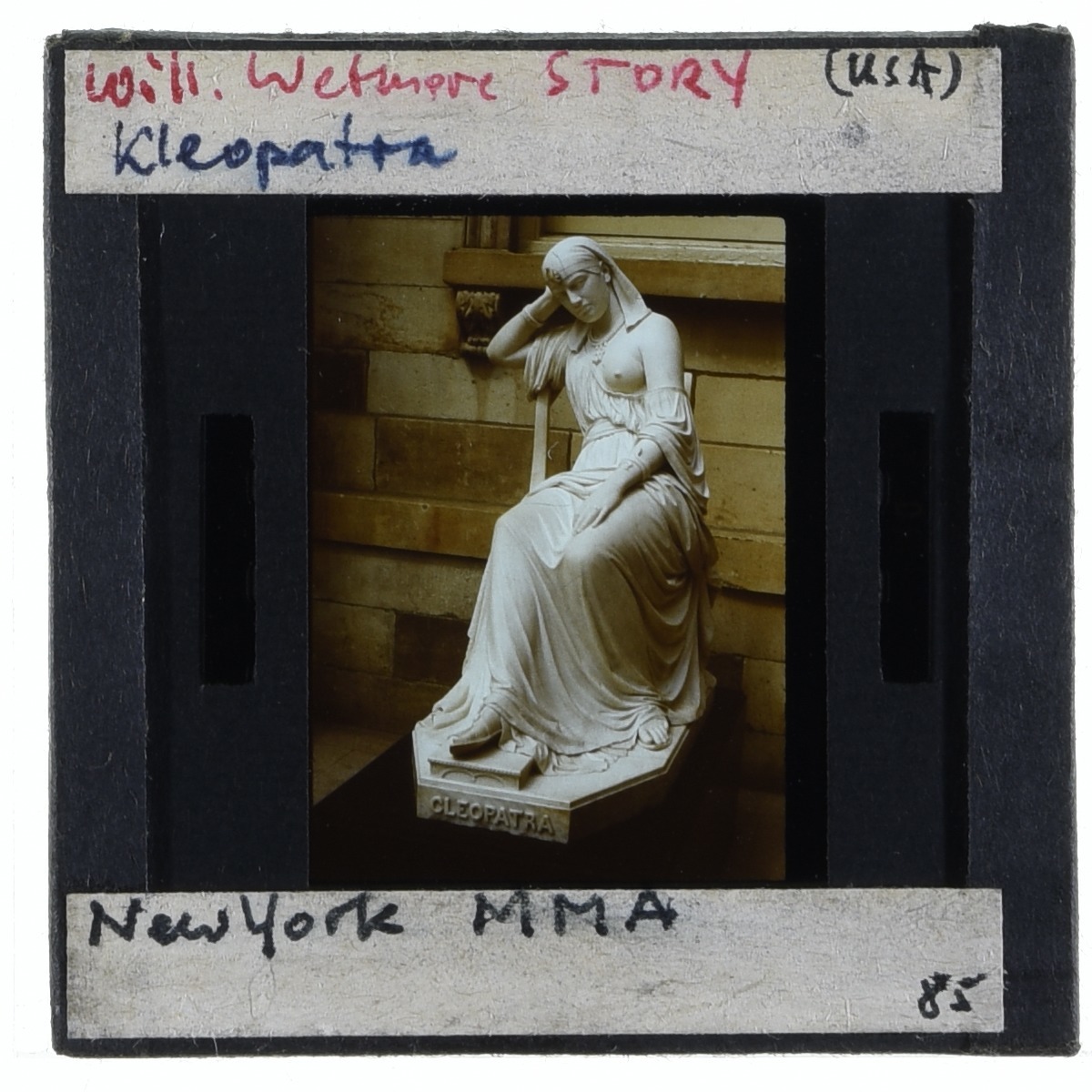
Cleopatra
William Wetmore Story
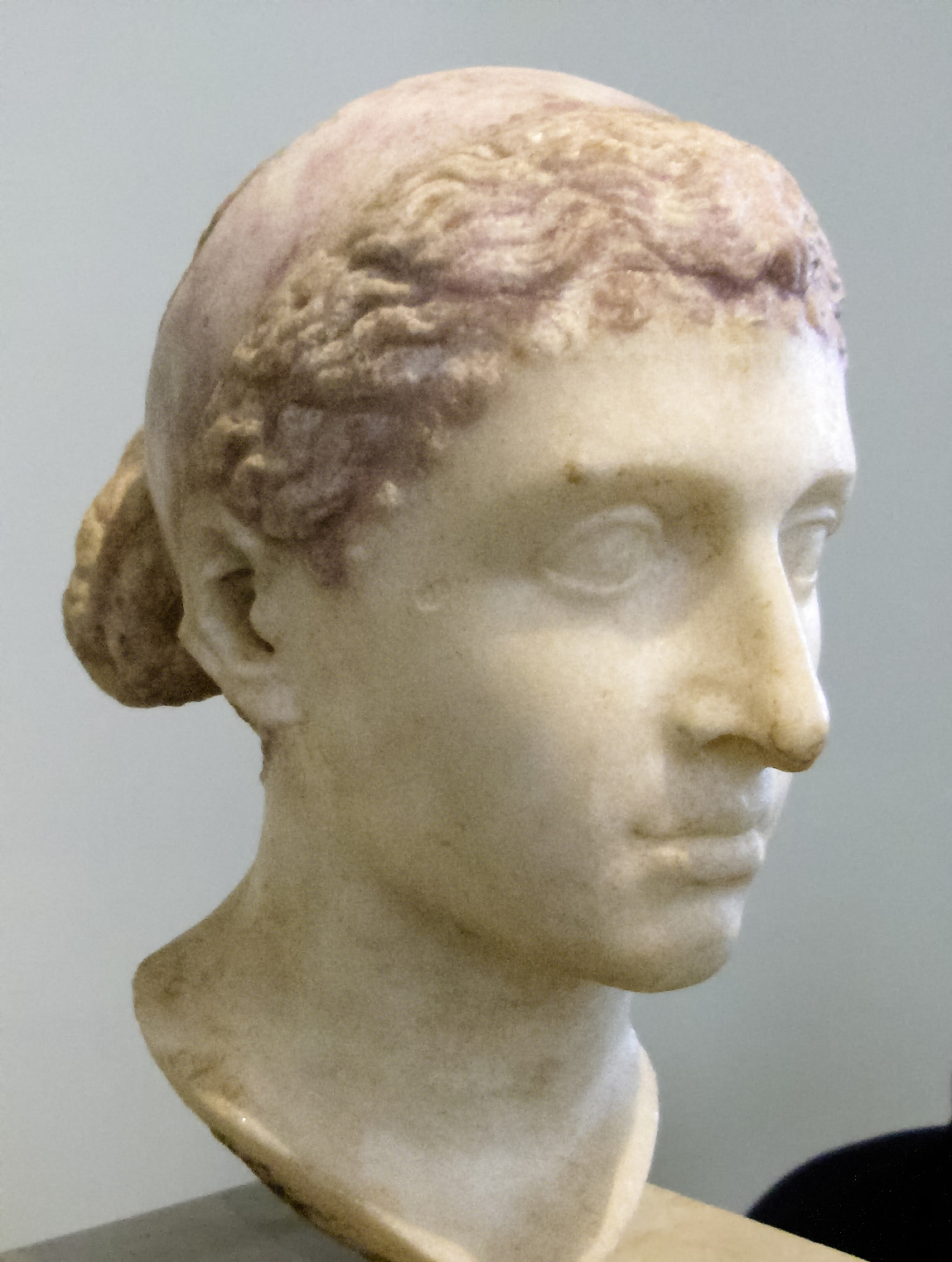 Sculpture
Primary source
Portrait of Cleopatra (Berlin Bust)
c. 40-30 BCE
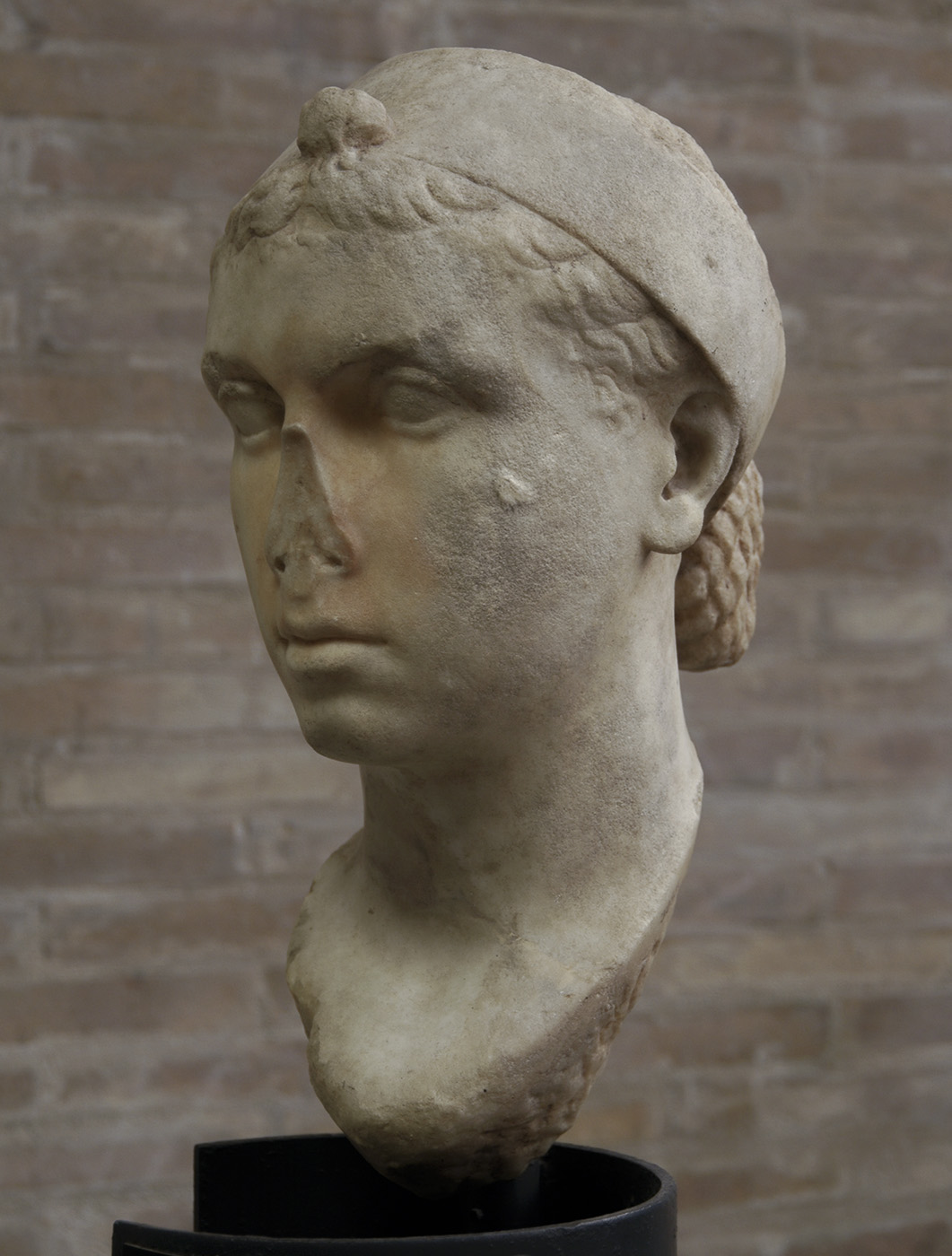 Sculpture
Primary source
Head-Portrait of Cleopatra VII (Vatican Bust)
c. 40-30 BCE
Ready when you are
Start chatting with Cleopatra now.
20 messages free · No credit card · Available in 50+ languages.