


Primary sourceArtifact
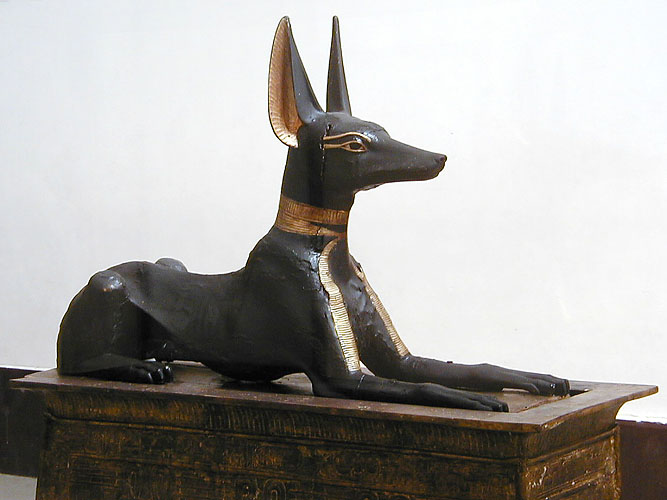
Anubis Shrine
A gilded wooden shrine topped by a statue of the jackal god Anubis, found guarding Tutankhamun's embalmed organs in his tomb.
This shrine was part of Tutankhamun's burial goods, protecting his embalmed organs in his tomb.
About this source
What it is
The Anubis Shrine is a gilded wooden chest topped with a statue of the god Anubis as a recumbent jackal, part of the burial equipment of Tutankhamun. It was found by Howard Carter's team in 1926 near the Treasury of the tomb, and is now in the Egyptian Museum in Cairo.
Why it matters
The shrine protected the king's canopic chest, which held his embalmed organs, and its decoration invokes Anubis as guardian of the dead. It reveals how carefully the Egyptians prepared Tutankhamun's body for the afterlife, and objects inside, like a writing palette naming Akhenaten's daughter Meritaten, connect the tomb to the wider royal family.
Look closer
- Why would a tomb need a guardian figure like Anubis?
- What do the materials and craftsmanship suggest about the importance of this object to the Egyptians?
- What does the presence of an object linked to another royal family member tell us about how the tomb's contents were assembled?
This artifact is part of the curated material that grounds the AI version of Tutankhamun on Humy.ai — when students ask about related events, the AI can quote it and cite it.
More Tutankhamun sources
Meet the AI Tutankhamun →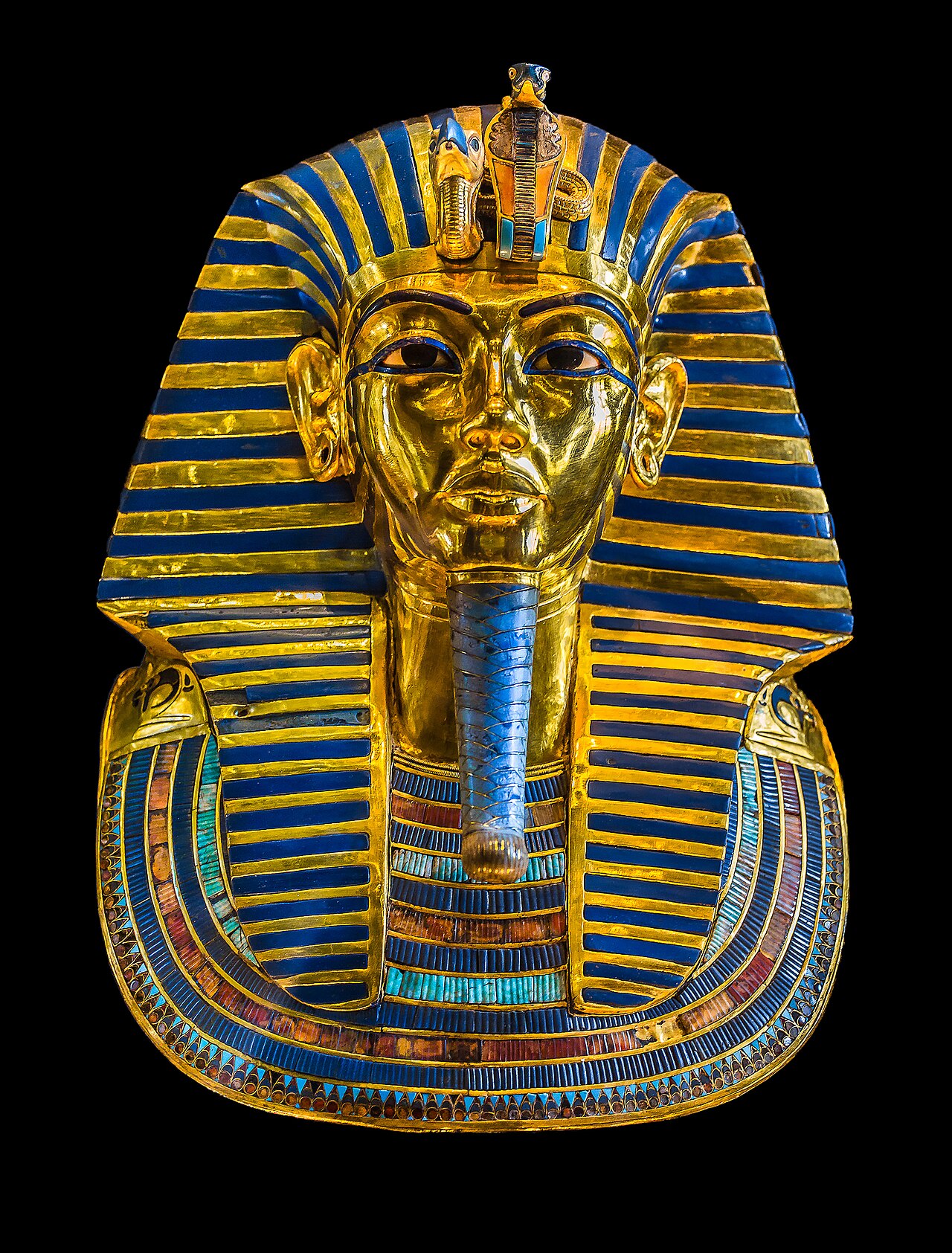 Artifact
Primary source
Mask of Tutankhamun
c. 1333 BCE
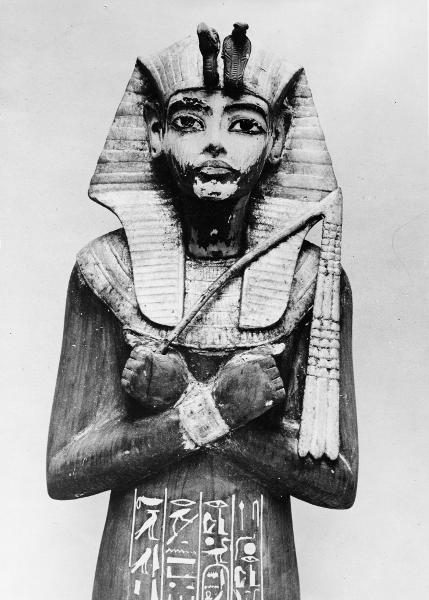 Photograph
Primary source
Photograph of Tutankhamun's Shawabti Figure
Harry Burton · 1920s
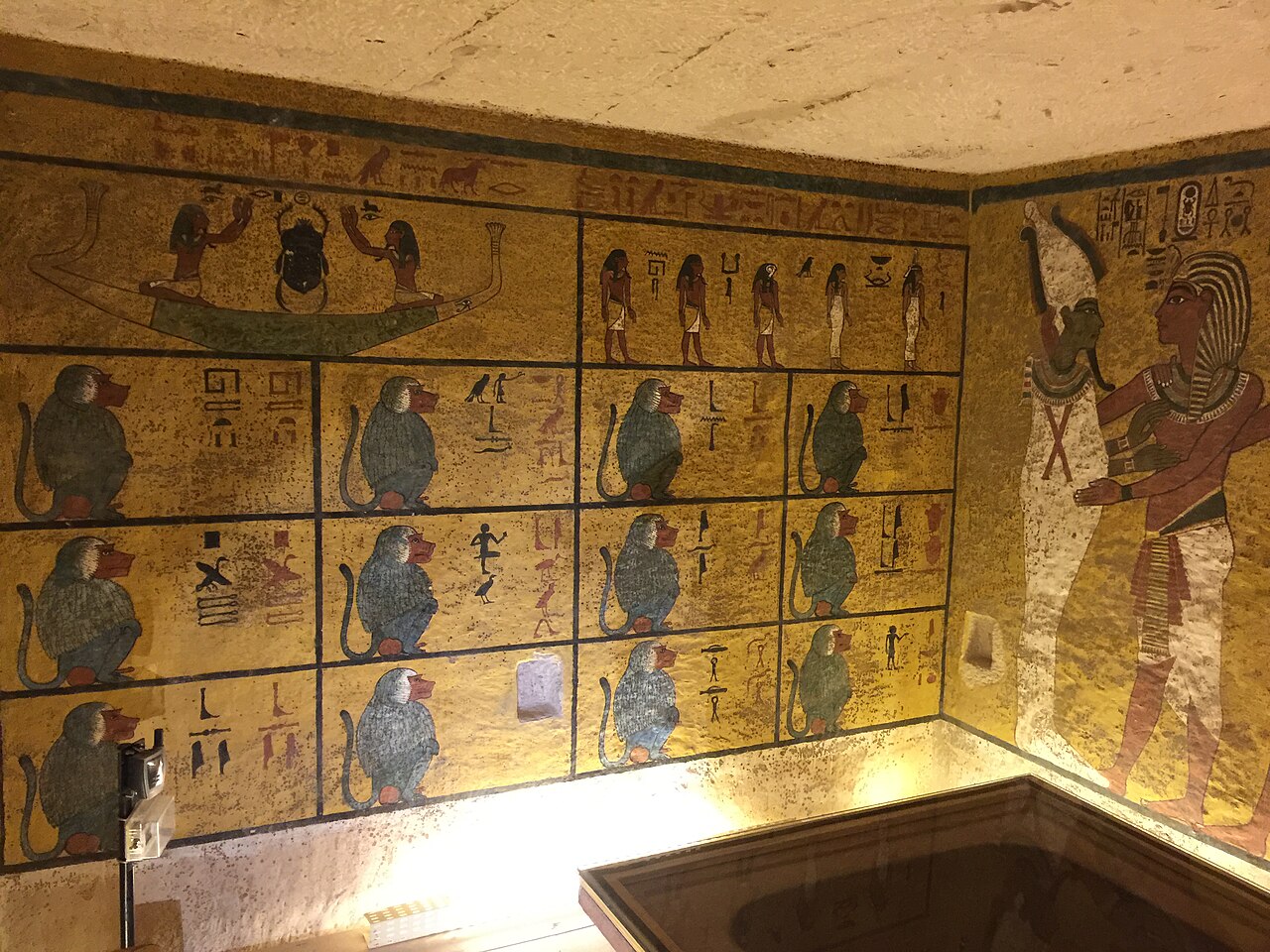 Artifact
Primary source
Tomb of Tutankhamun
14th century BCE
 Photograph
Primary source
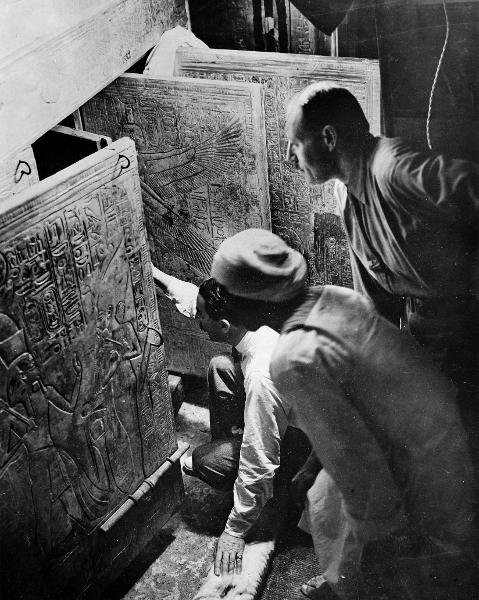
Opening the Doors of the Fourth Shrine in Tutankhamun's Tomb
Harry Burton · 1920s
 Document
Primary source
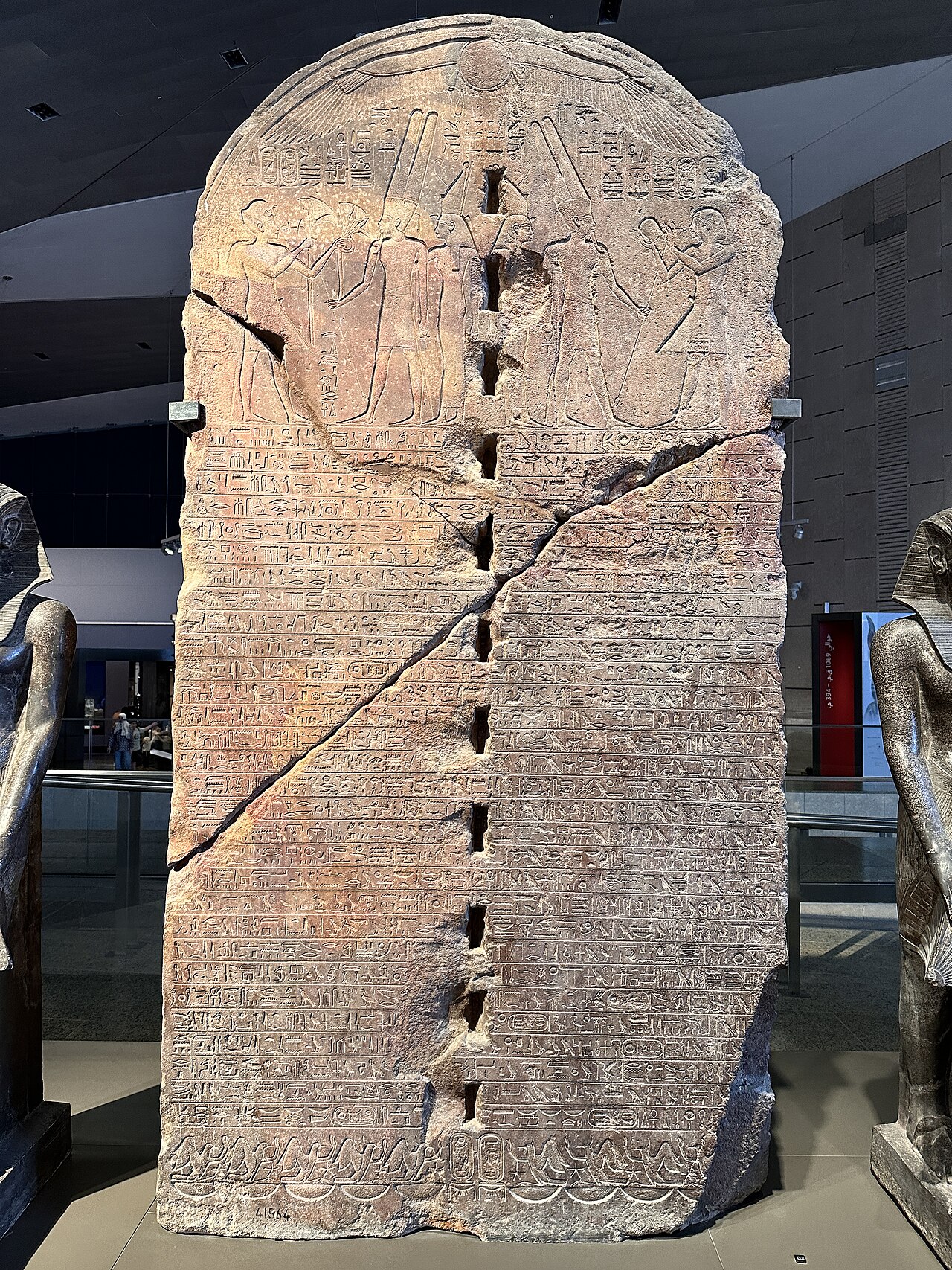
Restoration Stela
Tutankhamun · c. 1326 BCE
Ready when you are
Start chatting with Tutankhamun now.
20 messages free · No credit card · Available in 50+ languages.