


Secondary sourceBookc. 388-400 CE
Apocalypse of Paul
c. 388-400 CE
A 4th-century visionary text describing Paul's supposed journey through heaven and hell, later read widely in the Middle Ages.
This apocryphal vision expands on Paul's own brief mention of being taken up to the third heaven, shaping later legend about him.
About this source
What it is
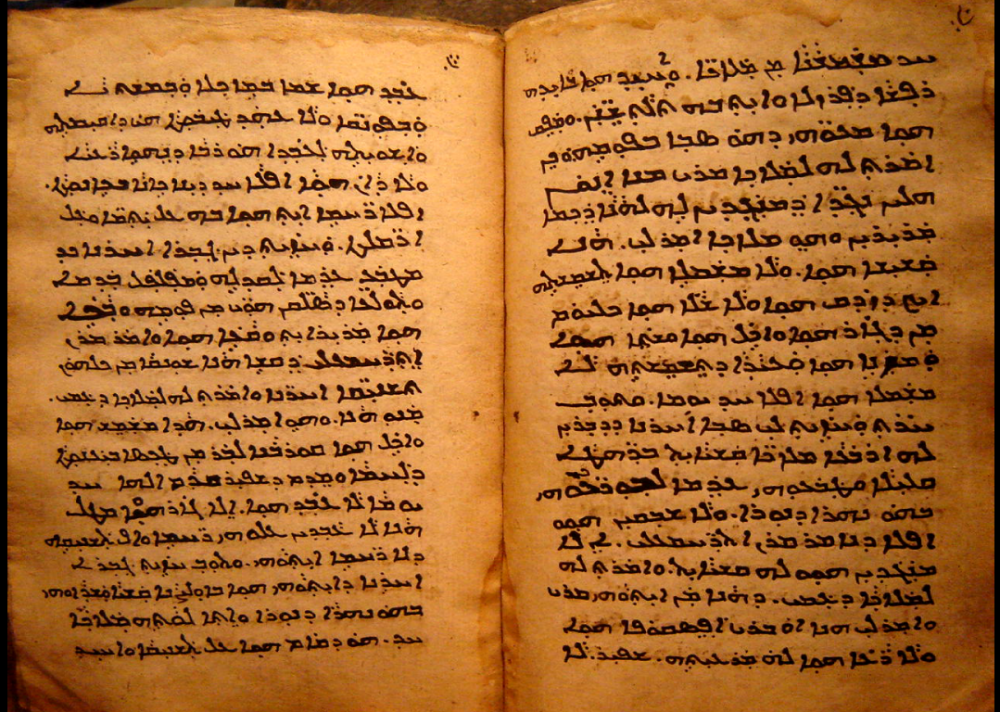
The Apocalypse of Paul is a non-canonical text from around the late 4th century, claiming to record a vision of heaven and hell experienced by Paul. The original Greek is lost, but the text survives through Latin and Syriac translations. The work claims it was discovered buried in Tarsus, Paul's hometown, though ancient writers like Augustine and Sozomen doubted this story.
Why it matters
Though rejected by church leaders as inauthentic, the Apocalypse of Paul was extremely popular in the Middle Ages and shaped Christian ideas about the afterlife. It likely influenced Dante's Divine Comedy. The text builds on Paul's own mention in 2 Corinthians of being taken up to the 'third heaven,' showing how his words inspired later imaginative elaboration.
- Why would a later writer invent a 'discovery' story to make this text seem authentic?
- How does this vision compare to what Paul himself briefly mentions in his genuine letters?
- Why might vivid descriptions of heaven and hell have been so popular in the Middle Ages?
This book is part of the curated material that grounds the AI version of Saint Paul on Humy.ai — when students ask about related events, the AI can quote it and cite it.
More Saint Paul sources
Meet the AI Saint Paul →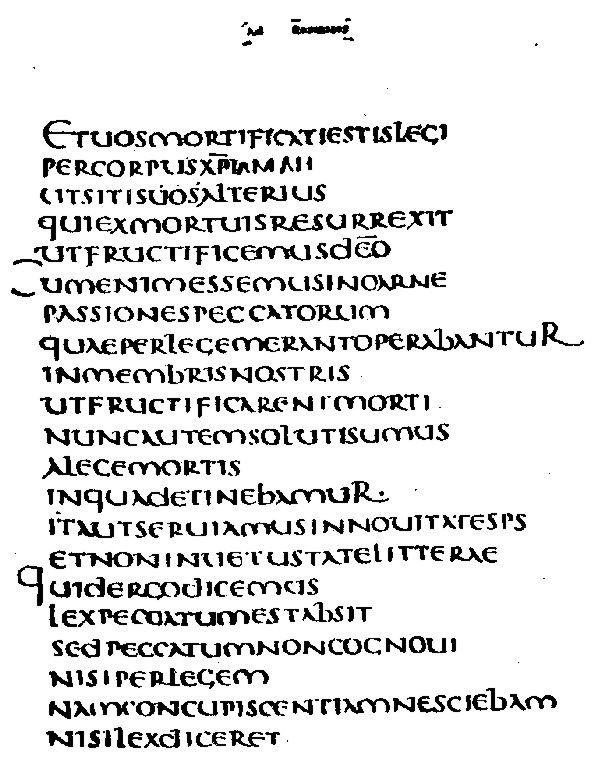 Letter
Primary source
Epistle to the Romans
Paul the Apostle · c. AD 57
 Painting
Secondary source
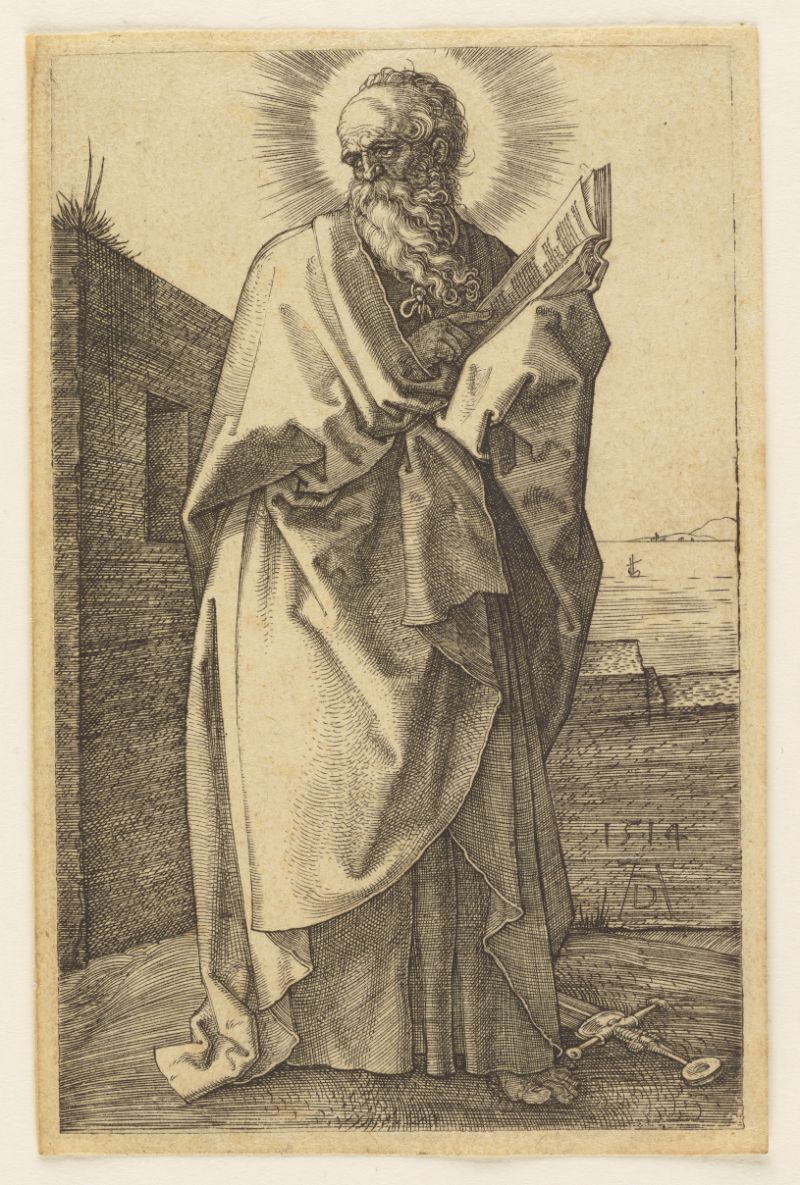
Saint Paul
Albrecht Dürer · 1514
 Letter
Secondary source
First Epistle to the Corinthians
Paul the Apostle · c. 54 AD
 Book
Primary source
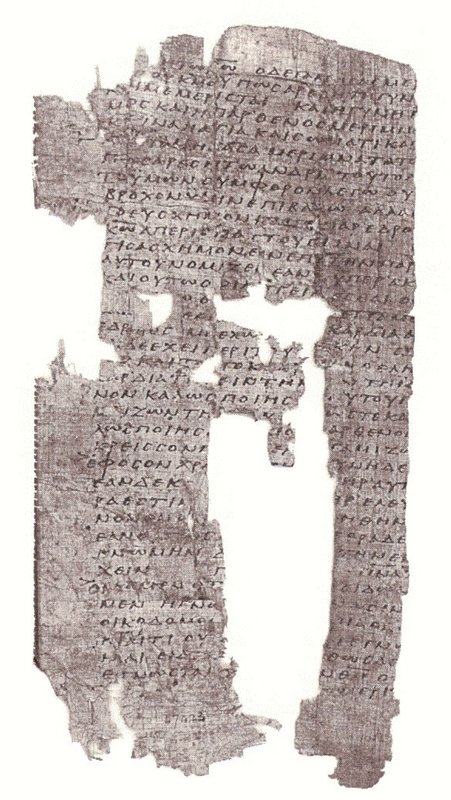
1 Corinthians 13
Paul the Apostle · c. AD 53-57
 Document
Secondary source
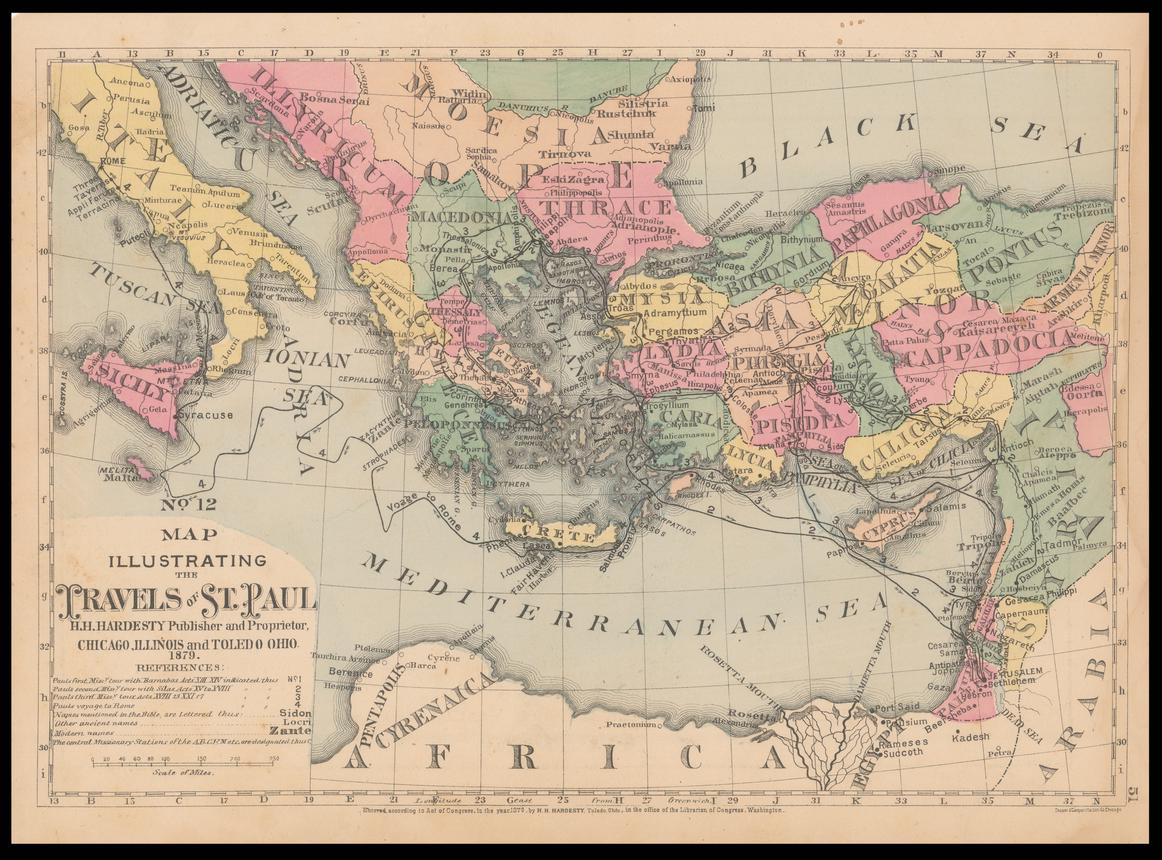
Map Illustrating the Travels of St. Paul
H.H. Hardesty · 1879
Ready when you are
Start chatting with Saint Paul now.
20 messages free · No credit card · Available in 50+ languages.