


Secondary sourcePainting1633
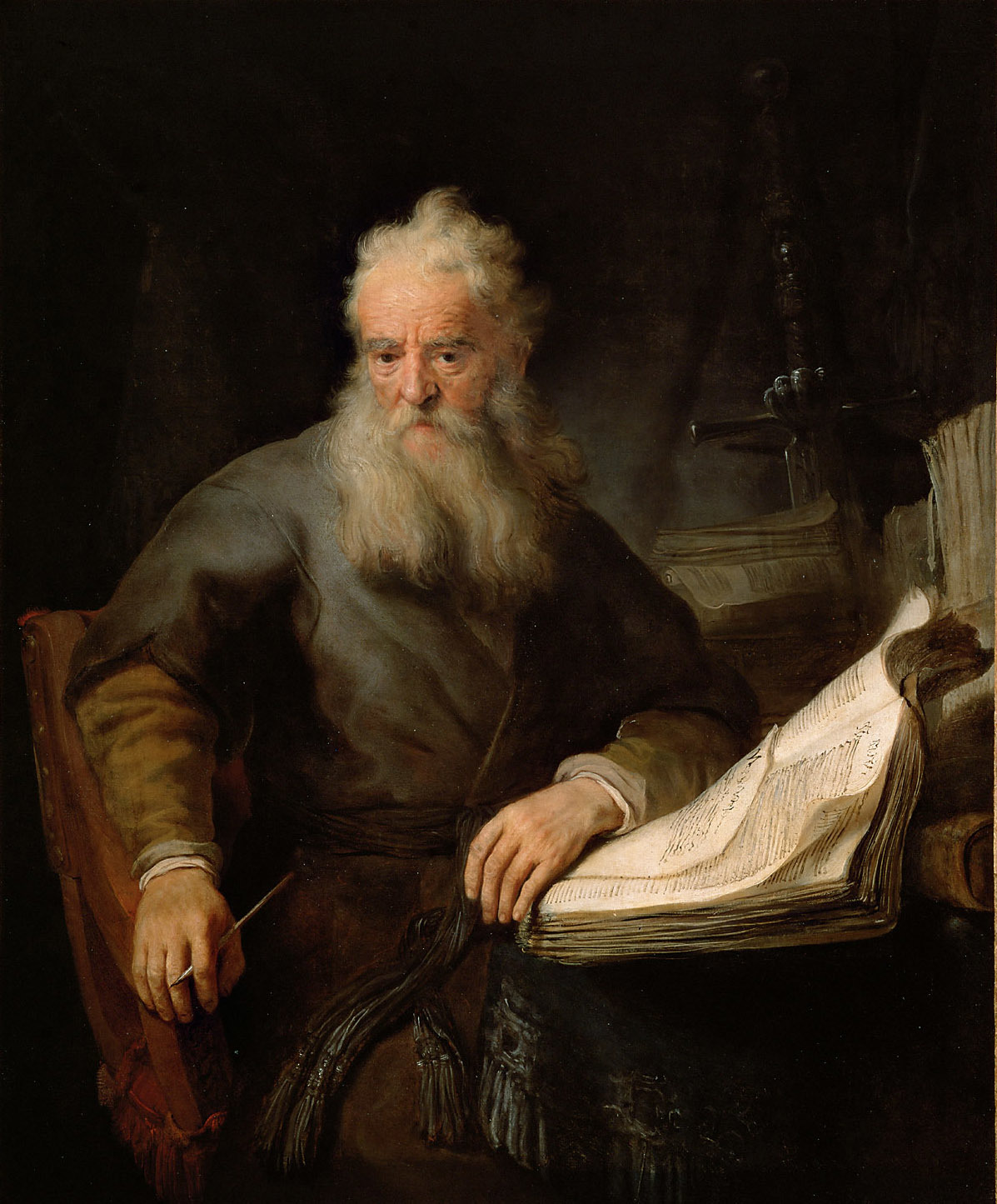
Apostle Paul
Rembrandt · 1633
Rembrandt's 1633 portrait imagines Paul as an elderly scholar, seated with a book, quill, and sword.
A scholarly imagined portrait of Paul as writer, with the sword symbolizing his later martyrdom.
About this source
What it is
This oil painting by Rembrandt, dated 1633, shows Paul as an old bearded man seated beside an open book, holding a quill, with a sword resting behind him. It is held by the Kunsthistorisches Museum in Vienna.
Why it matters
Rembrandt's portrait emphasizes Paul's role as a writer and thinker, surrounded by symbols of his learning and his tradition as a martyr (the sword). It reflects how 17th-century artists reimagined biblical figures with human depth and interior life.
Look closer
- What do the book and quill suggest about how Rembrandt wanted viewers to think of Paul?
- Why might the sword be included, and what might it symbolize?
- How does the lighting and setting affect the mood of the painting?
This painting is part of the curated material that grounds the AI version of Saint Paul on Humy.ai — when students ask about related events, the AI can quote it and cite it.
More Saint Paul sources
Meet the AI Saint Paul →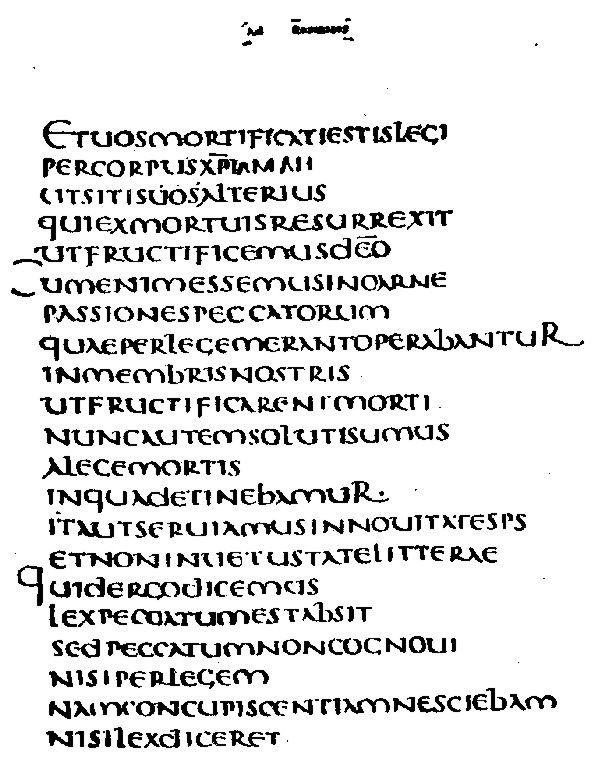 Letter
Primary source
Epistle to the Romans
Paul the Apostle · c. AD 57
 Painting
Secondary source
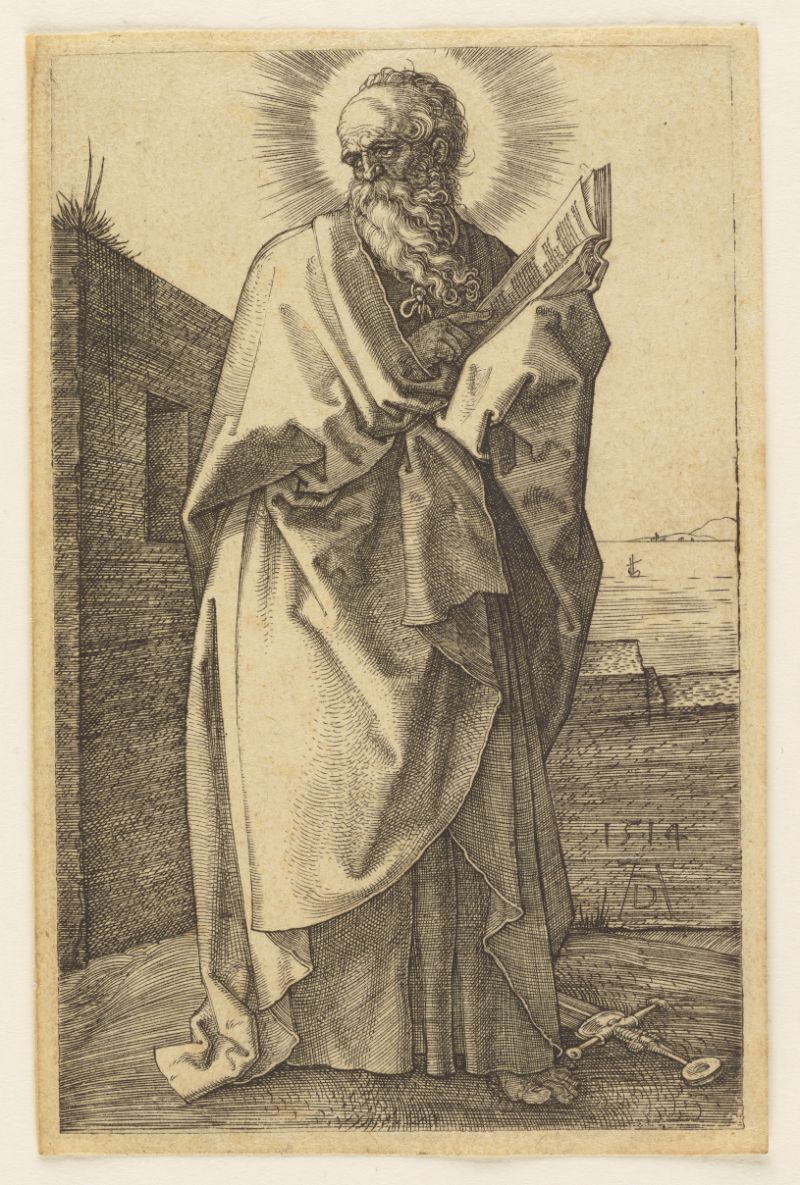
Saint Paul
Albrecht Dürer · 1514
 Letter
Secondary source
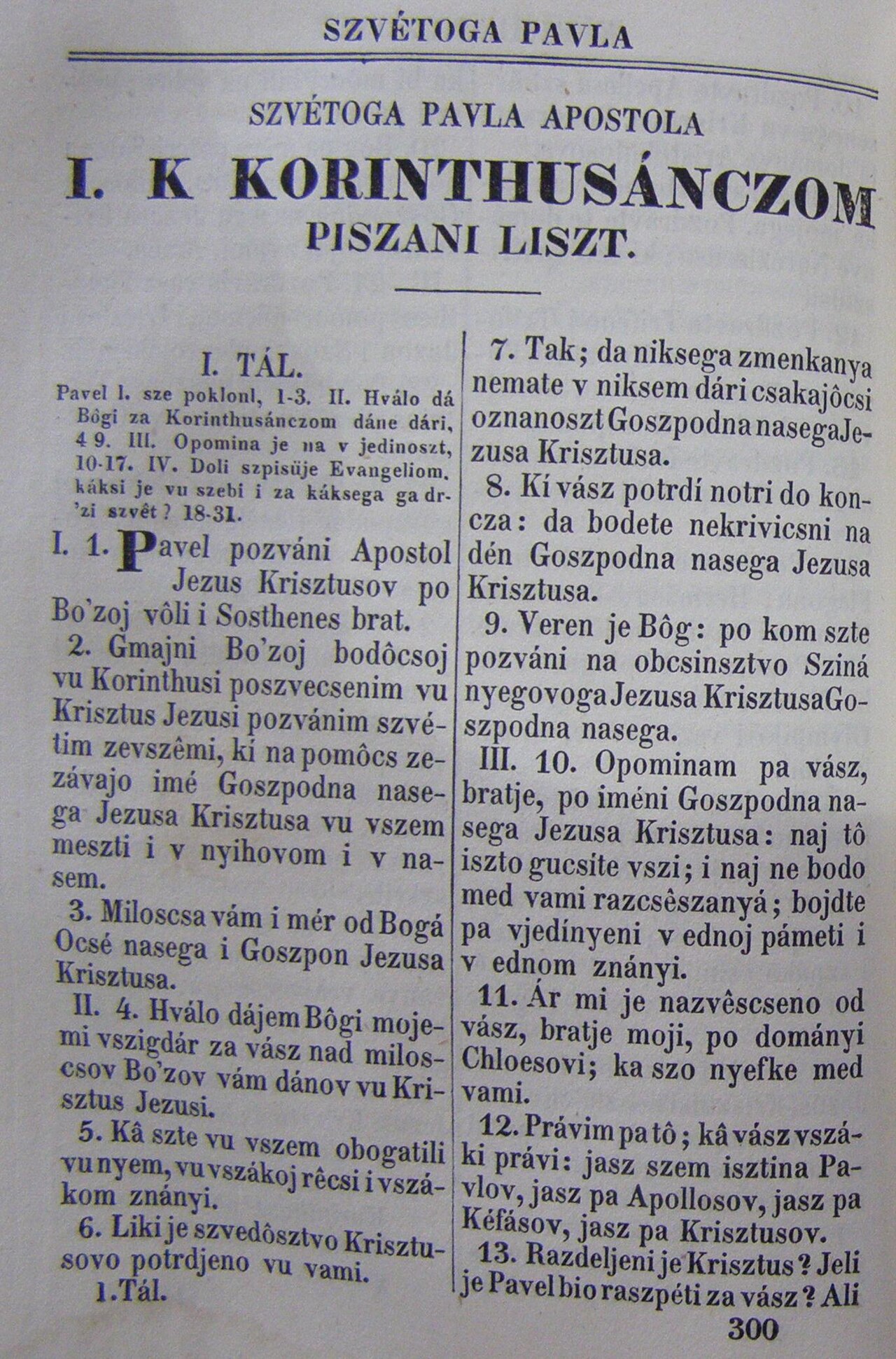
First Epistle to the Corinthians
Paul the Apostle · c. 54 AD
 Book
Primary source
1 Corinthians 13
Paul the Apostle · c. AD 53-57
 Document
Secondary source
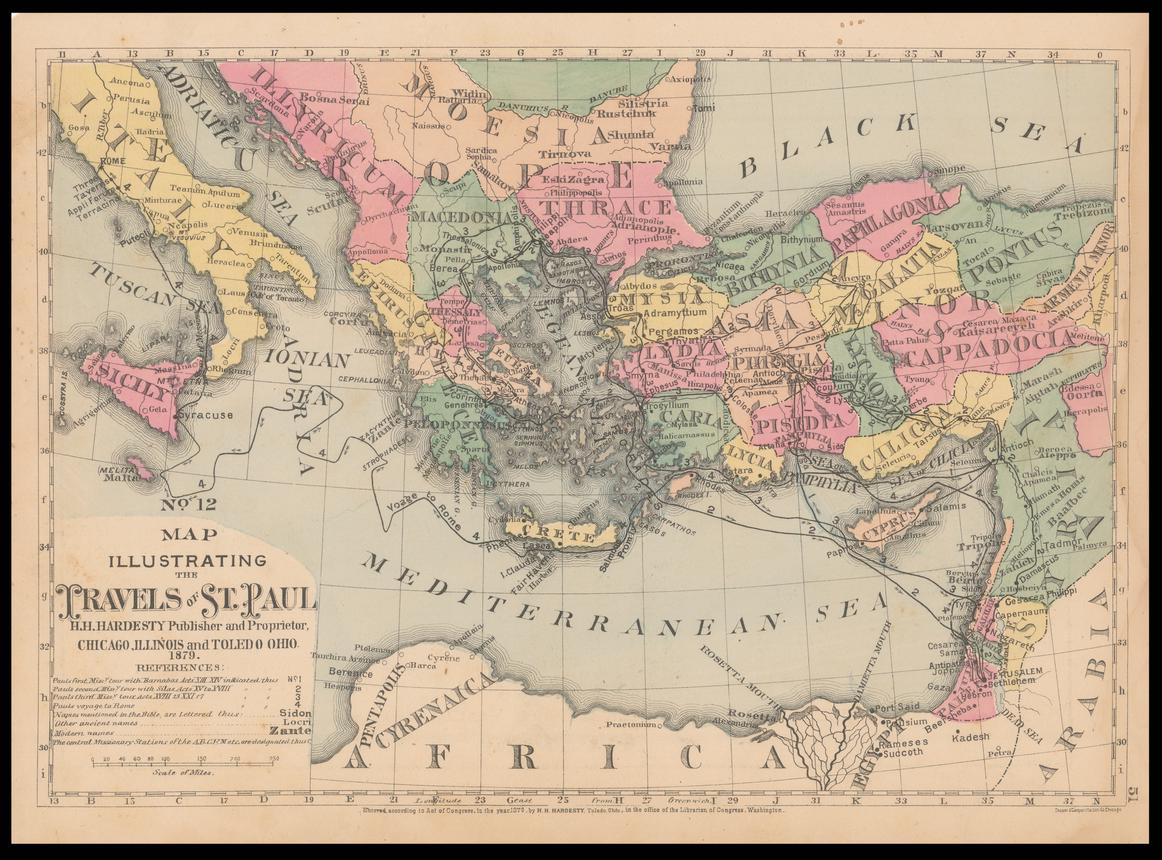
Map Illustrating the Travels of St. Paul
H.H. Hardesty · 1879
Ready when you are
Start chatting with Saint Paul now.
20 messages free · No credit card · Available in 50+ languages.