


Secondary sourceArtifactc. 30 BCE
Aquileia Dish
c. 30 BCE
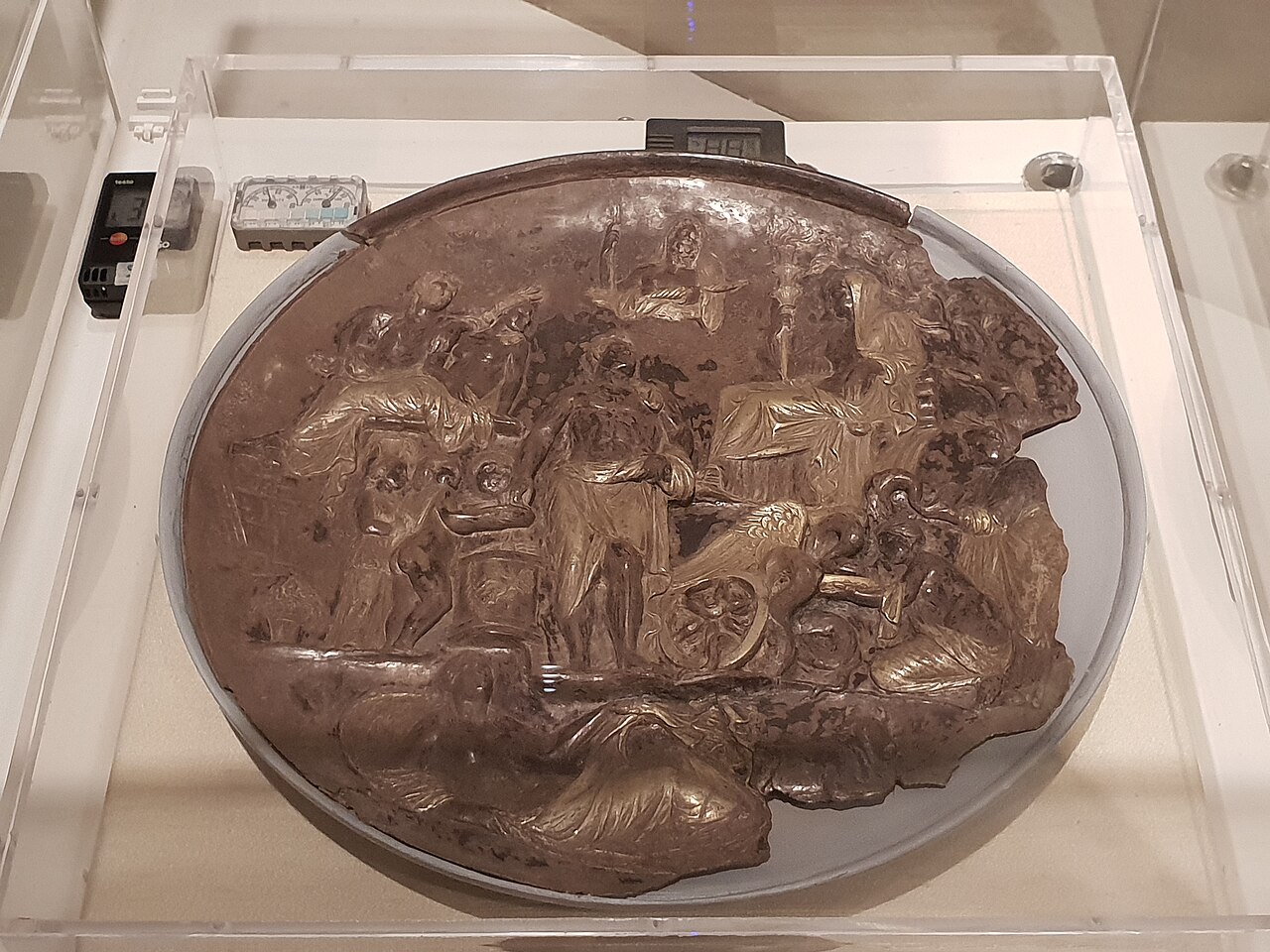
A silver relief plate possibly showing Mark Antony and Cleopatra with their children disguised as Greek gods.
Possibly a piece of court art showing Cleopatra, Antony, and their children in divine disguise.
About this source
What it is
This is a silver plate, originally gilded, decorated with a relief of eleven figures from Greek mythology. It was found near Aquileia and later given to the Kunsthistorisches Museum in Vienna, where it is kept today. Scholars do not know for certain where or when it was made, though some date it to around 30 BCE.
Why it matters
Some historians believe the central figures are not really gods but Cleopatra and Mark Antony shown as the deities Demeter and Triptolemos, with their three children beside them. If true, it is a rare surviving piece of art connected to their court, made to present the royal family in a grand, idealised way. It shows how rulers used religious imagery to send political messages.
Look closer
- Why might a ruler want to be shown as a god rather than as themselves?
- What details make historians unsure who is really pictured here?
- What does the plate not tell us about the real people in Cleopatra's family?
This artifact is part of the curated material that grounds the AI version of Cleopatra on Humy.ai — when students ask about related events, the AI can quote it and cite it.
More Cleopatra sources
Meet the AI Cleopatra →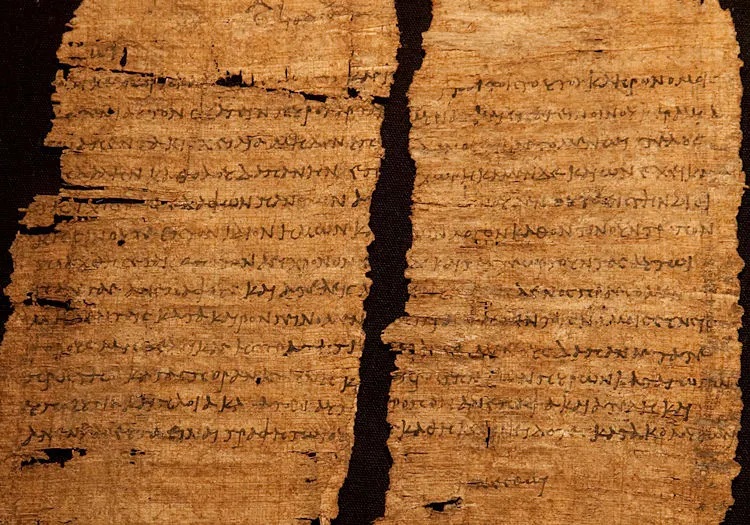 Document
Primary source
Papyrus with Signature of Cleopatra VII
Ptolemaic scribe; possibly countersigned by Cleopatra VII · February 33 BCE
 Painting
Secondary source
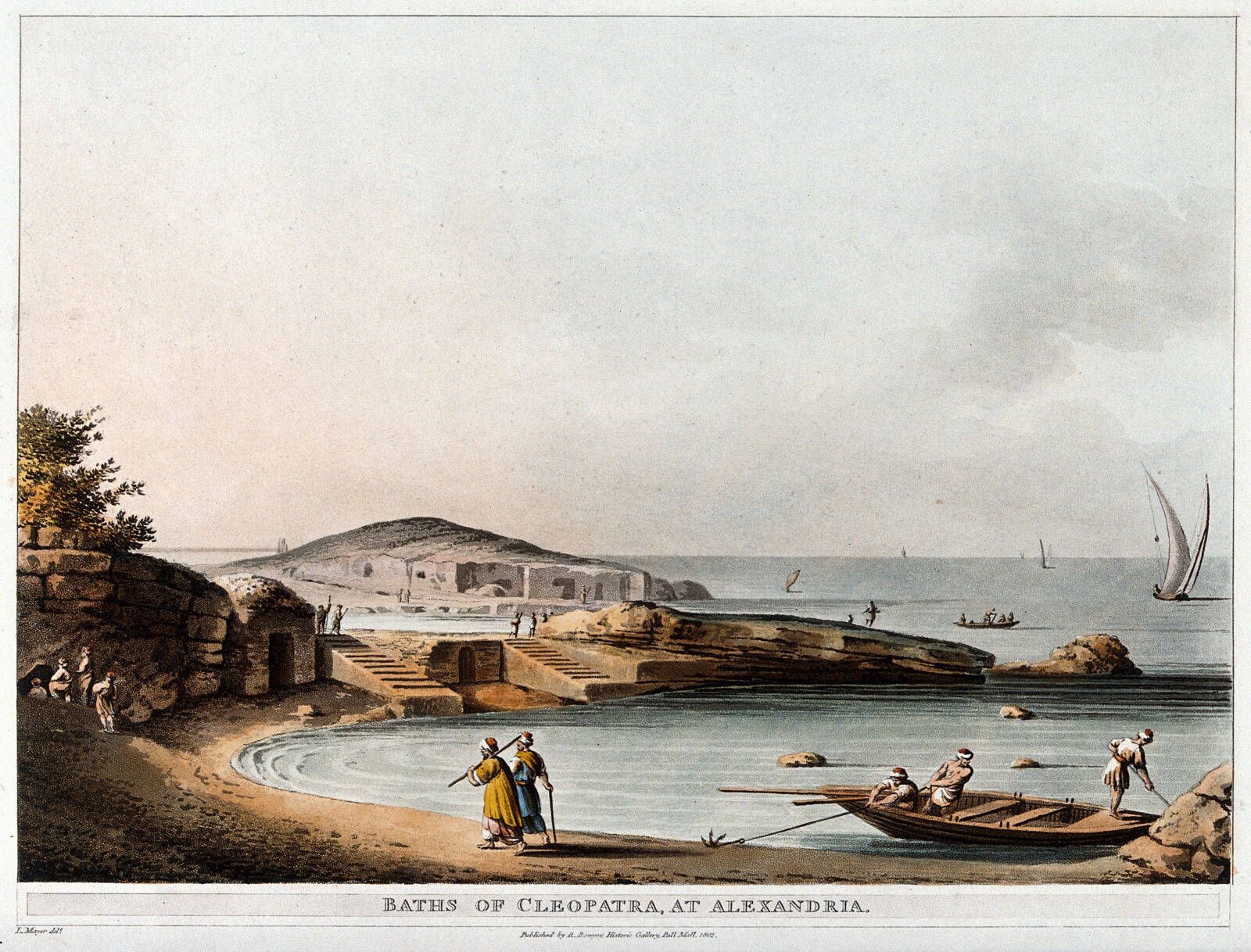
Baths of Cleopatra, at Alexandria
Luigi Mayer · 1802
 Sculpture
Secondary source
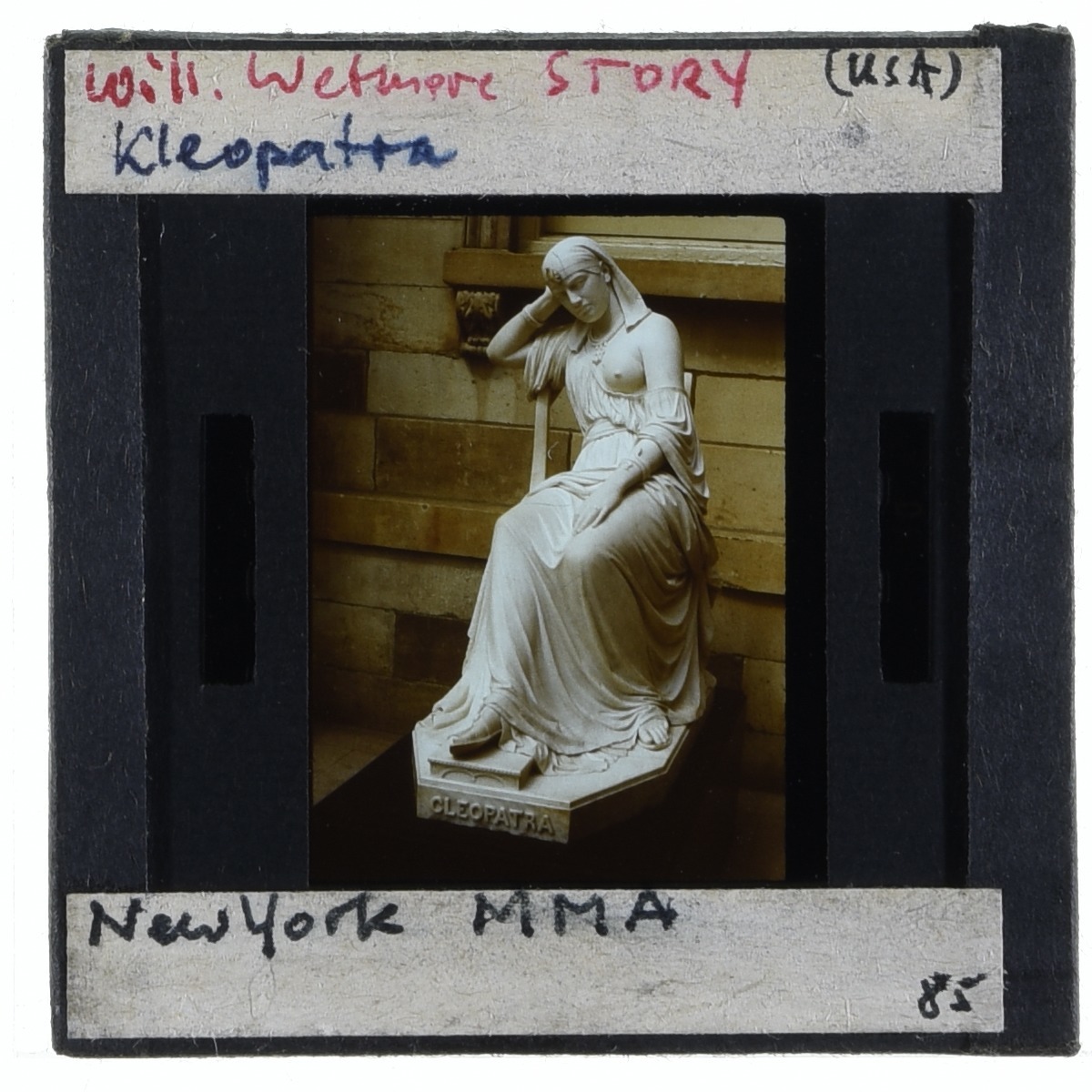
Cleopatra
William Wetmore Story
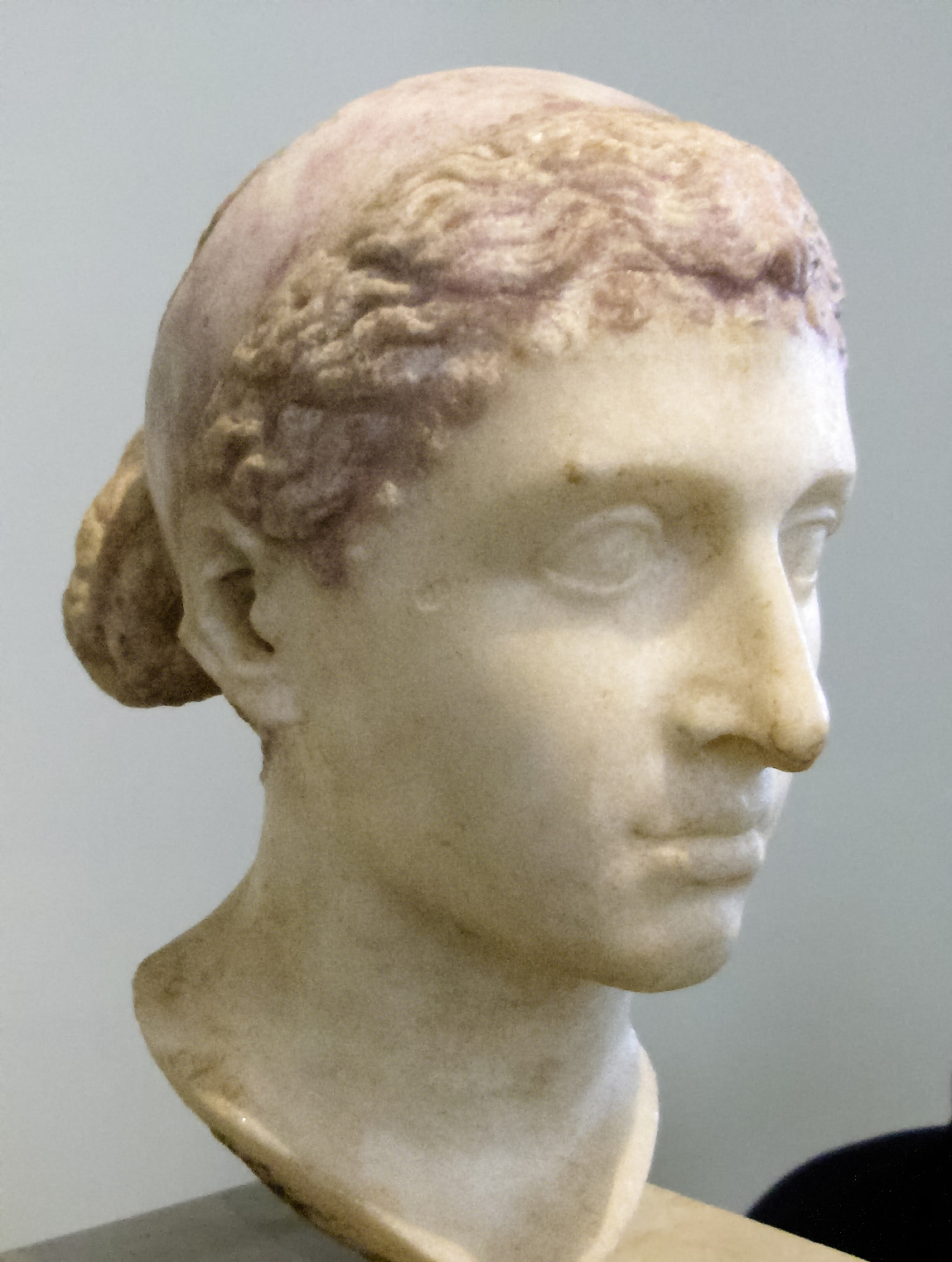 Sculpture
Primary source
Portrait of Cleopatra (Berlin Bust)
c. 40-30 BCE
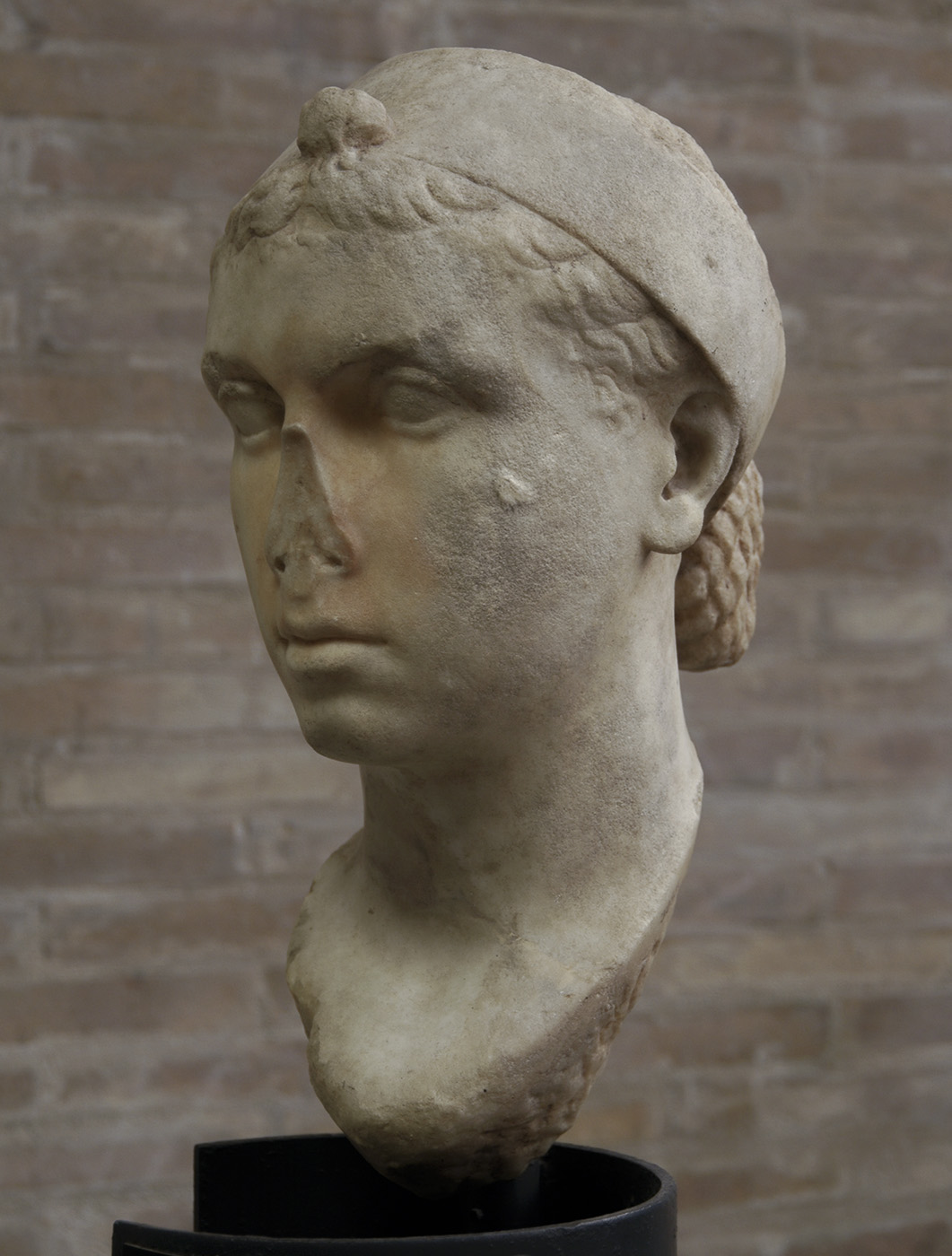 Sculpture
Primary source
Head-Portrait of Cleopatra VII (Vatican Bust)
c. 40-30 BCE
Ready when you are
Start chatting with Cleopatra now.
20 messages free · No credit card · Available in 50+ languages.