


Secondary sourceSpeech
Areopagus Sermon
Paul the Apostle
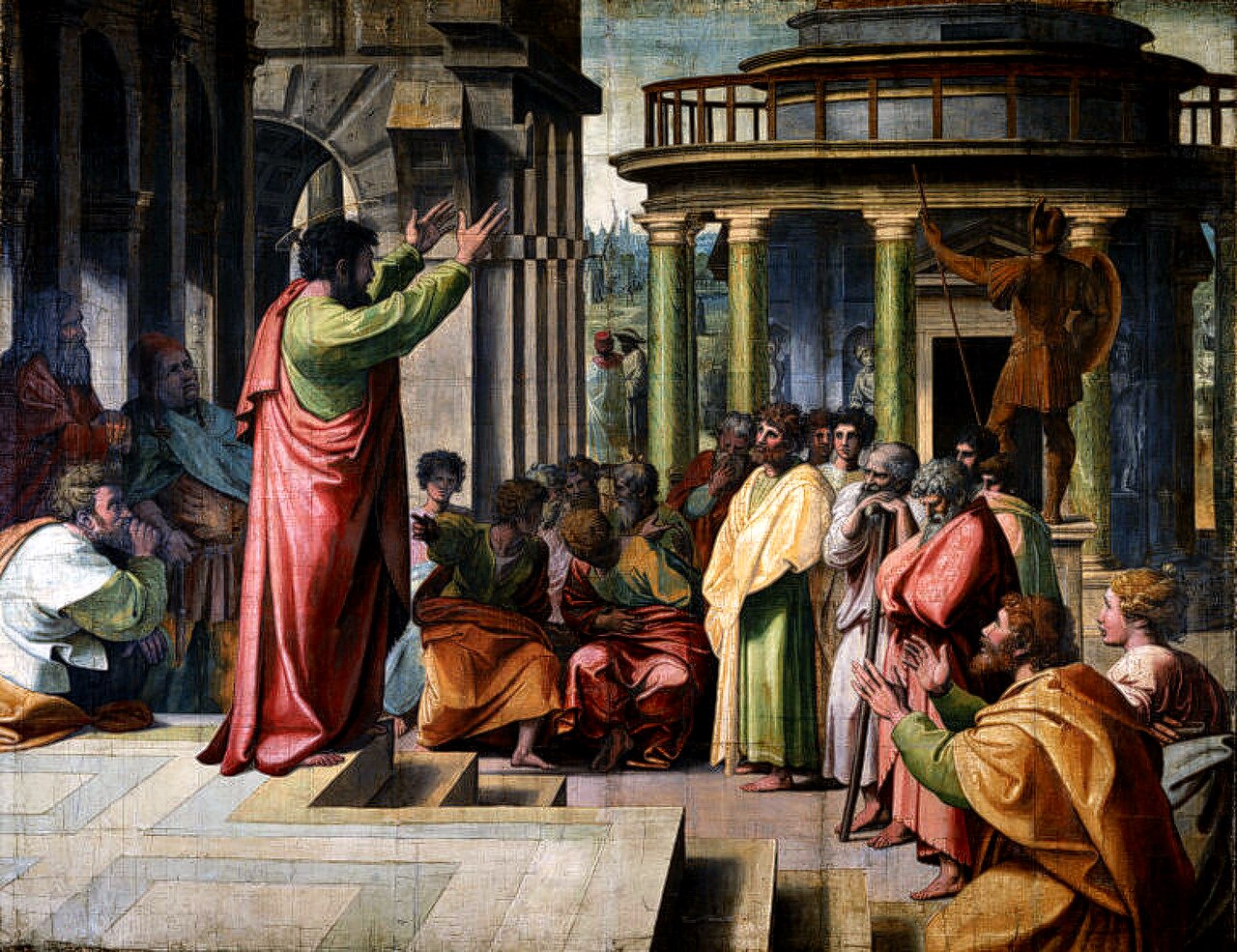
Paul's speech to philosophers at the Areopagus in Athens, recorded in Acts, engaging Greek religious and philosophical ideas to present the Christian message.
Paul delivered this speech himself, directly engaging Greek philosophers about his religious message.
About this source
What it is
This is a speech attributed to Paul the Apostle, recounted in the Acts of the Apostles, which he delivered at the Areopagus (a hill and high court) in Athens. It is the most fully reported speech of his missionary career.
Why it matters
The sermon shows Paul engaging directly with Greek philosophy, quoting Greek poets to make his point about an "unknown god" that Athenians already worshipped without understanding. It marks an early step in explaining Christian ideas about Jesus to a non-Jewish, philosophically trained audience, and it led to some Athenians, including a woman named Damaris and a court member named Dionysius, becoming followers.
Look closer
- Why might Paul choose to quote Greek poets rather than only Jewish scripture when speaking to this audience?
- What does the setting — a court and center of temples — suggest about the risk Paul was taking?
- The painting shown here was made over a thousand years later. What might it get right, and what might it invent?
This speech is part of the curated material that grounds the AI version of Saint Paul on Humy.ai — when students ask about related events, the AI can quote it and cite it.
More Saint Paul sources
Meet the AI Saint Paul →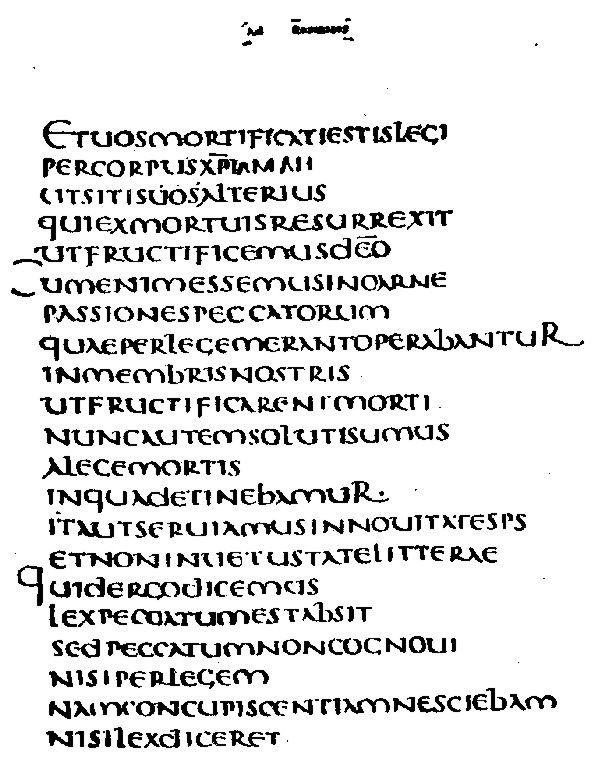 Letter
Primary source
Epistle to the Romans
Paul the Apostle · c. AD 57
 Painting
Secondary source
Saint Paul
Albrecht Dürer · 1514
 Letter
Secondary source
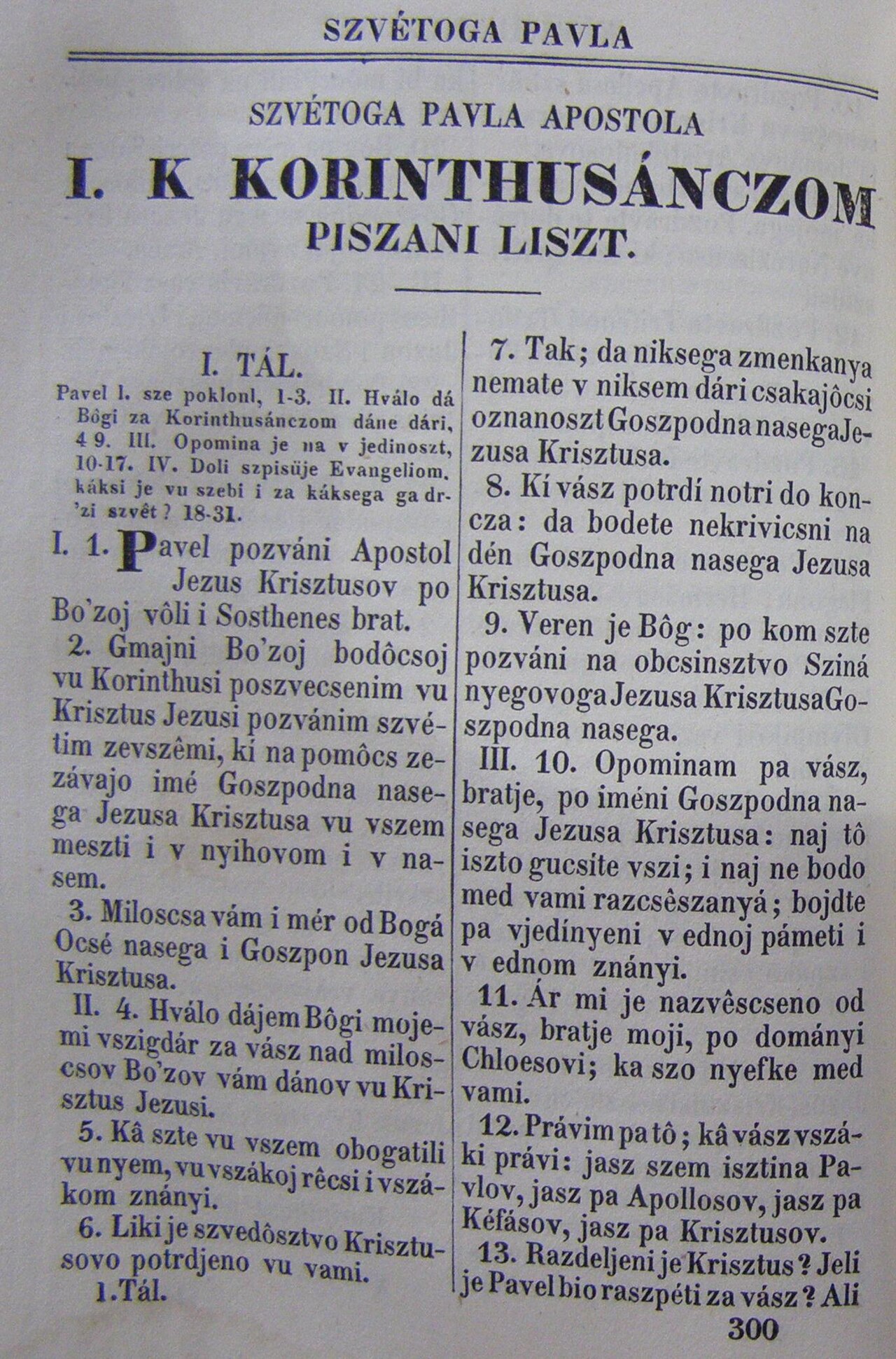
First Epistle to the Corinthians
Paul the Apostle · c. 54 AD
 Book
Primary source
1 Corinthians 13
Paul the Apostle · c. AD 53-57
 Document
Secondary source
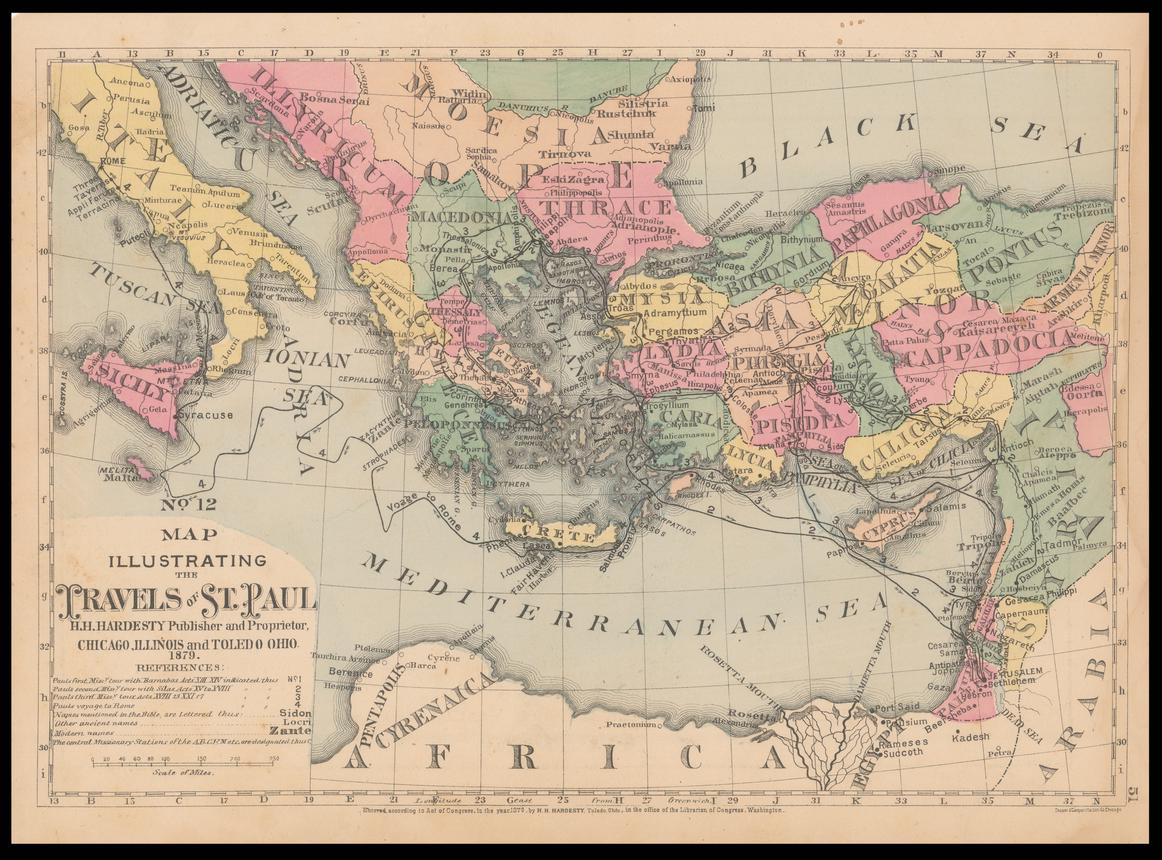
Map Illustrating the Travels of St. Paul
H.H. Hardesty · 1879
Ready when you are
Start chatting with Saint Paul now.
20 messages free · No credit card · Available in 50+ languages.