


Primary sourceDocument1820
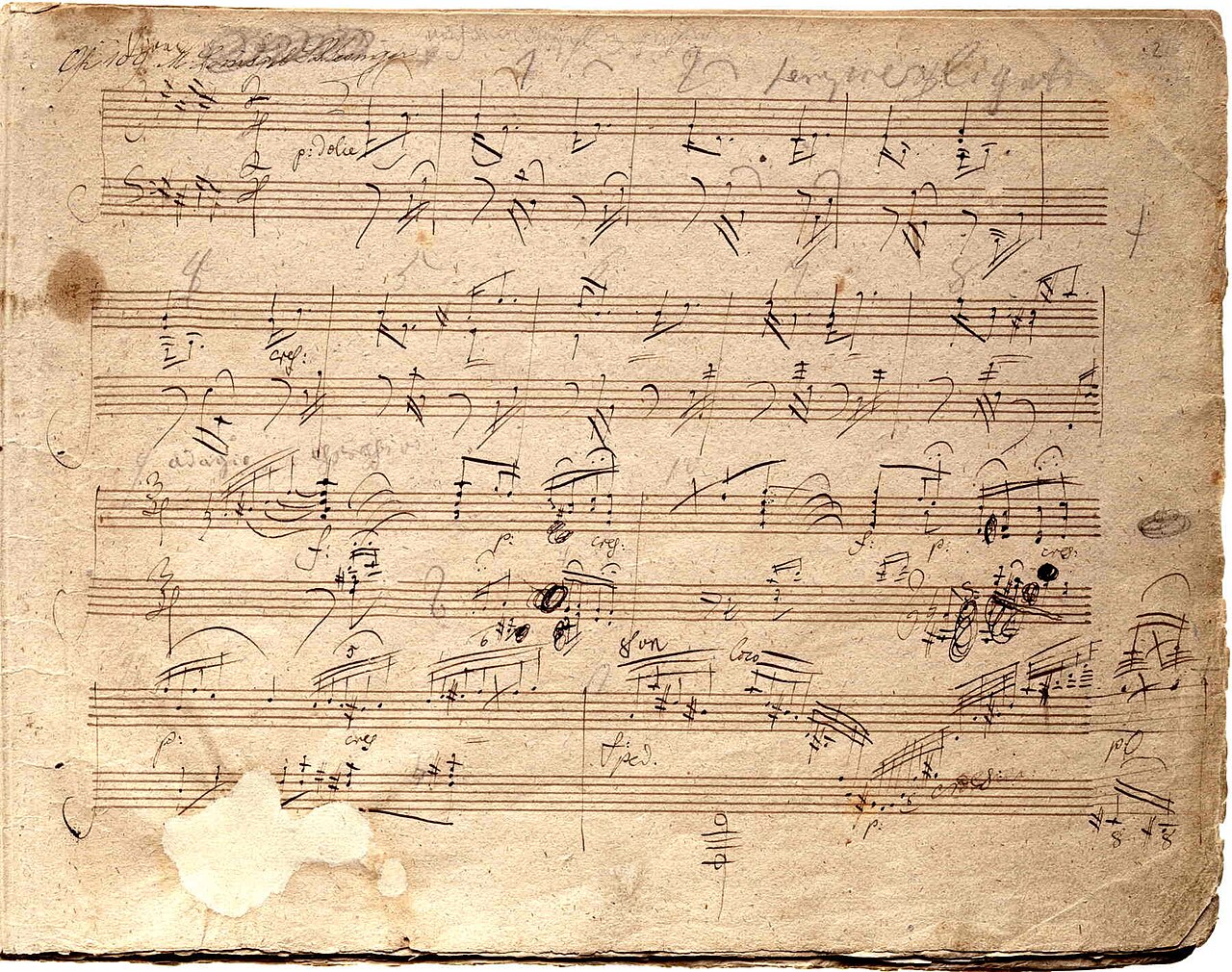
Autograph First Page of Piano Sonata No. 30, Op. 109
Ludwig van Beethoven · 1820
The first page of Beethoven's handwritten manuscript for his Piano Sonata No. 30, Op. 109, composed in 1820.
The composer's own handwritten manuscript, showing his working method during his late creative period.
About this source
What it is
This is the first page of Ludwig van Beethoven's autograph manuscript for his Piano Sonata No. 30, Op. 109, written in his own hand in 1820.
Why it matters
This manuscript lets students see Beethoven's handwriting and working notation directly, including performance markings such as 'Vivace' and 'Adagio.' It comes from his late period, when he was composing some of his most personal and innovative piano works, despite his increasing deafness.
Look closer
- What can you tell about how Beethoven composed from the way the notes and markings are written on the page?
- Why might a stain or wear on the paper matter to historians studying this manuscript?
- What do the Italian performance directions tell you about musical traditions of the time?
This document is part of the curated material that grounds the AI version of Ludwig van Beethoven on Humy.ai — when students ask about related events, the AI can quote it and cite it.
More Ludwig van Beethoven sources
Meet the AI Ludwig van Beethoven →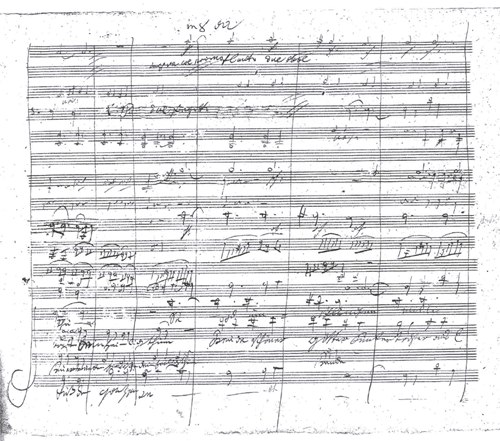 Document
Primary source
Symphony No. 9
Ludwig van Beethoven · 1824
 Sculpture
Secondary source
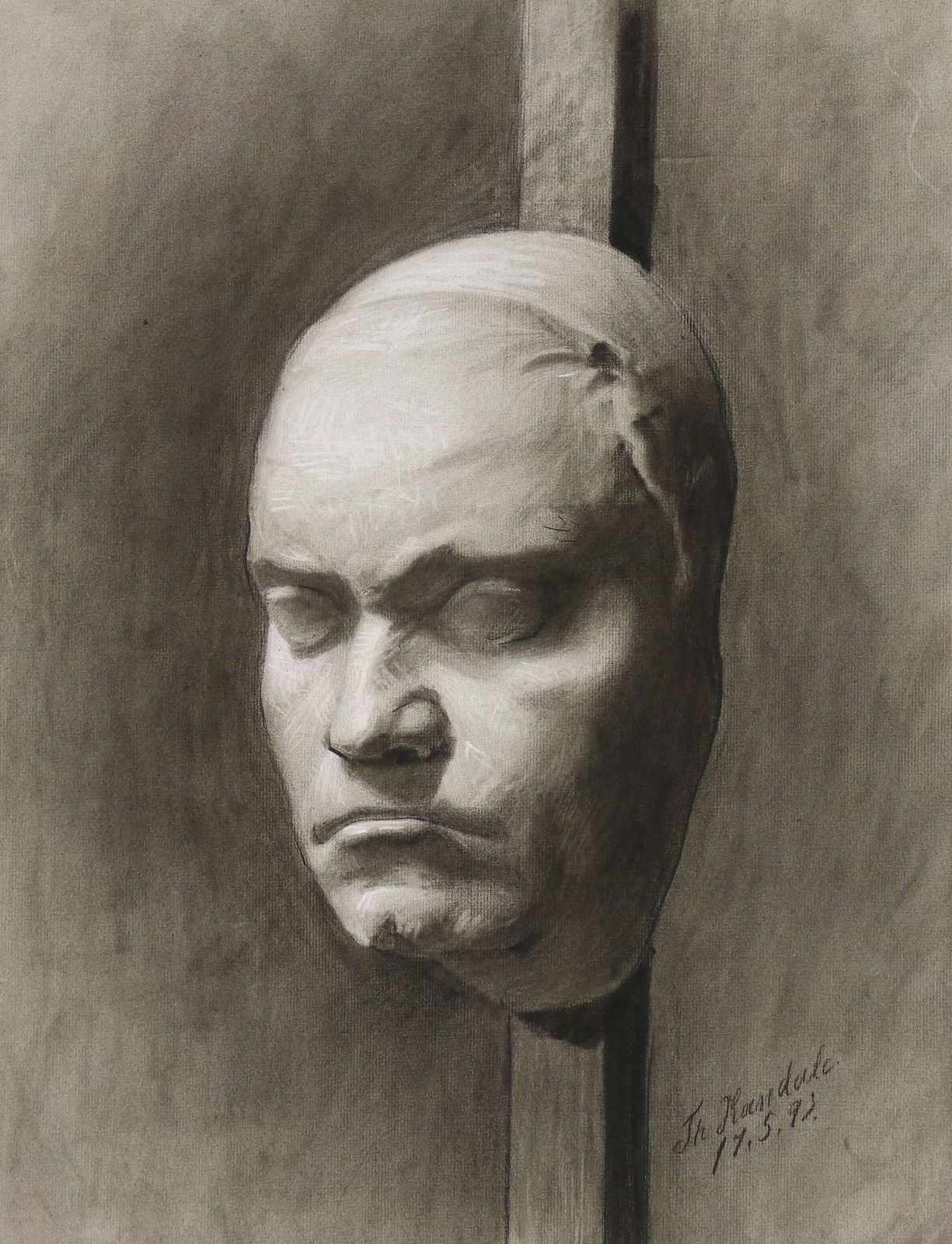
Death of Ludwig van Beethoven
Theodor Kandale (after Josef Danhauser) · 1827 (mask); drawing 1893
 Sculpture
Secondary source
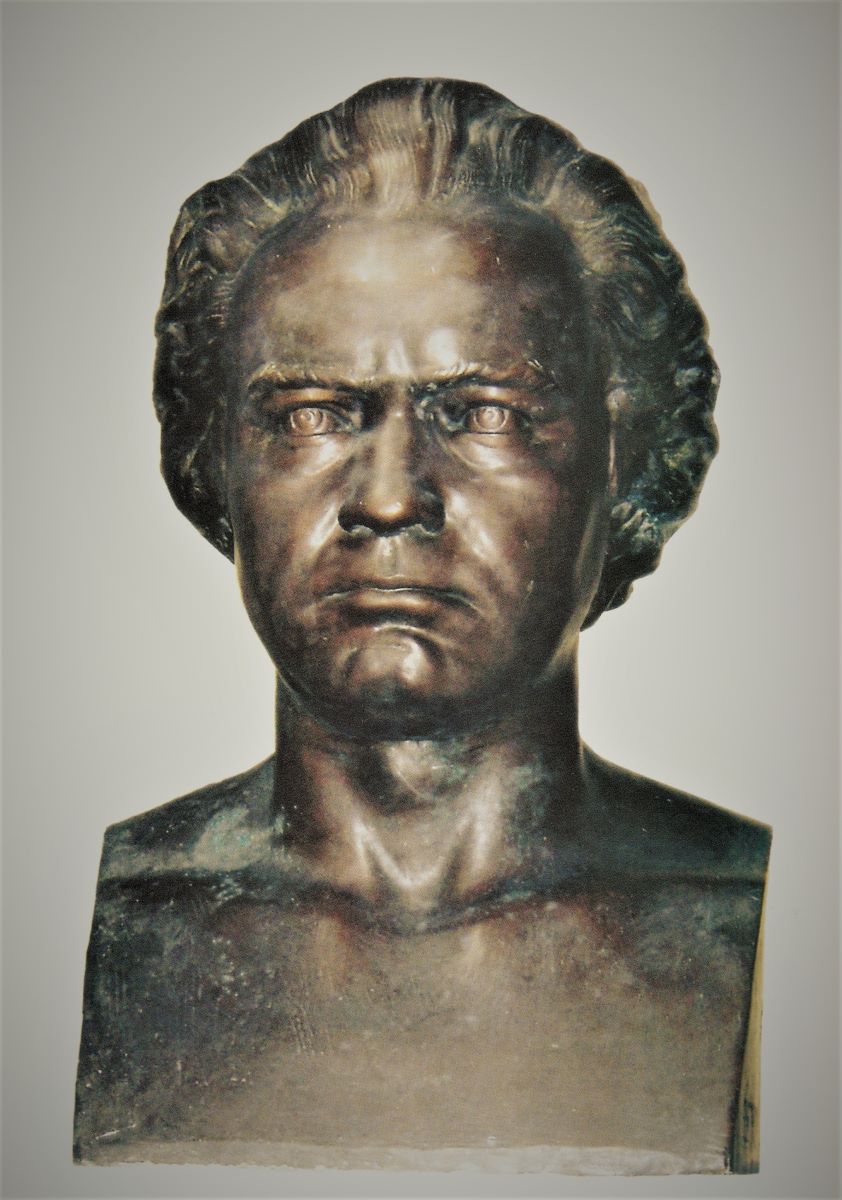
Bust of Ludwig van Beethoven by Frederic Storck
Frederic Storck · 1930
 Letter
Primary source
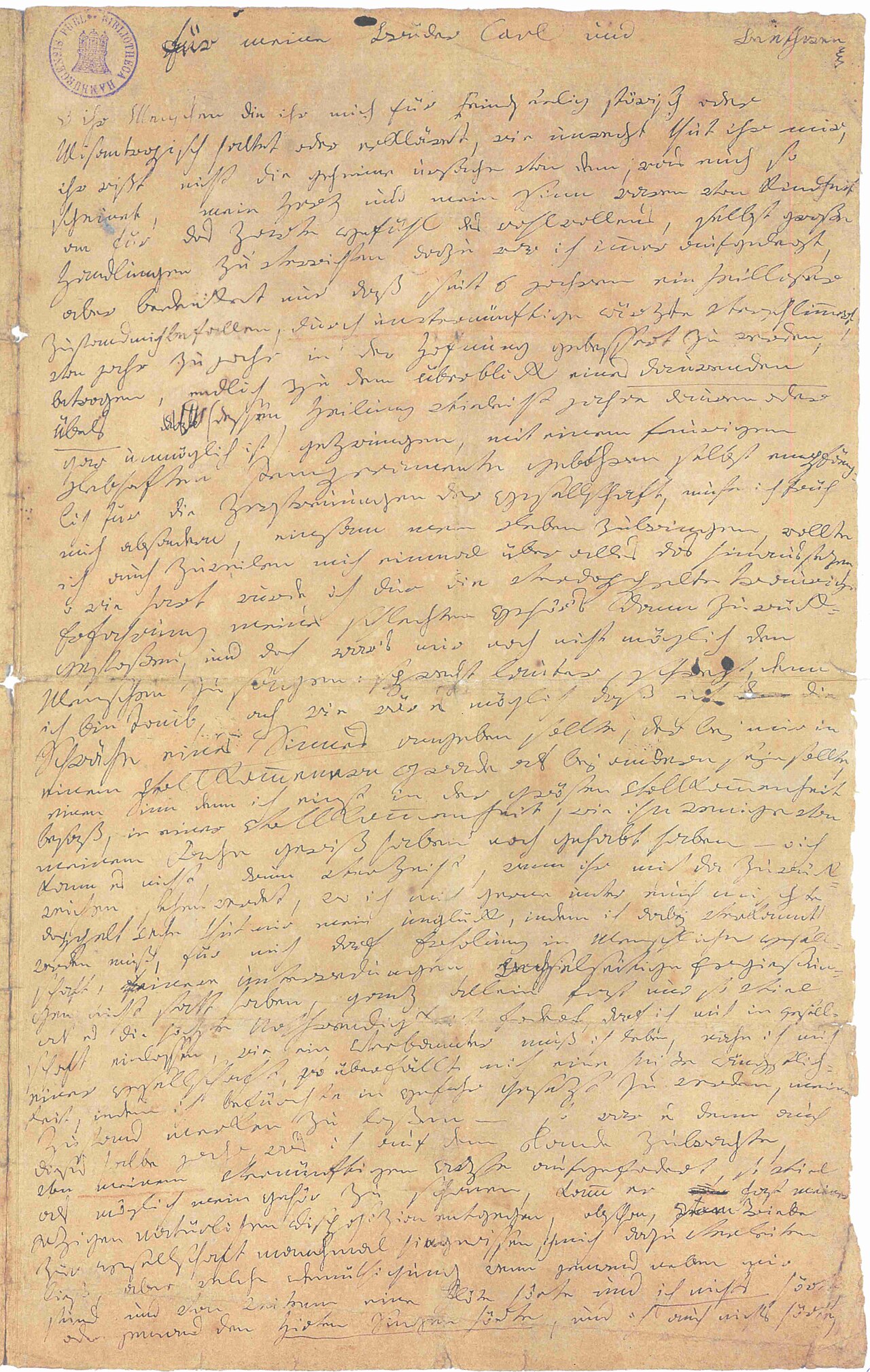
Heiligenstadt Testament
Ludwig van Beethoven · 6 October 1802
 Document
Primary source
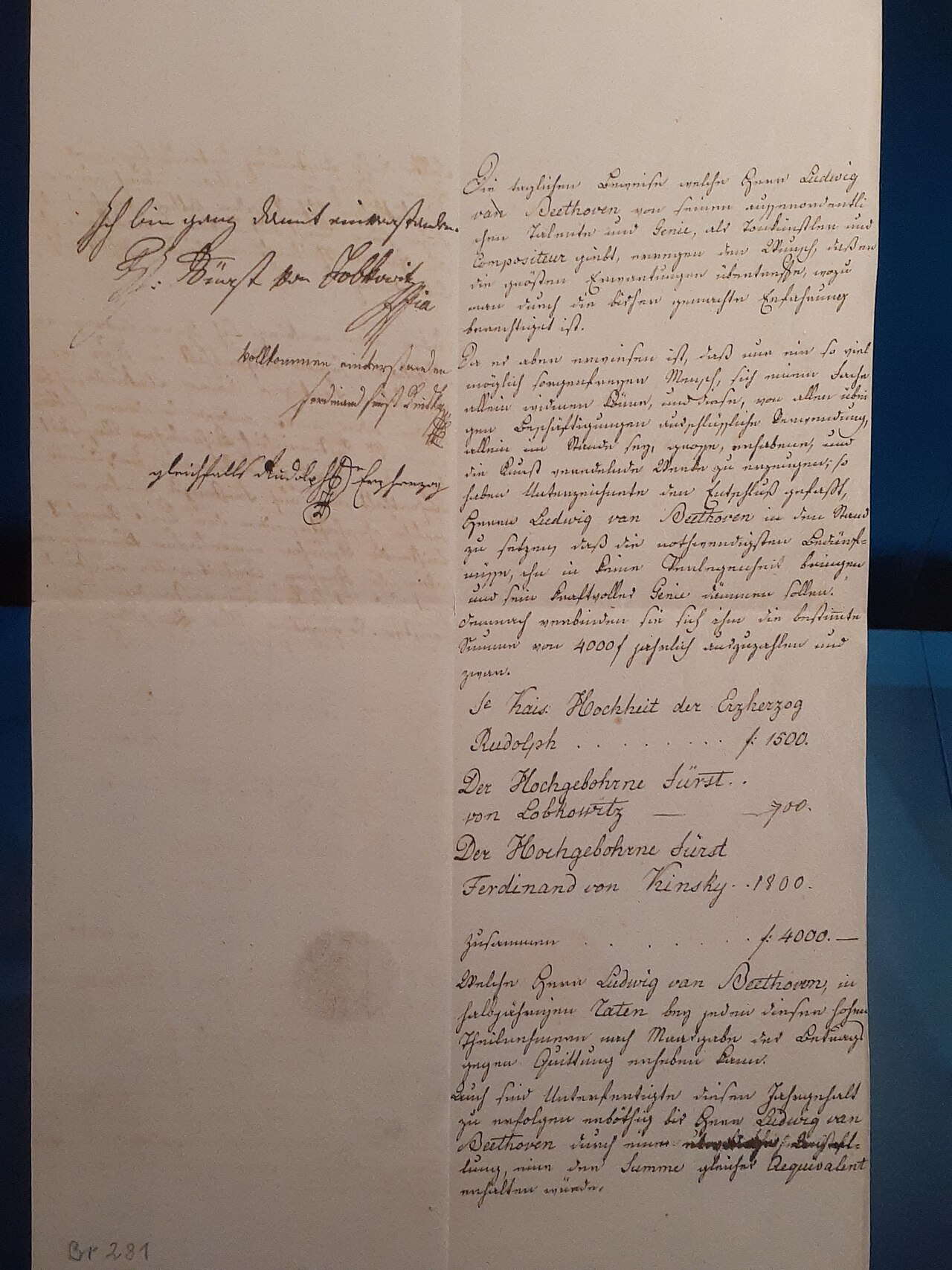
Agreement between Beethoven and Archduke Rudolph, Prince Kinsky and Prince Lobkowitz
1 March 1809
Ready when you are
Start chatting with Ludwig van Beethoven now.
20 messages free · No credit card · Available in 50+ languages.