


Primary sourceArtifact7th century BCE
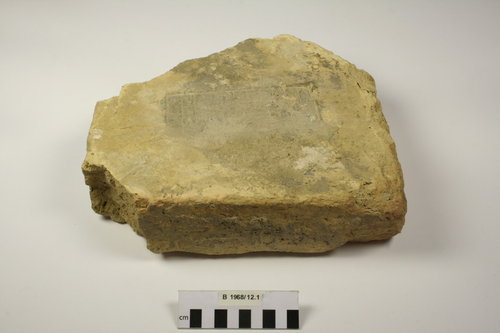
Baked Brick Naming King Ashurbanipal
7th century BCE
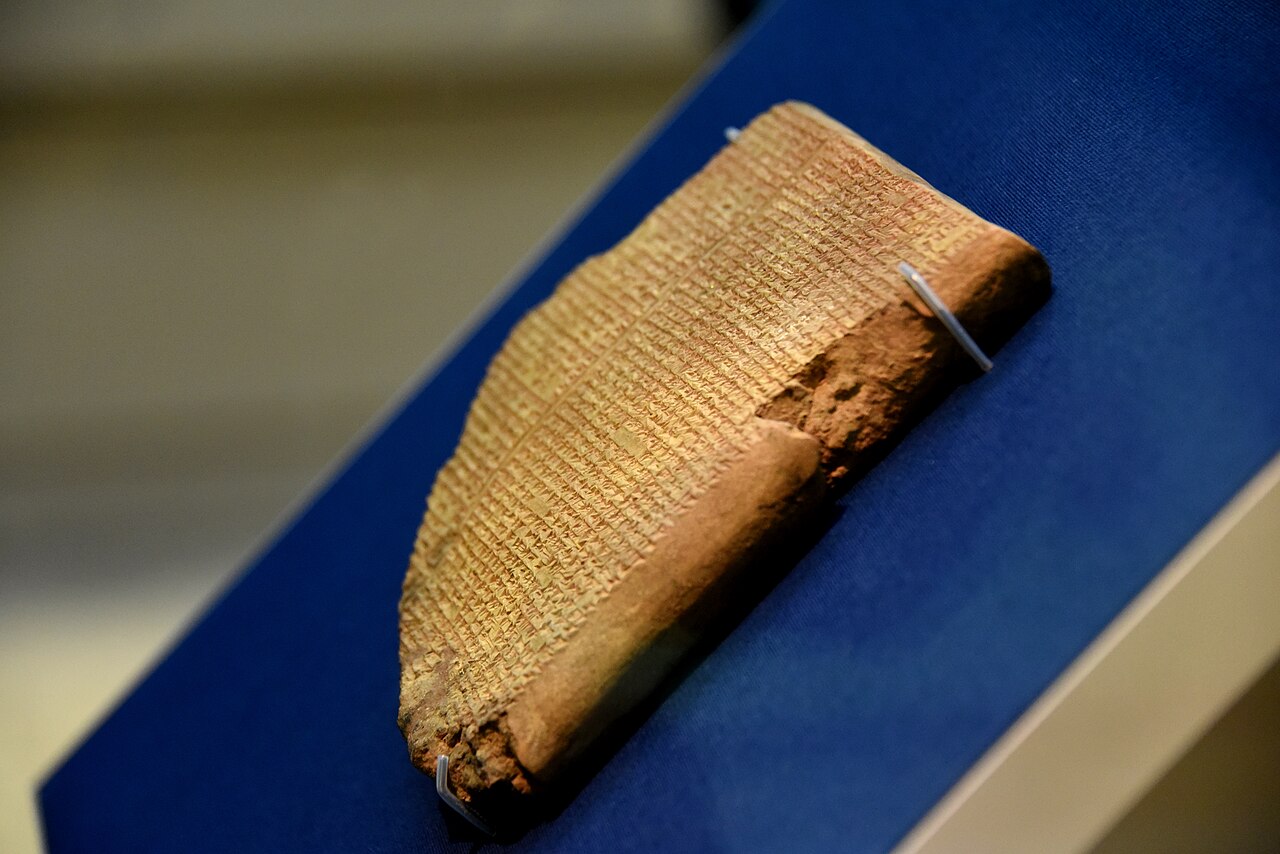
A fragment of a baked clay brick bearing a cuneiform inscription that names the Assyrian king Ashurbanipal.
This brick is physically stamped with Ashurbanipal's name, making it a direct trace of his building activity.
About this source
What it is
This is a fragment of a baked brick stamped with a cuneiform inscription naming the Assyrian king Ashurbanipal, who ruled in the 7th century BCE. It is held today by the National Museum of Antiquities in the Netherlands.
Bricks like this were used in royal building projects, often stamped with the ruler's name as a mark of ownership or dedication.
Why it matters
Royal inscriptions on bricks were one of the most common ways Assyrian kings left their mark on buildings across their empire. This small, worn object is a genuine survival from Ashurbanipal's reign, showing how even everyday building materials were used to record a king's name for the future.
Look closer
- What can you tell about the brick's age and condition just by looking at it?
- Why might a king want his name stamped onto something as ordinary as a brick?
- What does this object tell us that a text on paper could not?
This artifact is part of the curated material that grounds the AI version of Ashurbanipal on Humy.ai — when students ask about related events, the AI can quote it and cite it.
More Ashurbanipal sources
Meet the AI Ashurbanipal →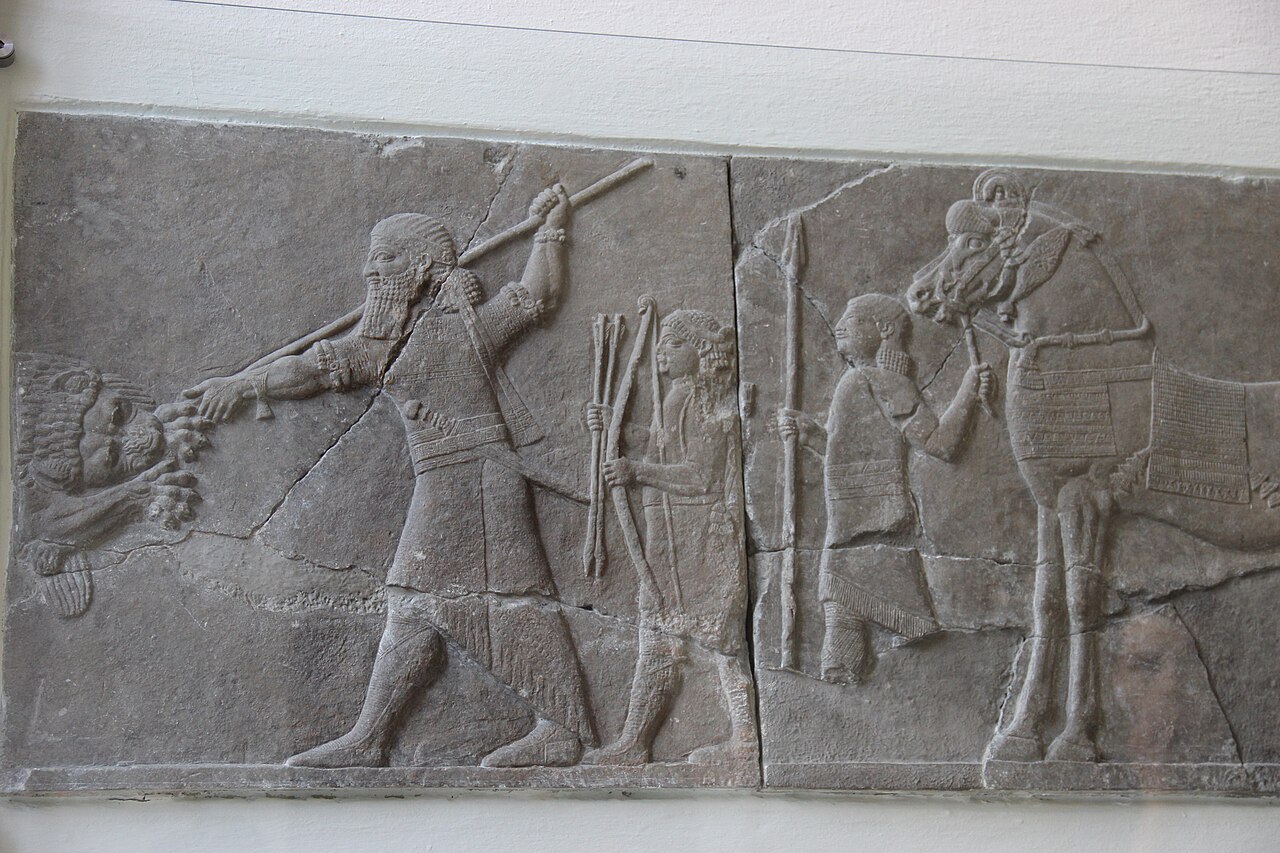 Sculpture
Primary source
Lion Hunt of Ashurbanipal
Assyrian royal sculptors · c. 645–635 BCE
 Document
Primary source
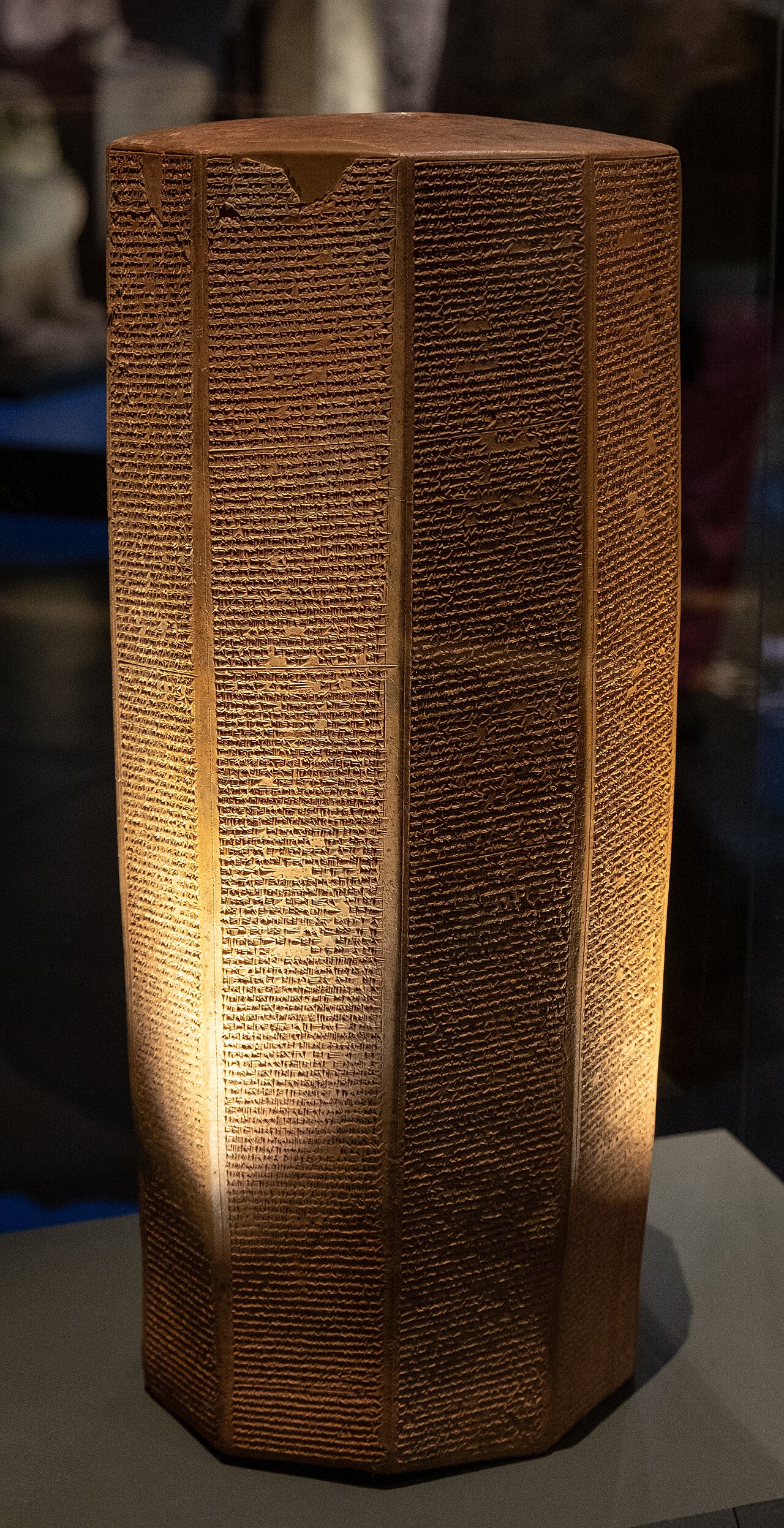
Rassam Prism of Ashurbanipal
643 BCE
 Painting
Secondary source
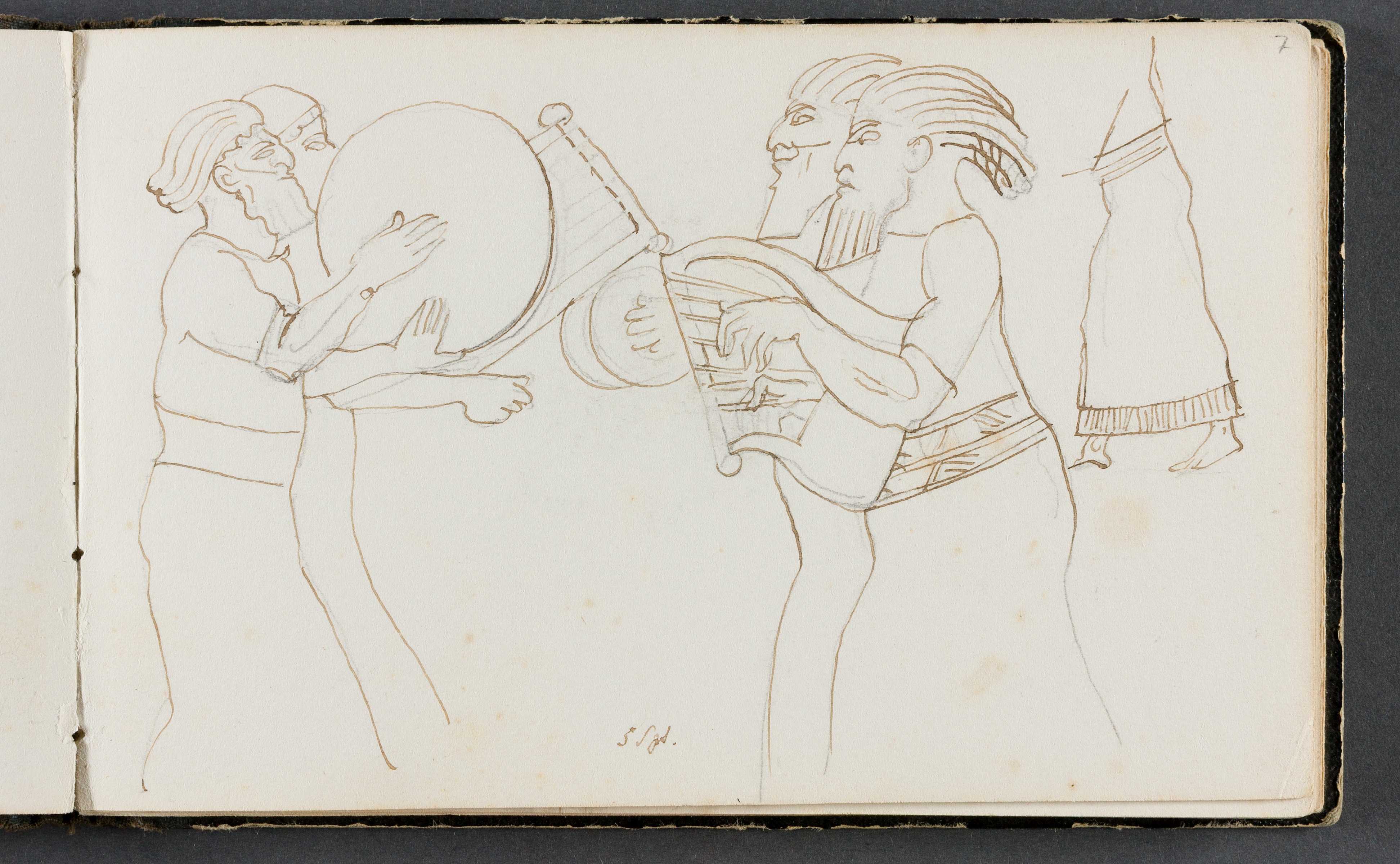
Relief with Musicians from the Palace of Ashurbanipal in Nineveh
 Document
Primary source
Flood Tablet
Scribes of Ashurbanipal's library · 7th century BCE
 Painting
Secondary source
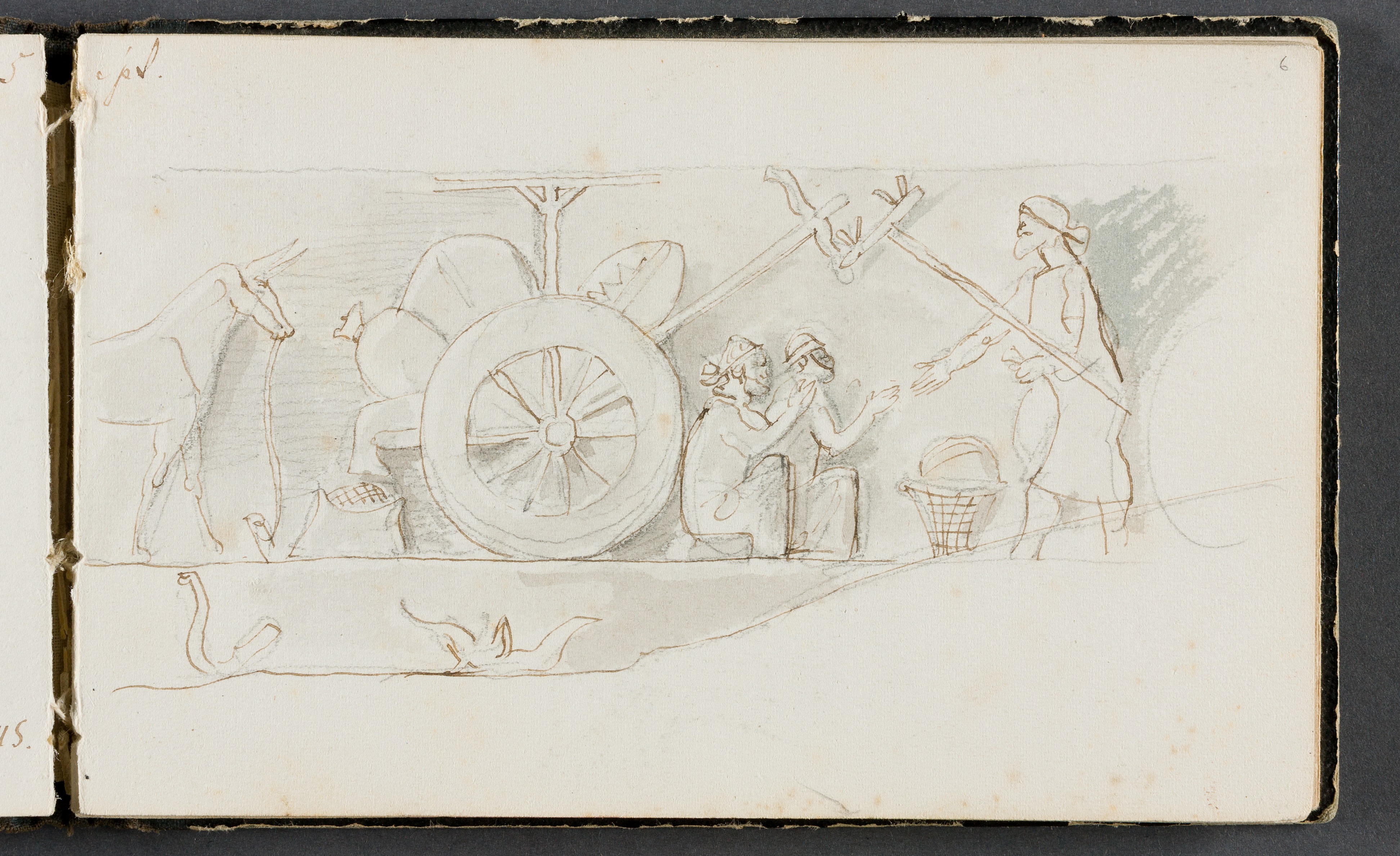
Relief with a Bivouac Scene on a Campaign of King Ashurbanipal
Ready when you are
Start chatting with Ashurbanipal now.
20 messages free · No credit card · Available in 50+ languages.