


Primary sourceDocument643 BCE
Rassam Prism of Ashurbanipal
643 BCE
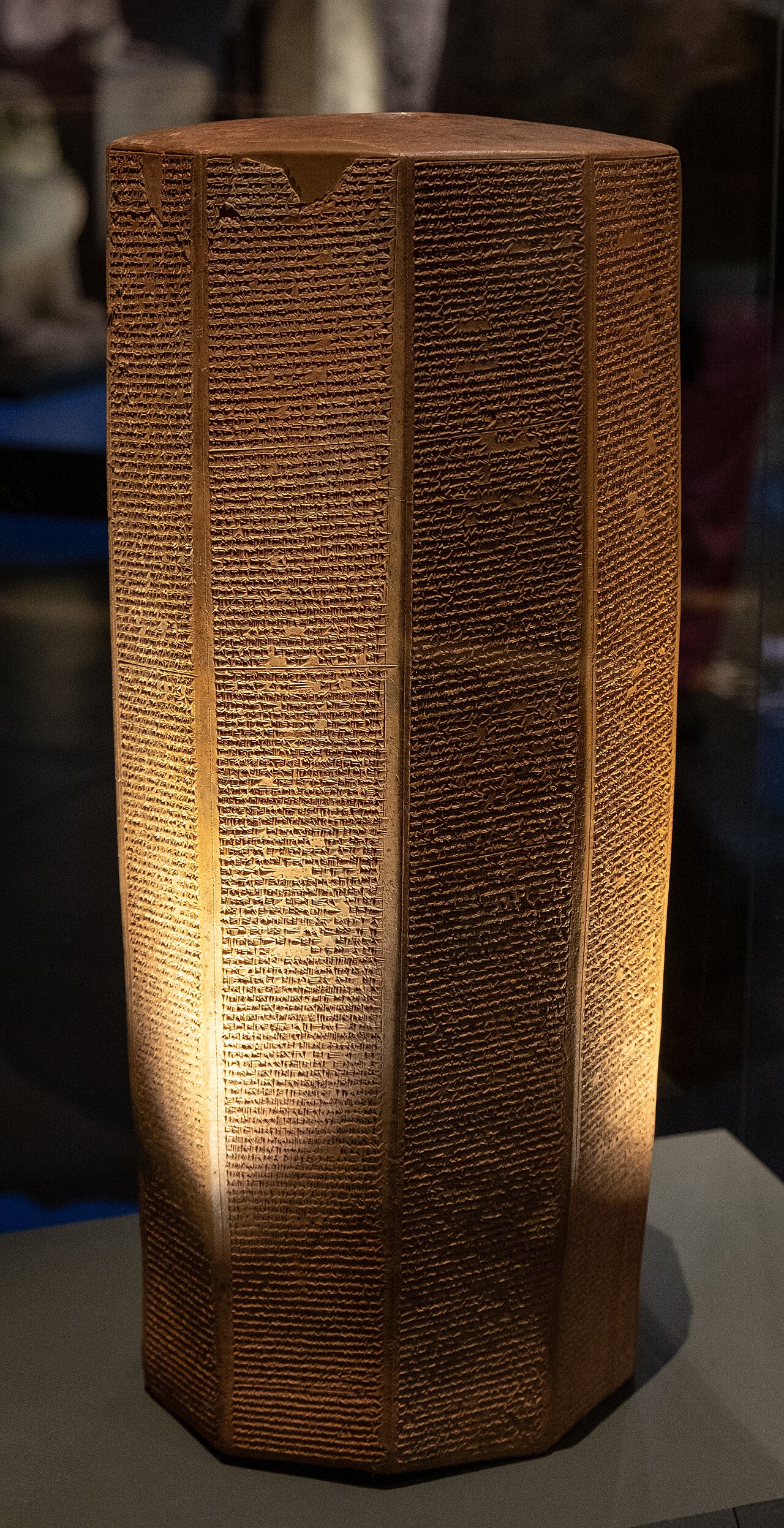
A ten-sided clay prism inscribed with Ashurbanipal's own account of his reign, campaigns and wars.
This is Ashurbanipal's own annalistic inscription, narrating his reign, education and wars in his own voice.
About this source
What it is
This is a ten-sided clay prism from Nineveh, dated to 643 BCE, inscribed with cuneiform writing. It records Ashurbanipal's longest surviving inscription and is now kept in the British Museum.
Why it matters
The prism tells, in the king's own voice, about his education, his campaigns in Egypt, his war against his brother Shamash-shum-ukin, and the destruction of Elam. It is a rare case of a ruler's own narrative of his rule surviving directly from his time, showing how Assyrian kings used writing to shape how they would be remembered.
Look closer
- Why might a king choose to record his own victories and achievements rather than let others write about him?
- What does the choice to inscribe this text onto a durable clay prism suggest about its intended audience?
- What might be missing from a king's own version of events like a civil war against his brother?
This document is part of the curated material that grounds the AI version of Ashurbanipal on Humy.ai — when students ask about related events, the AI can quote it and cite it.
More Ashurbanipal sources
Meet the AI Ashurbanipal →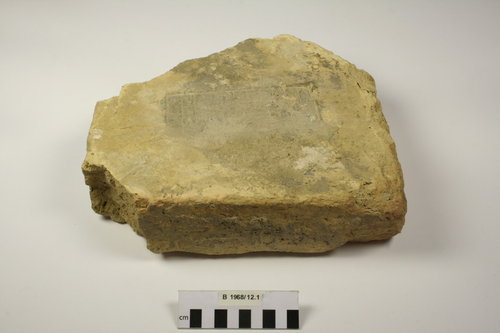 Artifact
Primary source
Baked Brick Naming King Ashurbanipal
7th century BCE
 Sculpture
Primary source
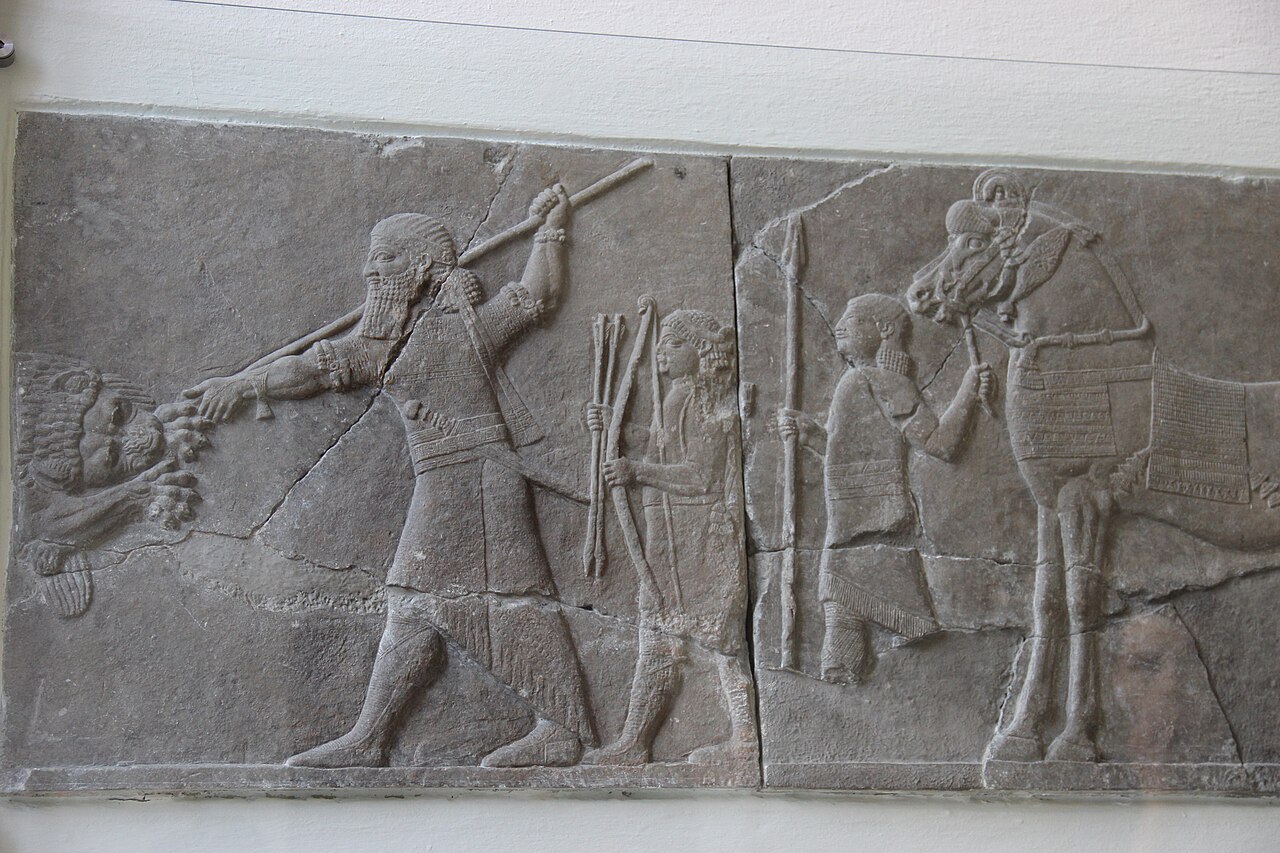
Lion Hunt of Ashurbanipal
Assyrian royal sculptors · c. 645–635 BCE
 Painting
Secondary source
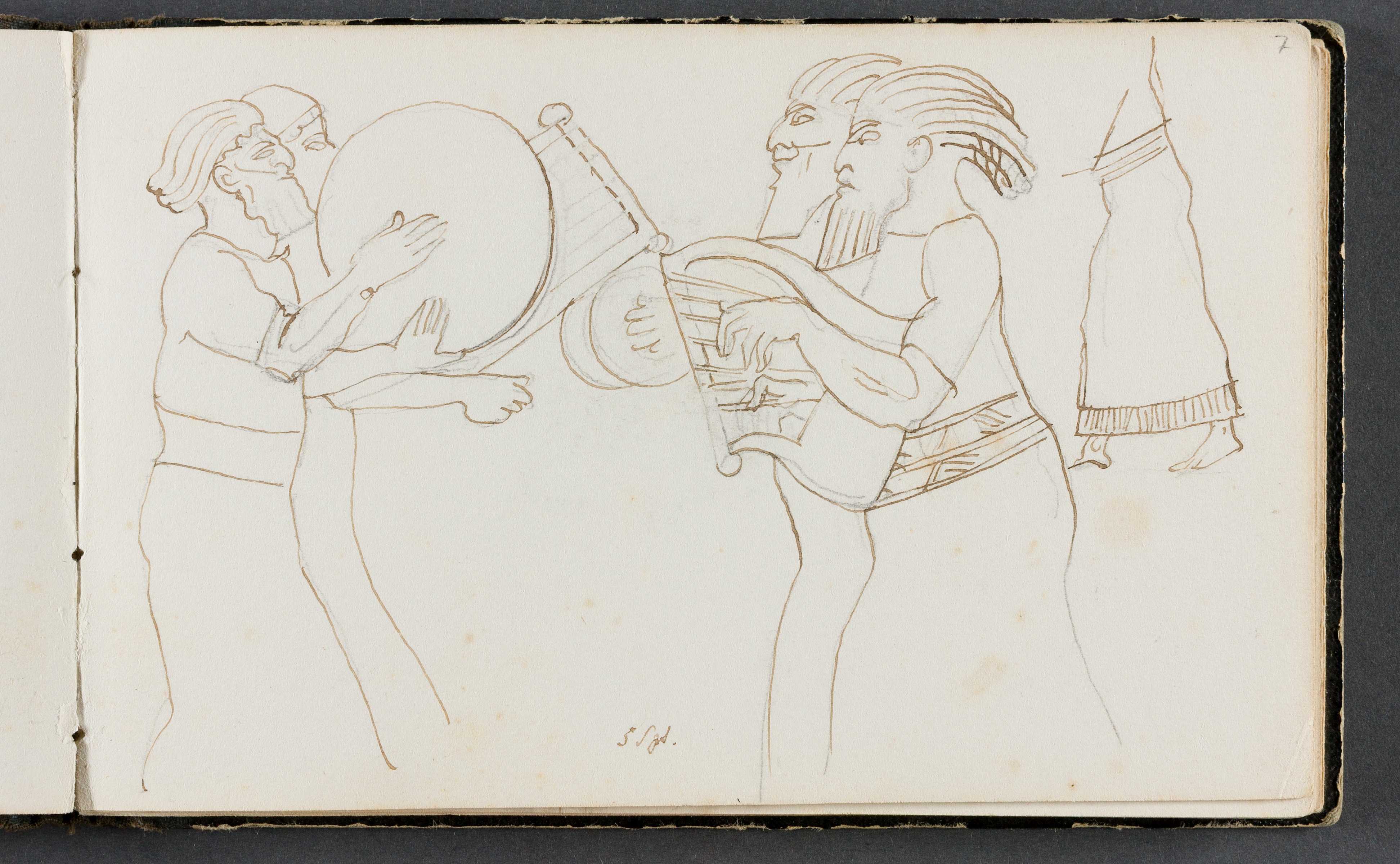
Relief with Musicians from the Palace of Ashurbanipal in Nineveh
 Document
Primary source
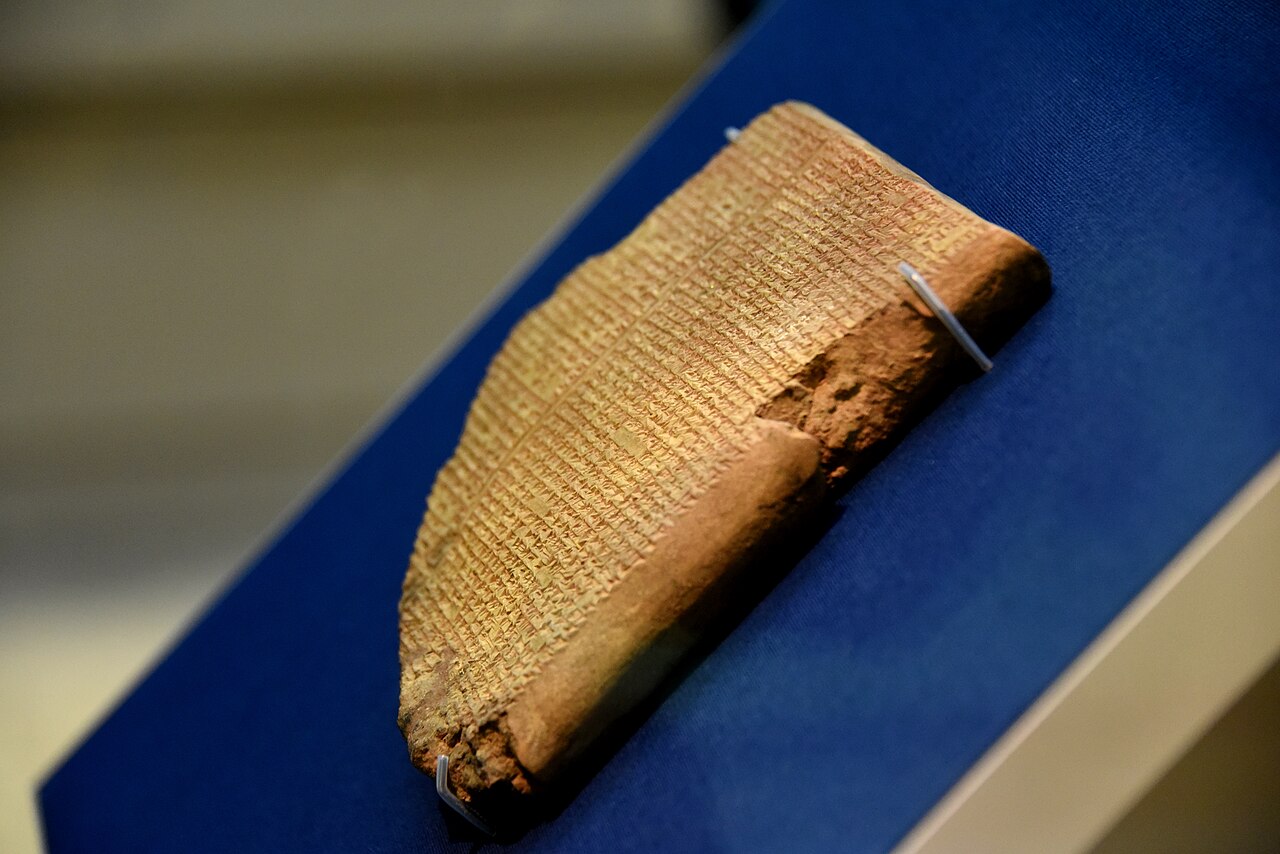
Flood Tablet
Scribes of Ashurbanipal's library · 7th century BCE
 Painting
Secondary source
Relief with a Bivouac Scene on a Campaign of King Ashurbanipal
Ready when you are
Start chatting with Ashurbanipal now.
20 messages free · No credit card · Available in 50+ languages.