


Primary sourceSculpturec. 645–635 BCE
Lion Hunt of Ashurbanipal
Assyrian royal sculptors · c. 645–635 BCE
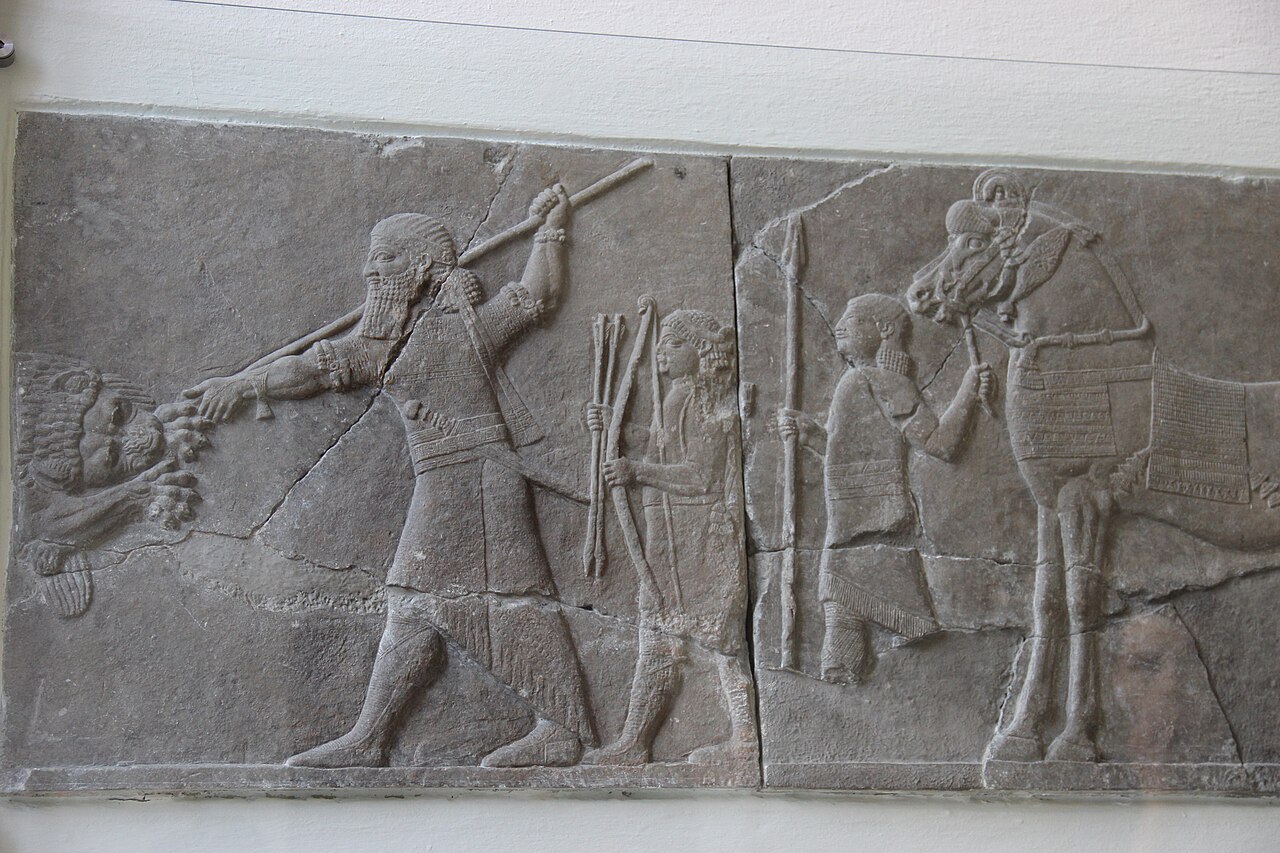
A carved stone relief from Ashurbanipal's North Palace showing the king spearing a lion in a staged royal hunt.
This relief depicts Ashurbanipal himself as the royal hunter, staging his image as protector of order.
About this source
What it is
This is a carved stone relief panel from the North Palace of Ashurbanipal, made by Assyrian royal sculptors around 645–635 BCE. It shows a bearded man thrusting a spear into a lion's head, with an attendant nearby and a figure with a horse. It is now held by the British Museum.
Why it matters
The lion hunt reliefs are among the most famous Assyrian artworks. They present Ashurbanipal as a strong king who defends order by conquering dangerous wild animals in a controlled arena. These images were propaganda, showing the king's power to anyone who saw the palace walls.
Look closer
- Why might a king want to be shown fighting lions rather than doing ordinary royal tasks?
- What does the careful carving tell you about the skill of the artists who worked for the king?
- What is left out of this image about the real dangers or costs of such a hunt?
This sculpture is part of the curated material that grounds the AI version of Ashurbanipal on Humy.ai — when students ask about related events, the AI can quote it and cite it.
More Ashurbanipal sources
Meet the AI Ashurbanipal →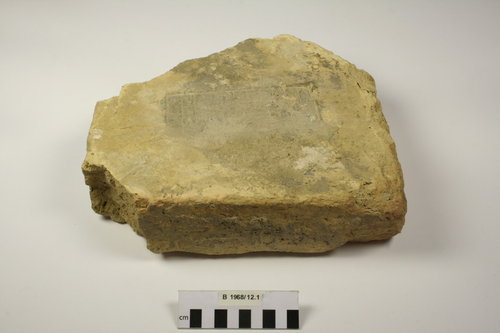 Artifact
Primary source
Baked Brick Naming King Ashurbanipal
7th century BCE
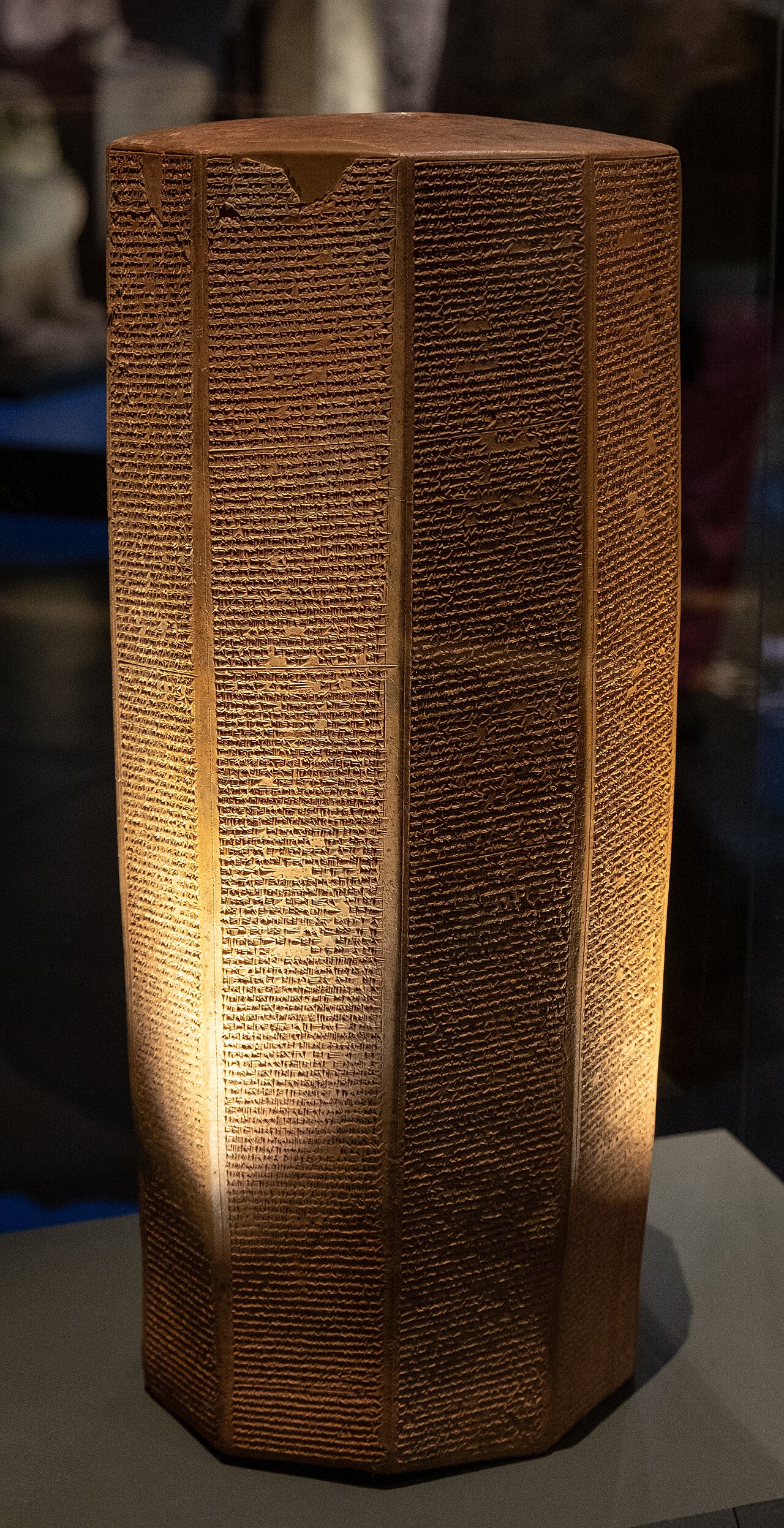 Document
Primary source
Rassam Prism of Ashurbanipal
643 BCE
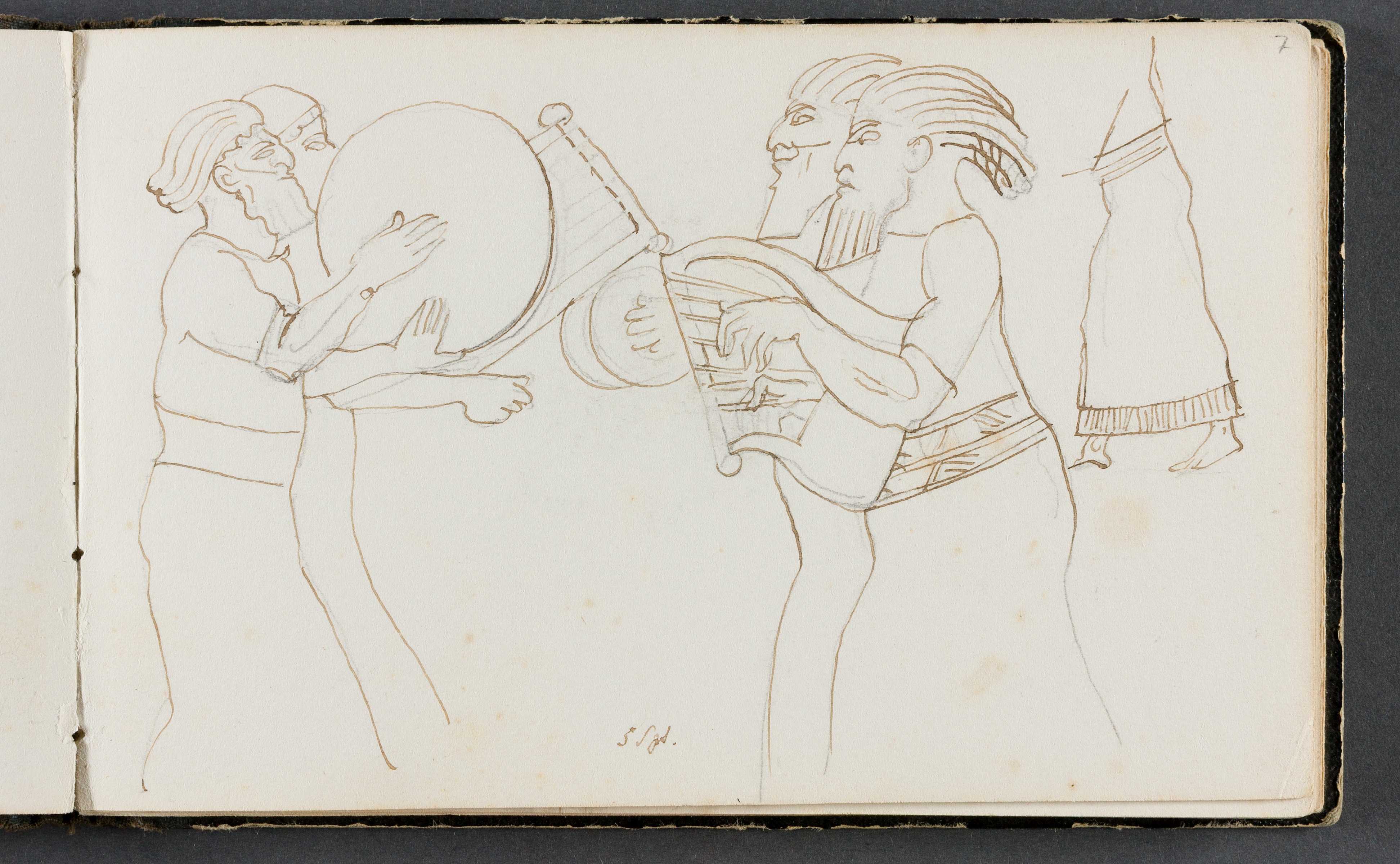 Painting
Secondary source
Relief with Musicians from the Palace of Ashurbanipal in Nineveh
 Document
Primary source
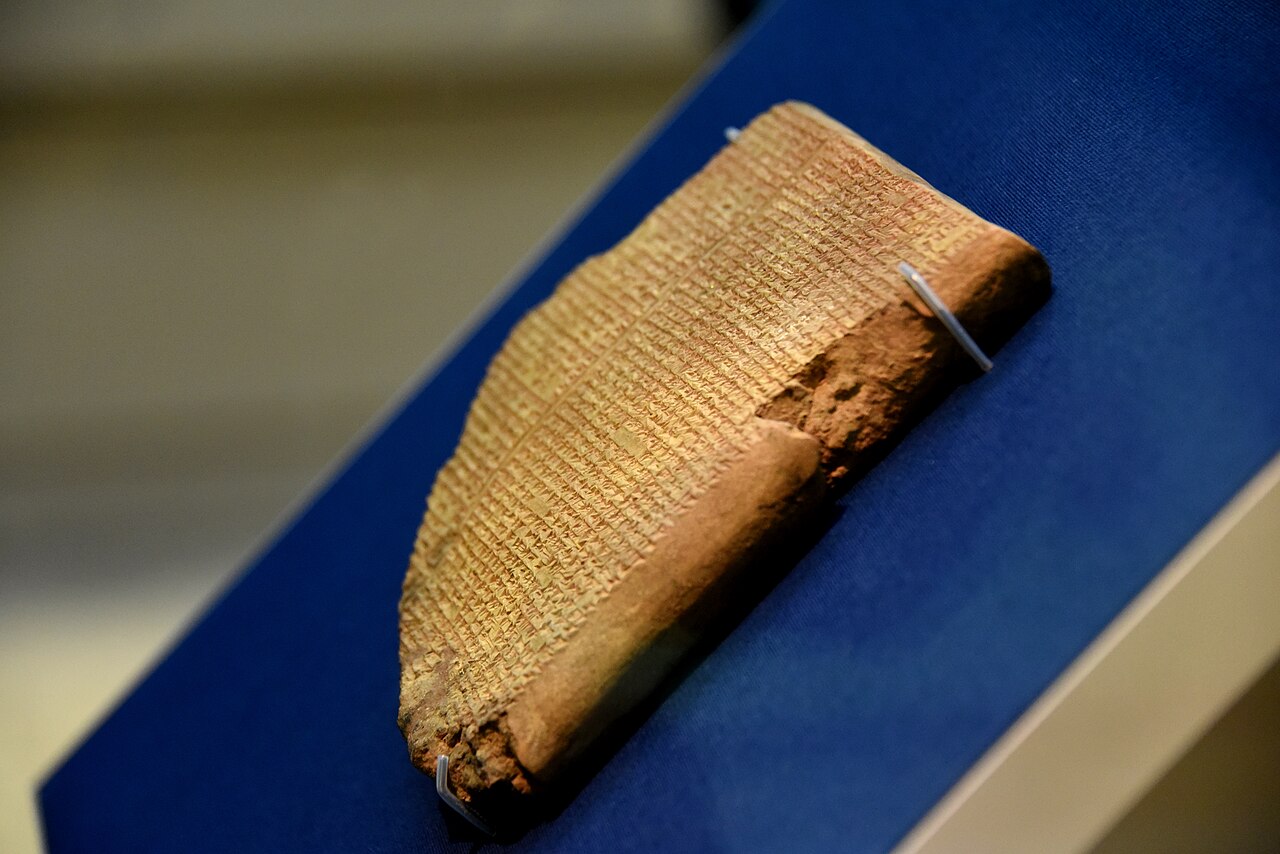
Flood Tablet
Scribes of Ashurbanipal's library · 7th century BCE
 Painting
Secondary source
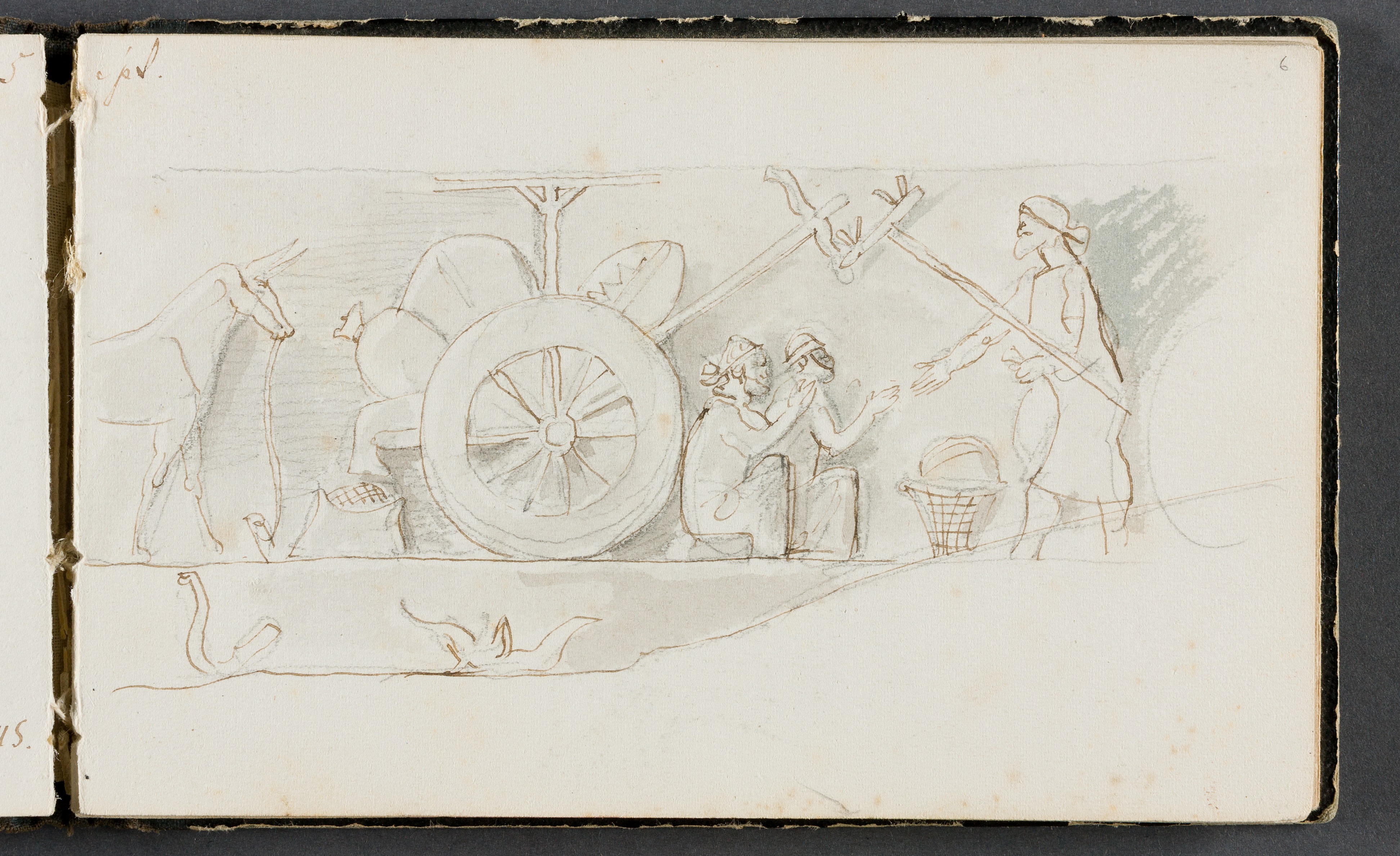
Relief with a Bivouac Scene on a Campaign of King Ashurbanipal
Ready when you are
Start chatting with Ashurbanipal now.
20 messages free · No credit card · Available in 50+ languages.