


Primary sourceDocument7th century BCE
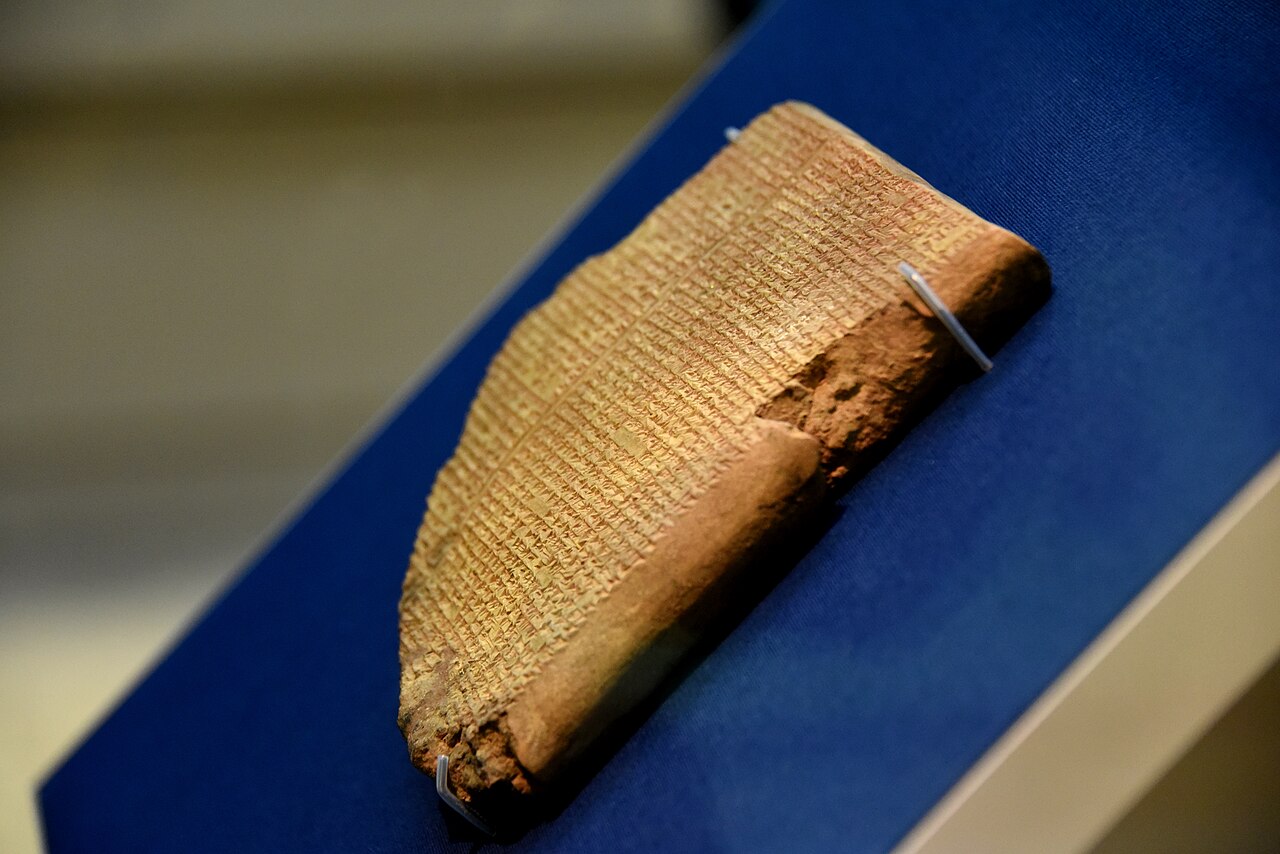
Flood Tablet
Scribes of Ashurbanipal's library · 7th century BCE
A cuneiform tablet from Ashurbanipal's library preserving the Mesopotamian flood story from the Epic of Gilgamesh.
This tablet was part of the library Ashurbanipal assembled, showing his role as a collector of literature.
About this source
What it is
This cuneiform clay tablet was made by scribes working in Ashurbanipal's library in the 7th century BCE. It contains Tablet XI of the Epic of Gilgamesh, telling the story of a great flood. It was excavated by Hormuzd Rassam and is now held by the British Museum.
Why it matters
This tablet shows how Ashurbanipal's collecting of texts preserved ancient Mesopotamian literature that might otherwise have been lost. When it was rediscovered in the library in 1849 and later translated, the flood story amazed scholars because of its similarities to other ancient flood accounts. The scholar George Smith first transliterated and read the text.
Look closer
- Why would a king want to collect stories and myths alongside records of law and government?
- What does the survival of this tablet tell you about how fragile ancient writing can be?
- What questions can't this tablet answer about how the story was first told or who first wrote it down?
This document is part of the curated material that grounds the AI version of Ashurbanipal on Humy.ai — when students ask about related events, the AI can quote it and cite it.
More Ashurbanipal sources
Meet the AI Ashurbanipal →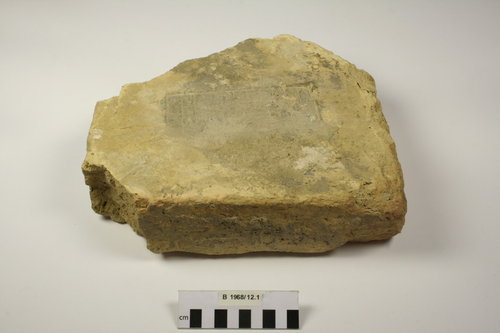 Artifact
Primary source
Baked Brick Naming King Ashurbanipal
7th century BCE
 Sculpture
Primary source
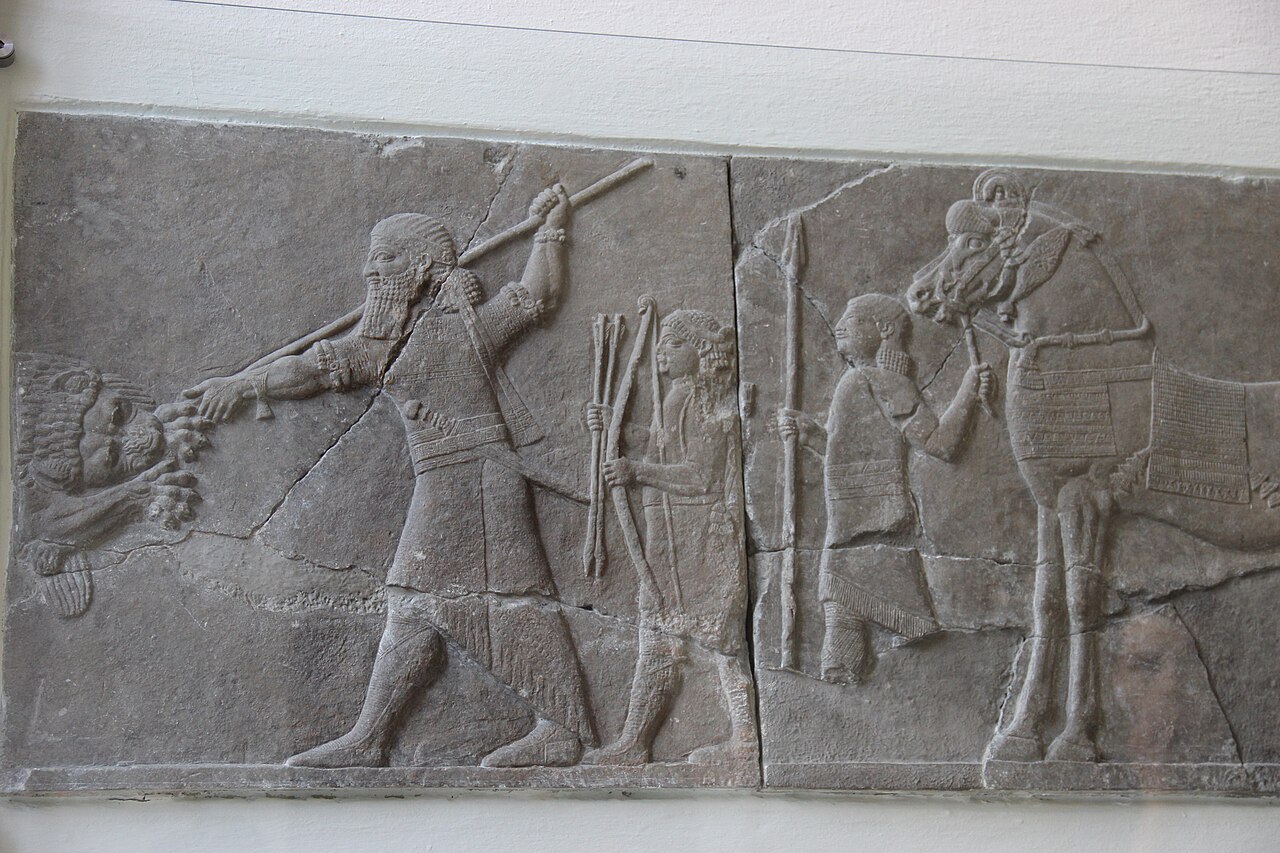
Lion Hunt of Ashurbanipal
Assyrian royal sculptors · c. 645–635 BCE
 Document
Primary source
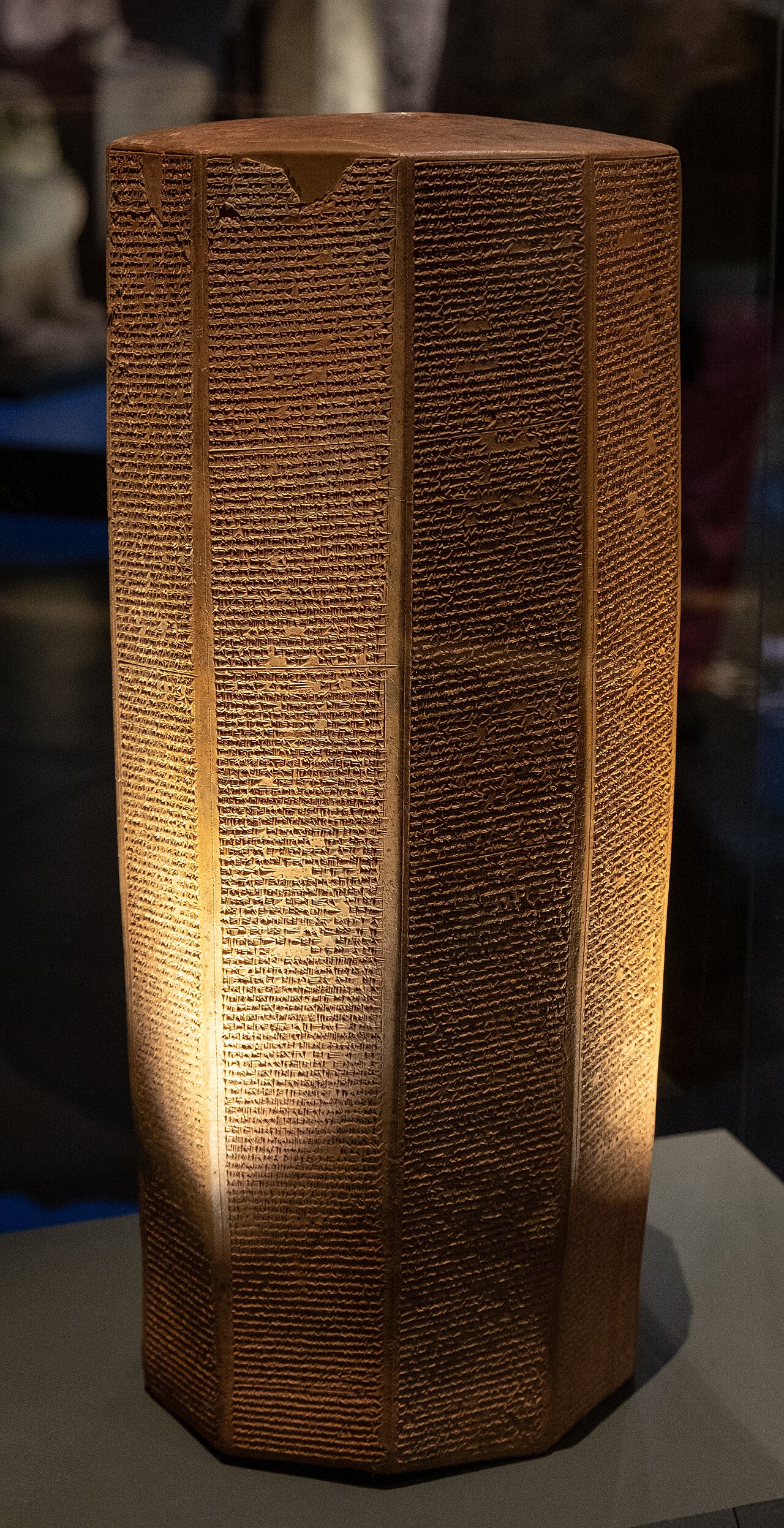
Rassam Prism of Ashurbanipal
643 BCE
 Painting
Secondary source
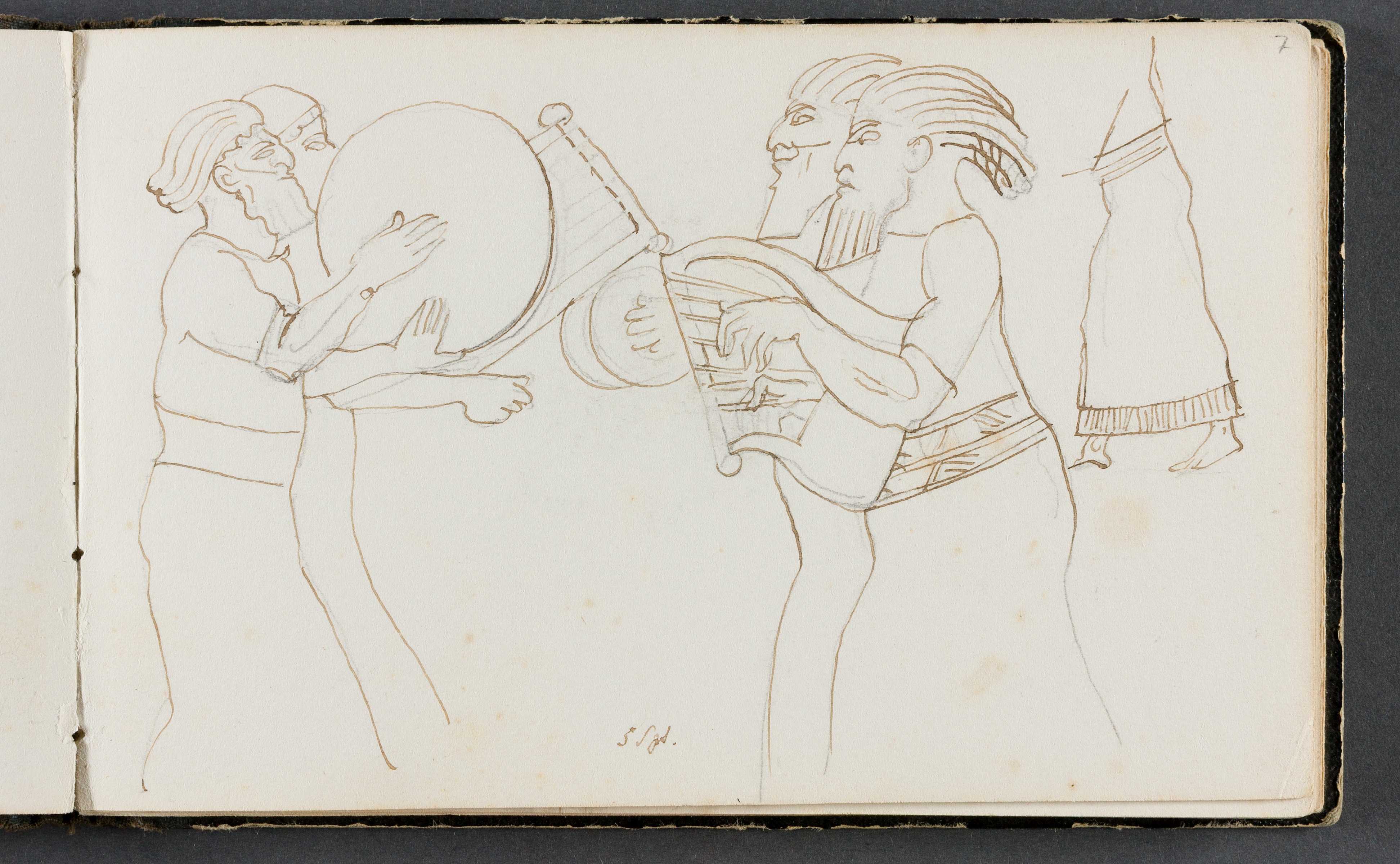
Relief with Musicians from the Palace of Ashurbanipal in Nineveh
 Painting
Secondary source
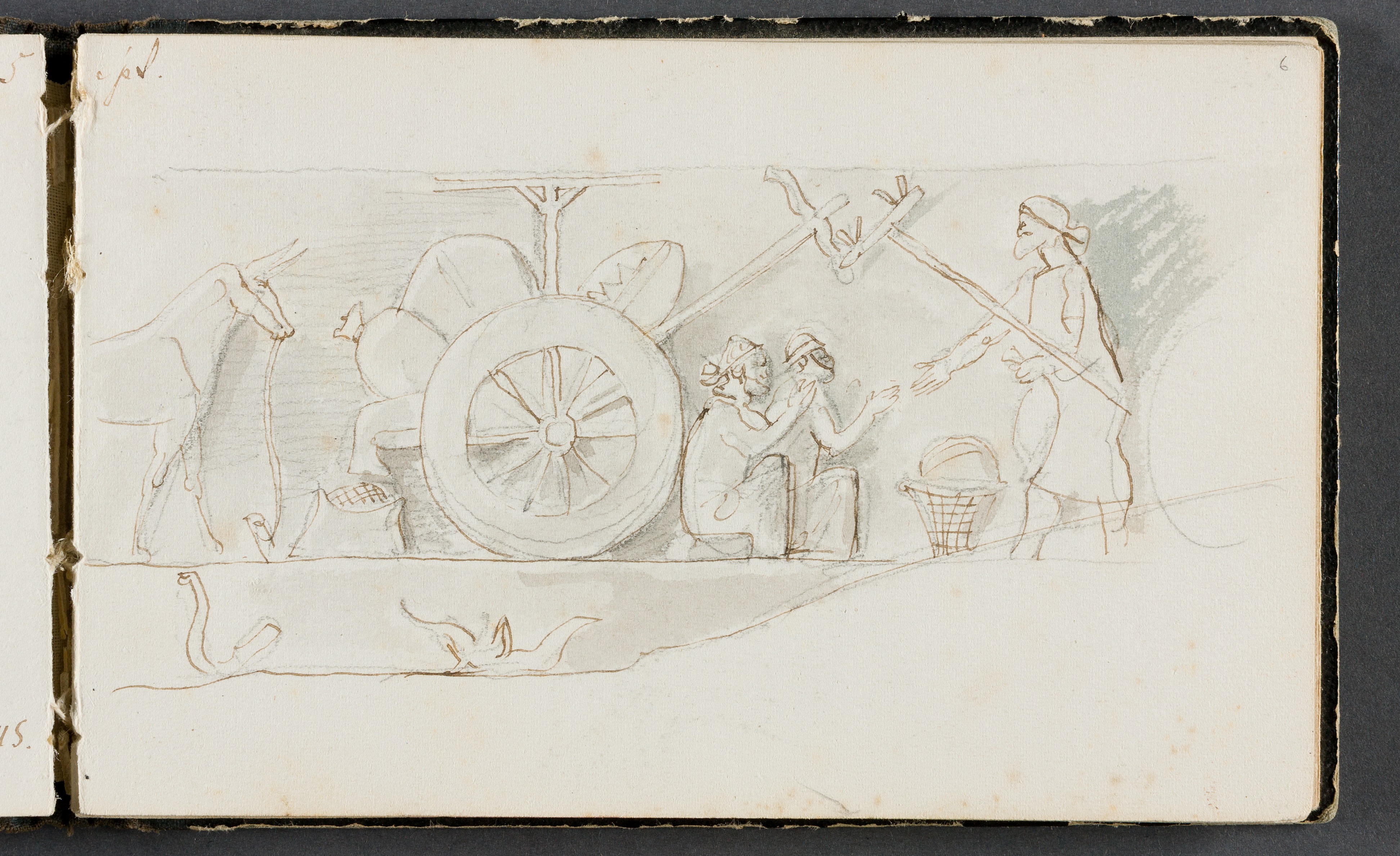
Relief with a Bivouac Scene on a Campaign of King Ashurbanipal
Ready when you are
Start chatting with Ashurbanipal now.
20 messages free · No credit card · Available in 50+ languages.