


Primary sourceArtifact1817
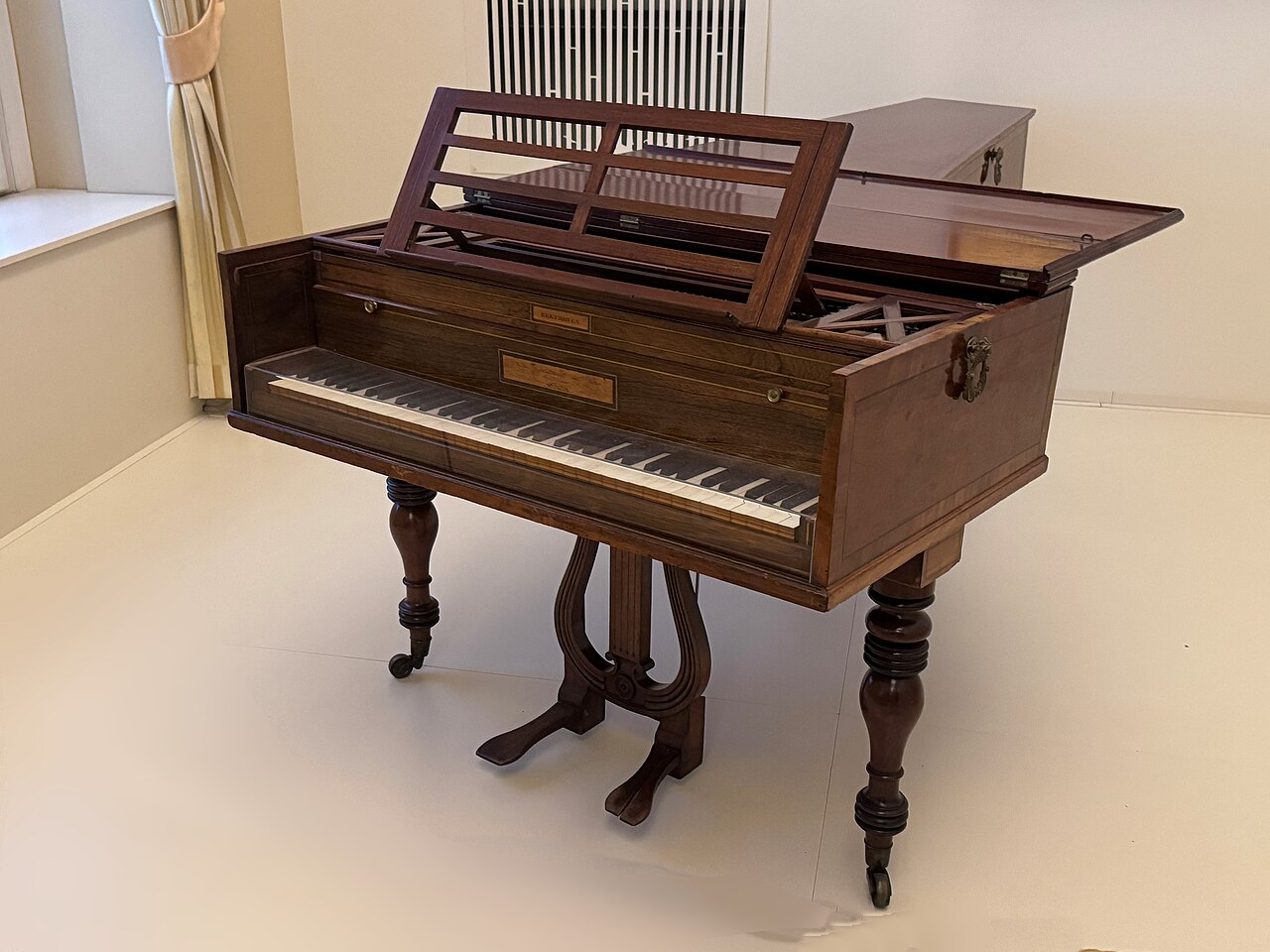
Beethoven's Broadwood Piano
John Broadwood & Sons · 1817
A rosewood grand piano sent to Beethoven from London in 1818 by John Broadwood & Sons, on which he composed some of his late works.
This piano was given to Beethoven and used by him in his late years, when he was largely deaf.
About this source
What it is
This square grand piano was made in 1817 by the English firm John Broadwood & Sons and sent to Beethoven in Vienna in 1818 as a gift. It is now held in the Hungarian National Museum in Budapest.
Why it matters
The piano shows that Beethoven's fame had spread internationally, reaching a leading London piano maker who wanted their instrument associated with him. By the time he received it, Beethoven was almost completely deaf, and the instrument became one he used while composing his late sonatas. The piano later passed into other hands connected to music history, linking Beethoven's era to later musicians.
Look closer
- Why might a London piano maker send an expensive instrument to a composer in Vienna as a gift?
- What would it have meant for an increasingly deaf composer to work on a piano like this?
- What can an instrument tell us about a composer's life that a letter or portrait cannot?
This artifact is part of the curated material that grounds the AI version of Ludwig van Beethoven on Humy.ai — when students ask about related events, the AI can quote it and cite it.
More Ludwig van Beethoven sources
Meet the AI Ludwig van Beethoven →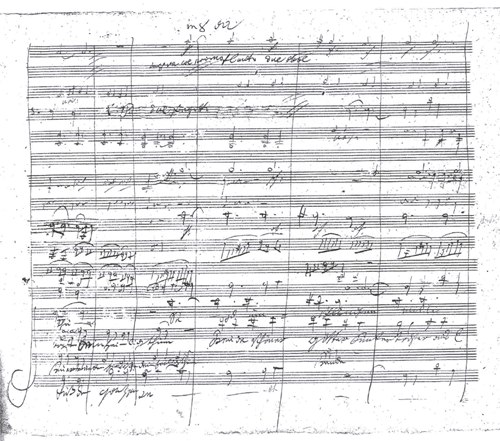 Document
Primary source
Symphony No. 9
Ludwig van Beethoven · 1824
 Sculpture
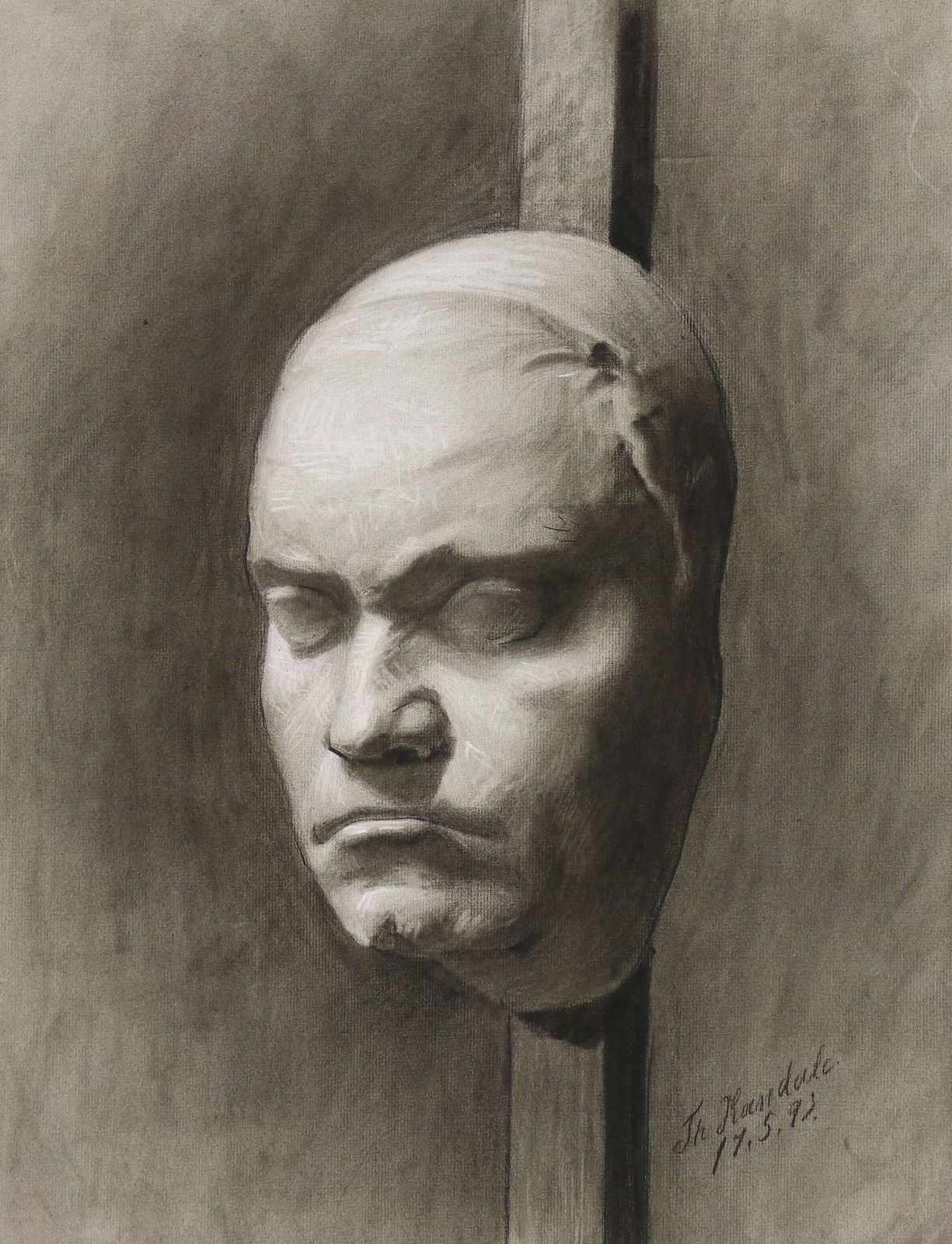
Secondary source
Death of Ludwig van Beethoven
Theodor Kandale (after Josef Danhauser) · 1827 (mask); drawing 1893
 Sculpture
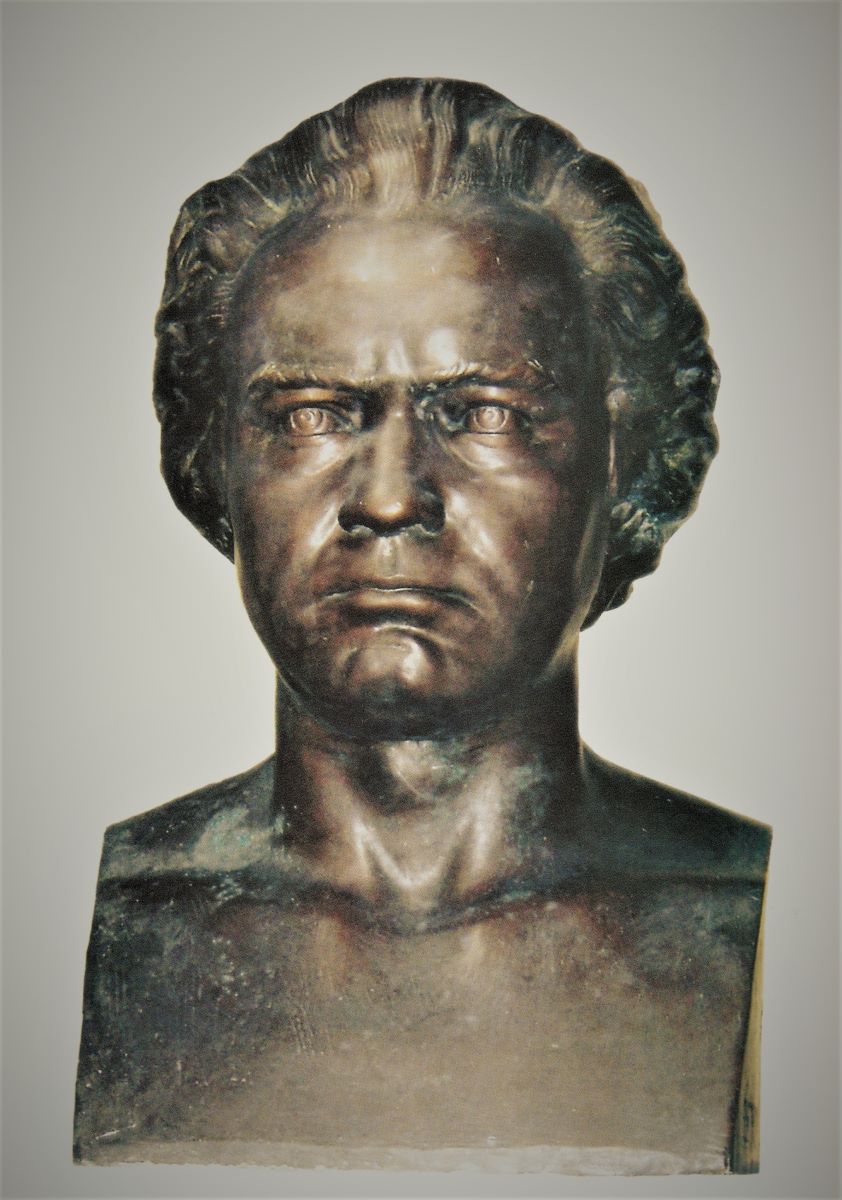
Secondary source
Bust of Ludwig van Beethoven by Frederic Storck
Frederic Storck · 1930
 Letter
Primary source
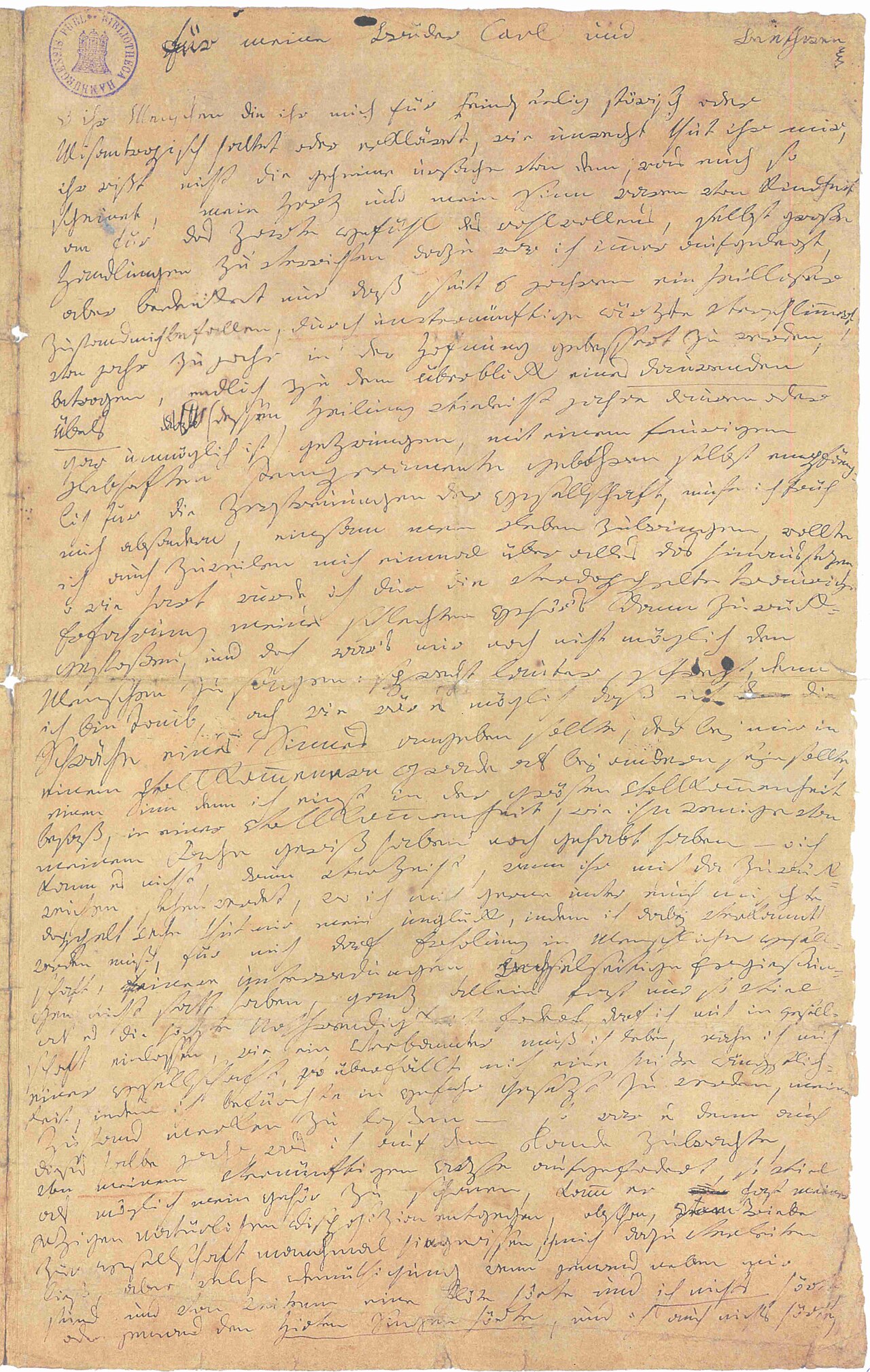
Heiligenstadt Testament
Ludwig van Beethoven · 6 October 1802
 Document
Primary source
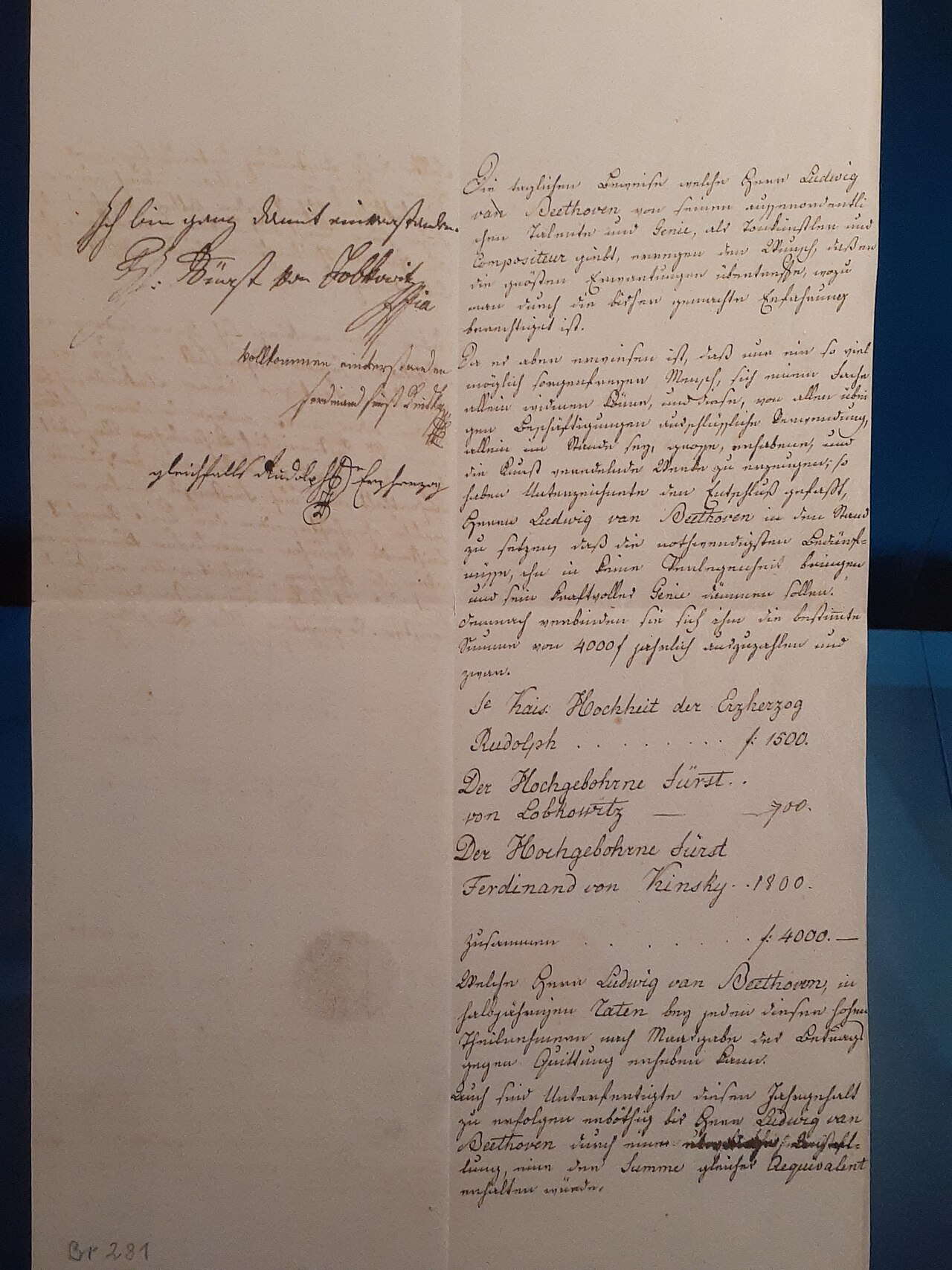
Agreement between Beethoven and Archduke Rudolph, Prince Kinsky and Prince Lobkowitz
1 March 1809
Ready when you are
Start chatting with Ludwig van Beethoven now.
20 messages free · No credit card · Available in 50+ languages.