


Primary sourceDiary entry1825
Beethoven's Conversation Book
1825
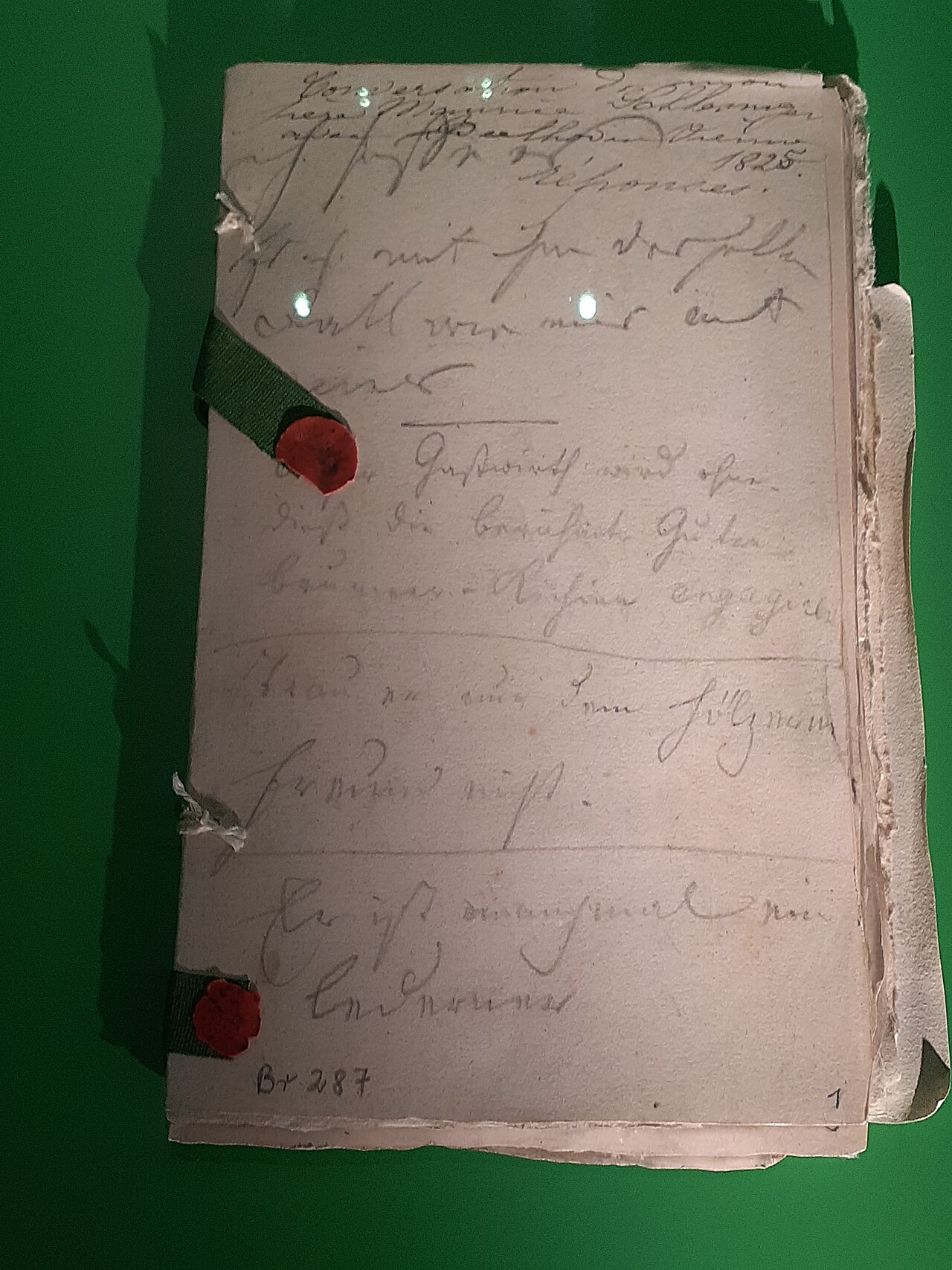
A notebook from 1825 in which visitors wrote down what they wanted to say to the deaf Beethoven, recording his everyday conversations.
Beethoven used this notebook to communicate once his deafness made normal conversation impossible.
About this source
What it is
This small, worn paper notebook, dated 1825, is one of the conversation books used by Beethoven in his last decade. Because Beethoven had become deaf, people who wanted to speak with him wrote their side of the conversation down, and he would often reply aloud or in writing.
Why it matters
These notebooks are an unusual historical record: since only one side of the conversation is written, they capture the everyday talk, friendships, worries, and business of Beethoven's circle rather than his own exact words. They show how deafness, one of the central hardships of his life, shaped his daily communication, and they offer historians rare glimpses into his personal relationships and the people around him.
Look closer
- Why does the notebook mostly show what visitors said rather than what Beethoven himself said?
- What does using a notebook like this suggest about the challenges of being a deaf composer in the 1820s?
- What kinds of topics might visitors have avoided writing down, and why?
This diary entry is part of the curated material that grounds the AI version of Ludwig van Beethoven on Humy.ai — when students ask about related events, the AI can quote it and cite it.
More Ludwig van Beethoven sources
Meet the AI Ludwig van Beethoven →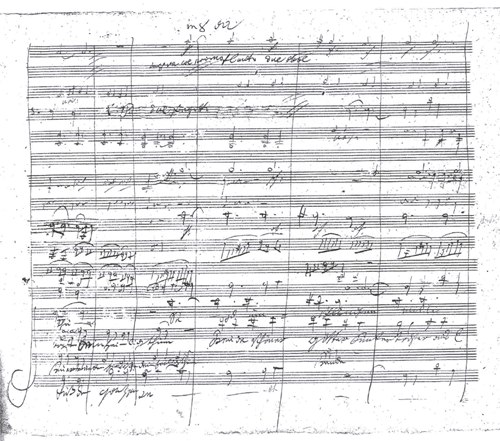 Document
Primary source
Symphony No. 9
Ludwig van Beethoven · 1824
 Sculpture
Secondary source
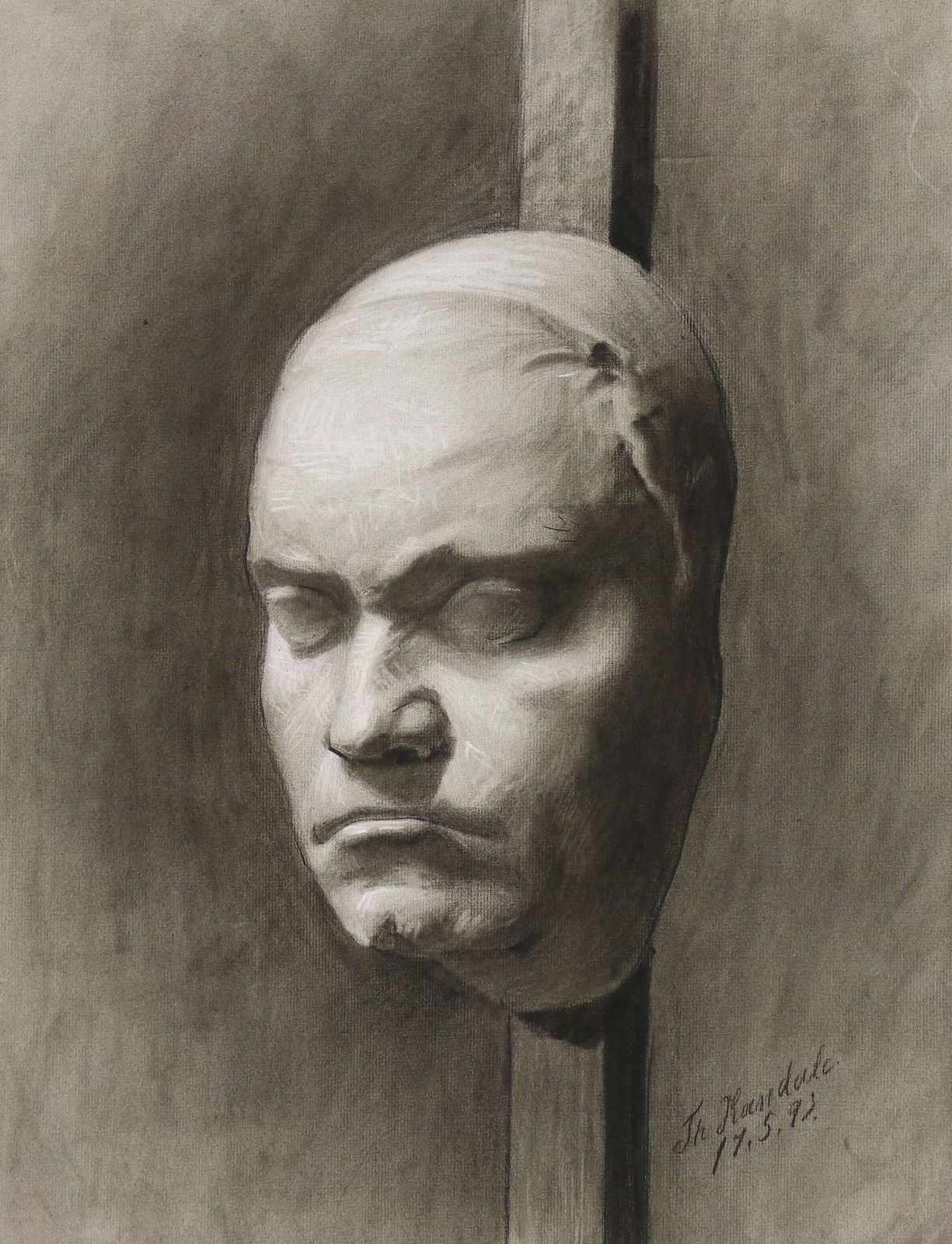
Death of Ludwig van Beethoven
Theodor Kandale (after Josef Danhauser) · 1827 (mask); drawing 1893
 Sculpture
Secondary source
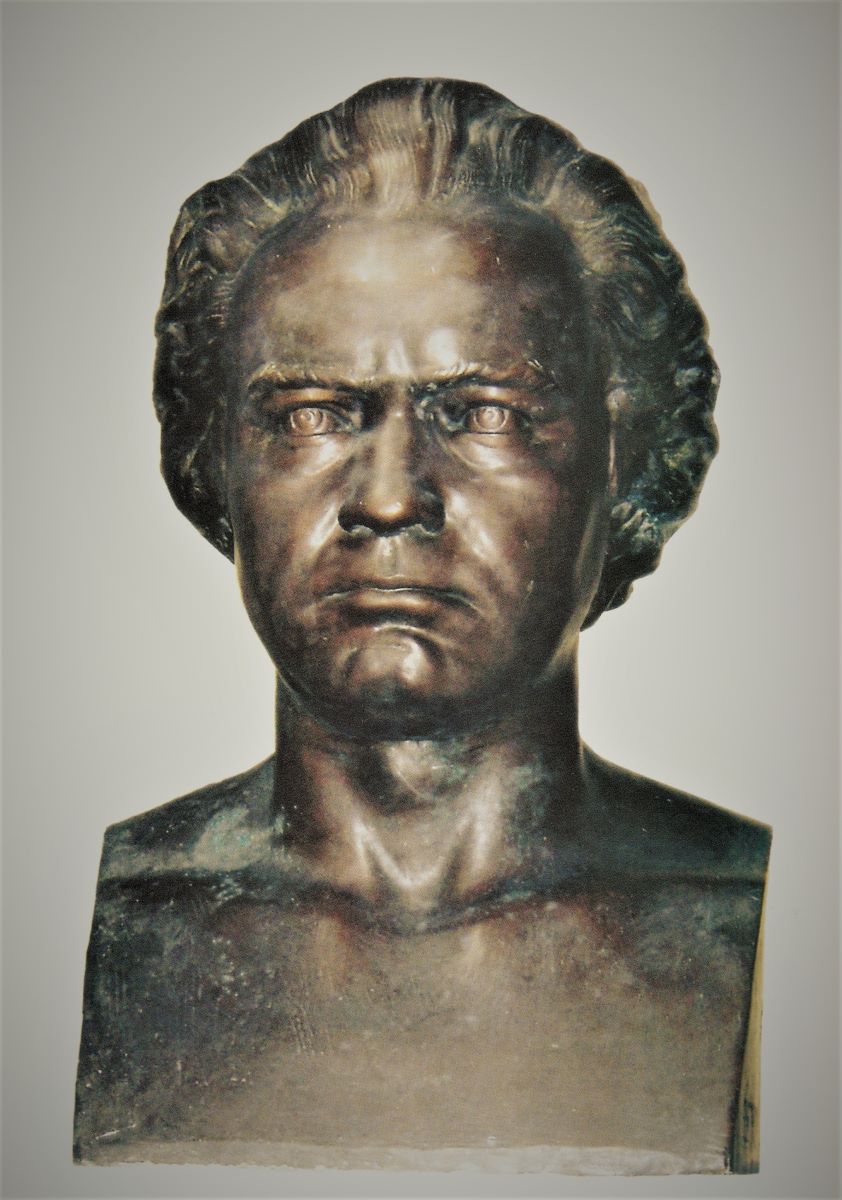
Bust of Ludwig van Beethoven by Frederic Storck
Frederic Storck · 1930
 Letter
Primary source
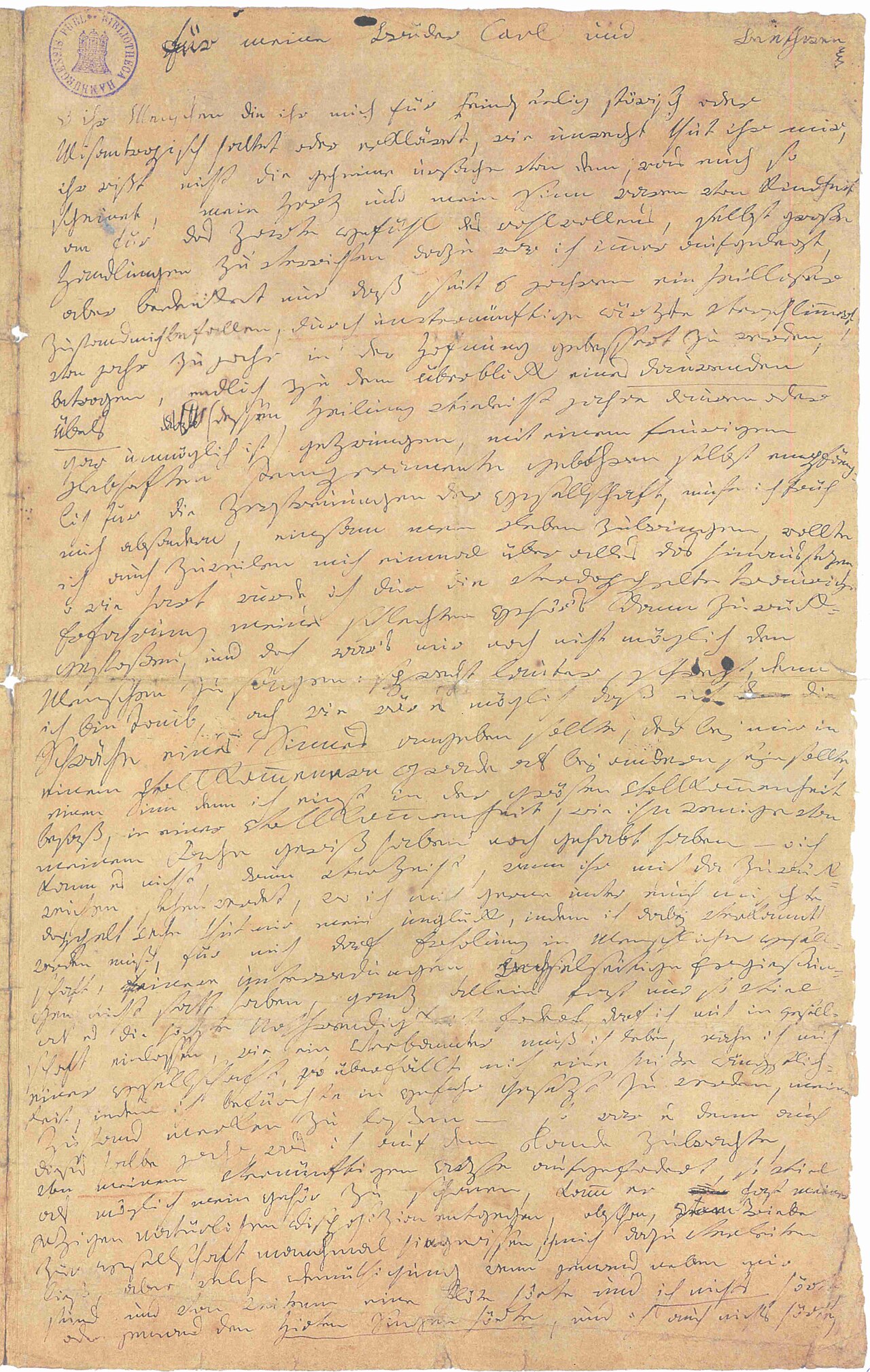
Heiligenstadt Testament
Ludwig van Beethoven · 6 October 1802
 Document
Primary source
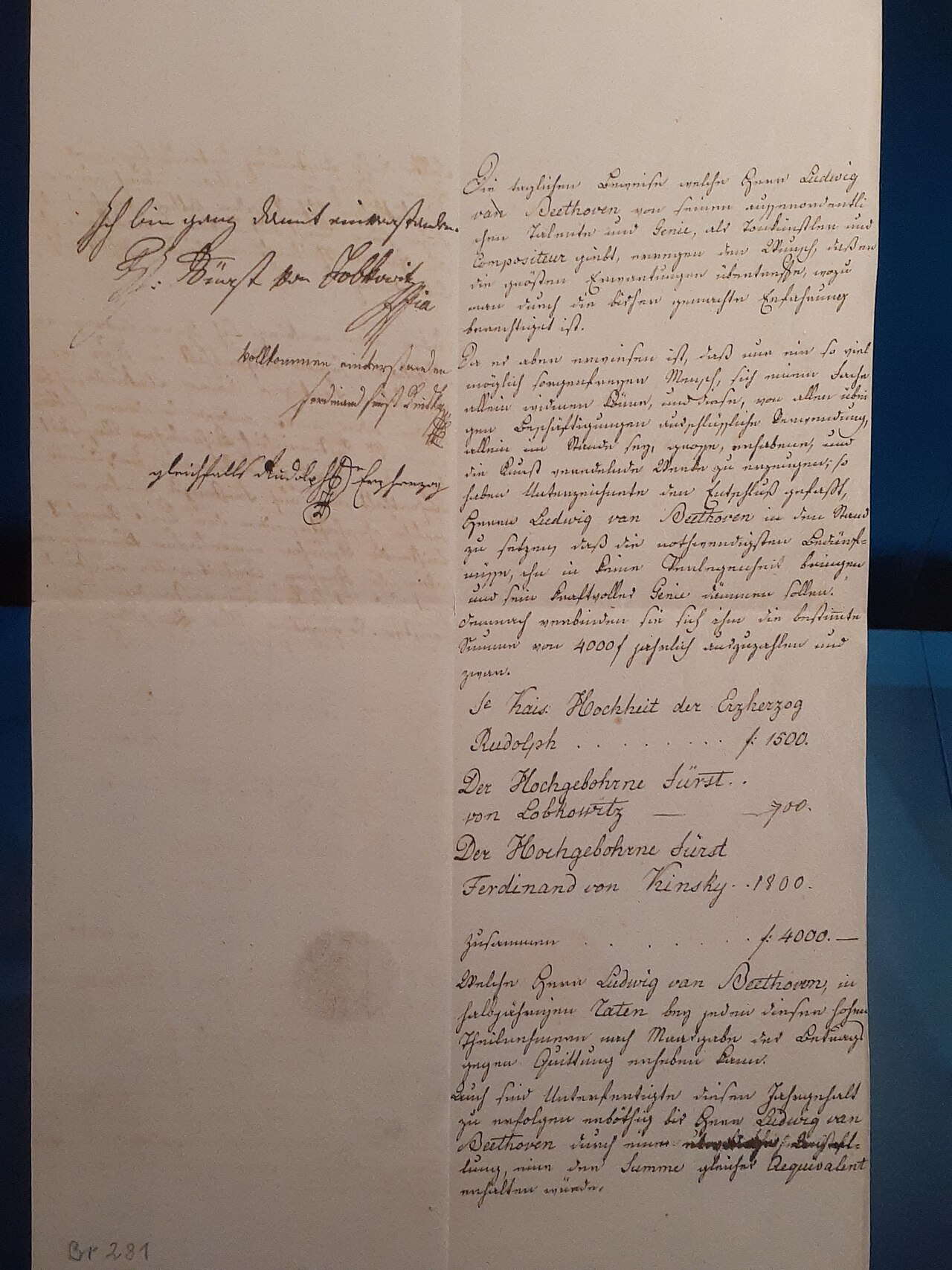
Agreement between Beethoven and Archduke Rudolph, Prince Kinsky and Prince Lobkowitz
1 March 1809
Ready when you are
Start chatting with Ludwig van Beethoven now.
20 messages free · No credit card · Available in 50+ languages.