


Primary sourceArtifact1810s
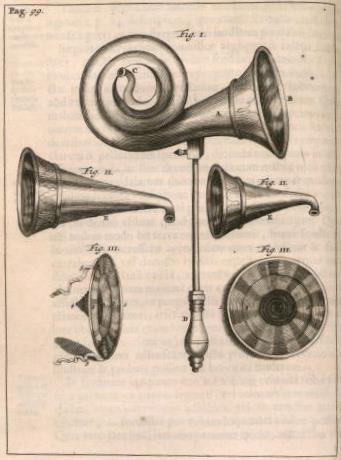
Beethoven's Ear Trumpet
Johann Nepomuk Mälzel · 1810s
A hearing aid made for Beethoven by Johann Nepomuk Mälzel in the 1810s as the composer's deafness worsened.
Tangible evidence of the progressive deafness Beethoven endured while composing his major works.
About this source
What it is
An ear trumpet is a funnel-shaped device that collects sound and directs it into the ear to help a hard-of-hearing person hear better. Johann Nepomuk Mälzel made ear trumpets for Beethoven in the 1810s. Examples are now kept in the Beethoven Museum in Bonn.
Why it matters
Beethoven began losing his hearing while he was still composing some of his greatest works, and devices like this one are physical evidence of that struggle. They remind students that one of history's greatest composers created extraordinary music while dealing with a serious disability.
Look closer
- How does an ear trumpet help someone hear, without actually amplifying sound?
- Why do you think Beethoven needed a specially made device rather than a commercial one?
- What does this object add to our understanding of Beethoven that his music alone cannot tell us?
This artifact is part of the curated material that grounds the AI version of Ludwig van Beethoven on Humy.ai — when students ask about related events, the AI can quote it and cite it.
More Ludwig van Beethoven sources
Meet the AI Ludwig van Beethoven →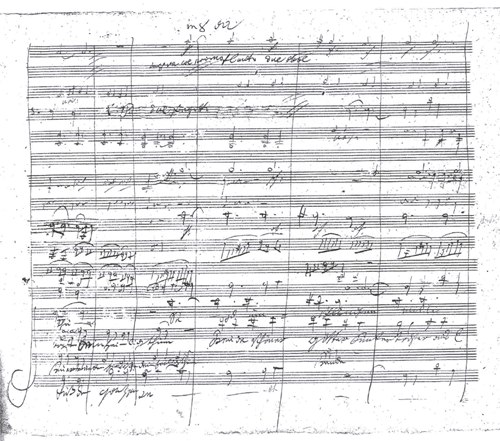 Document
Primary source
Symphony No. 9
Ludwig van Beethoven · 1824
 Sculpture
Secondary source
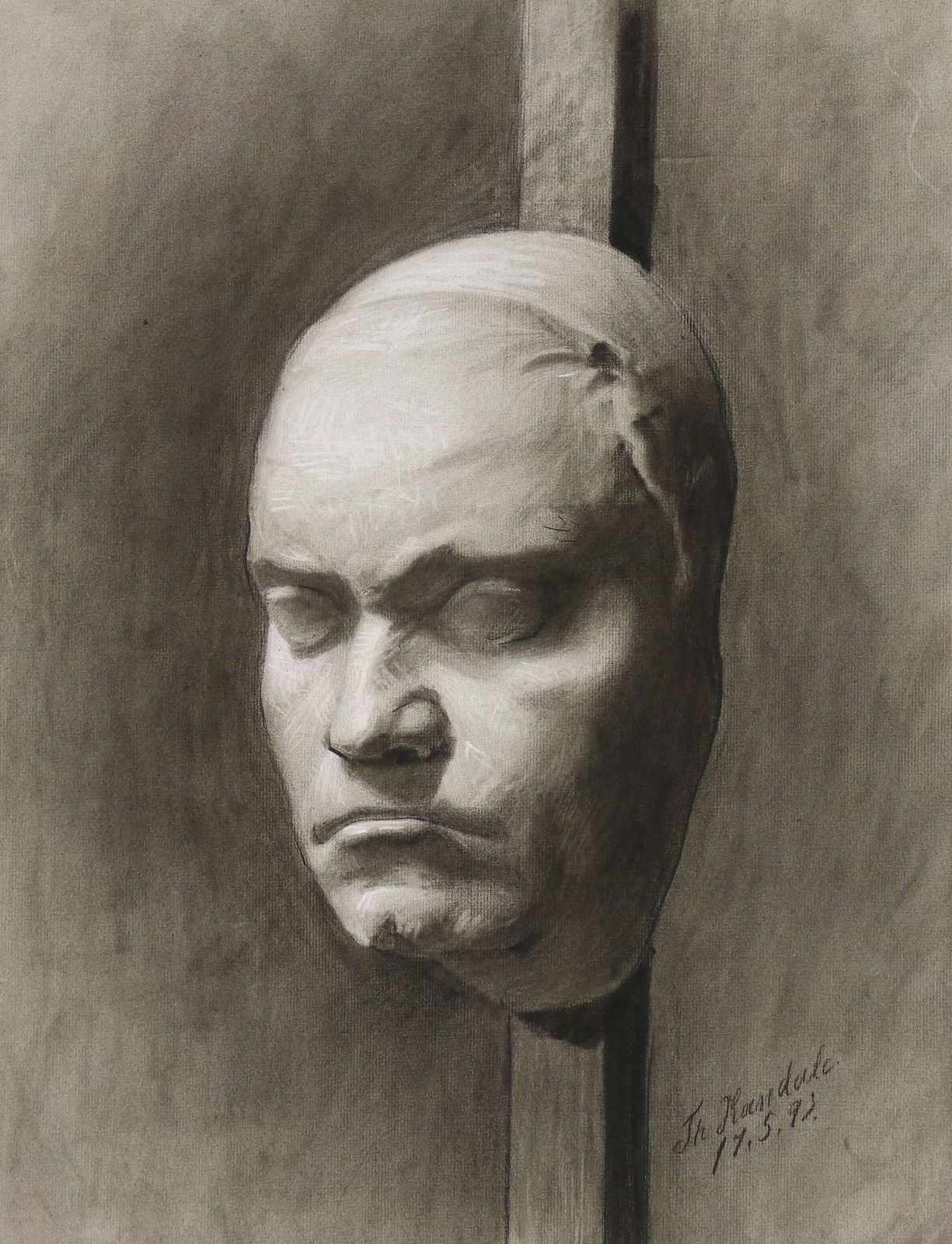
Death of Ludwig van Beethoven
Theodor Kandale (after Josef Danhauser) · 1827 (mask); drawing 1893
 Sculpture
Secondary source
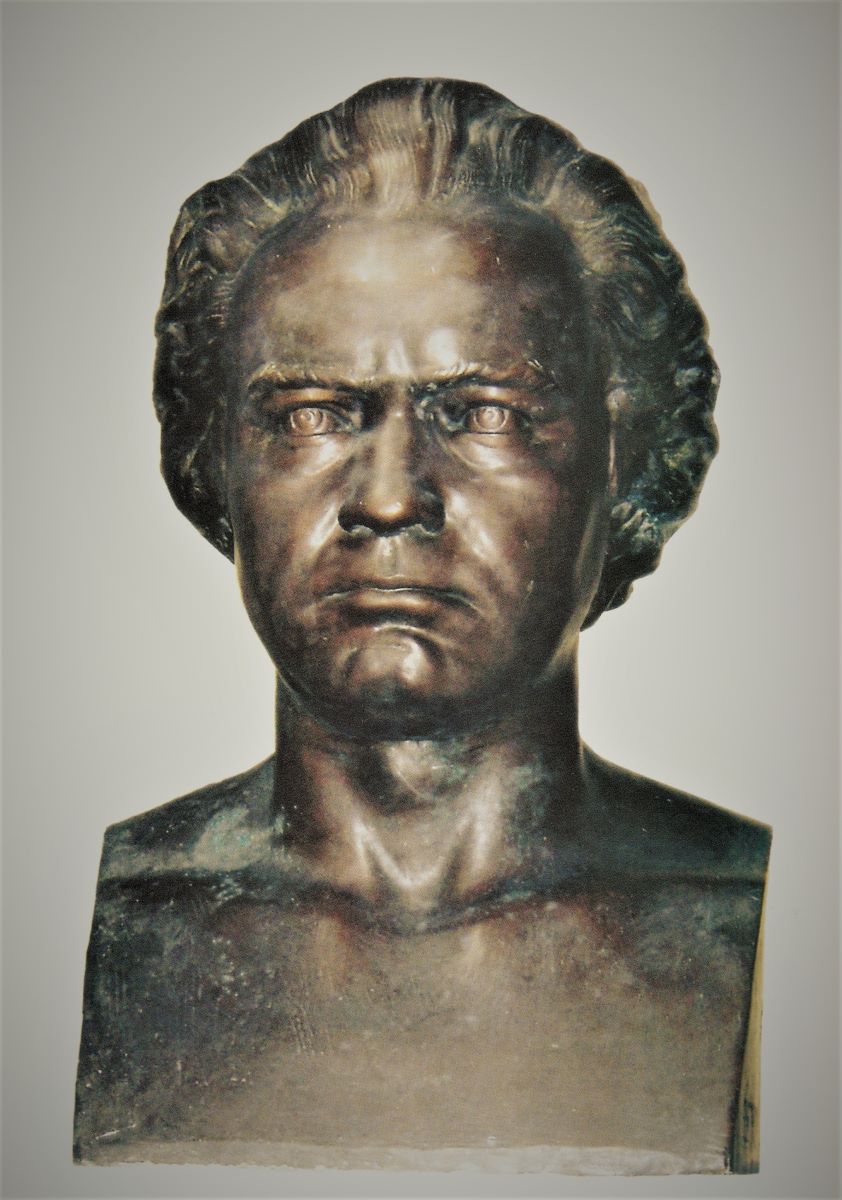
Bust of Ludwig van Beethoven by Frederic Storck
Frederic Storck · 1930
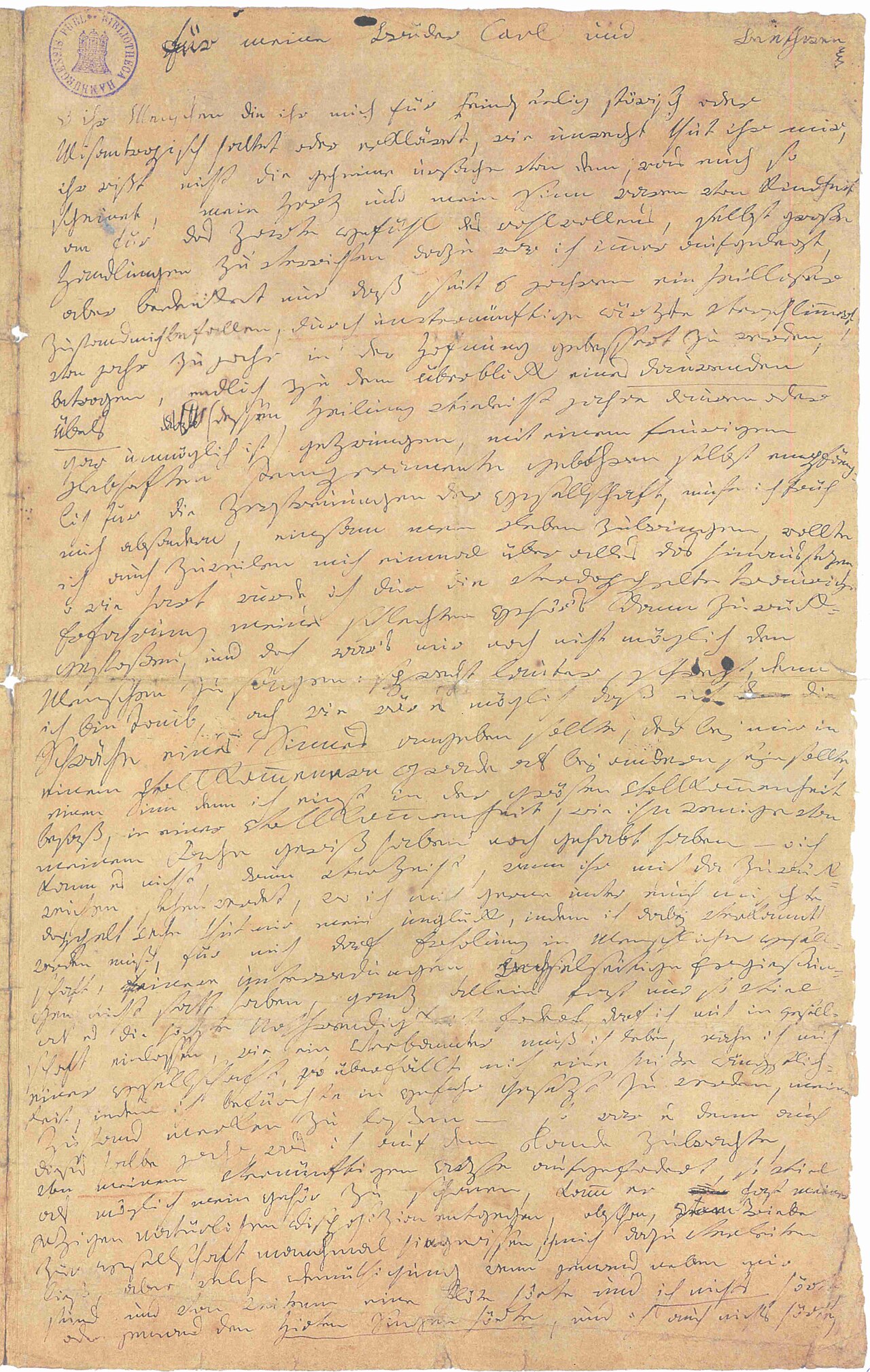 Letter
Primary source
Heiligenstadt Testament
Ludwig van Beethoven · 6 October 1802
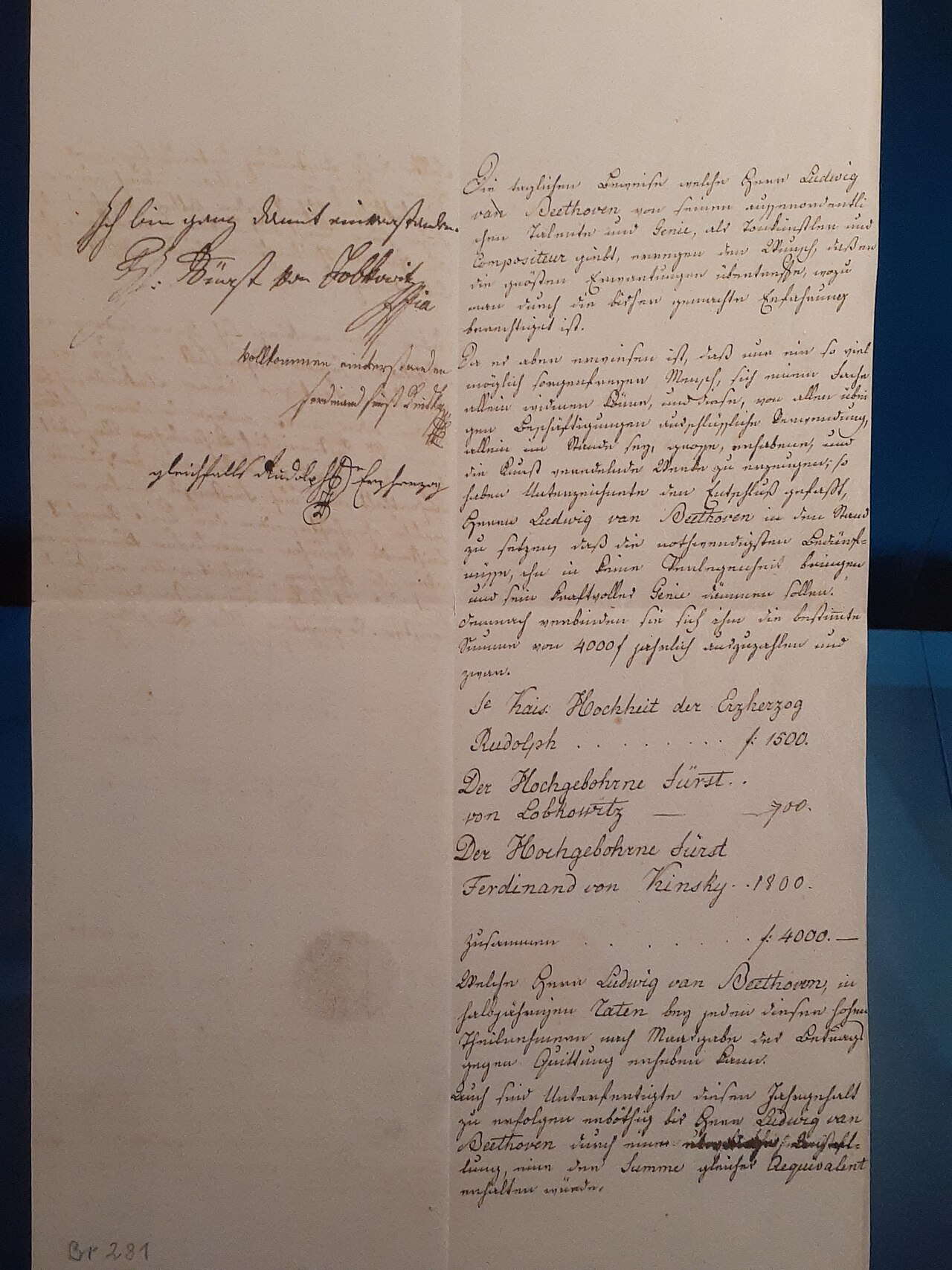 Document
Primary source
Agreement between Beethoven and Archduke Rudolph, Prince Kinsky and Prince Lobkowitz
1 March 1809
Ready when you are
Start chatting with Ludwig van Beethoven now.
20 messages free · No credit card · Available in 50+ languages.