


Primary sourceArtifact1826
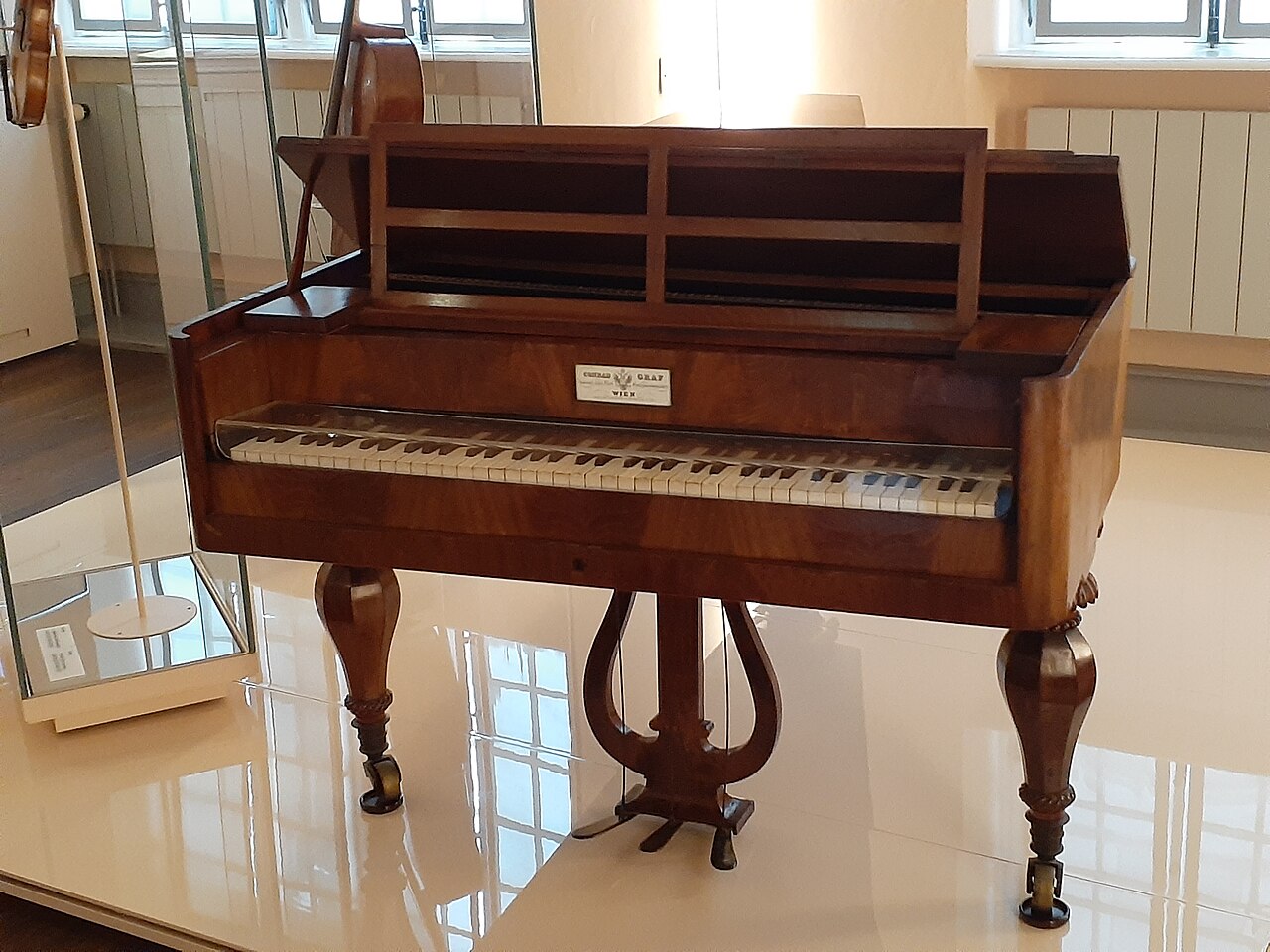
Beethoven's Last Fortepiano
Conrad Graf · 1826
The fortepiano built by Conrad Graf in Vienna in 1826, with extra strings added to help Beethoven hear his own playing as his hearing failed.
This was Beethoven's own piano during the last years of his life, adapted for his deafness.
About this source
What it is
This fortepiano was built by Conrad Graf in Vienna in 1826. It was Beethoven's instrument during the final years of his life.
Why it matters
Graf added extra strings to the piano to make the sound louder, hoping this would help Beethoven, who was almost completely deaf by this point. The instrument shows how Beethoven kept composing and playing even after losing his hearing, and how people around him tried to adapt technology to his needs.
Look closer
- Why would a piano maker add extra strings for a deaf musician?
- What does this object tell you about Beethoven's determination?
- What can't this object tell us about how Beethoven actually experienced music?
This artifact is part of the curated material that grounds the AI version of Ludwig van Beethoven on Humy.ai — when students ask about related events, the AI can quote it and cite it.
More Ludwig van Beethoven sources
Meet the AI Ludwig van Beethoven →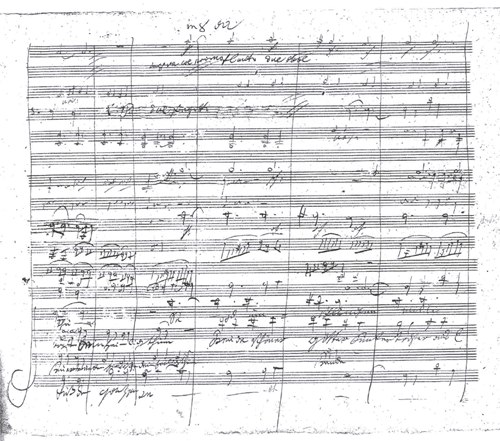 Document
Primary source
Symphony No. 9
Ludwig van Beethoven · 1824
 Sculpture
Secondary source
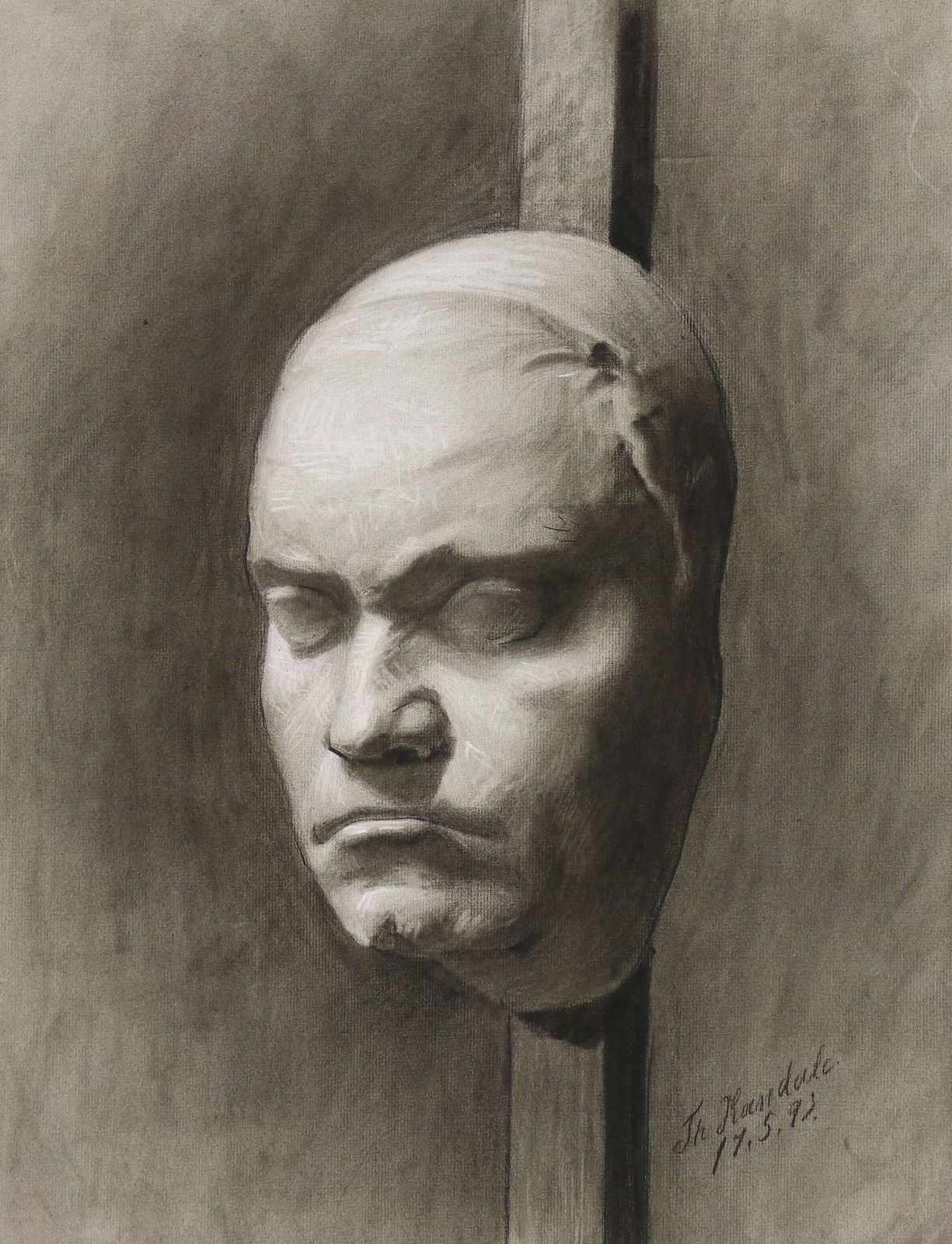
Death of Ludwig van Beethoven
Theodor Kandale (after Josef Danhauser) · 1827 (mask); drawing 1893
 Sculpture
Secondary source
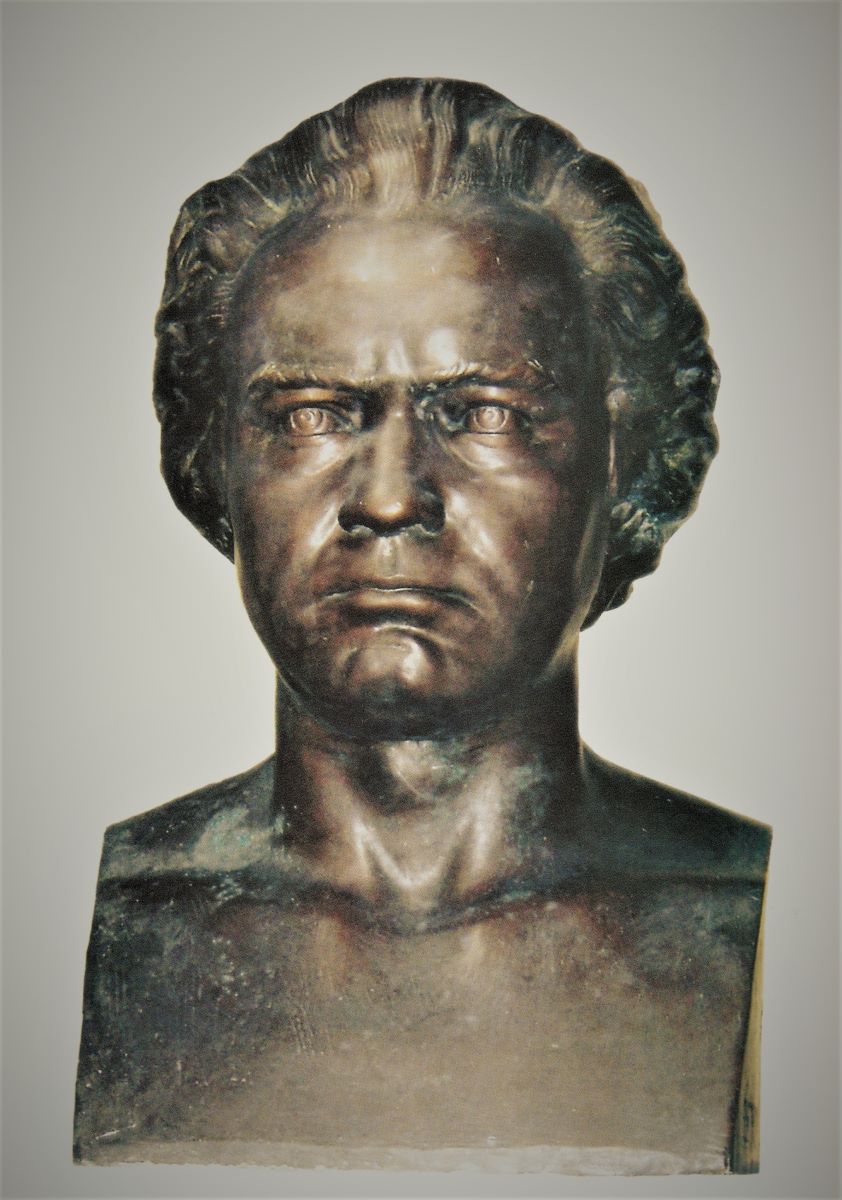
Bust of Ludwig van Beethoven by Frederic Storck
Frederic Storck · 1930
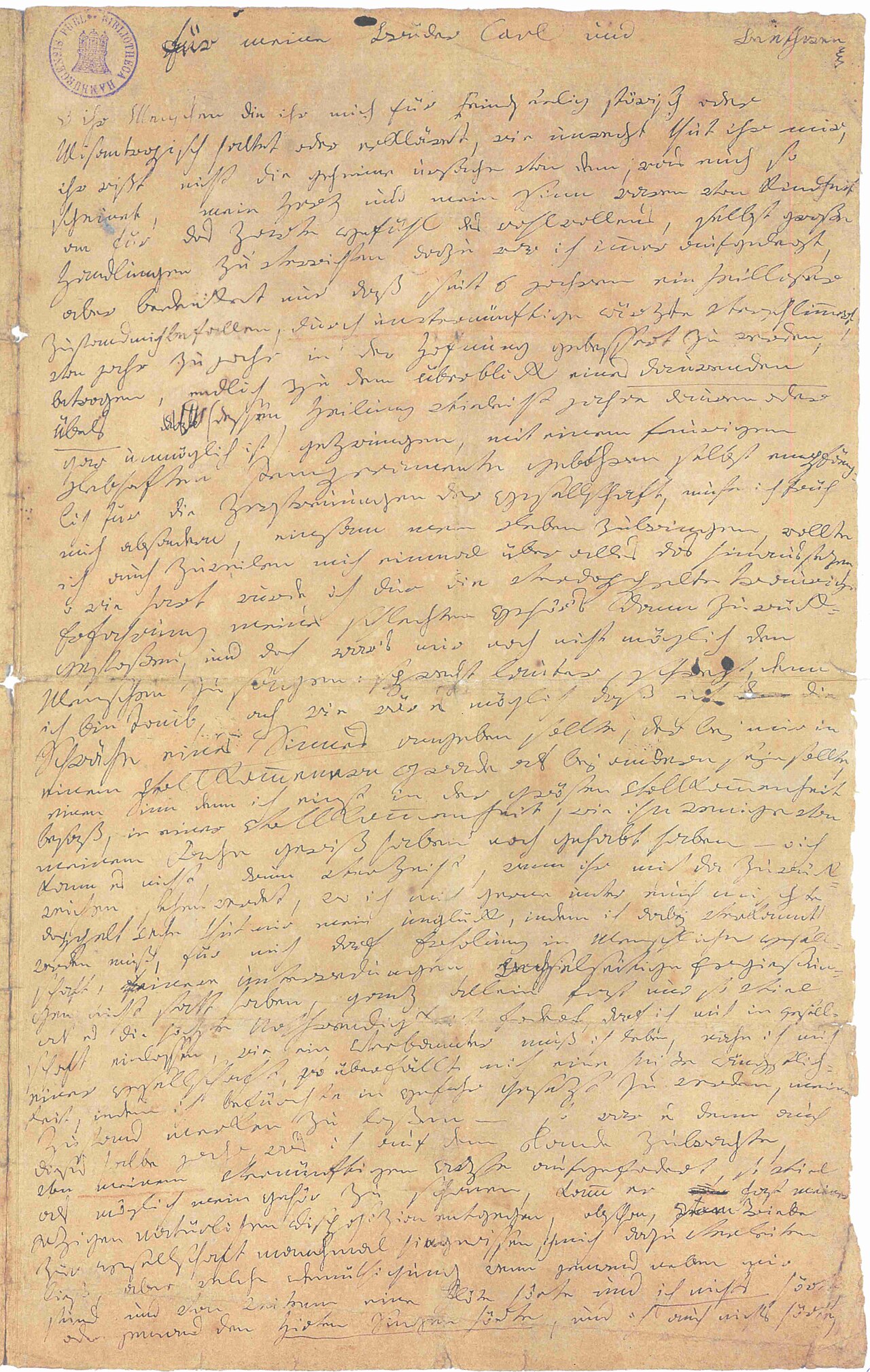 Letter
Primary source
Heiligenstadt Testament
Ludwig van Beethoven · 6 October 1802
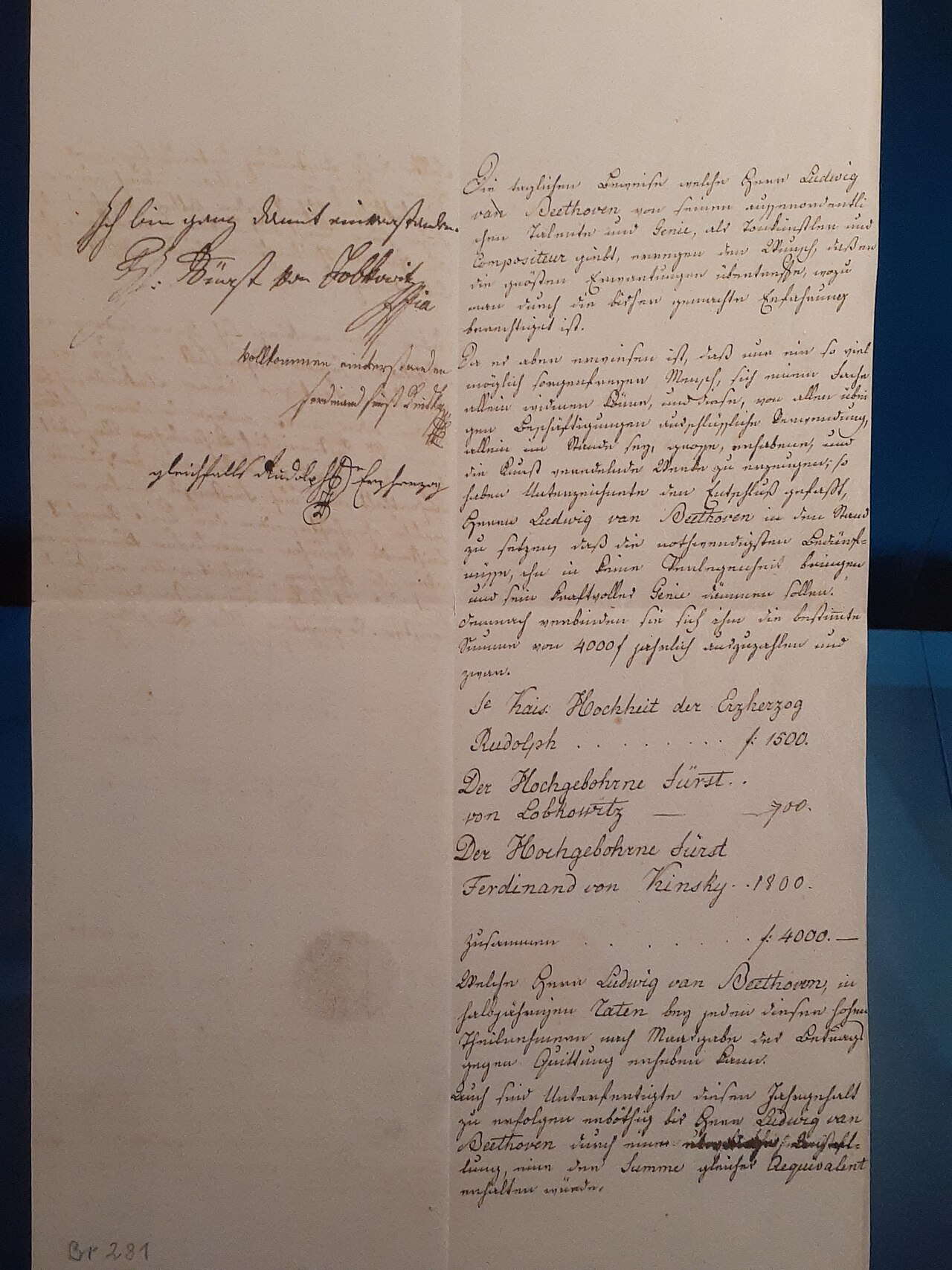 Document
Primary source
Agreement between Beethoven and Archduke Rudolph, Prince Kinsky and Prince Lobkowitz
1 March 1809
Ready when you are
Start chatting with Ludwig van Beethoven now.
20 messages free · No credit card · Available in 50+ languages.