


Primary sourceBook1823
Behold a Sower Went Forth to Sow
Alexander Pushkin · 1823
An 1823 English-language poem by Pushkin about sowing freedom's seed in a desert. It contrasts the free with a flock that has worn the yoke for generations.
A political poem by Pushkin about freedom and servitude, showing the civic side of his writing.
About this source
What it is
This is a short poem by Pushkin from 1823, in English, taken from a modern Russian poetry anthology. The poem's speaker describes walking before the morning star and sowing freedom's seed where slavish plows had left a scar. The poem then turns to nations that never answer honor's horn and asks whether flocks should heed freedom's call.
Why it matters
The poem is a political image written in the 1820s, when Pushkin's verse often spoke about freedom and oppression. It shows how a poet could use the image of a sower and of sheep to talk about the people of his time.
Look closer
- The speaker calls his sowing vain and sad. Why might a poet feel that his efforts about freedom are lost?
- The sheep and flocks are a metaphor. Who might the flock stand for, and who might the sower be?
- The anthology is a modern collection. What might a reader lose by reading the poem only in this selection?
This book is part of the curated material that grounds the AI version of Alexander Pushkin on Humy.ai — when students ask about related events, the AI can quote it and cite it.
More Alexander Pushkin sources
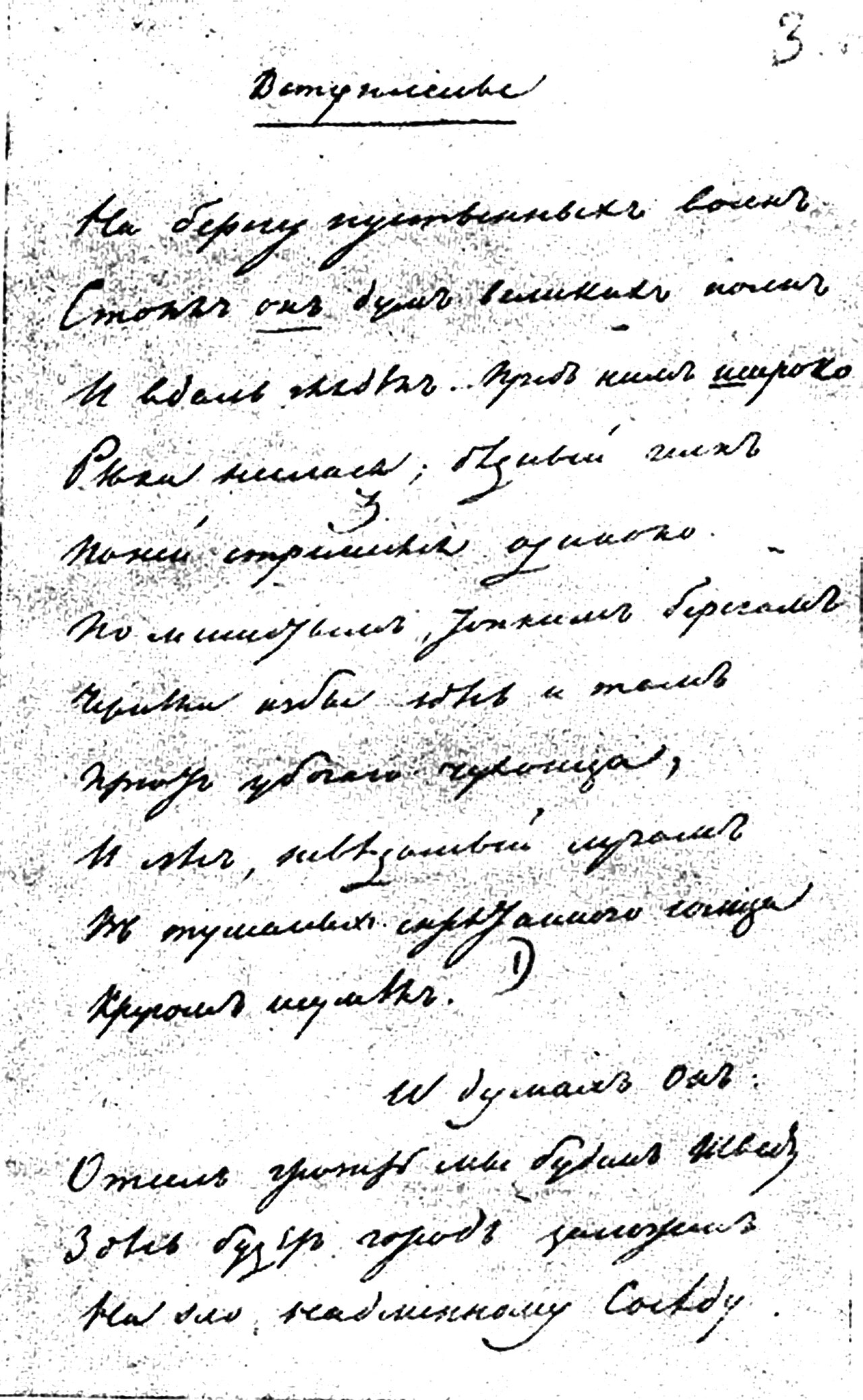
Meet the AI Alexander Pushkin →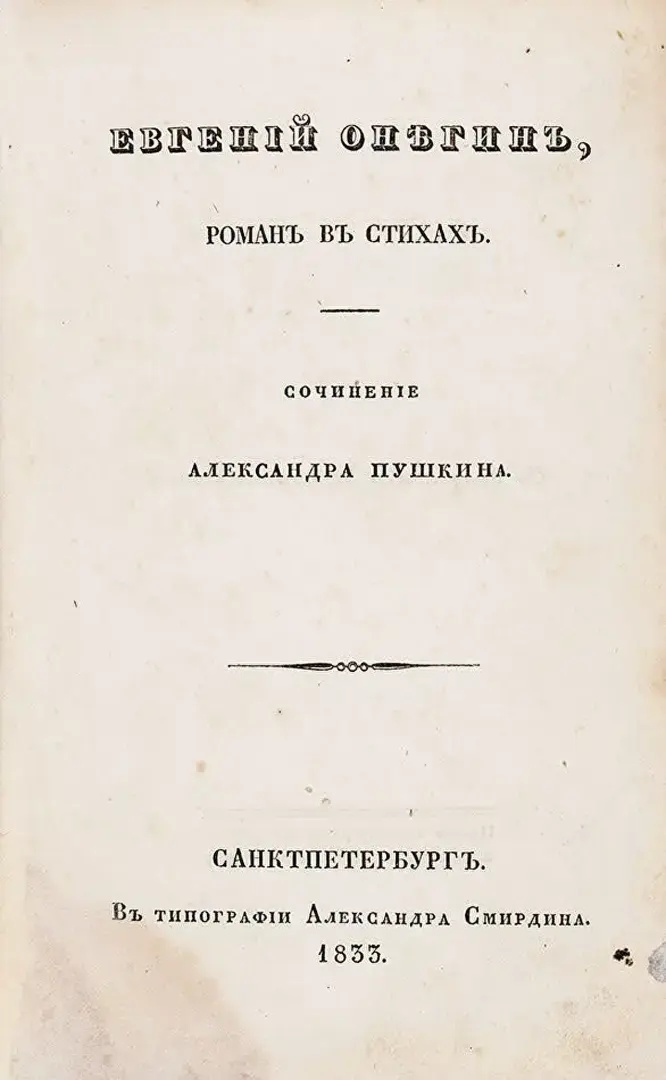 Book
Primary source
Eugene Onegin
Alexander Pushkin · 1823-1831
Primary source
Boris Godunov
Alexander Pushkin · 1825
 Book
Primary source
The Bronze Horseman
Alexander Pushkin · 1833
 Book
Primary source
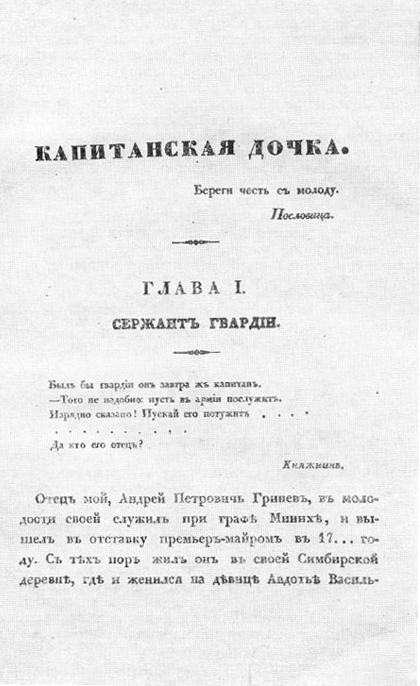
The Captain's Daughter
Alexander Pushkin · 1836
 Painting
Primary source
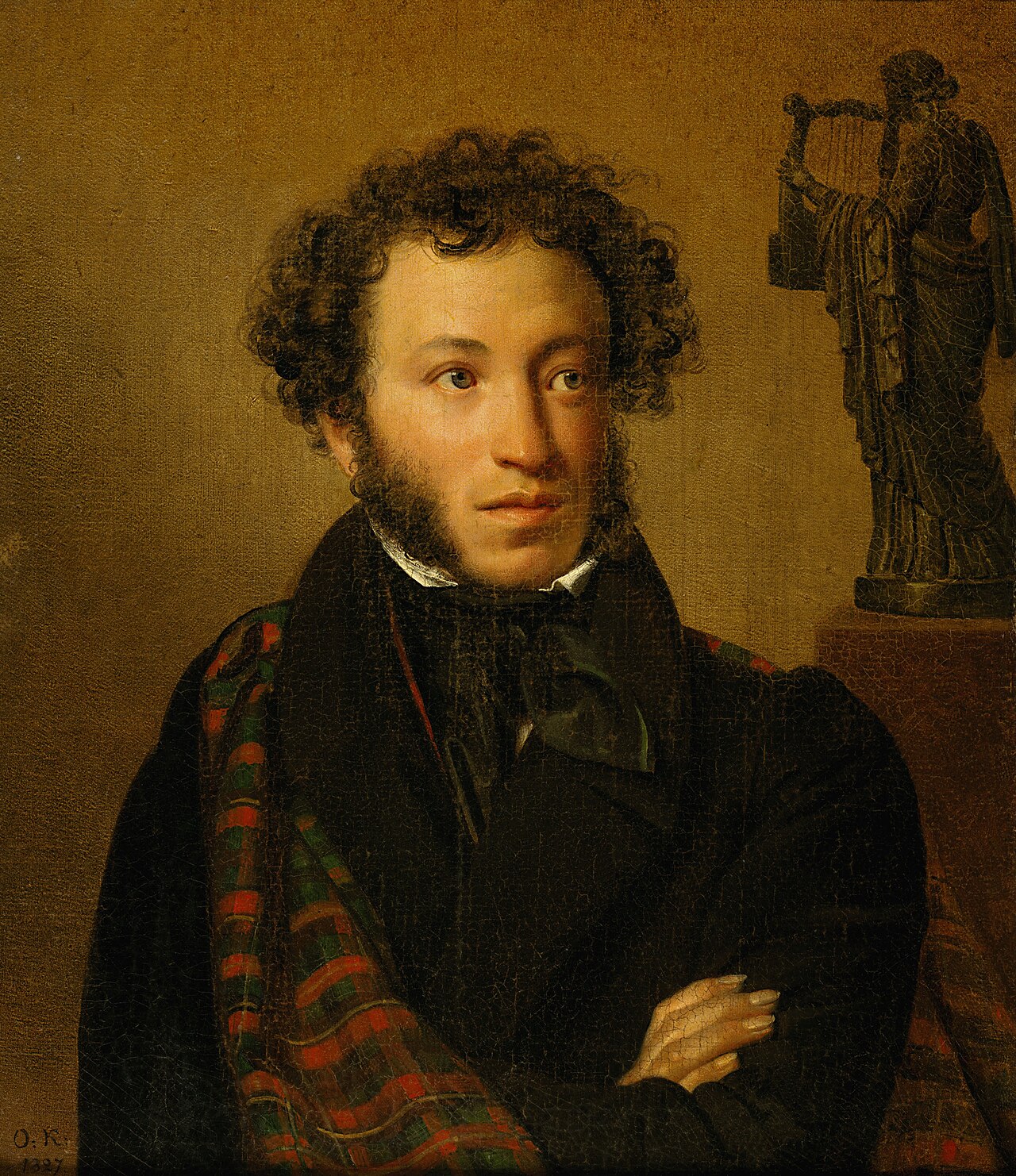
Alexander Pushkin
Orest Kiprensky · 1827
Ready when you are
Start chatting with Alexander Pushkin now.
20 messages free · No credit card · Available in 50+ languages.