


Primary sourcePaintingc. 1820-1823
Black Paintings
Francisco Goya · c. 1820-1823
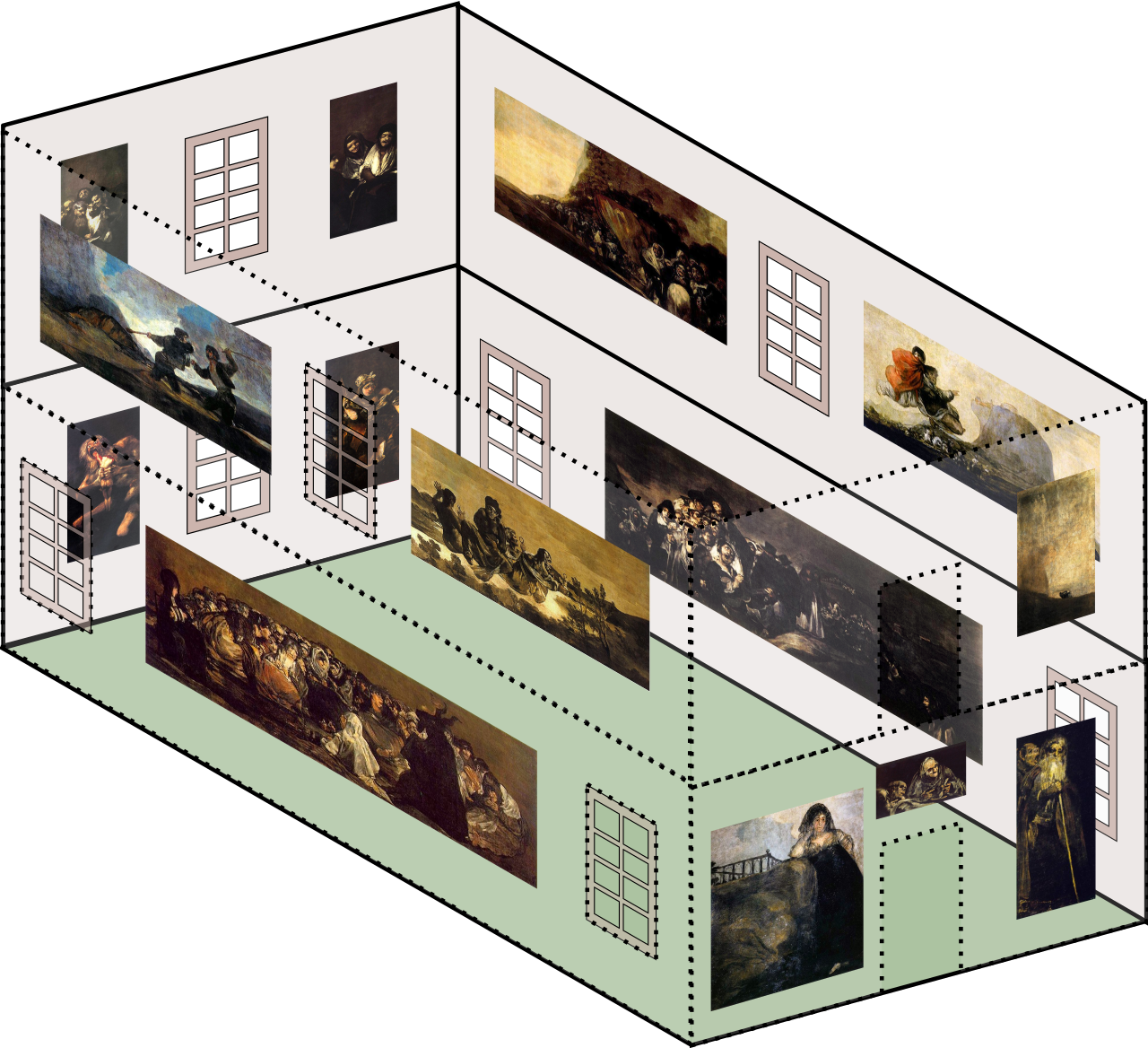
A series of 14 murals Goya painted directly on the walls of his house, later transferred to canvas, revealing his bleak late vision of life.
Goya painted these private murals himself in his own home during his final years in Spain.
About this source
What it is
The Black Paintings are 14 murals that Francisco Goya painted on the walls of his house, the Quinta del Sordo, probably between 1820 and 1823. They were never meant to be sold or shown; Goya painted them for himself, over earlier, lighter scenes already on the walls. Decades after his death the murals were carefully removed and fixed onto canvas, and they now hang in the Museo del Prado in Madrid.
Why it matters
Goya was old, nearly deaf and had survived serious illness when he made these works. They show no commission, no audience and no need to please anyone, so historians read them as a private window into his fears about madness, death and the turmoil Spain had just lived through. Because Goya never named or explained them, later writers and curators gave them their titles.
Look closer
- Why might an artist paint something never intended for anyone else to see?
- What do the dark colours and strange subjects suggest about Goya's state of mind?
- How much of what we 'know' about these paintings is guesswork by later historians?
This painting is part of the curated material that grounds the AI version of Francisco Goya on Humy.ai — when students ask about related events, the AI can quote it and cite it.
More Francisco Goya sources
Meet the AI Francisco Goya →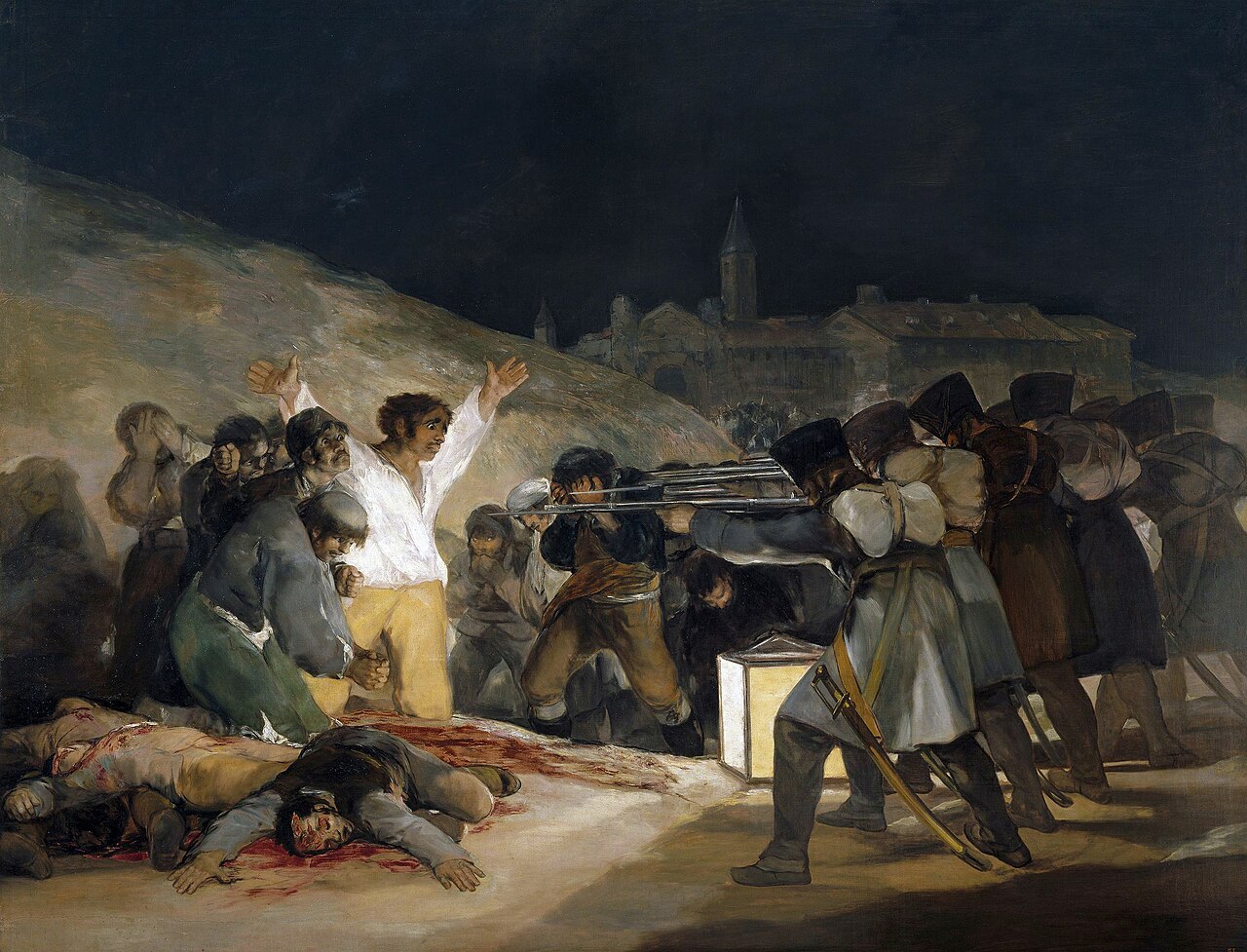 Painting
Secondary source
The Third of May 1808
Francisco Goya · 1814
 Painting
Primary source
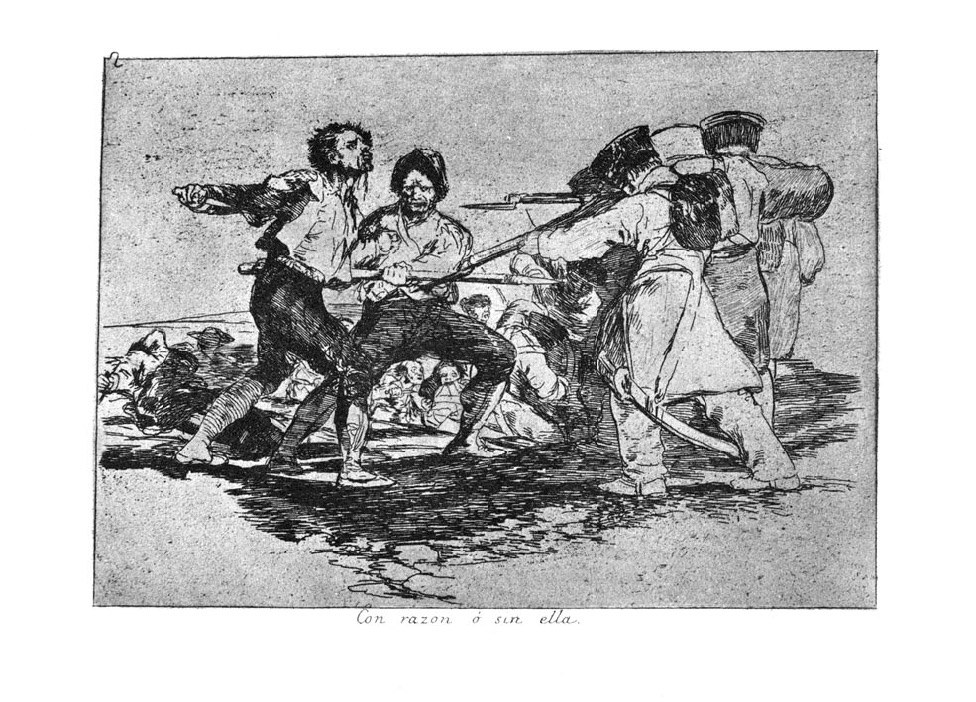
The Disasters of War
Francisco Goya · 1810-1820
 Painting
Primary source
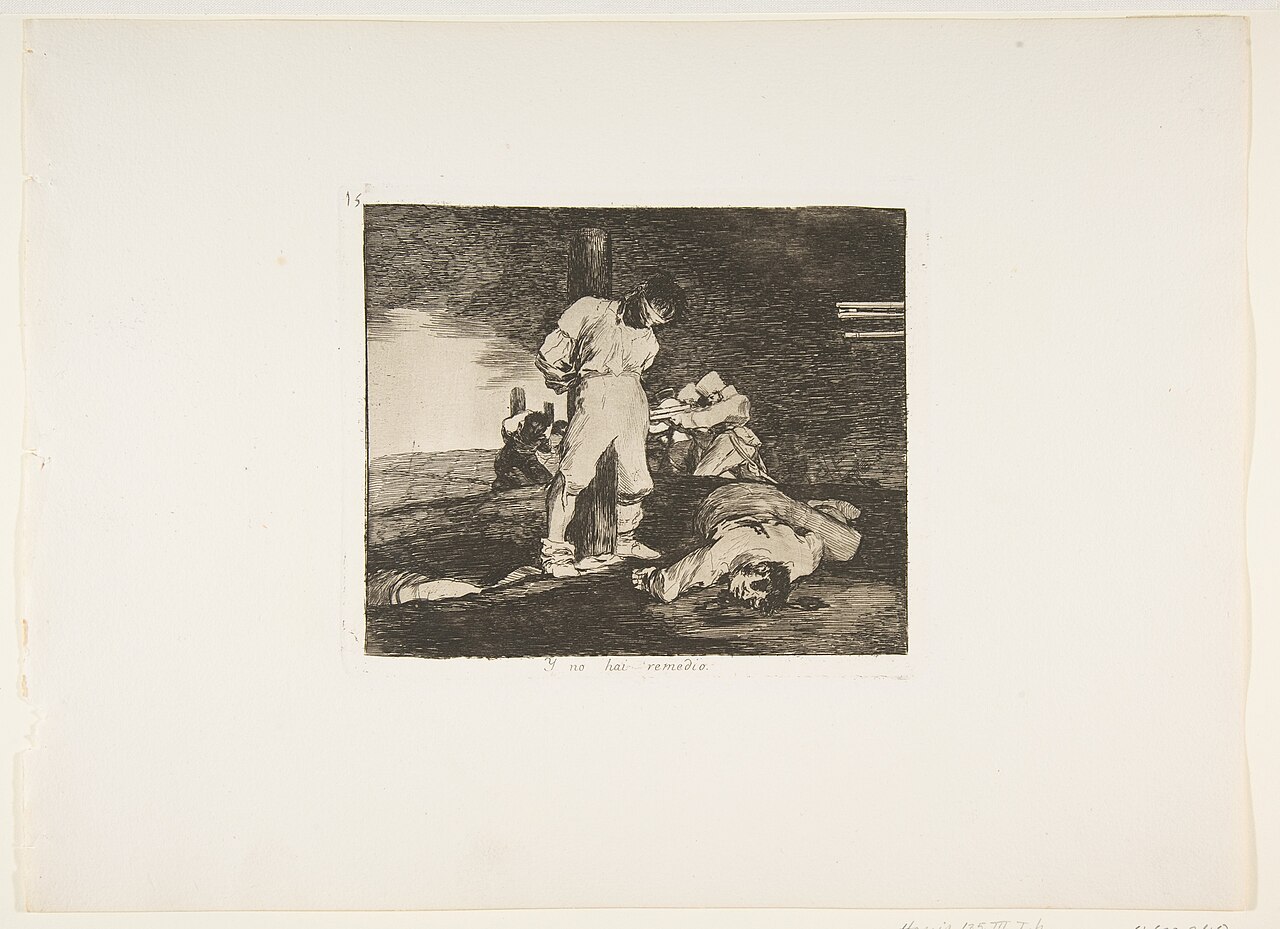
Y no hai remedio
Francisco de Goya · c. 1810-1814 (published 1863)
 Painting
Primary source
Caprichos
Francisco Goya · 1799 (created 1797-1798)
 Painting
Primary source
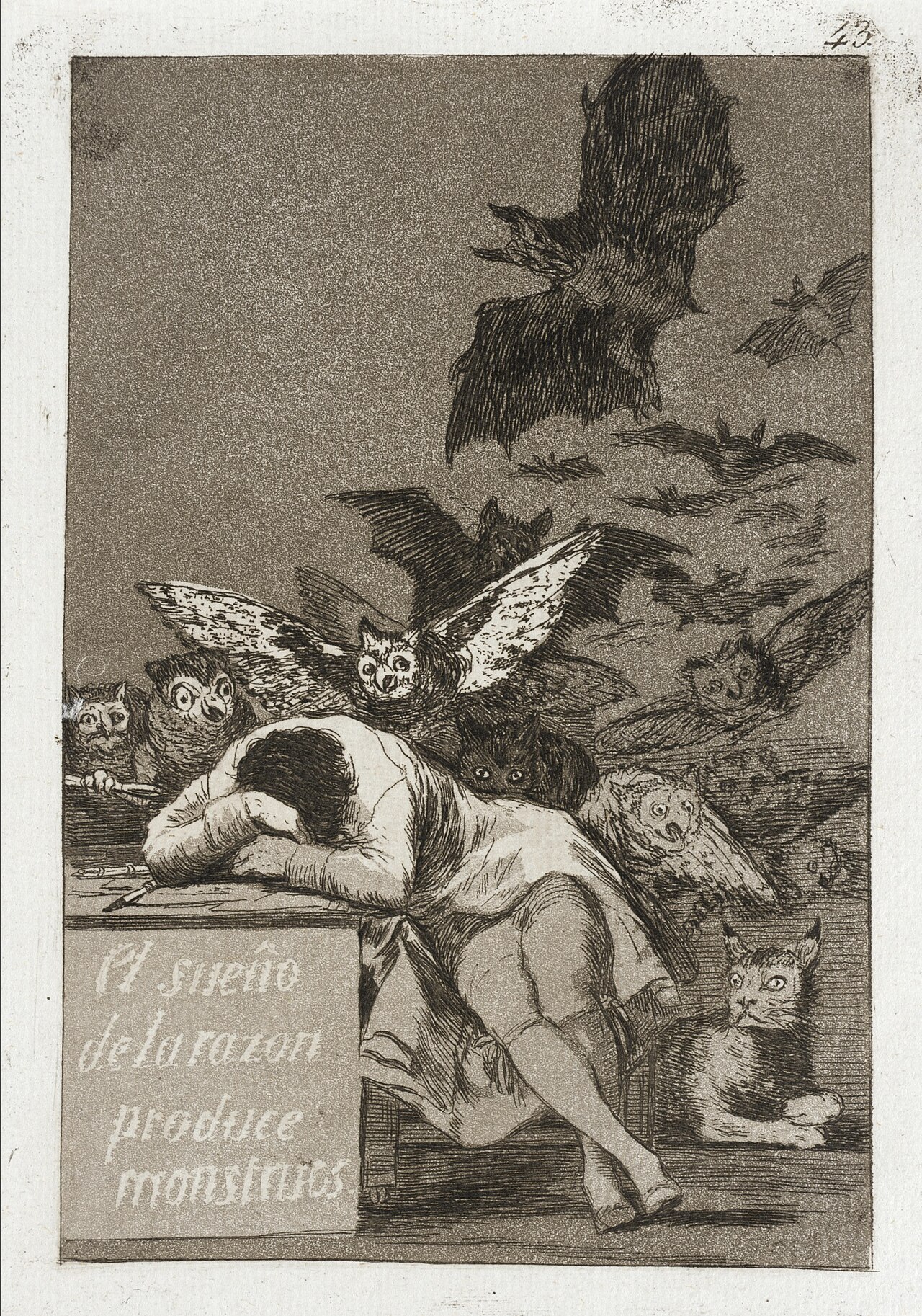
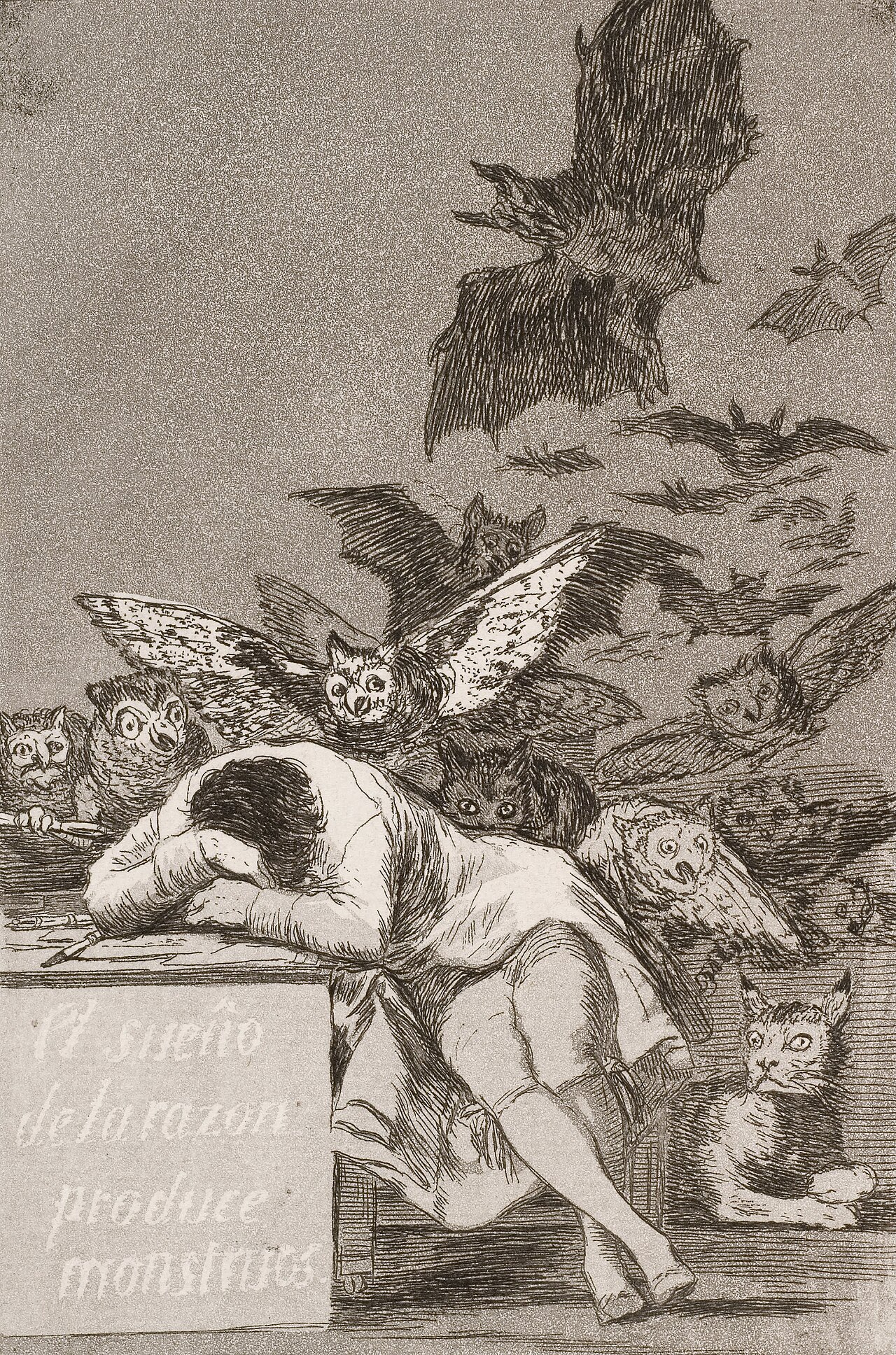
The Sleep of Reason Produces Monsters
Francisco Goya · 1797-1799
Ready when you are
Start chatting with Francisco Goya now.
20 messages free · No credit card · Available in 50+ languages.