


Primary sourceArtifactca. 1347-1330 BCE
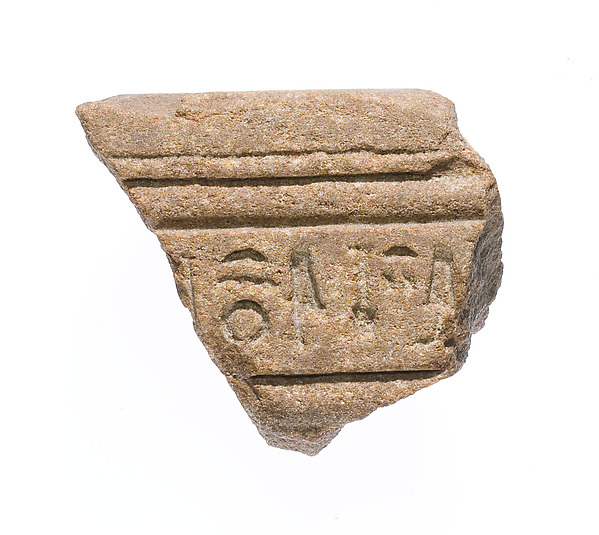
Block Edge with Cartouche of Nefertiti
ca. 1347-1330 BCE
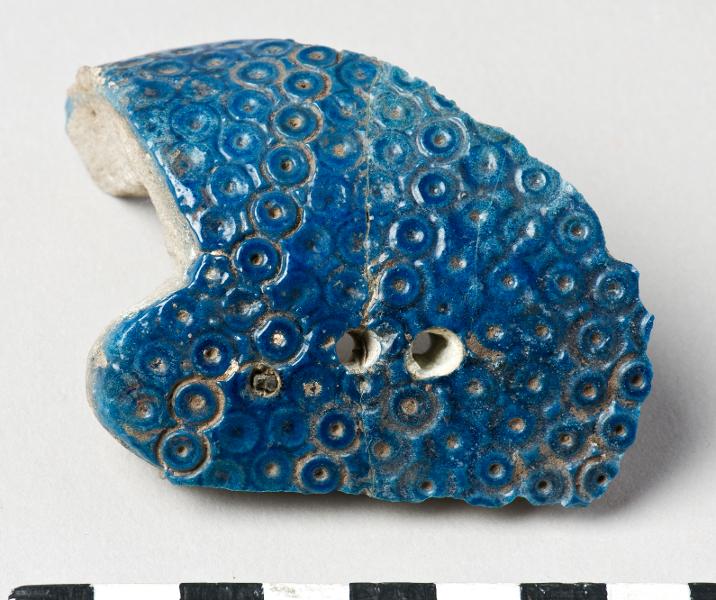
A second stone fragment inscribed with Nefertiti's cartouche from the Amarna period.
Another block carrying Nefertiti's cartouche, evidence that her name was repeated across royal architecture.
About this source
What it is
This is the edge of a yellow quartzite block carved with hieroglyphs including Nefertiti's cartouche. It comes from the New Kingdom, Amarna Period, during the reign of Akhenaten, and is held today at The Metropolitan Museum of Art.
Why it matters
Pieces like this were once part of larger buildings constructed under Akhenaten at Amarna. That Nefertiti's name appears on architectural stonework shows how closely she was associated with the king's building projects and religious program.
Look closer
- What can the shape and wear of this fragment tell you about its original size and use?
- Why do you think royal names were carved in multiple places throughout a building?
- What do we lose when only a small piece of a larger inscription survives?
This artifact is part of the curated material that grounds the AI version of Queen Nefereti on Humy.ai — when students ask about related events, the AI can quote it and cite it.
More Queen Nefereti sources
Meet the AI Queen Nefereti →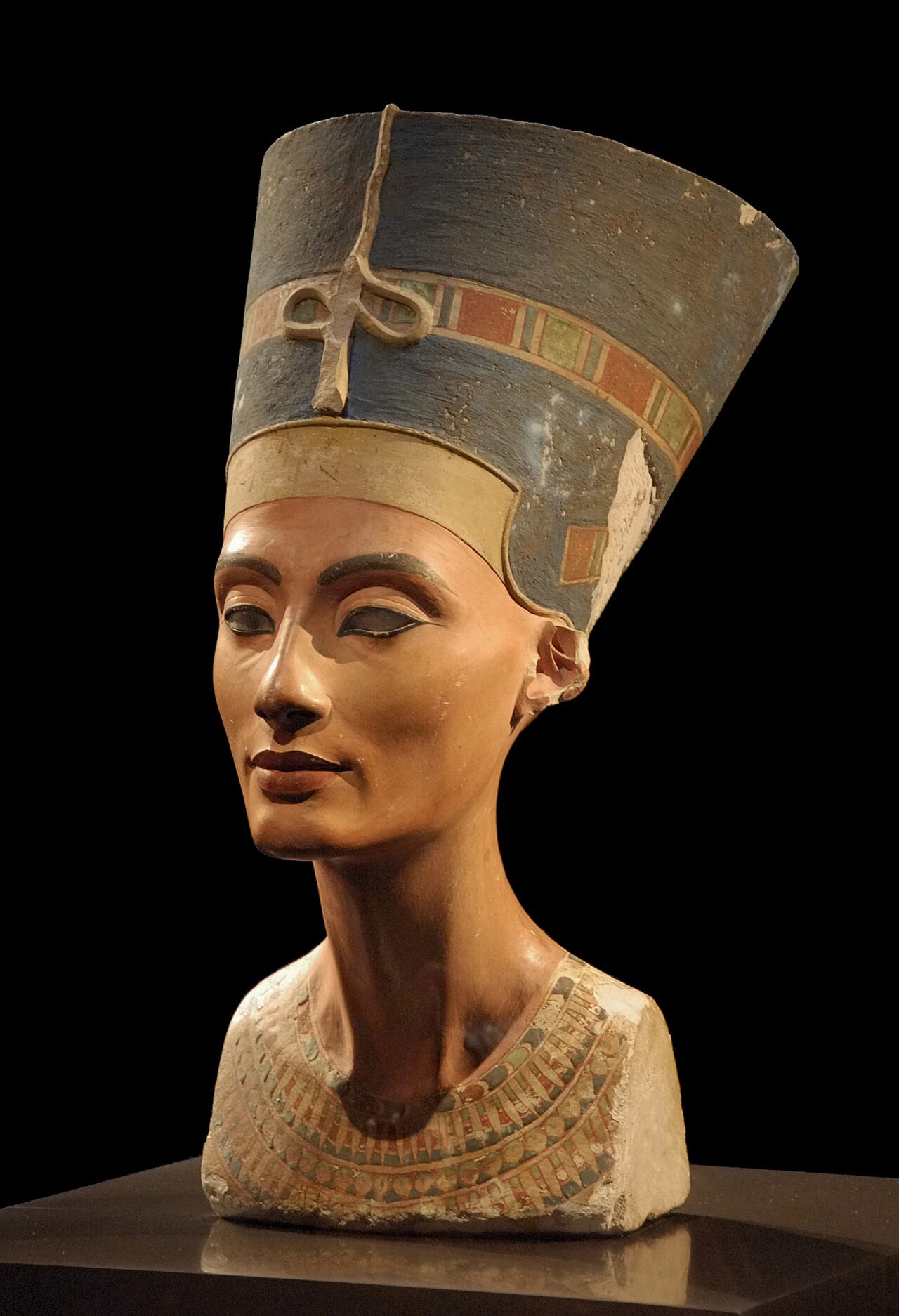 Sculpture
Primary source
Bust of Queen Nefertiti
Thutmose · c. 1345 BC
 Sculpture
Primary source
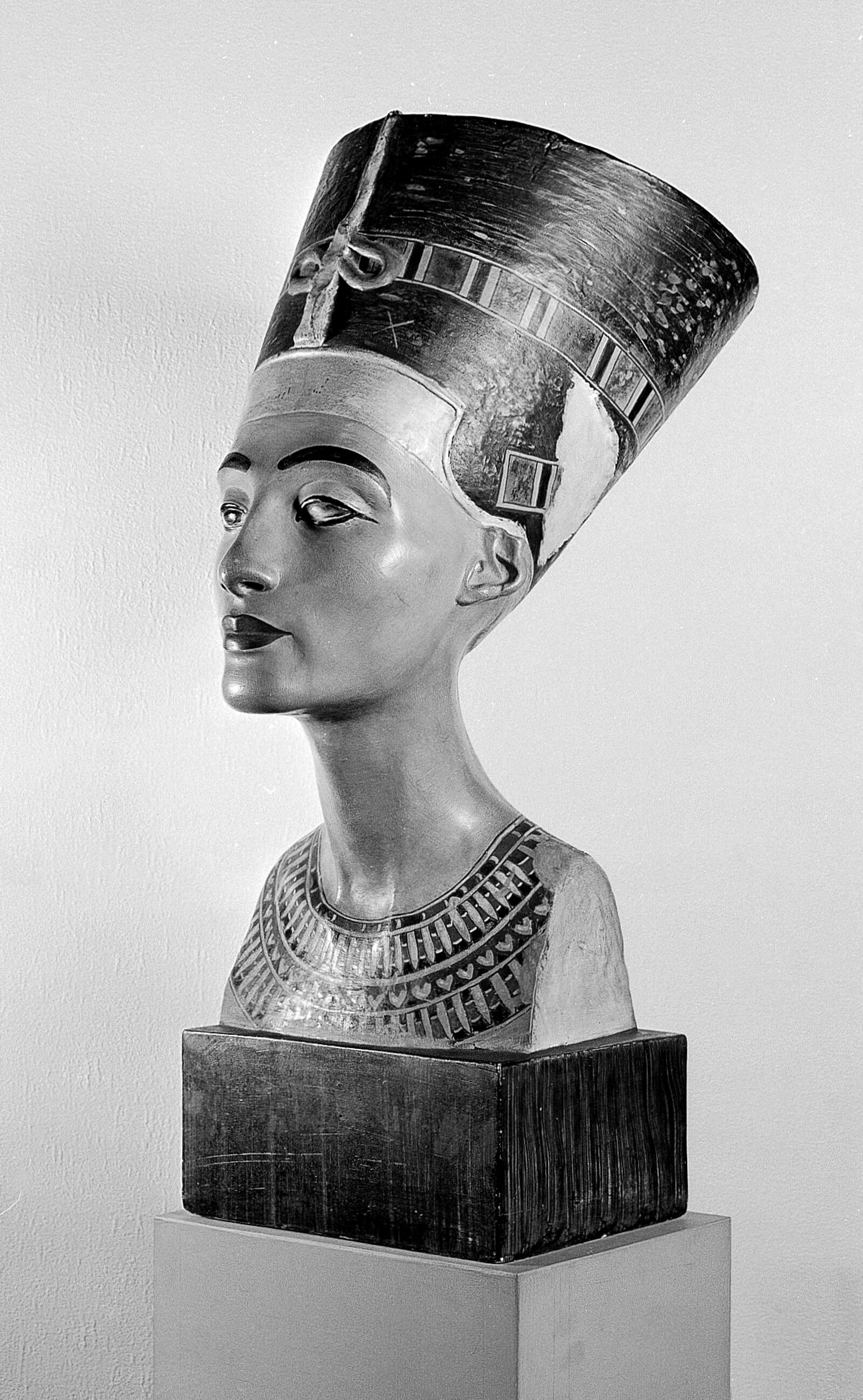
Figure of Nefertiti
 Sculpture
Primary source
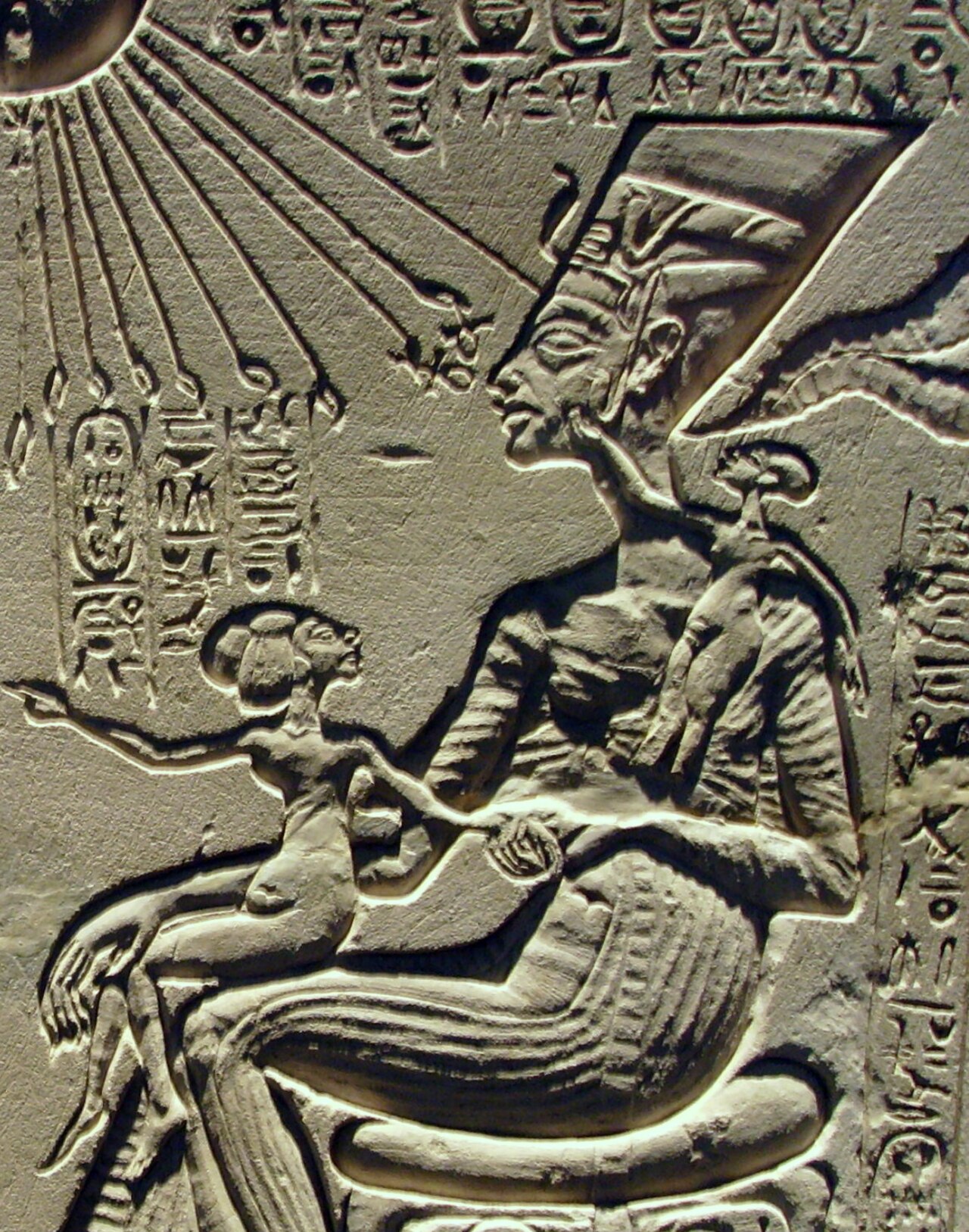
Akhenaten and His Family
c. 1352 BC
 Sculpture
Primary source
Relief Fragment Showing the Blue Crown of Nefertiti
 Document
Primary source
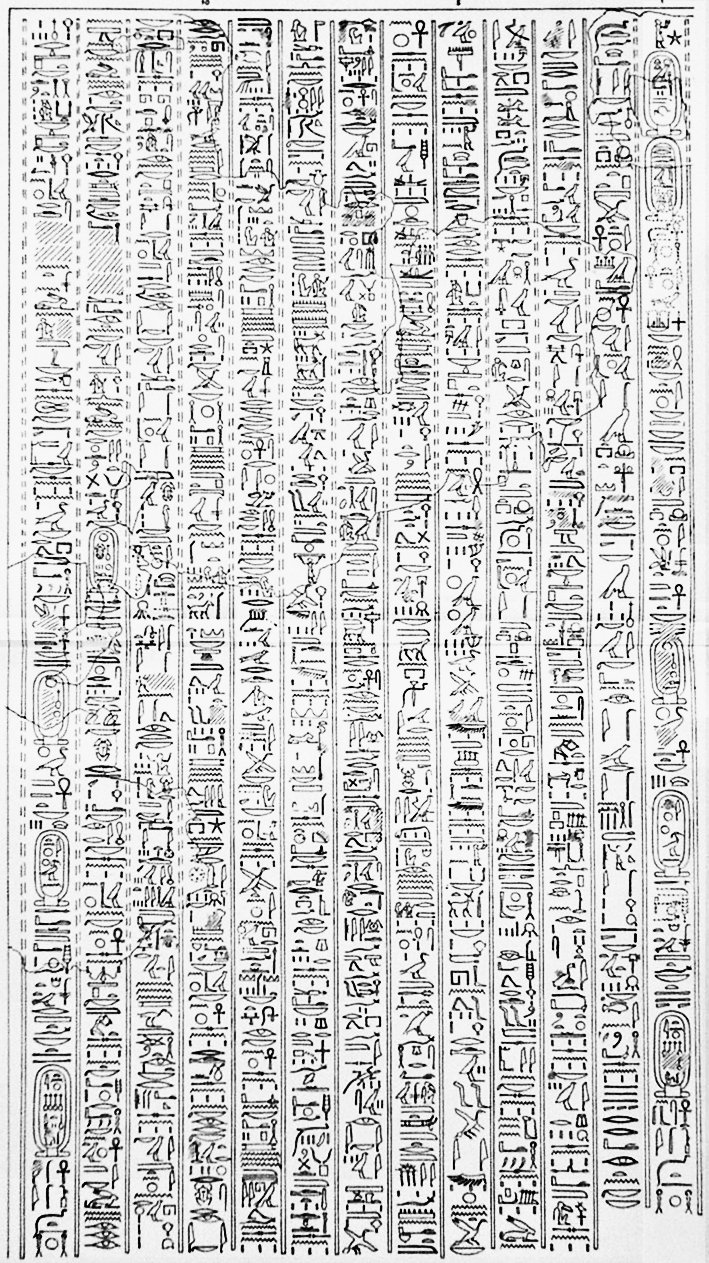
Great Hymn to the Aten
Akhenaten · c. 1350 BC
Ready when you are
Start chatting with Queen Nefereti now.
20 messages free · No credit card · Available in 50+ languages.