


Primary sourceArtifactca. 1347-1330 BCE
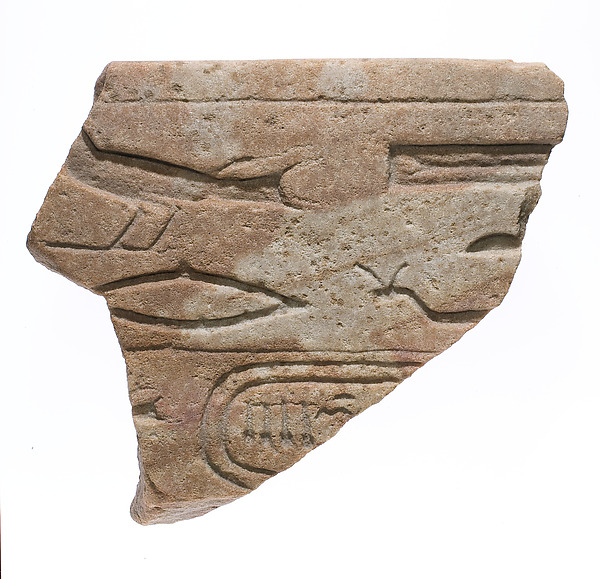
Block Fragment with Cartouche of Nefertiti
ca. 1347-1330 BCE
A carved stone block fragment bearing Nefertiti's cartouche, made during the Amarna period of Akhenaten's reign.
This stone fragment carries Nefertiti's own cartouche, physical proof of her name inscribed on royal buildings of Amarna.
About this source
What it is
This is an edge fragment of a yellow quartzite block carved with a partial cartouche containing Nefertiti's name, along with other hieroglyphic bands. It dates to the Amarna Period of the New Kingdom, during the reign of the pharaoh Akhenaten, and is now held at The Metropolitan Museum of Art.
Why it matters
Fragments like this come from the buildings of Amarna, the new capital city built by Akhenaten. They show that Nefertiti's name was carved into official architecture, confirming her importance as Great Royal Wife and a visible presence in the religious and political life of the court.
Look closer
- What does the broken edge of the stone tell you about where this fragment came from?
- Why might a queen's name be carved into a building block rather than just spoken?
- What is missing from this fragment that a full inscription might have told us?
This artifact is part of the curated material that grounds the AI version of Queen Nefereti on Humy.ai — when students ask about related events, the AI can quote it and cite it.
More Queen Nefereti sources
Meet the AI Queen Nefereti →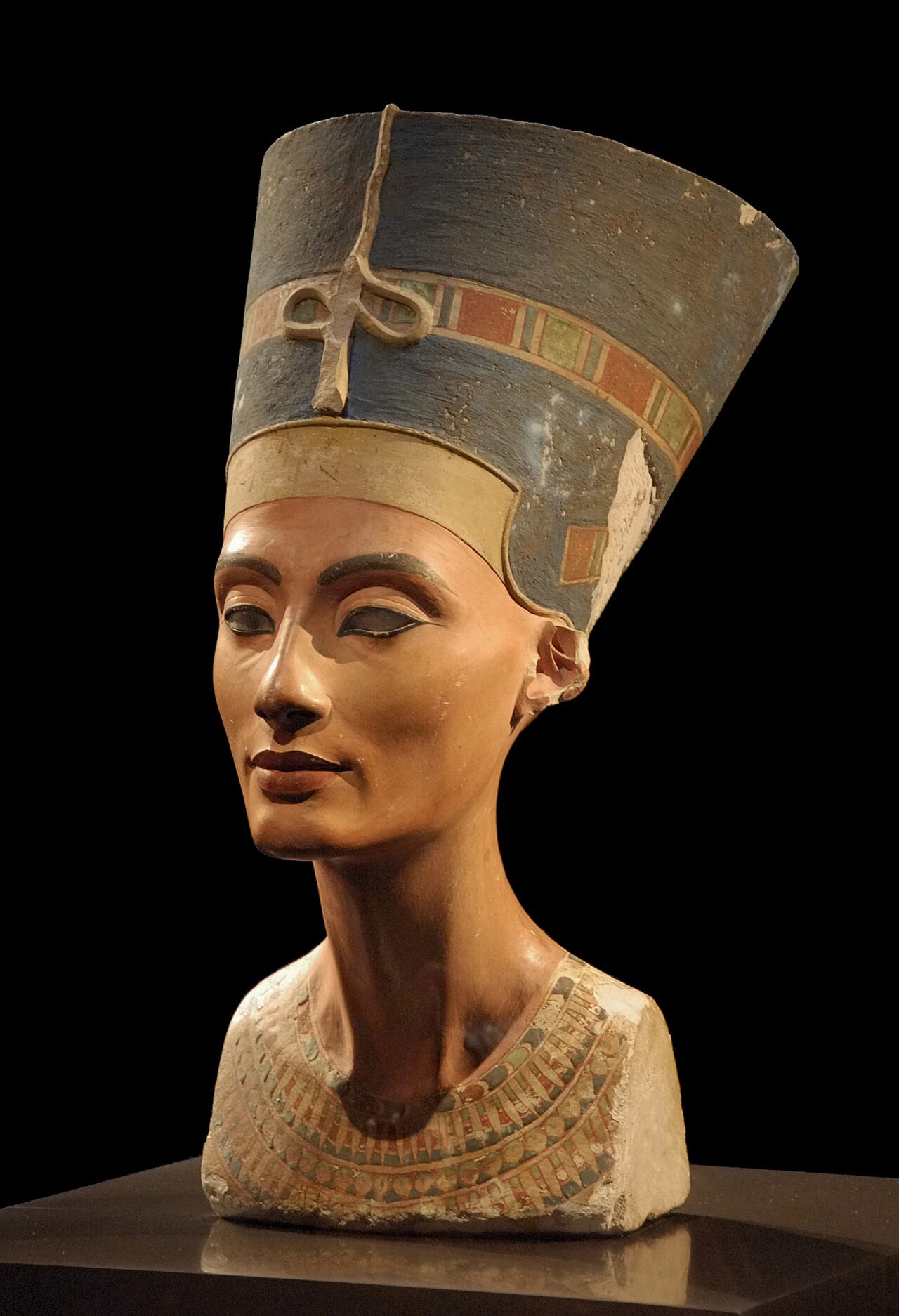 Sculpture
Primary source
Bust of Queen Nefertiti
Thutmose · c. 1345 BC
 Sculpture
Primary source
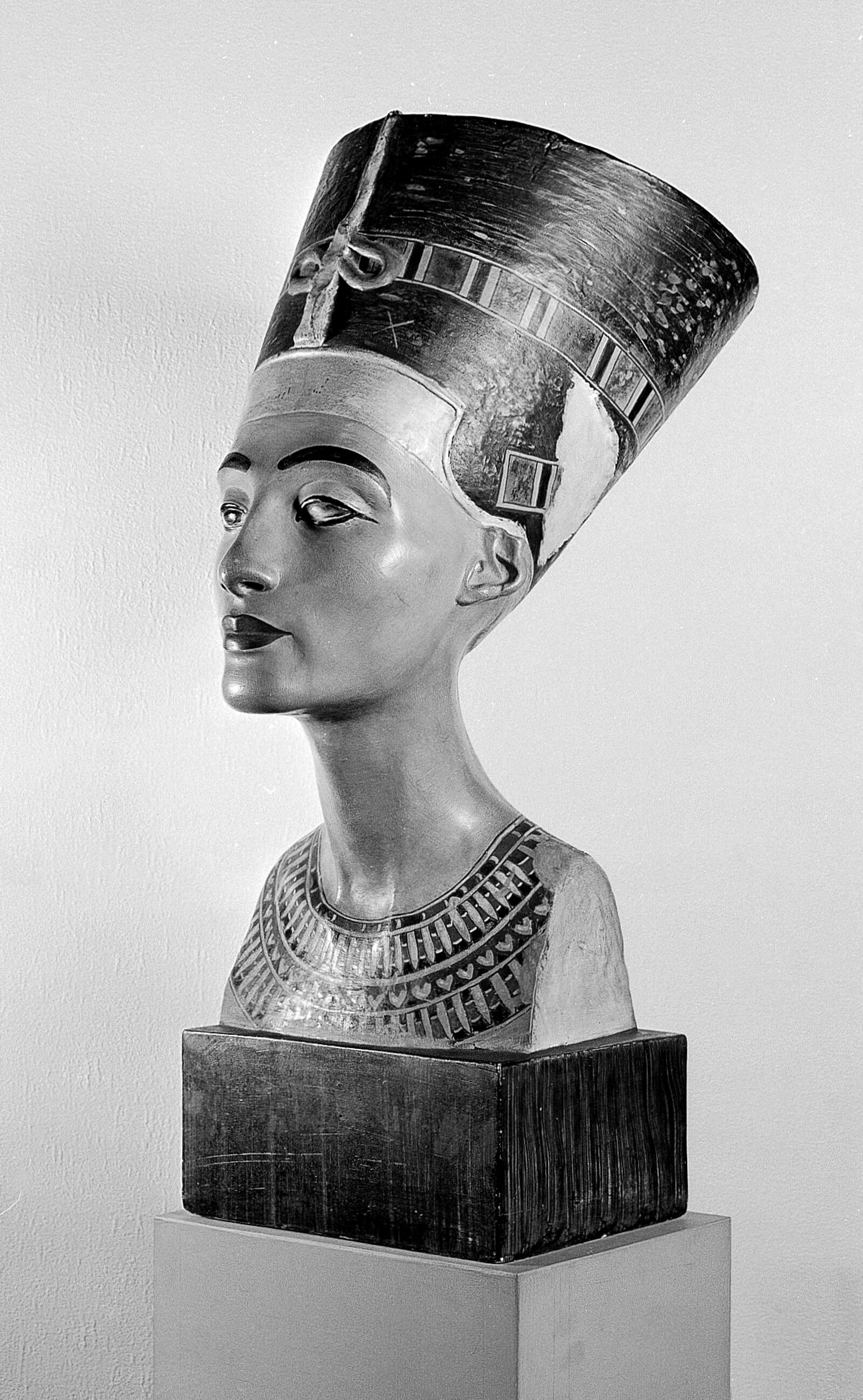
Figure of Nefertiti
 Sculpture
Primary source
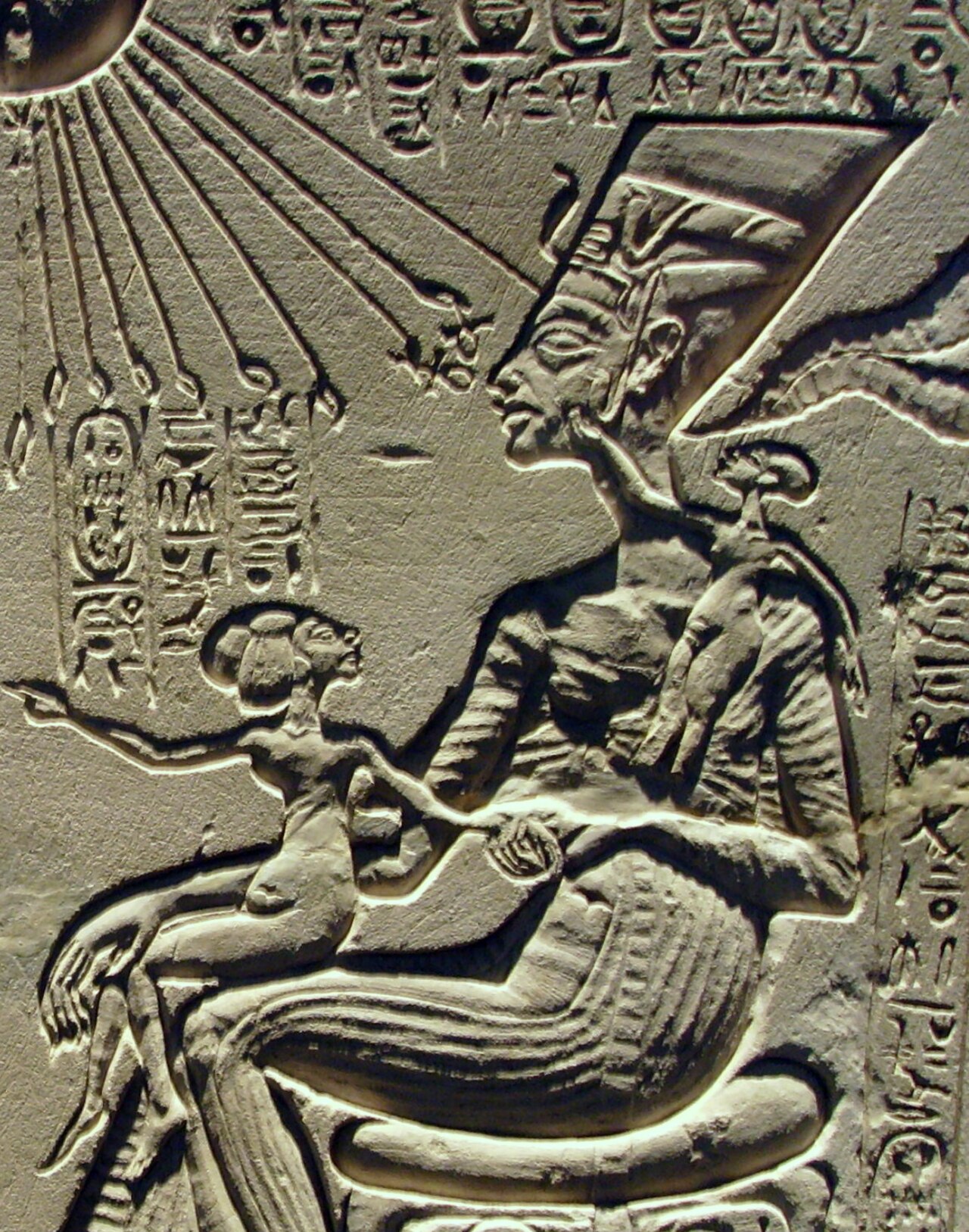
Akhenaten and His Family
c. 1352 BC
 Sculpture
Primary source
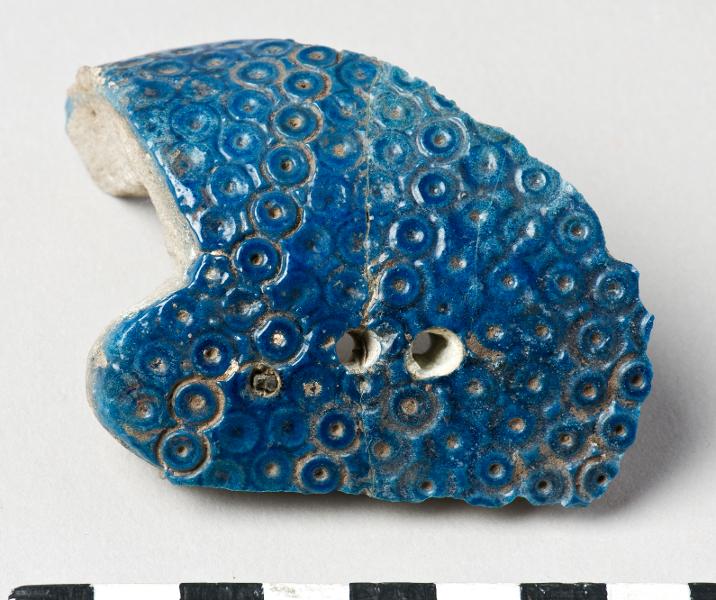
Relief Fragment Showing the Blue Crown of Nefertiti
 Document
Primary source
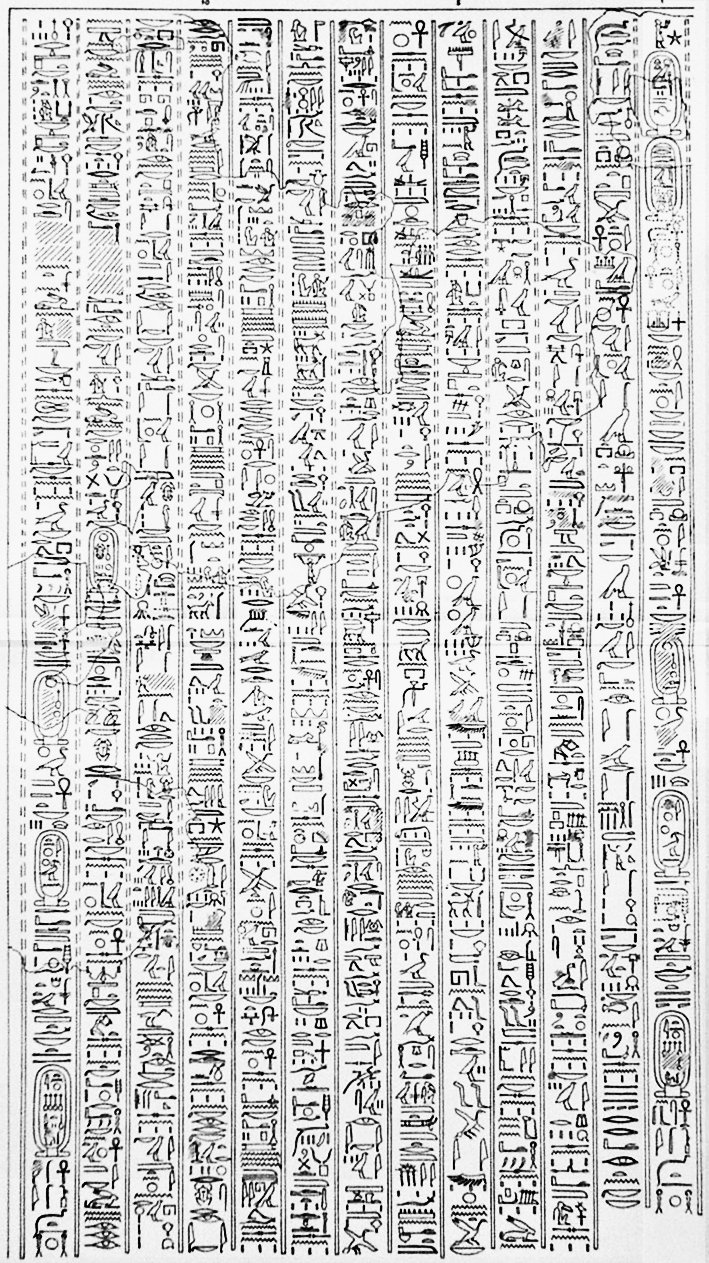
Great Hymn to the Aten
Akhenaten · c. 1350 BC
Ready when you are
Start chatting with Queen Nefereti now.
20 messages free · No credit card · Available in 50+ languages.