


Primary sourceSculpturec. 1400 BCE
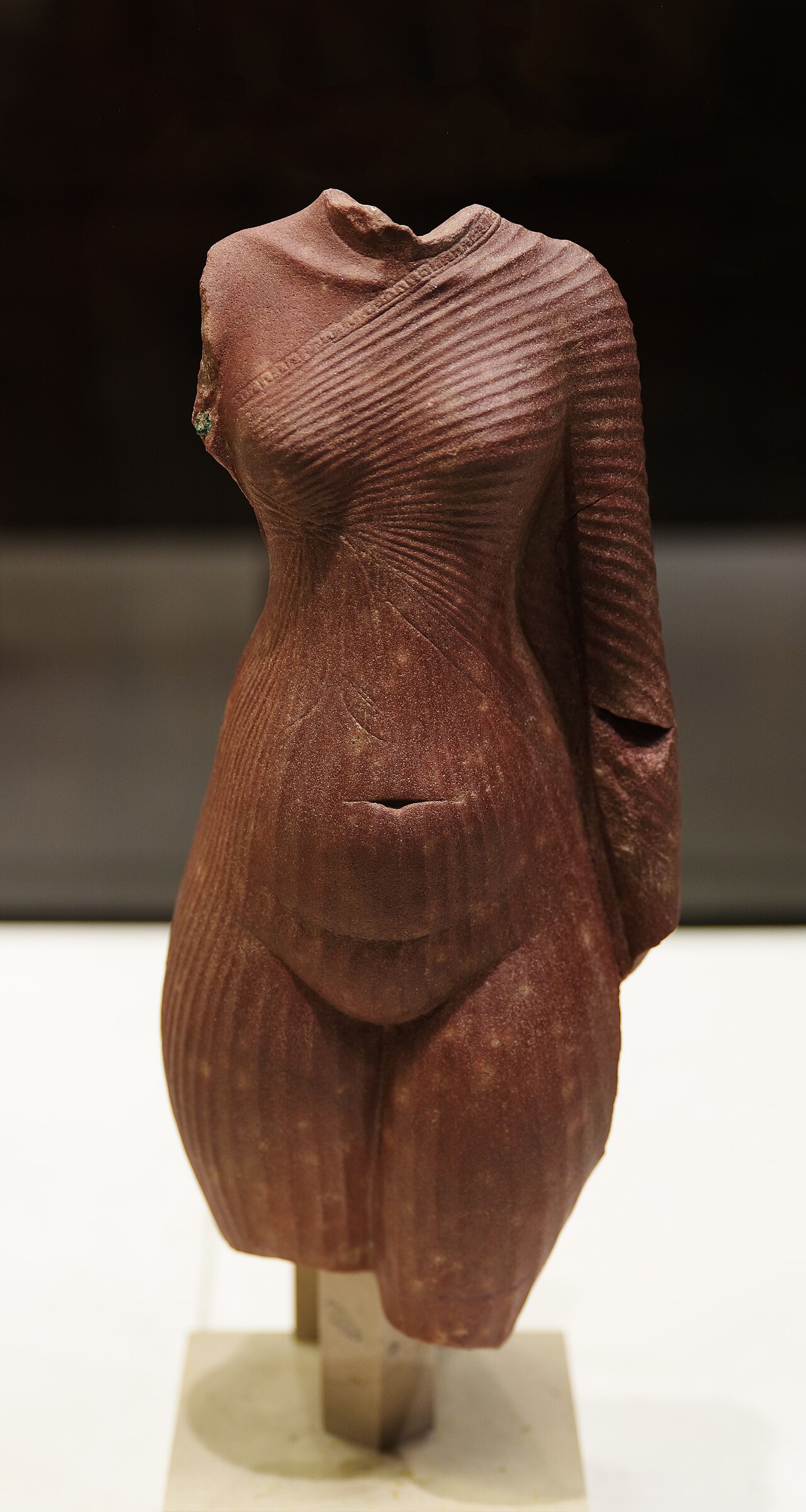
Body of a Woman, probably Nefertiti
c. 1400 BCE
A red quartzite torso of a woman in clinging pleated linen, thought to represent Nefertiti, showing the idealised style of Amarna sculpture.
This torso is thought to represent Nefertiti's body, reflecting the idealised, sensuous Amarna style used to depict her.
About this source
What it is
This headless female torso is carved from red quartzite, showing a clinging, pleated linen robe. It dates from around 1400 BCE and is held by the Department of Egyptian Antiquities of the Louvre. The figure is thought to probably represent Nefertiti.
Why it matters
Amarna-period art is known for its sensuous, idealised depictions of the human body, a striking shift from earlier, more rigid Egyptian sculpture. This torso, if it does represent Nefertiti, reflects how royal women were portrayed with new attention to natural form and fabric during her husband Akhenaten's reign.
Look closer
- What details in the carving make the linen robe look realistic?
- Why might the head and identifying features be missing, and how does that affect our certainty about who this represents?
- What does the choice of material tell us about who could have commissioned this sculpture?
This sculpture is part of the curated material that grounds the AI version of Queen Nefereti on Humy.ai — when students ask about related events, the AI can quote it and cite it.
More Queen Nefereti sources
Meet the AI Queen Nefereti →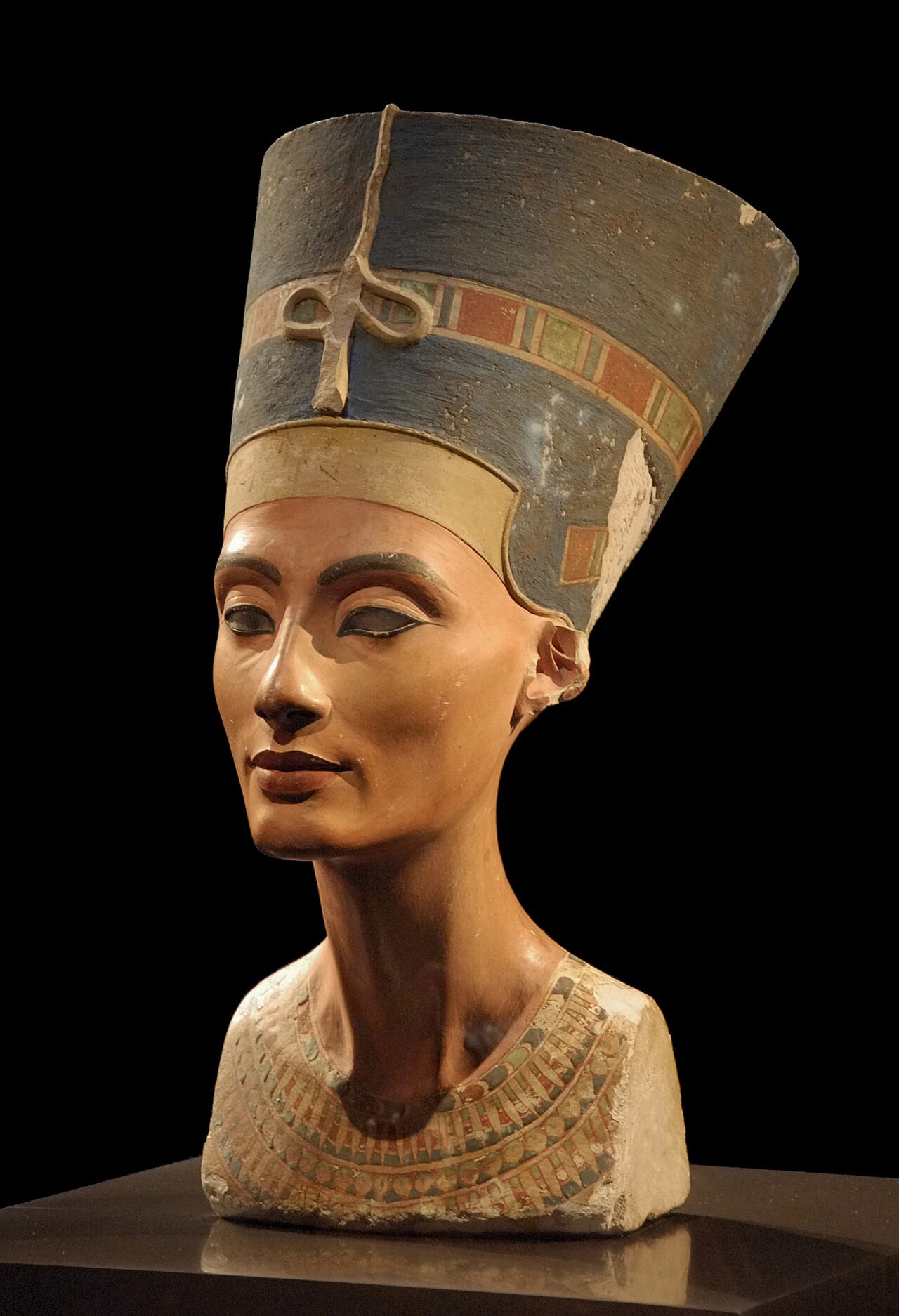 Sculpture
Primary source
Bust of Queen Nefertiti
Thutmose · c. 1345 BC
 Sculpture
Primary source
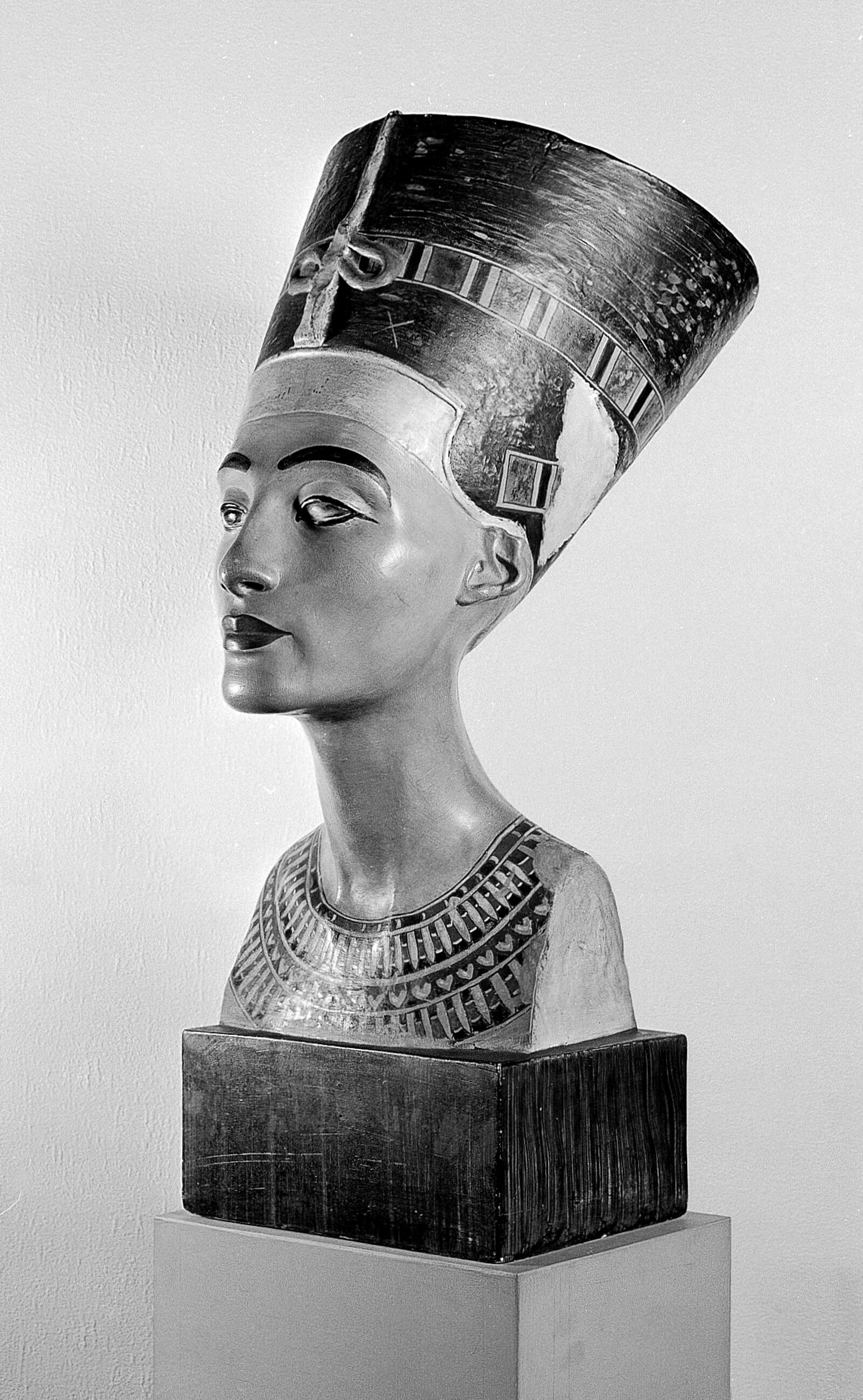
Figure of Nefertiti
 Sculpture
Primary source
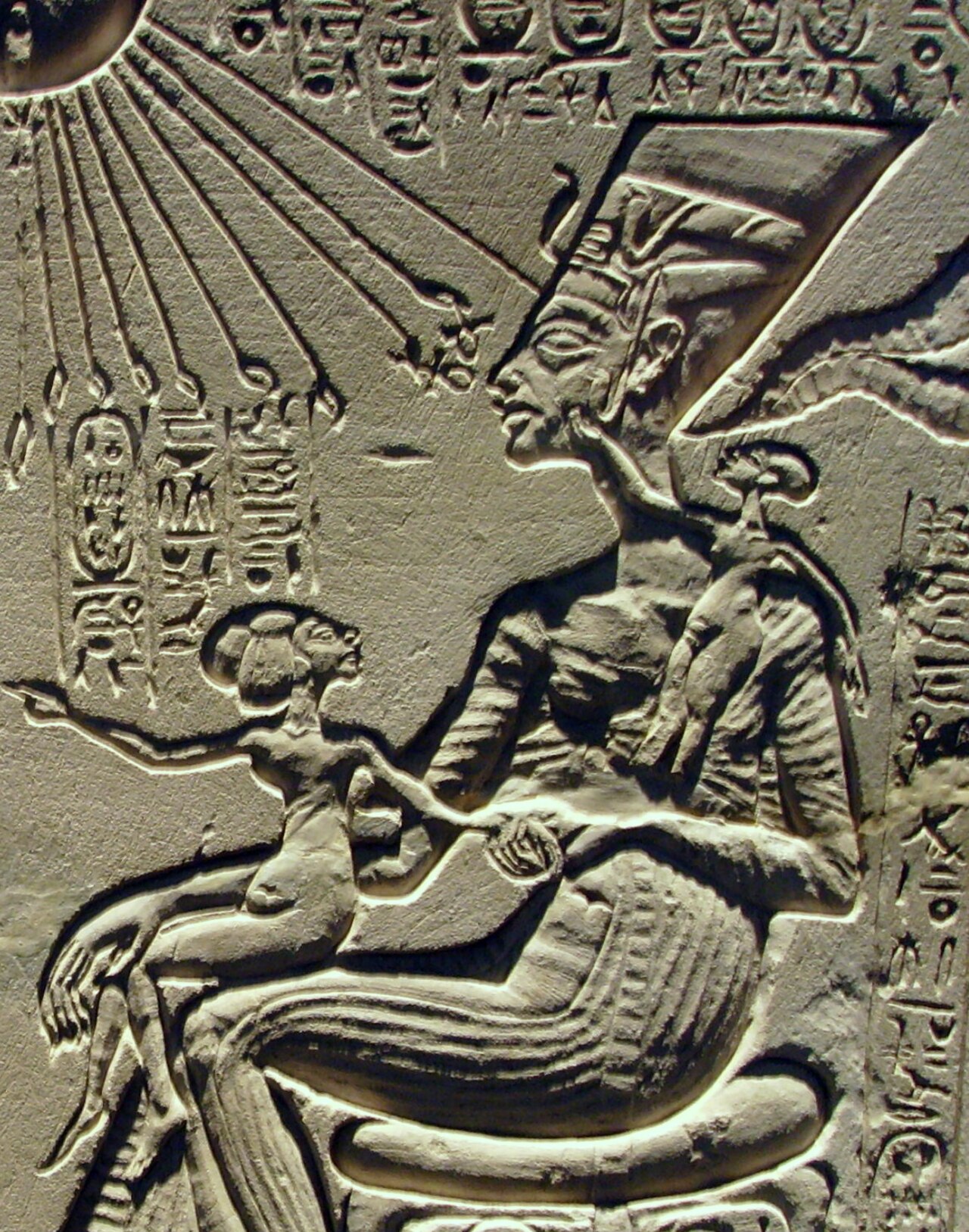
Akhenaten and His Family
c. 1352 BC
 Sculpture
Primary source
Relief Fragment Showing the Blue Crown of Nefertiti
 Document
Primary source
Great Hymn to the Aten
Akhenaten · c. 1350 BC
Ready when you are
Start chatting with Queen Nefereti now.
20 messages free · No credit card · Available in 50+ languages.