


Primary sourceDocument1928
Boléro
Maurice Ravel · 1928
Ravel's famous 1928 orchestral work built on a single repeating melody and rhythm, composed for dancer Ida Rubinstein.
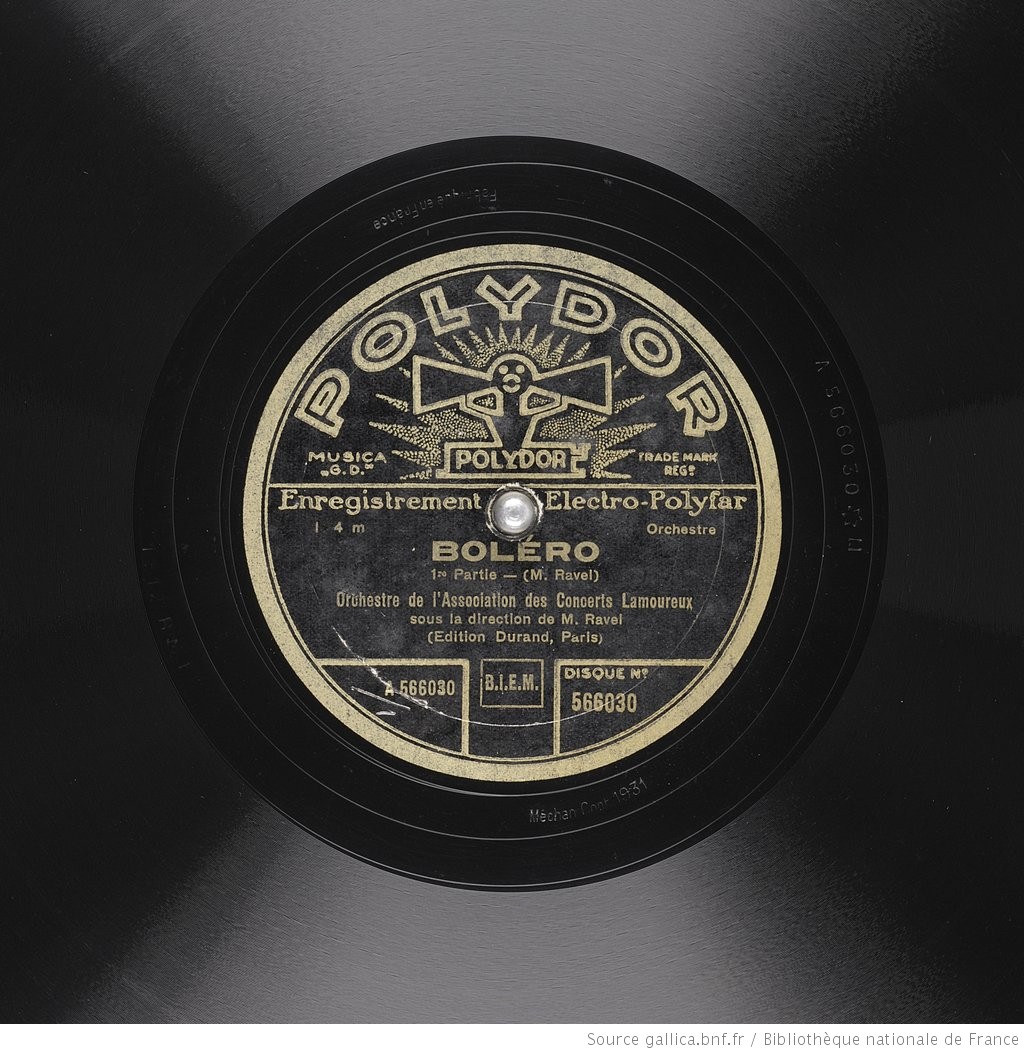
Boléro is Ravel's own composition and his best-known work, shown here in a recording he himself conducted.
About this source
What it is
Boléro is an orchestral work composed by Maurice Ravel in 1928, commissioned by the dancer Ida Rubinstein. It premiered at the Paris Opéra in November 1928 as a ballet, though it is now usually performed as a concert piece.
Why it matters
Boléro became Ravel's most famous composition, even though he expected orchestras to refuse to play it. Its construction — one melody repeated unchanged while the orchestration grows louder and richer — was an experiment that made it instantly recognisable. A famous dispute between Ravel and conductor Arturo Toscanini over its tempo shows how composers and performers can disagree about how a piece should sound.
Look closer
- What effect does repeating the same melody over and over create for a listener?
- Why might Ravel have described the piece as an 'experiment' rather than an expression of emotion?
- What does the disagreement with Toscanini tell us about who 'owns' a piece of music once it is performed?
This document is part of the curated material that grounds the AI version of Maurice Ravel on Humy.ai — when students ask about related events, the AI can quote it and cite it.
More Maurice Ravel sources
Browse all 42 →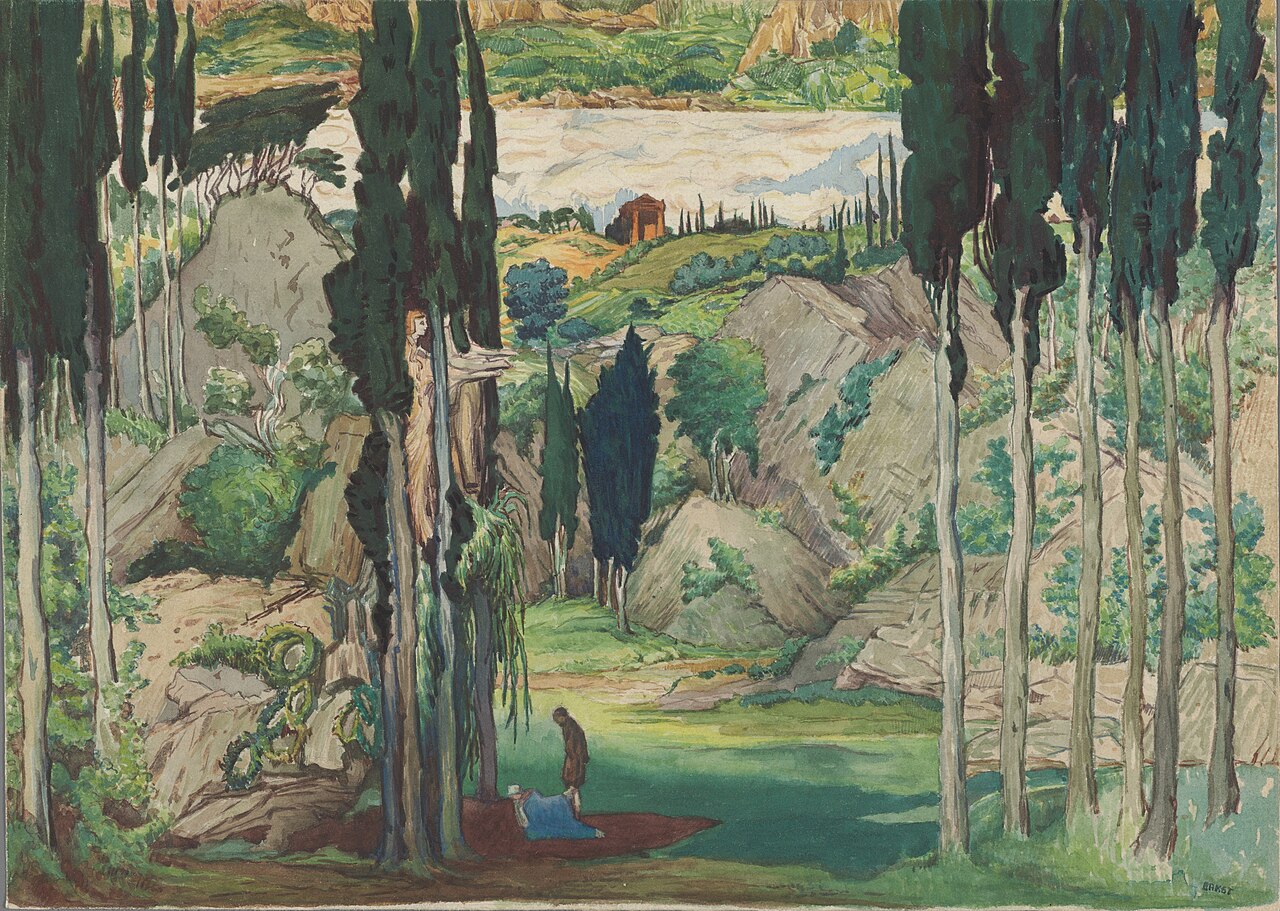 Document
Primary source
Daphnis et Chloé
Maurice Ravel · 1906–1912
 Document
Primary source
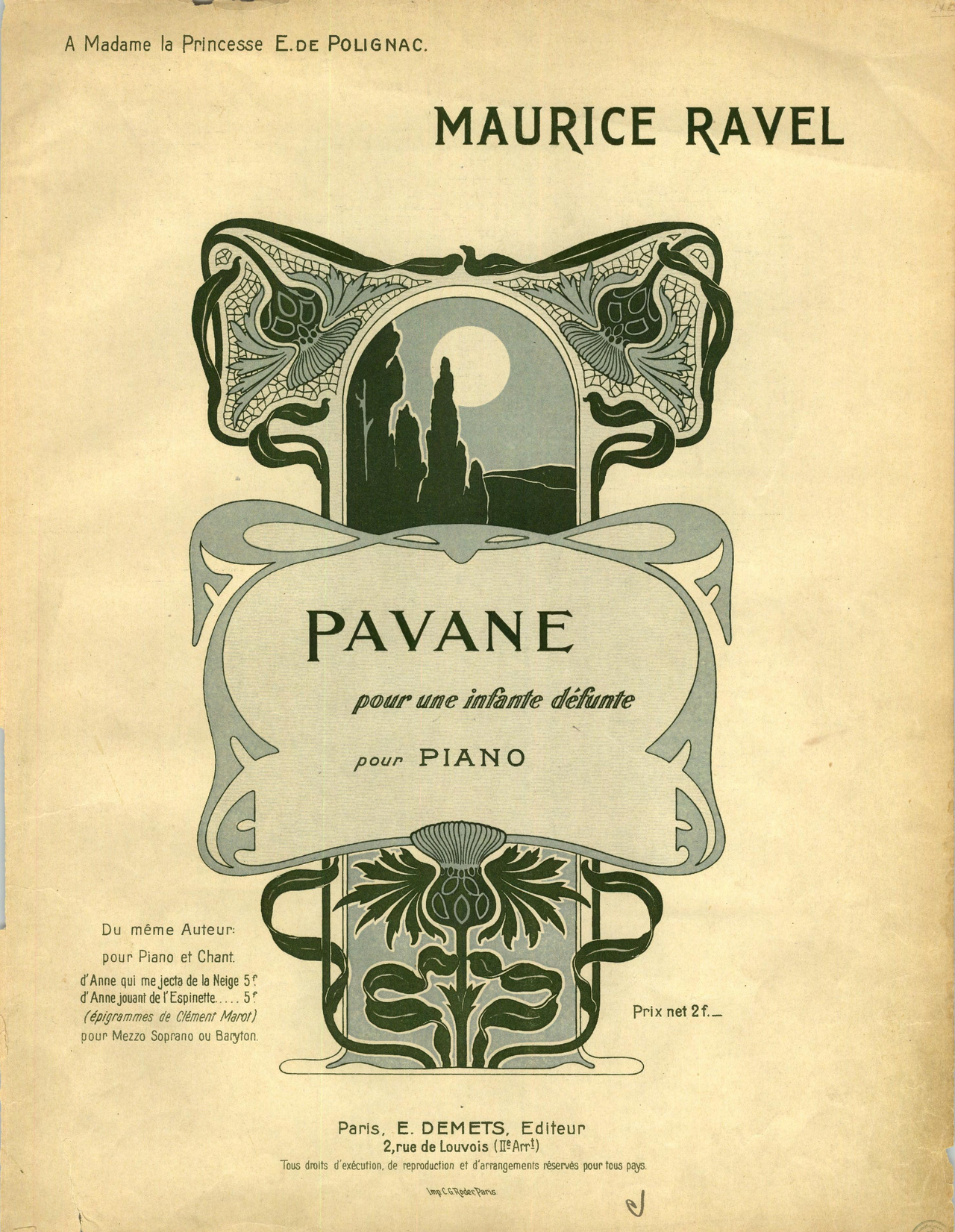
Pavane pour une infante défunte
Maurice Ravel · 1899
 Document
Primary source
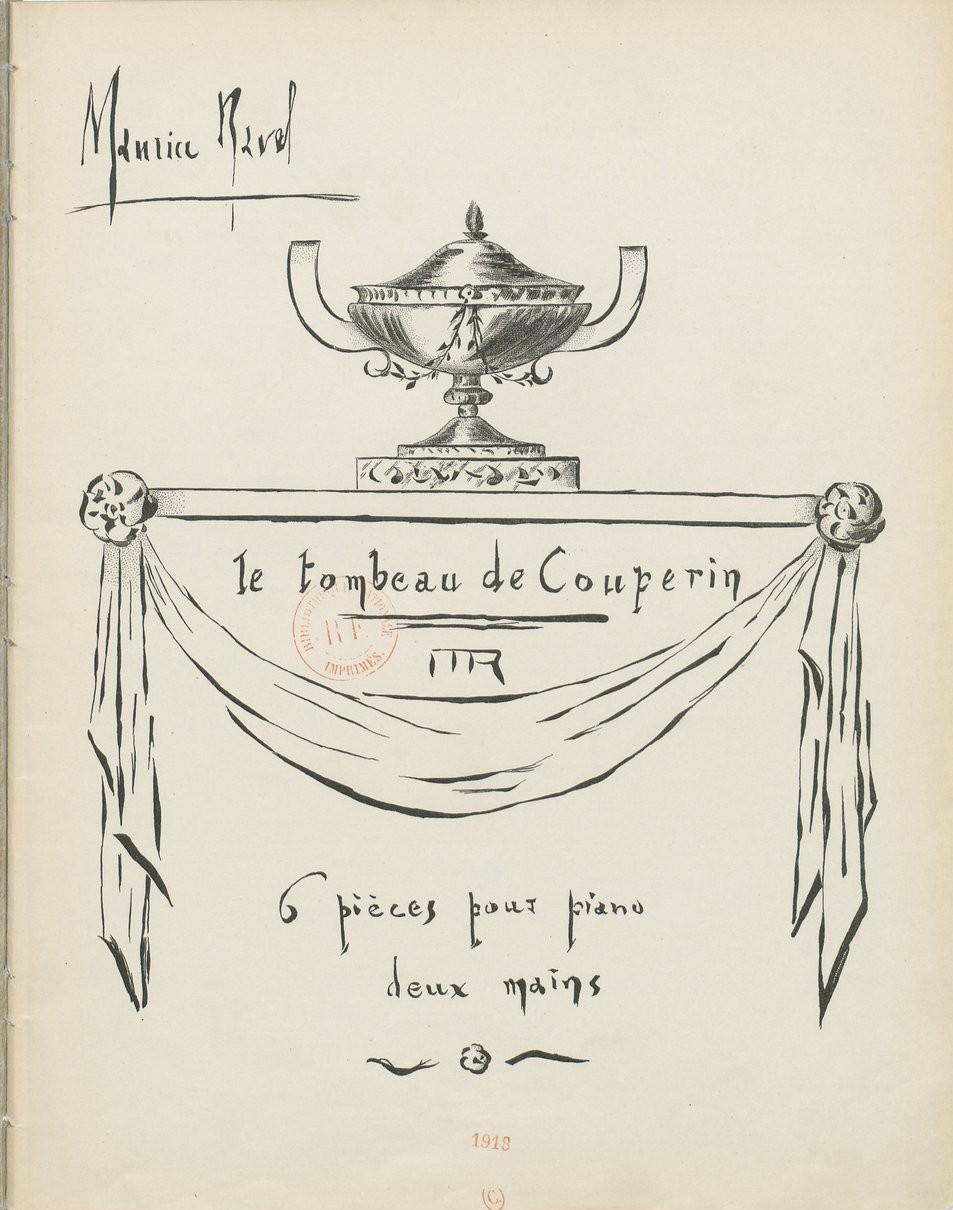
Le tombeau de Couperin
Maurice Ravel · 1914–1917
 Document
Primary source
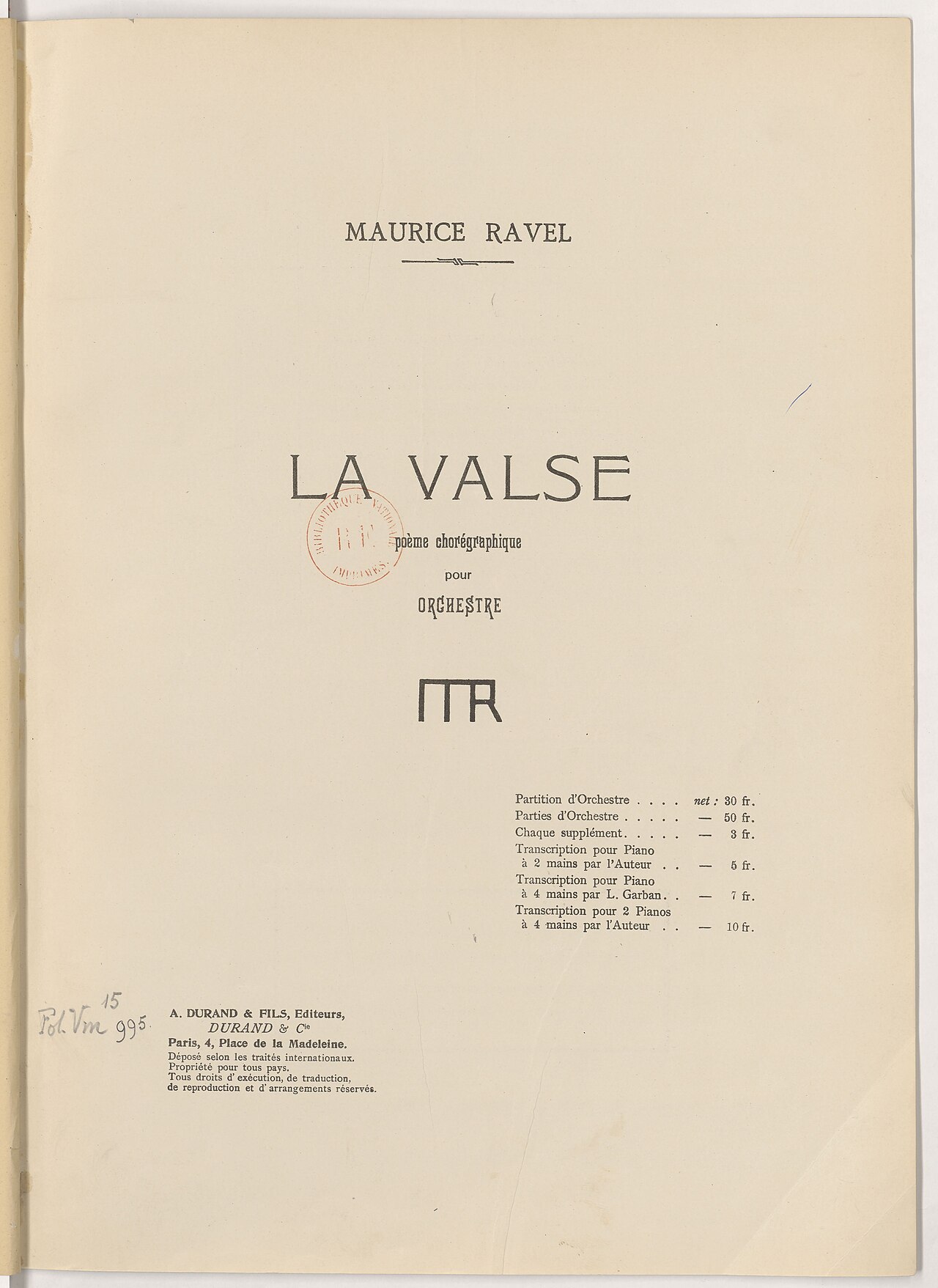
La valse
Maurice Ravel · 1919–1920
Free account
Read every Maurice Ravel source
Sign up free →
Ready when you are
Start chatting with Maurice Ravel now.
20 messages free · No credit card · Available in 50+ languages.