


Primary sourceDocument1899
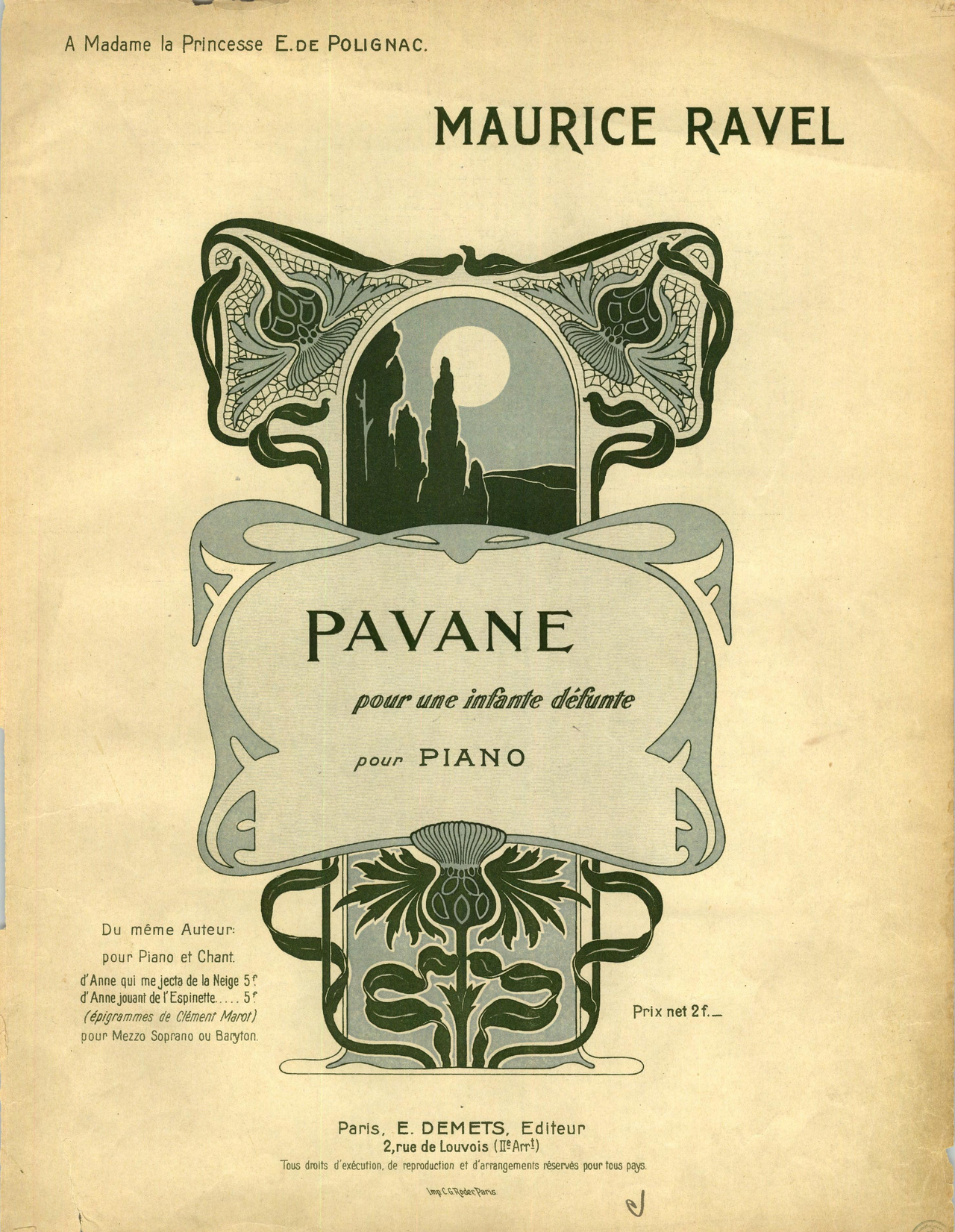
Pavane pour une infante défunte
Maurice Ravel · 1899
Ravel's early piano piece from 1899, evoking a slow Spanish court dance, later orchestrated and widely performed.
This early piano work shows Ravel's developing style and his lifelong fascination with Spanish-inflected music.
About this source
What it is
Pavane pour une infante défunte is a piece for solo piano written by Maurice Ravel in 1899 while he studied at the Paris Conservatoire under Gabriel Fauré. Ravel later made an orchestral version in 1910. It was dedicated to his patron, the Princesse de Polignac.
Why it matters
This was one of Ravel's earliest widely known works and shows his fascination with old dance forms and Spanish atmosphere, shared by contemporaries like Debussy and Albéniz. Ravel himself later criticised the piece as 'poor in form', showing how composers can judge their early works differently from the public.
Look closer
- Why might a young composer choose to imitate an old-fashioned dance form rather than write something entirely new?
- What does the Art Nouveau style of the sheet music cover suggest about the taste of the time?
- Why might Ravel have been uncomfortable with his most popular piece later in life?
This document is part of the curated material that grounds the AI version of Maurice Ravel on Humy.ai — when students ask about related events, the AI can quote it and cite it.
More Maurice Ravel sources
Browse all 42 →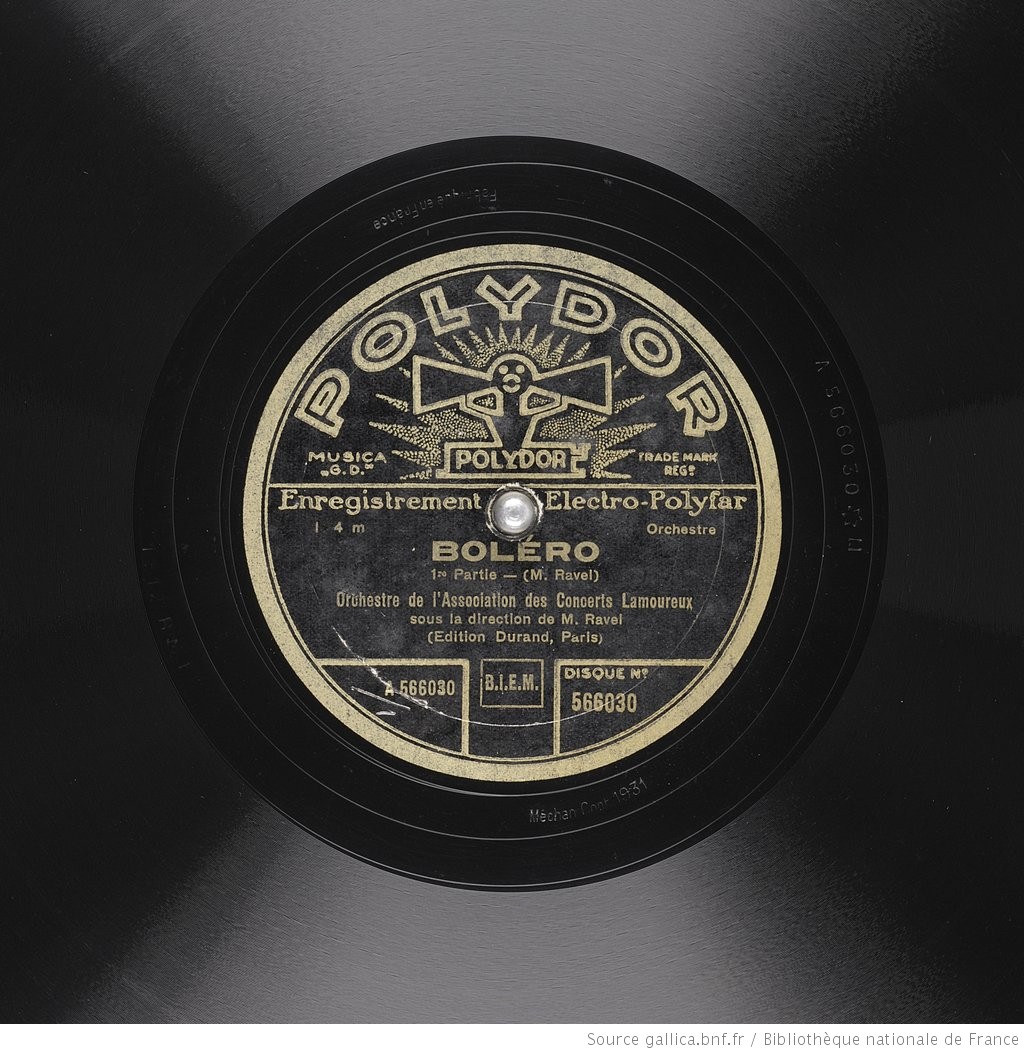 Document
Primary source
Boléro
Maurice Ravel · 1928
 Document
Primary source
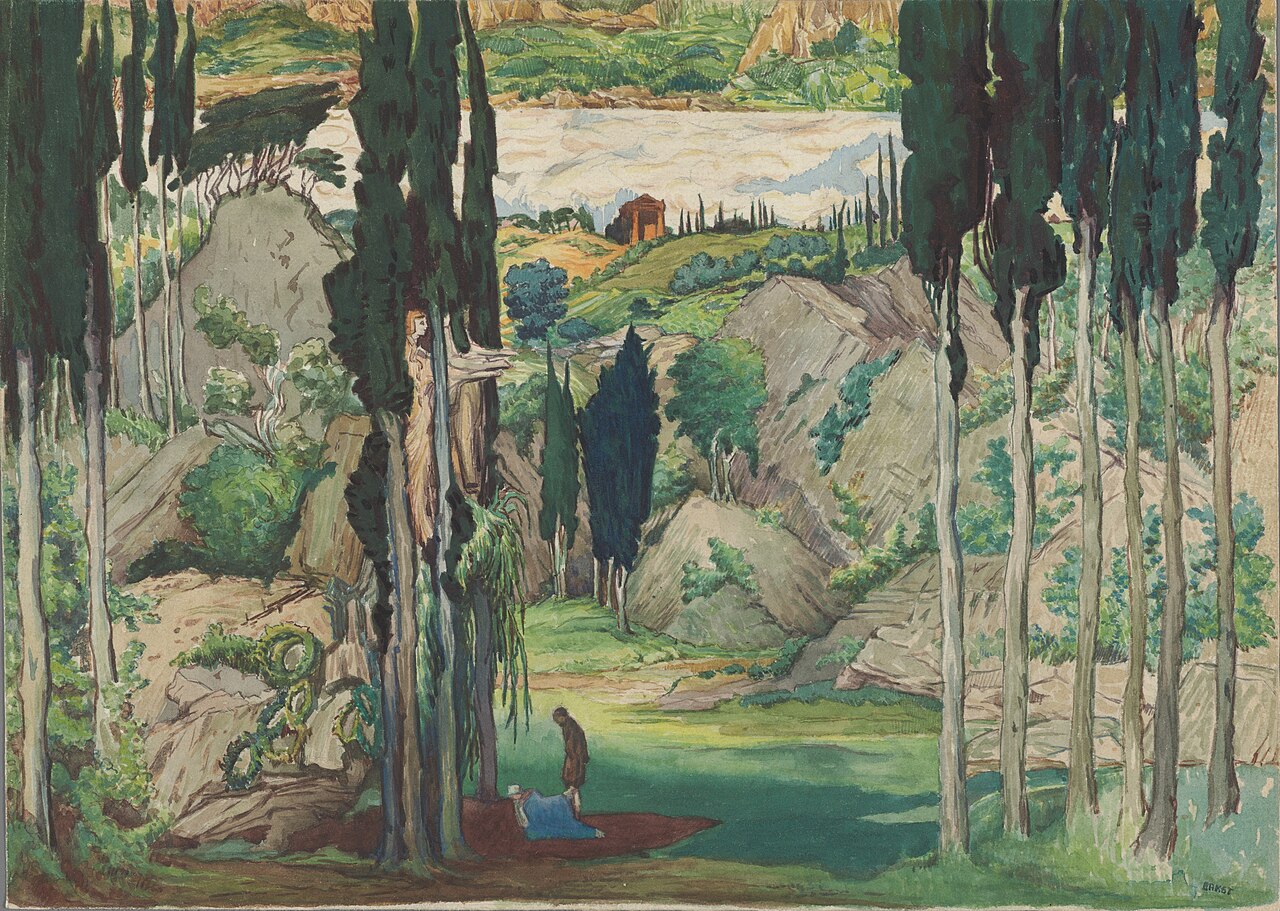
Daphnis et Chloé
Maurice Ravel · 1906–1912
 Document
Primary source
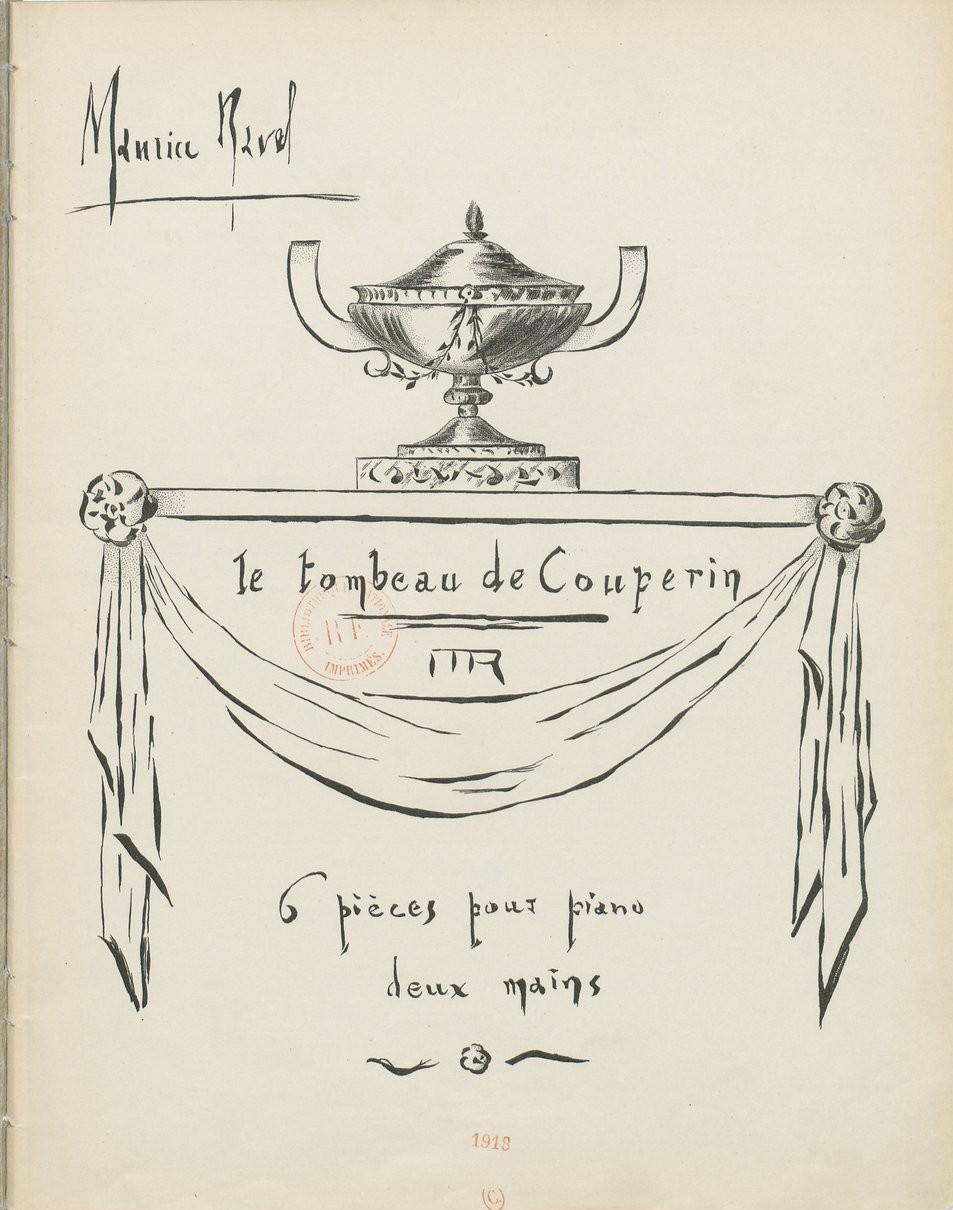
Le tombeau de Couperin
Maurice Ravel · 1914–1917
 Document
Primary source
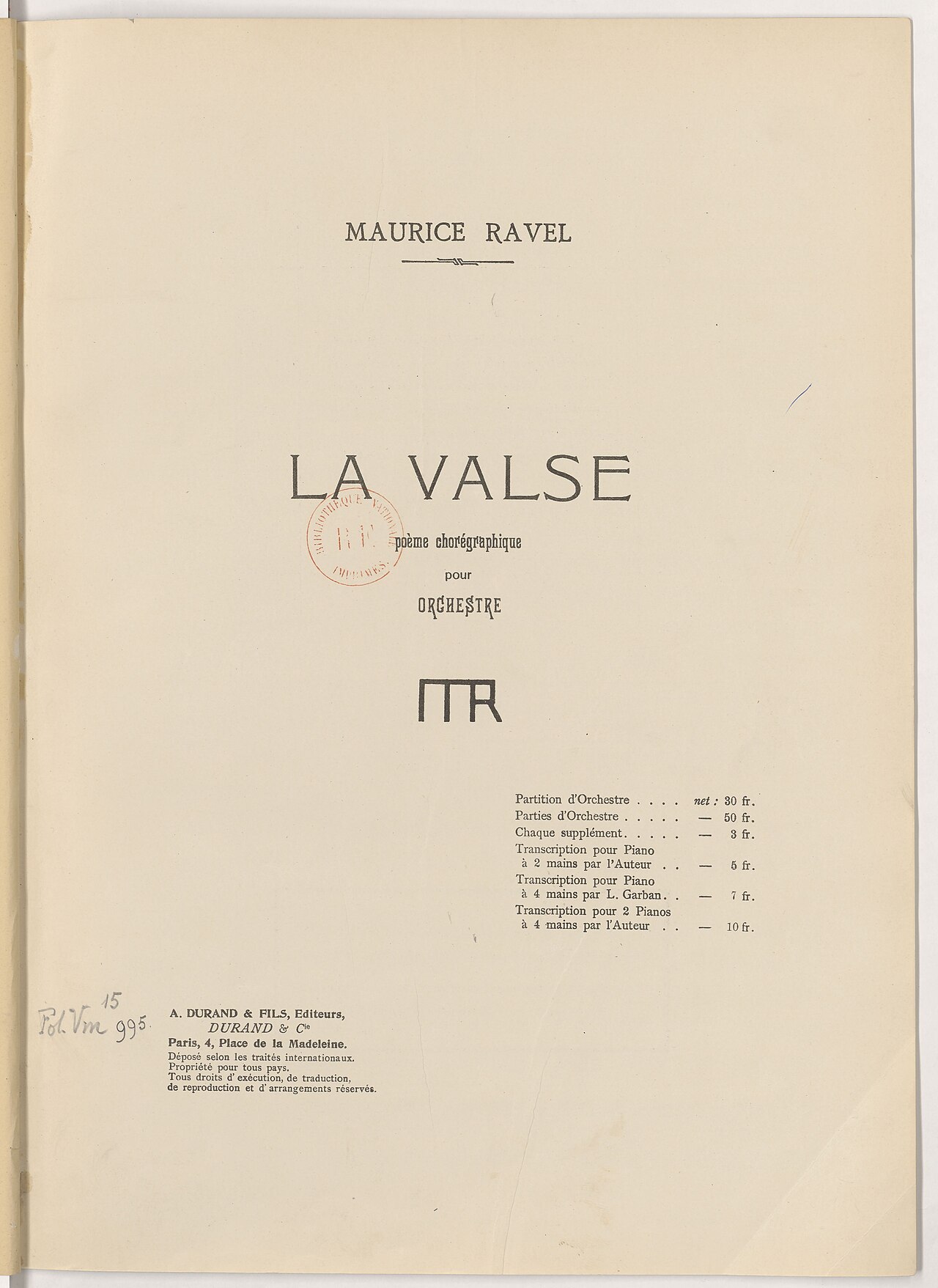
La valse
Maurice Ravel · 1919–1920
Free account
Read every Maurice Ravel source
Sign up free →
Ready when you are
Start chatting with Maurice Ravel now.
20 messages free · No credit card · Available in 50+ languages.