


Primary sourceDocument1914–1917
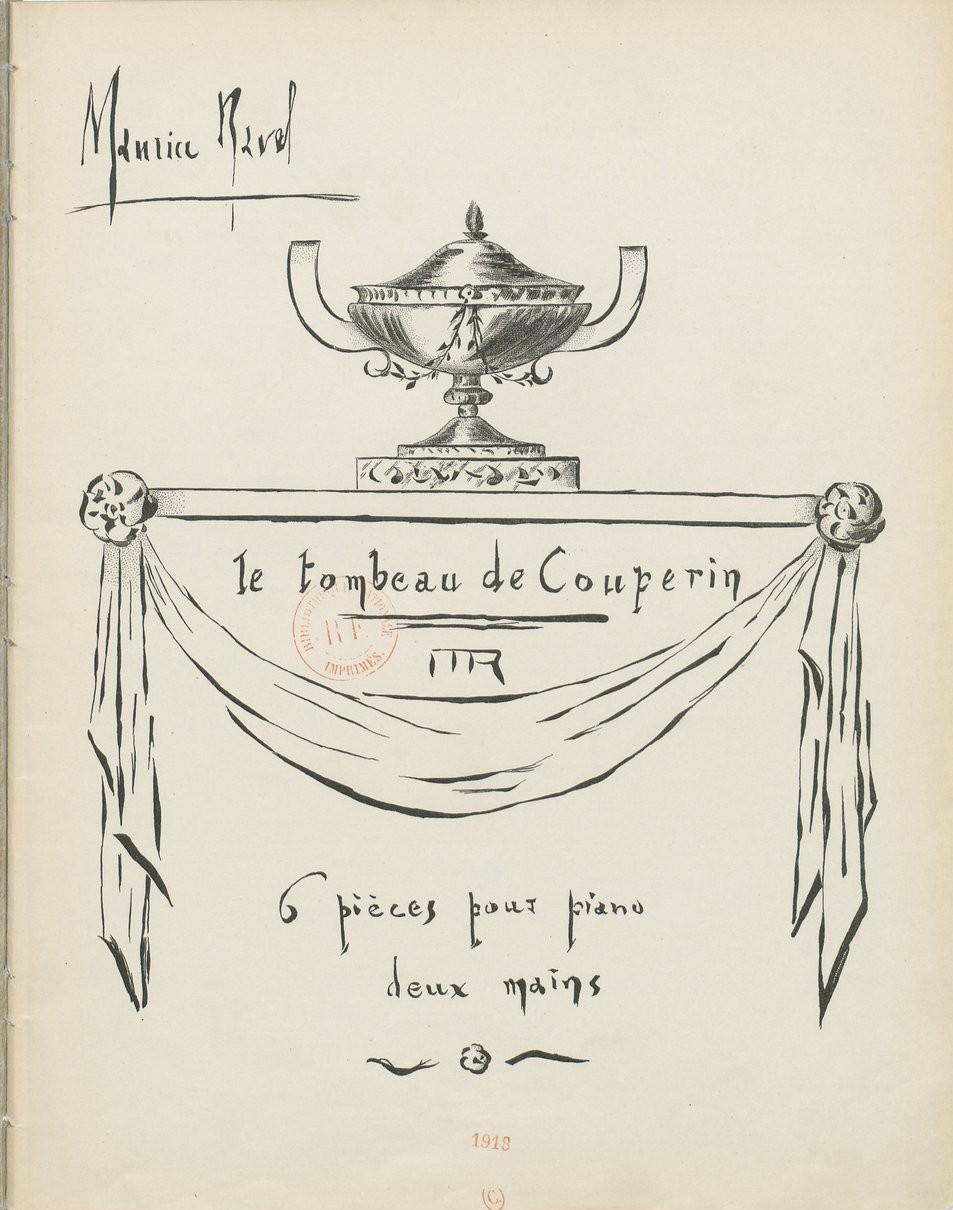
Le tombeau de Couperin
Maurice Ravel · 1914–1917
A six-movement piano suite by Ravel honouring Baroque dance forms, with each movement dedicated to a friend killed in World War I.
Ravel composed this suite and designed its title page himself, memorialising friends lost in the First World War.
About this source
What it is
Le tombeau de Couperin is a suite for solo piano composed by Maurice Ravel between 1914 and 1917, later partly orchestrated in 1919. Its six movements echo the structure of a Baroque dance suite, and each is dedicated to the memory of a friend who died fighting in the First World War.
Why it matters
The piece links Ravel's interest in old French music, going back to composer François Couperin, with the grief of wartime loss. Ravel explained his light, dance-like treatment by saying that the dead needed no further sadness added to their silence, revealing how composers can process loss through form rather than mourning directly.
Look closer
- Why might Ravel have chosen cheerful, dance-like music to honour friends who died in war?
- What does dedicating each movement to a different person suggest about how the piece was meant to be experienced?
- The title page was drawn by Ravel himself — what does its calm, decorative style tell us about his intentions for the piece?
This document is part of the curated material that grounds the AI version of Maurice Ravel on Humy.ai — when students ask about related events, the AI can quote it and cite it.
More Maurice Ravel sources
Browse all 42 →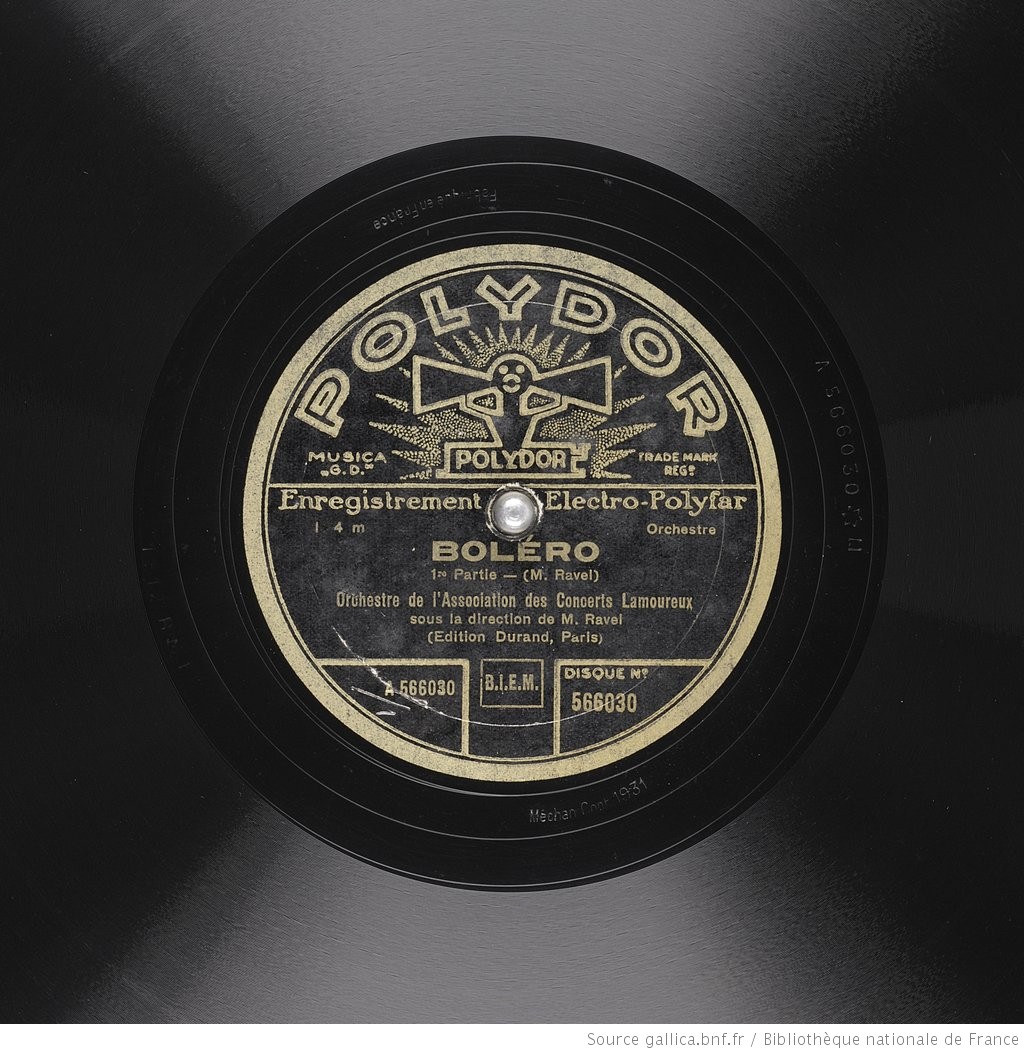 Document
Primary source
Boléro
Maurice Ravel · 1928
 Document
Primary source
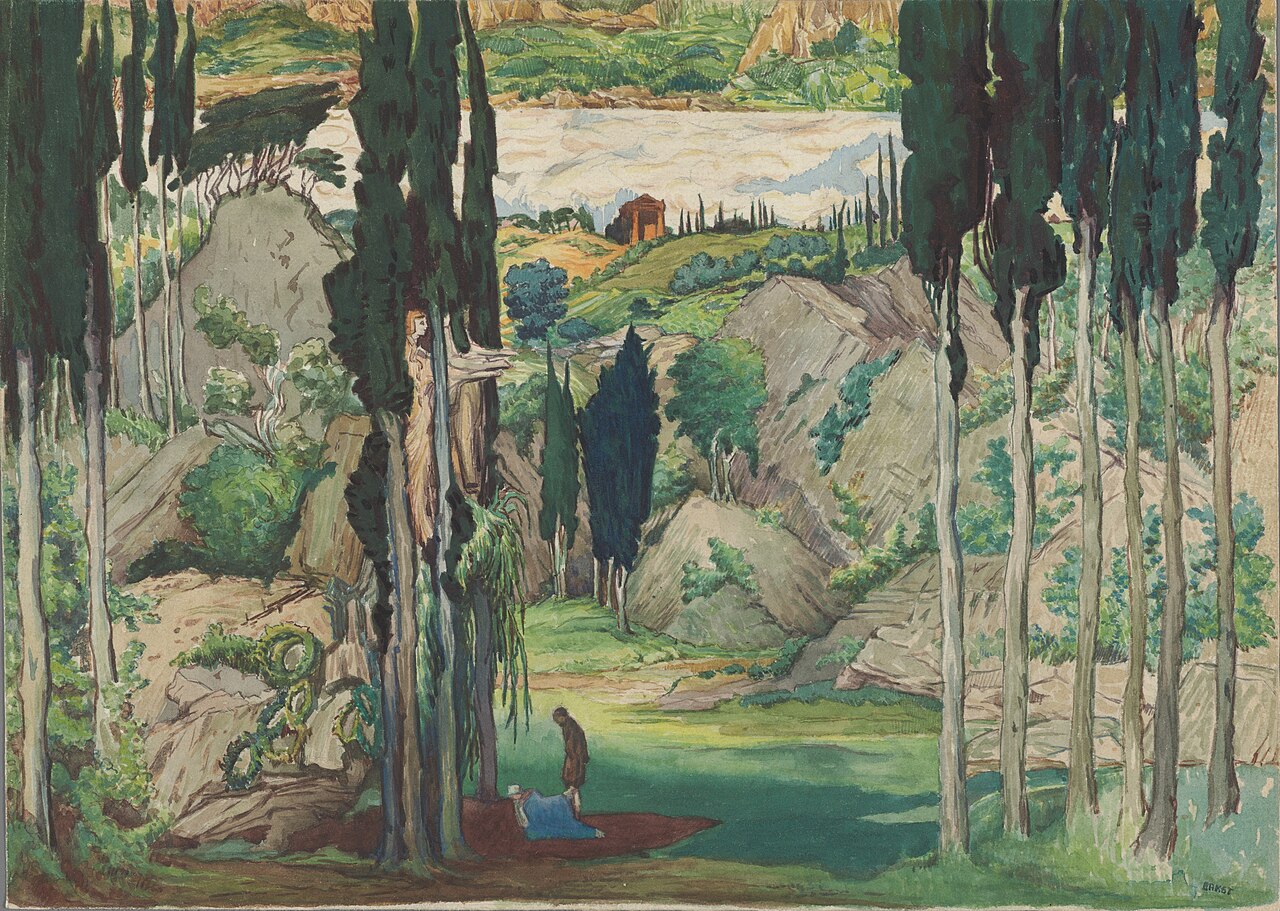
Daphnis et Chloé
Maurice Ravel · 1906–1912
 Document
Primary source
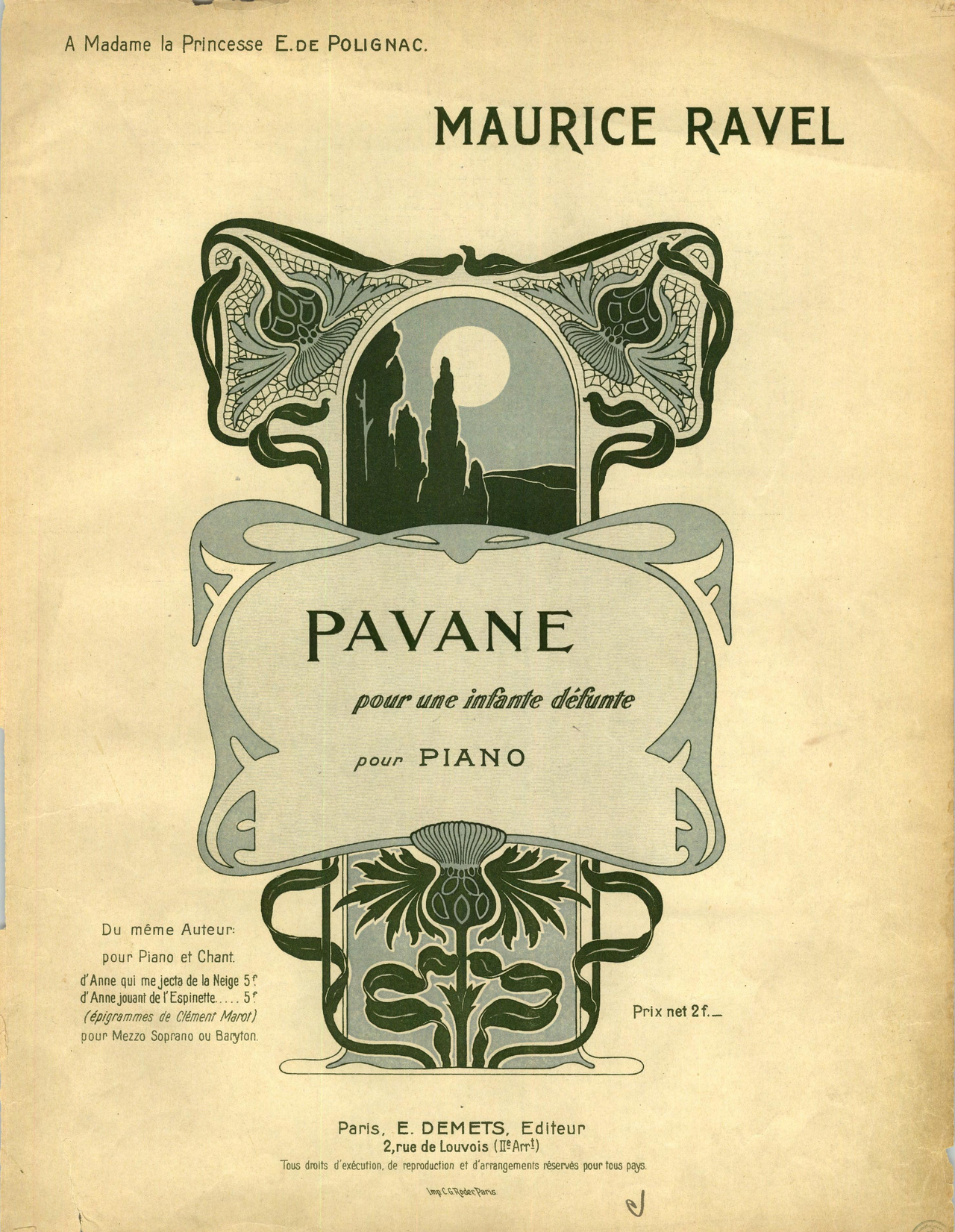
Pavane pour une infante défunte
Maurice Ravel · 1899
 Document
Primary source
La valse
Maurice Ravel · 1919–1920
Free account
Read every Maurice Ravel source
Sign up free →
Ready when you are
Start chatting with Maurice Ravel now.
20 messages free · No credit card · Available in 50+ languages.