


Primary sourceDocument1906–1912
Daphnis et Chloé
Maurice Ravel · 1906–1912
Ravel's longest work, a ballet score for Diaghilev's Ballets Russes based on an ancient Greek pastoral romance.
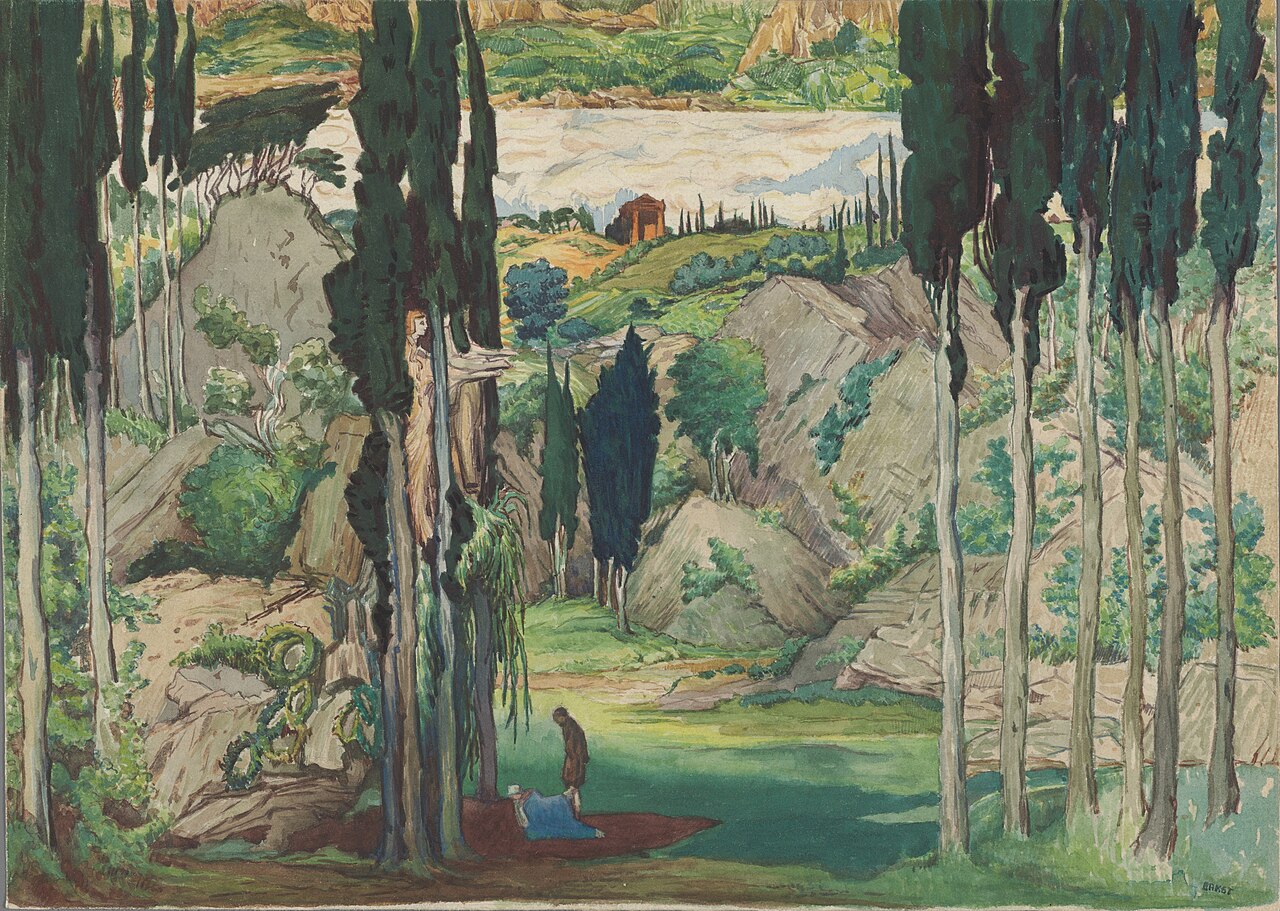
Daphnis et Chloé is Ravel's own score, his longest and most ambitious composition, shown here via Léon Bakst's stage design for it.
About this source
What it is
Daphnis et Chloé is a ballet and concert work for orchestra and wordless chorus, composed by Maurice Ravel between 1906 and 1912. It was commissioned by impresario Sergei Diaghilev for the Ballets Russes, with choreography by Michel Fokine based on an ancient Greek story of two young lovers.
Why it matters
At nearly an hour long, it is Ravel's longest work and shows the technical sophistication of his mature style. It reflects the close artistic world of pre-war Paris, where composers, choreographers and designers such as Léon Bakst, who designed the sets shown here, worked together on ambitious productions.
Look closer
- What mood does the watercolour set design suggest for the story's setting?
- Why might a composer use a wordless chorus instead of sung text?
- What does the collaboration between composer, choreographer and designer tell us about how ballets were made?
This document is part of the curated material that grounds the AI version of Maurice Ravel on Humy.ai — when students ask about related events, the AI can quote it and cite it.
More Maurice Ravel sources
Browse all 42 →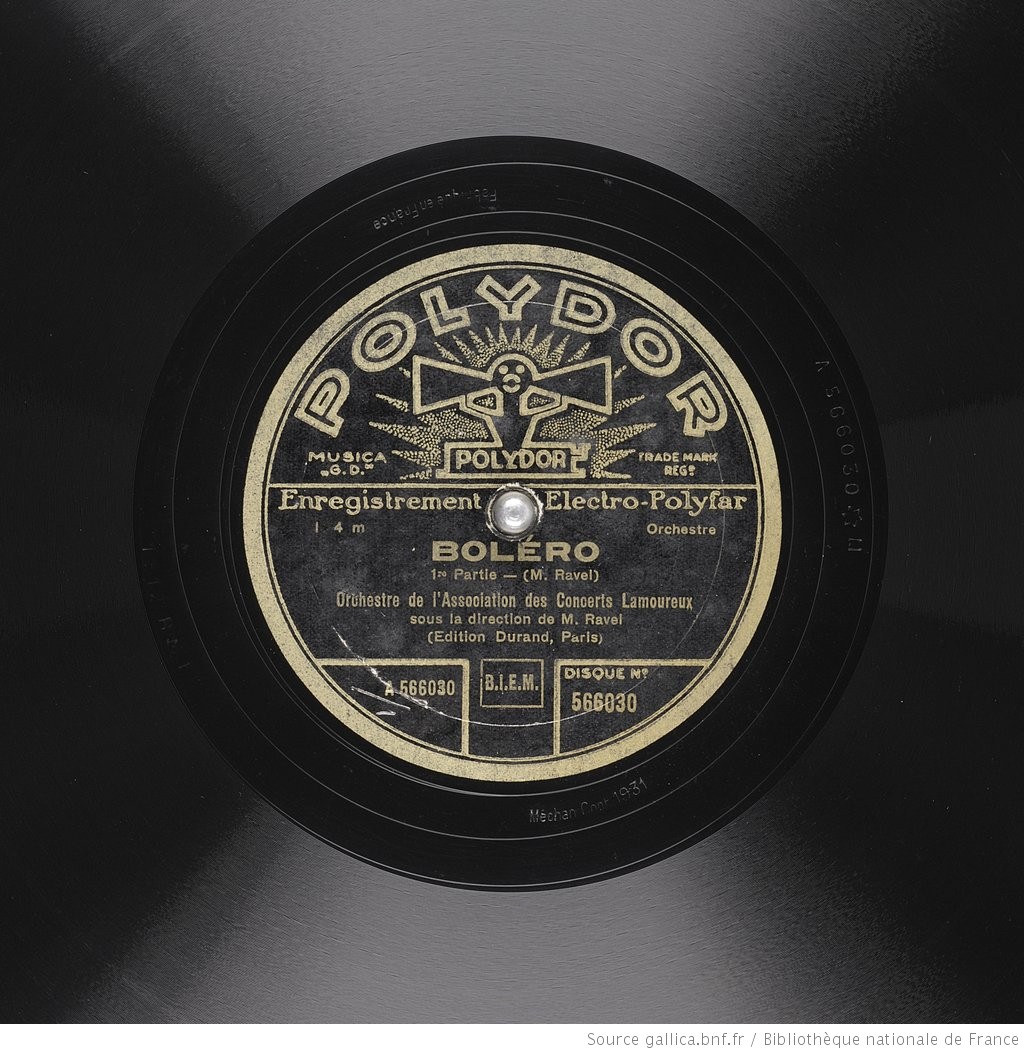 Document
Primary source
Boléro
Maurice Ravel · 1928
 Document
Primary source
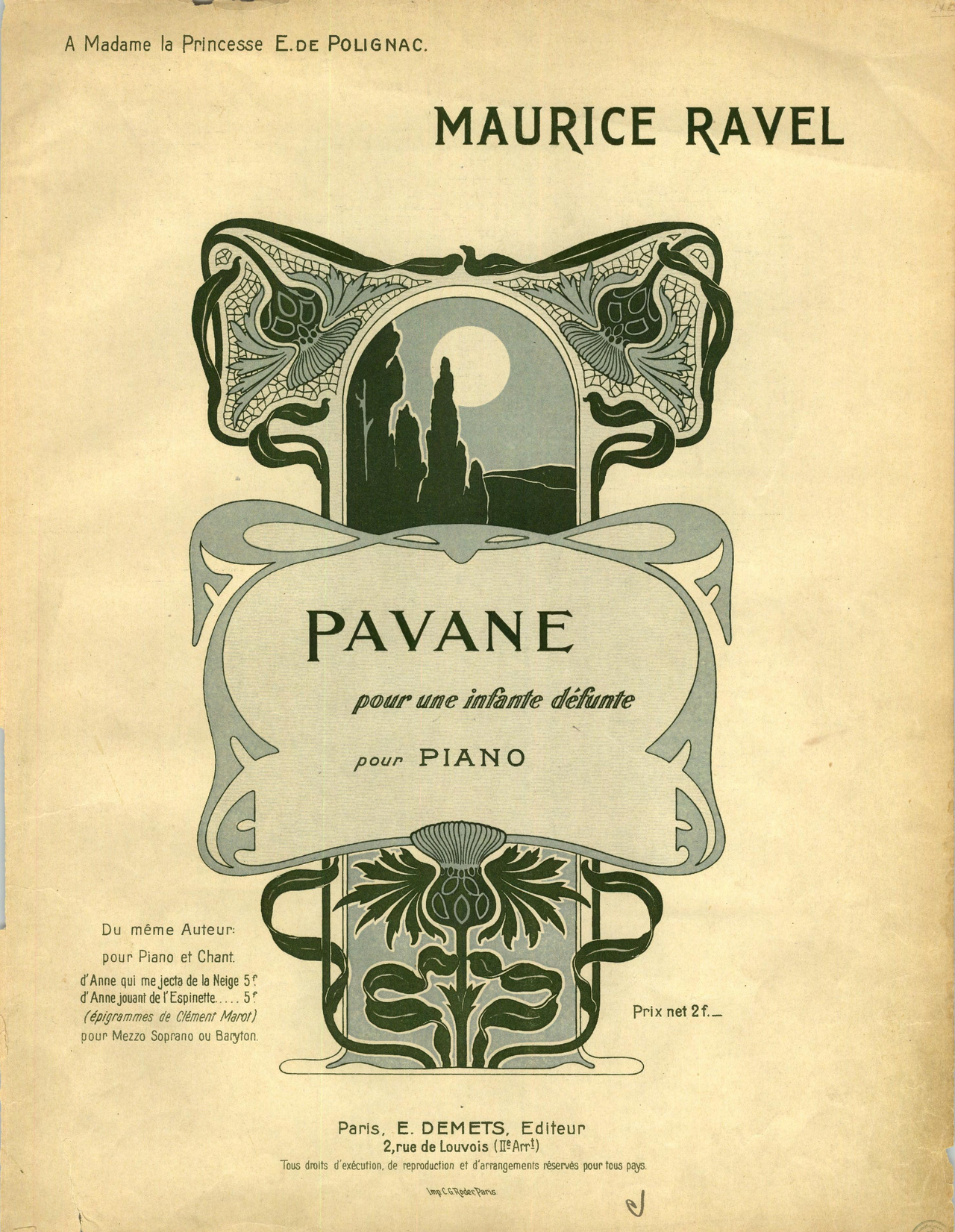
Pavane pour une infante défunte
Maurice Ravel · 1899
 Document
Primary source
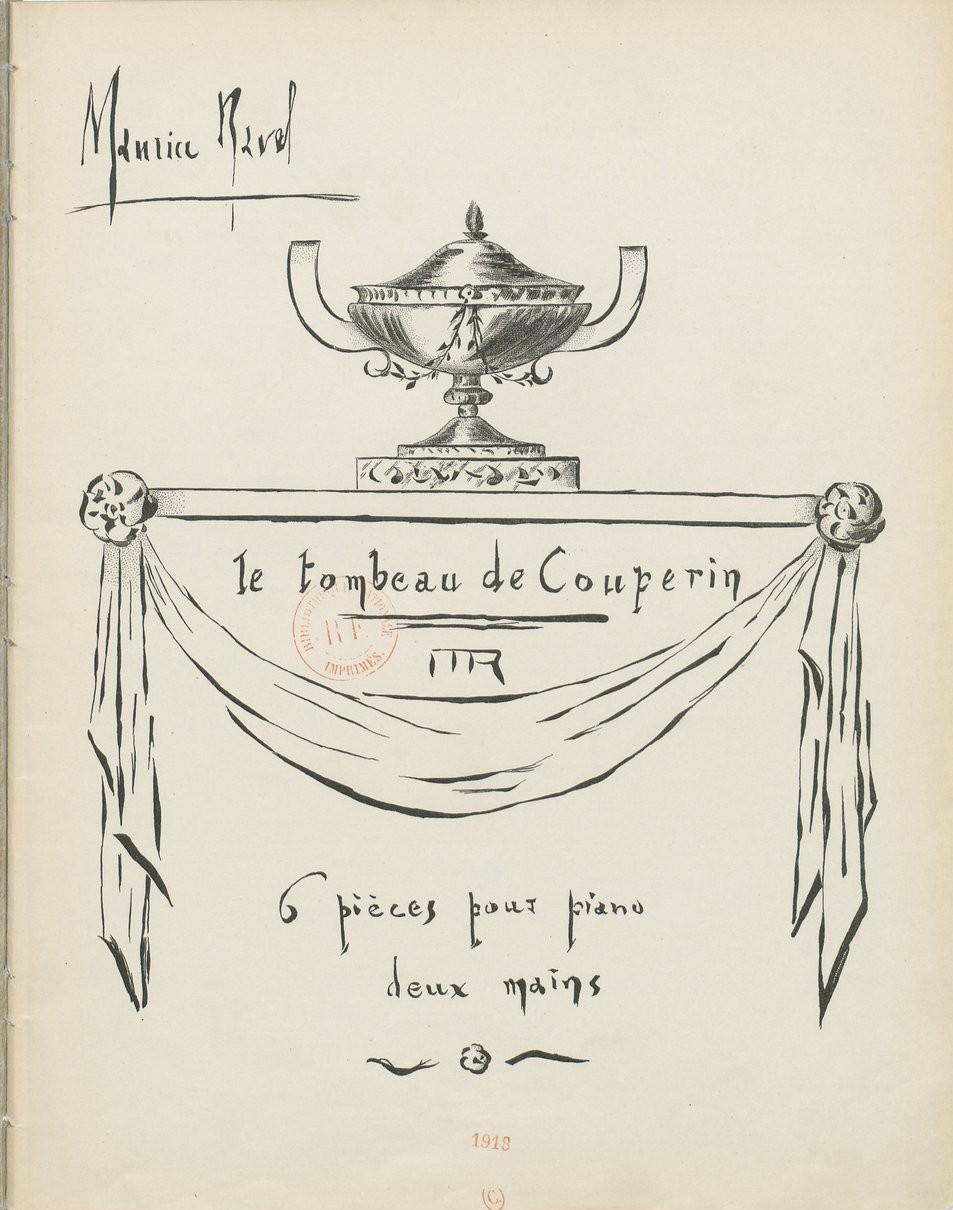
Le tombeau de Couperin
Maurice Ravel · 1914–1917
 Document
Primary source
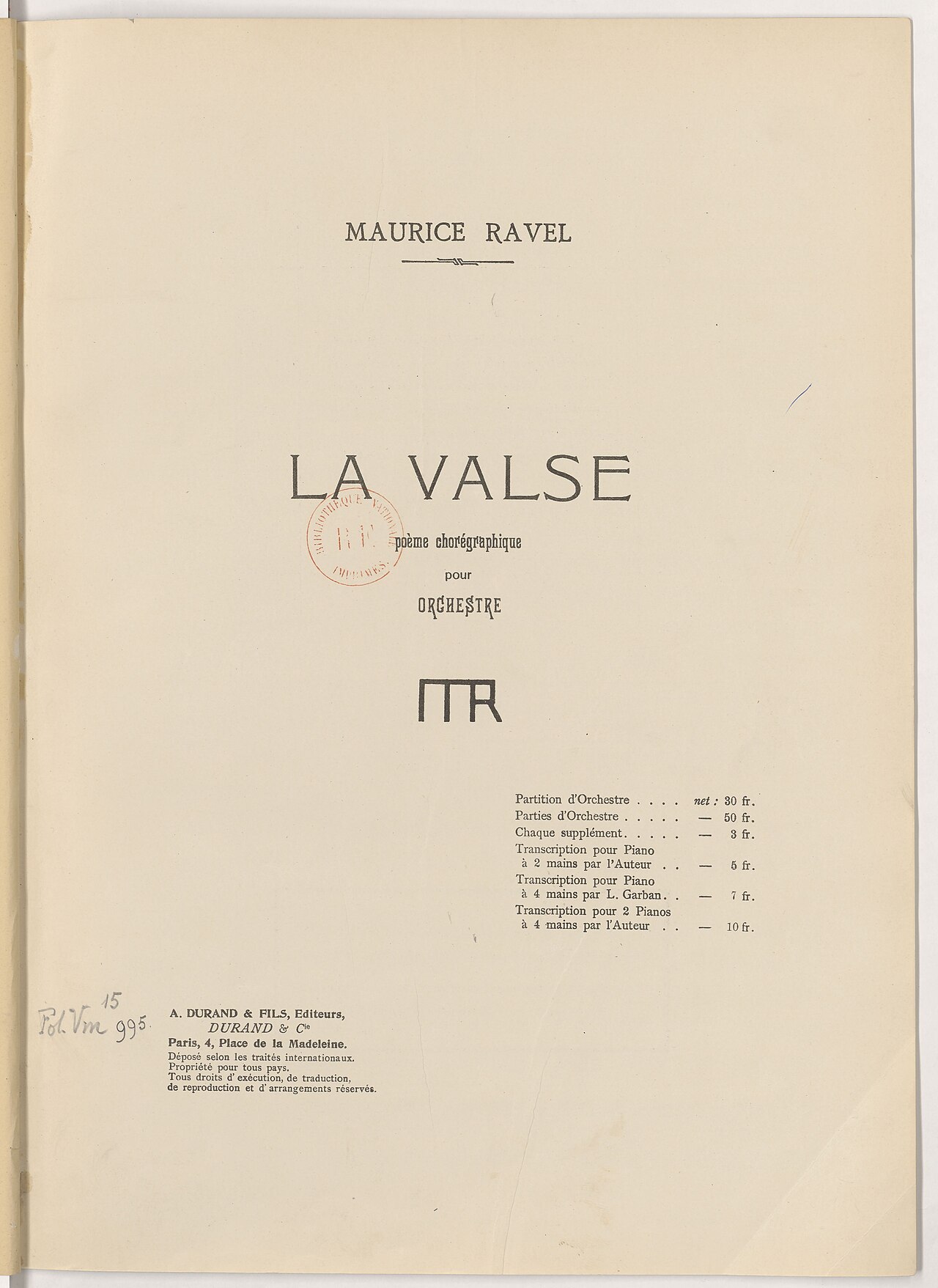
La valse
Maurice Ravel · 1919–1920
Free account
Read every Maurice Ravel source
Sign up free →
Ready when you are
Start chatting with Maurice Ravel now.
20 messages free · No credit card · Available in 50+ languages.