


Primary sourceDocument1919–1920
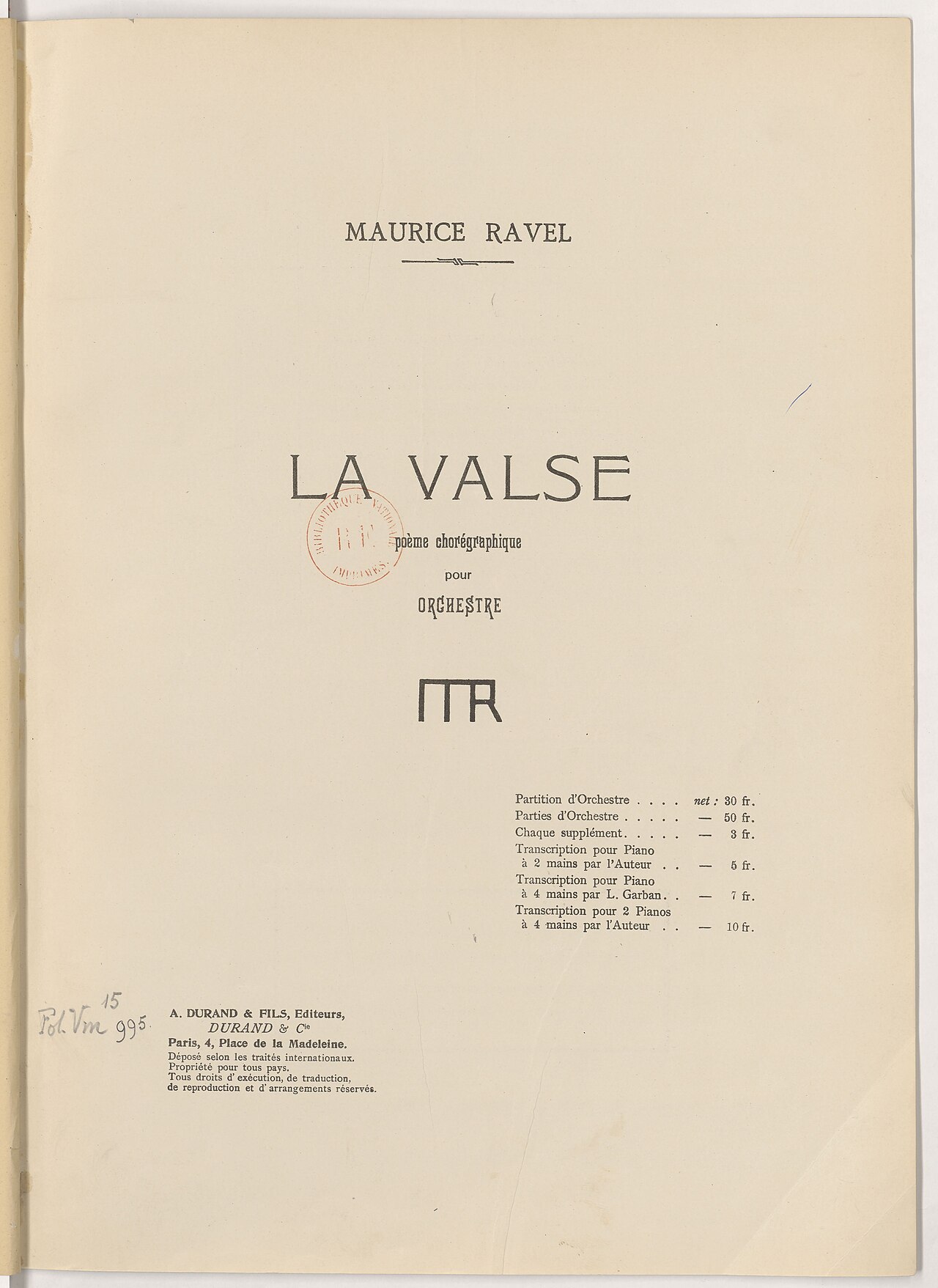
La valse
Maurice Ravel · 1919–1920
A 'choreographic poem' for orchestra by Ravel that builds and then collapses a Viennese waltz, often linked to the aftermath of the First World War.
La valse is Ravel's own composition, later entangled in his public dispute with Diaghilev over its staging.
About this source
What it is
La valse is an orchestral work by Maurice Ravel, composed between 1919 and 1920 and first performed in Paris in December 1920. Ravel conceived it as a tribute to the waltz and to Johann Strauss II, set in an imperial court around 1855.
Why it matters
Though often heard as a reflection of the destruction of the First World War, Ravel himself denied any symbolic meaning, insisting it should be heard only for what the music itself expresses. The piece also ended Ravel's working relationship with impresario Sergei Diaghilev, who rejected it as unsuitable for ballet, showing how artistic disagreements could end even important collaborations.
Look closer
- Why might listeners want to find a historical meaning in music even when the composer denies one?
- What does the breakdown of the waltz near the end suggest, musically, about the piece's mood?
- How does Ravel's falling-out with Diaghilev complicate the idea of a single 'true' meaning for the work?
This document is part of the curated material that grounds the AI version of Maurice Ravel on Humy.ai — when students ask about related events, the AI can quote it and cite it.
More Maurice Ravel sources
Browse all 42 → Document
Primary source
Boléro
Maurice Ravel · 1928
 Document
Primary source
Daphnis et Chloé
Maurice Ravel · 1906–1912
 Document
Primary source
Pavane pour une infante défunte
Maurice Ravel · 1899
 Document
Primary source
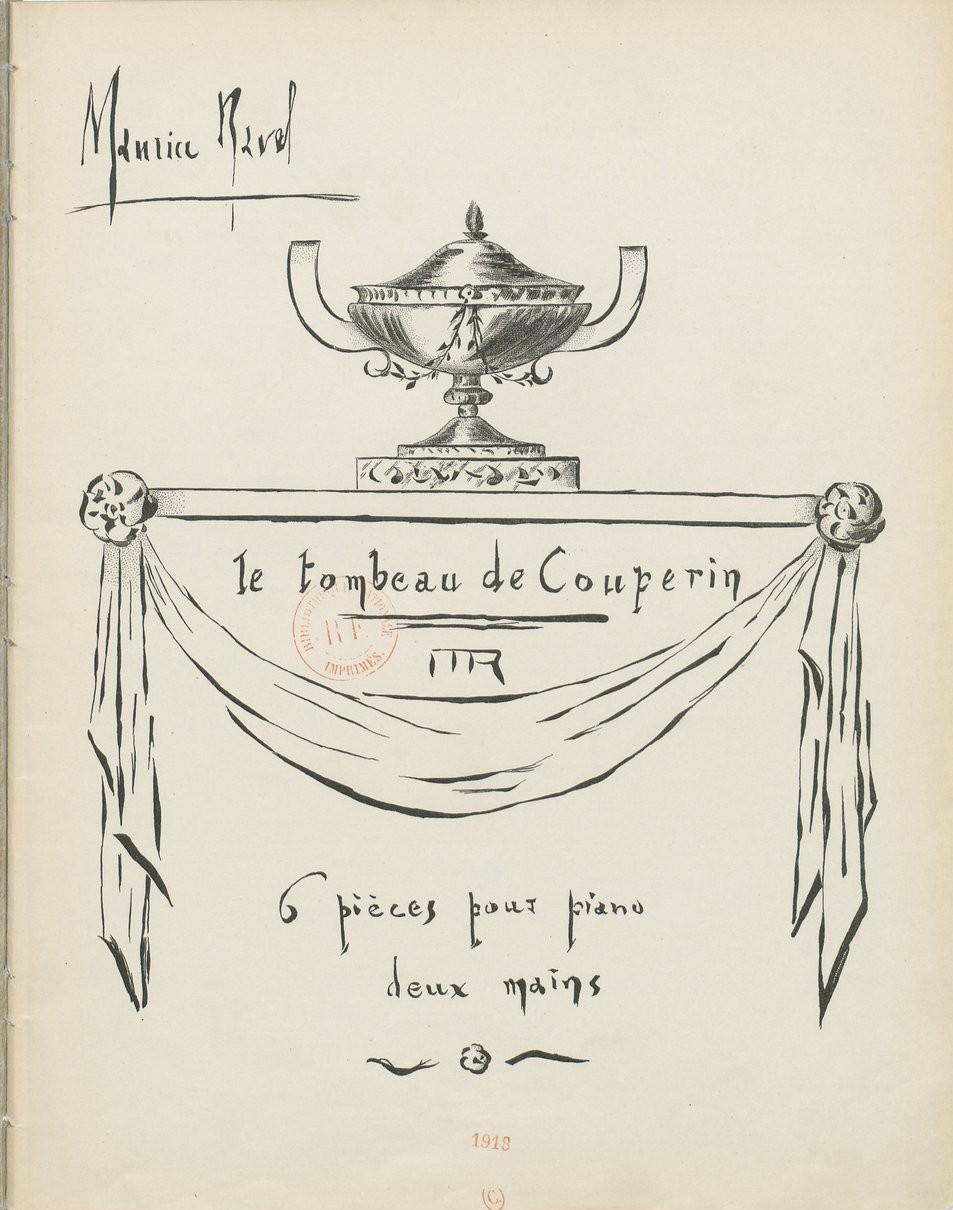
Le tombeau de Couperin
Maurice Ravel · 1914–1917
Free account
Read every Maurice Ravel source
Sign up free →
Ready when you are
Start chatting with Maurice Ravel now.
20 messages free · No credit card · Available in 50+ languages.