


Primary sourceSculpturec. 1350-1340 BCE
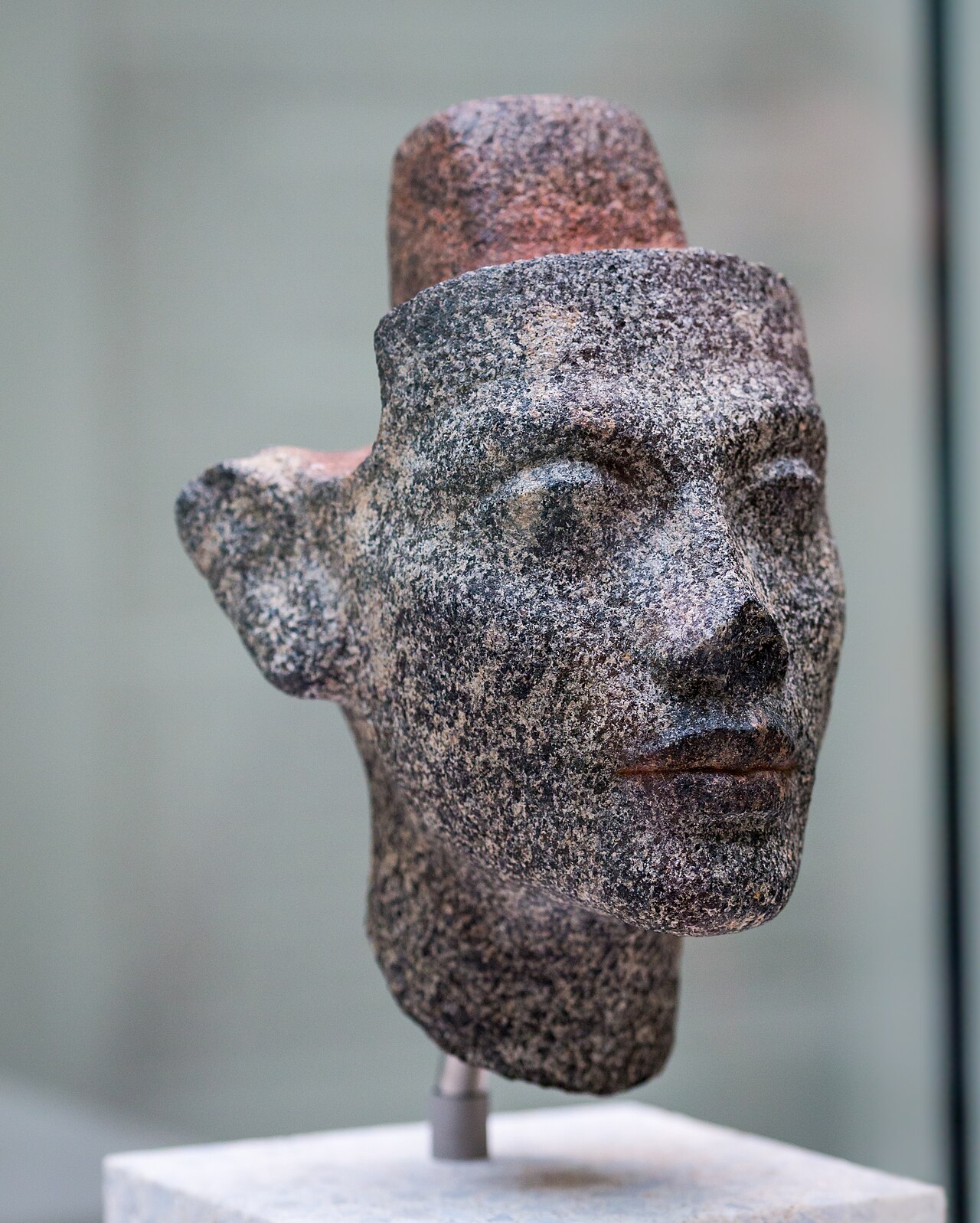
Broken Head of Queen Nefertiti
c. 1350-1340 BCE
A granite portrait head of Nefertiti from an Amarna workshop, once part of a seated double statue with Akhenaten.
This head, from a double statue of the royal couple, is a direct ancient image of Nefertiti herself.
About this source
What it is
This is a carved granite head of Queen Nefertiti, found in a sculptor's workshop at Akhet-Aten (Amarna), the capital city built by Pharaoh Akhenaten. A hole on top once held a large crown, probably the queen's blue crown. Other fragments found nearby let experts reconstruct a large seated double statue of Akhenaten and Nefertiti together. It is now kept in the Neues Museum in Berlin.
Why it matters
The piece comes straight from the workshop that made royal images during Akhenaten's religious revolution, when art style and religion changed together in Egypt. It shows how royal sculpture was built in stages and later broken apart, and how modern archaeologists piece history back together from fragments.
Look closer
- What details tell you this was meant to hold a separate crown?
- Why might finding broken pieces in a workshop be useful to historians?
- What is missing from this head that a full statue would have shown?
This sculpture is part of the curated material that grounds the AI version of Queen Nefereti on Humy.ai — when students ask about related events, the AI can quote it and cite it.
More Queen Nefereti sources
Meet the AI Queen Nefereti →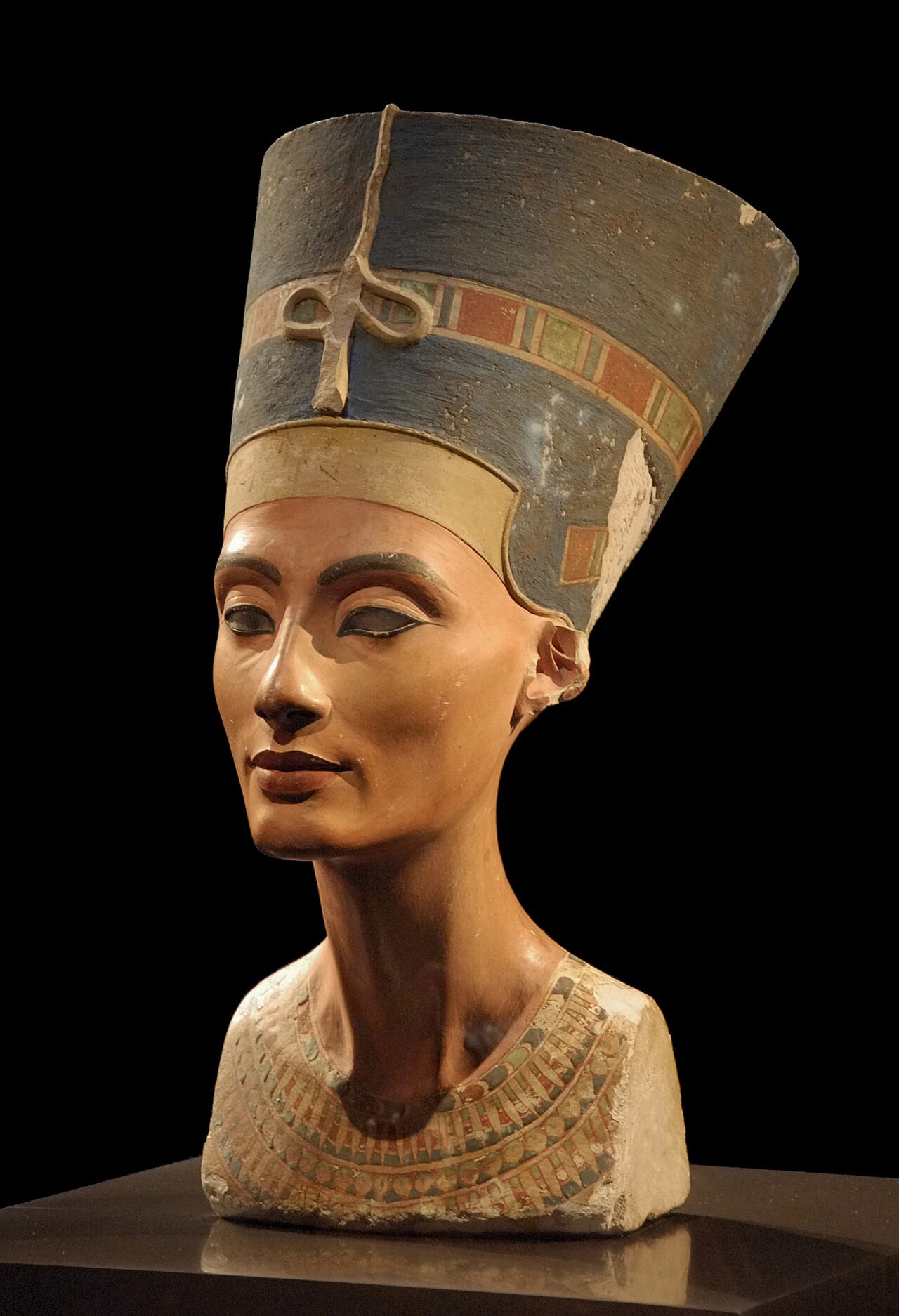 Sculpture
Primary source
Bust of Queen Nefertiti
Thutmose · c. 1345 BC
 Sculpture
Primary source
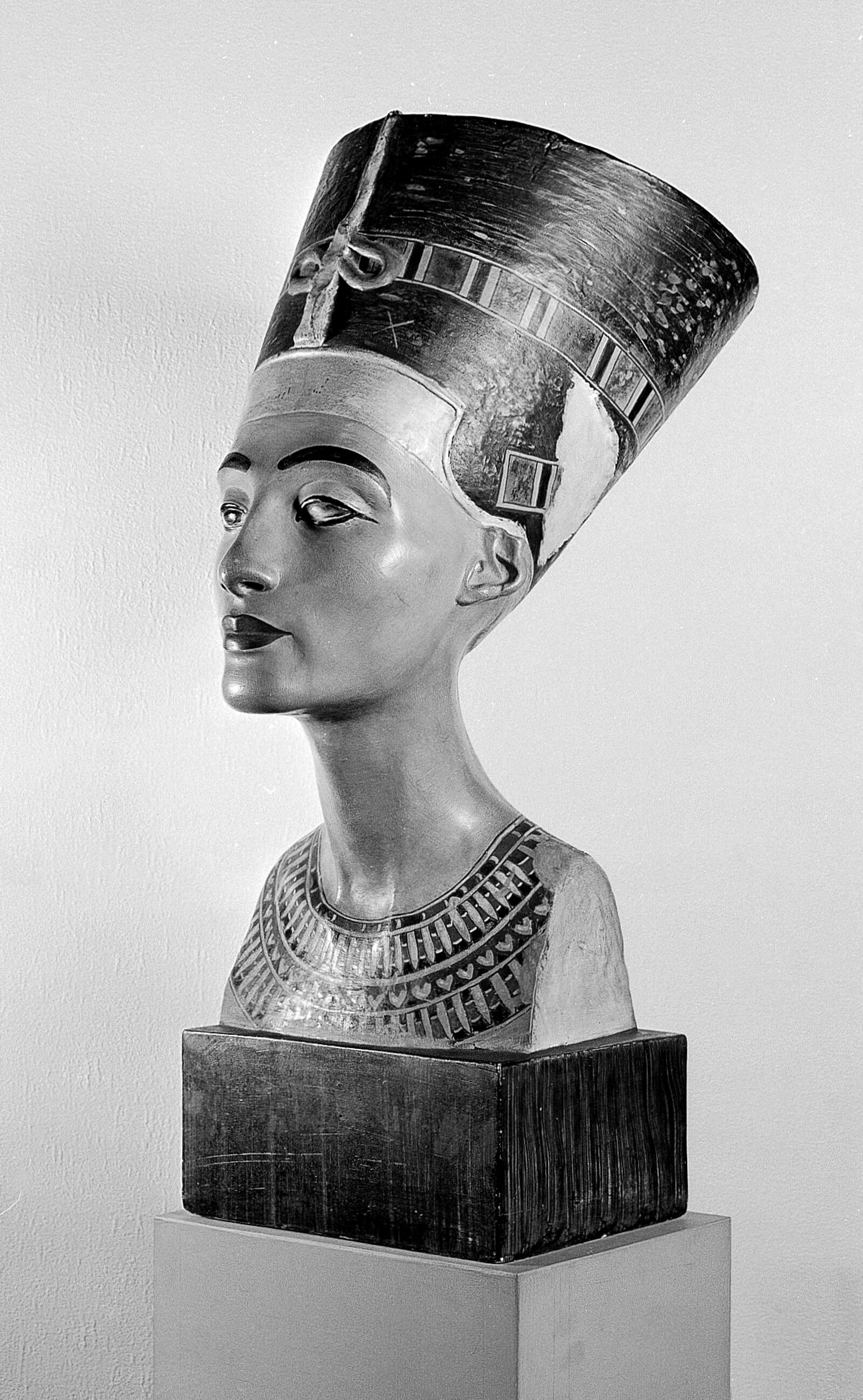
Figure of Nefertiti
 Sculpture
Primary source
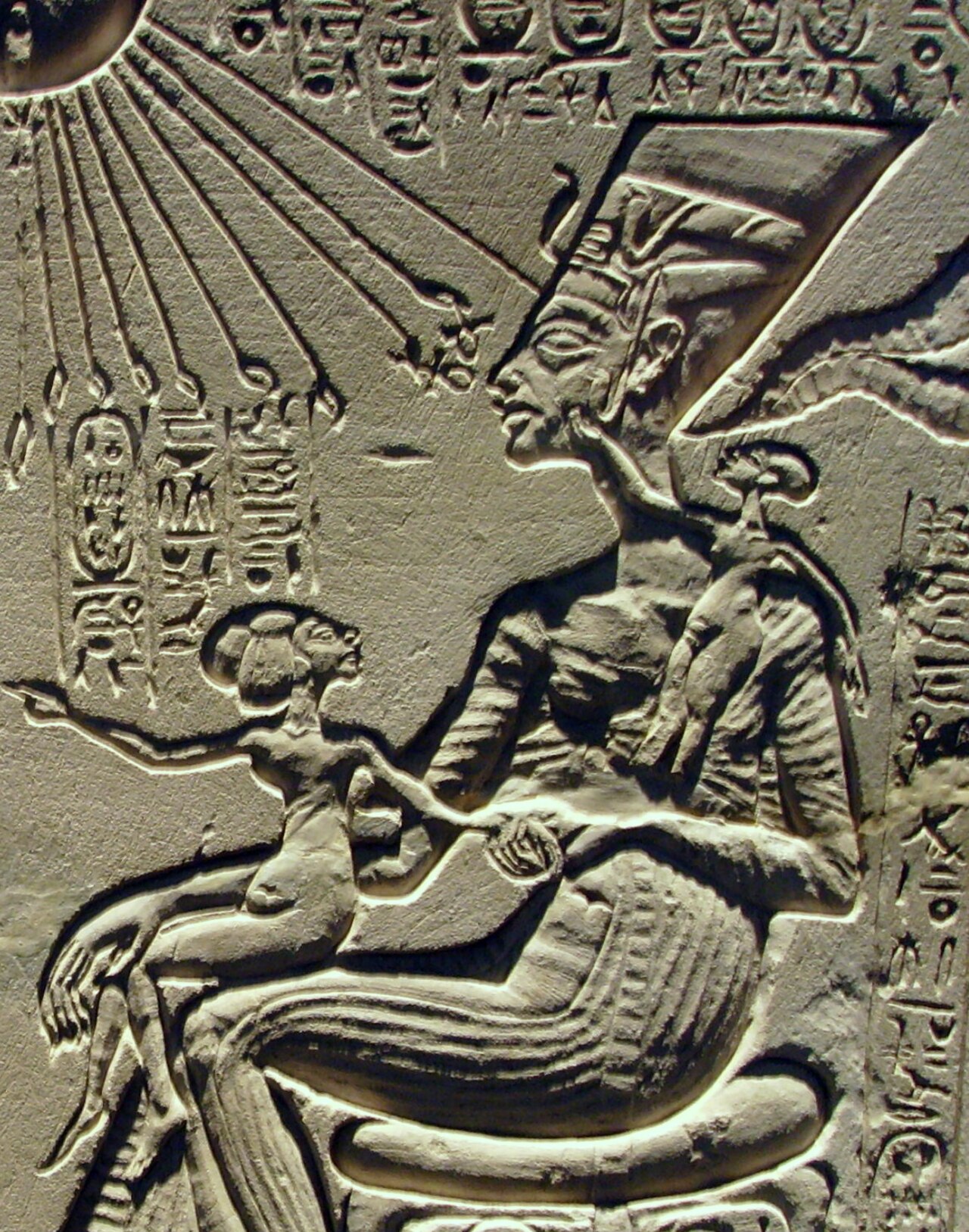
Akhenaten and His Family
c. 1352 BC
 Sculpture
Primary source
Relief Fragment Showing the Blue Crown of Nefertiti
 Document
Primary source
Great Hymn to the Aten
Akhenaten · c. 1350 BC
Ready when you are
Start chatting with Queen Nefereti now.
20 messages free · No credit card · Available in 50+ languages.