


Secondary sourceSculpturec. 50 BCE
Bust of Cleopatra
c. 50 BCE
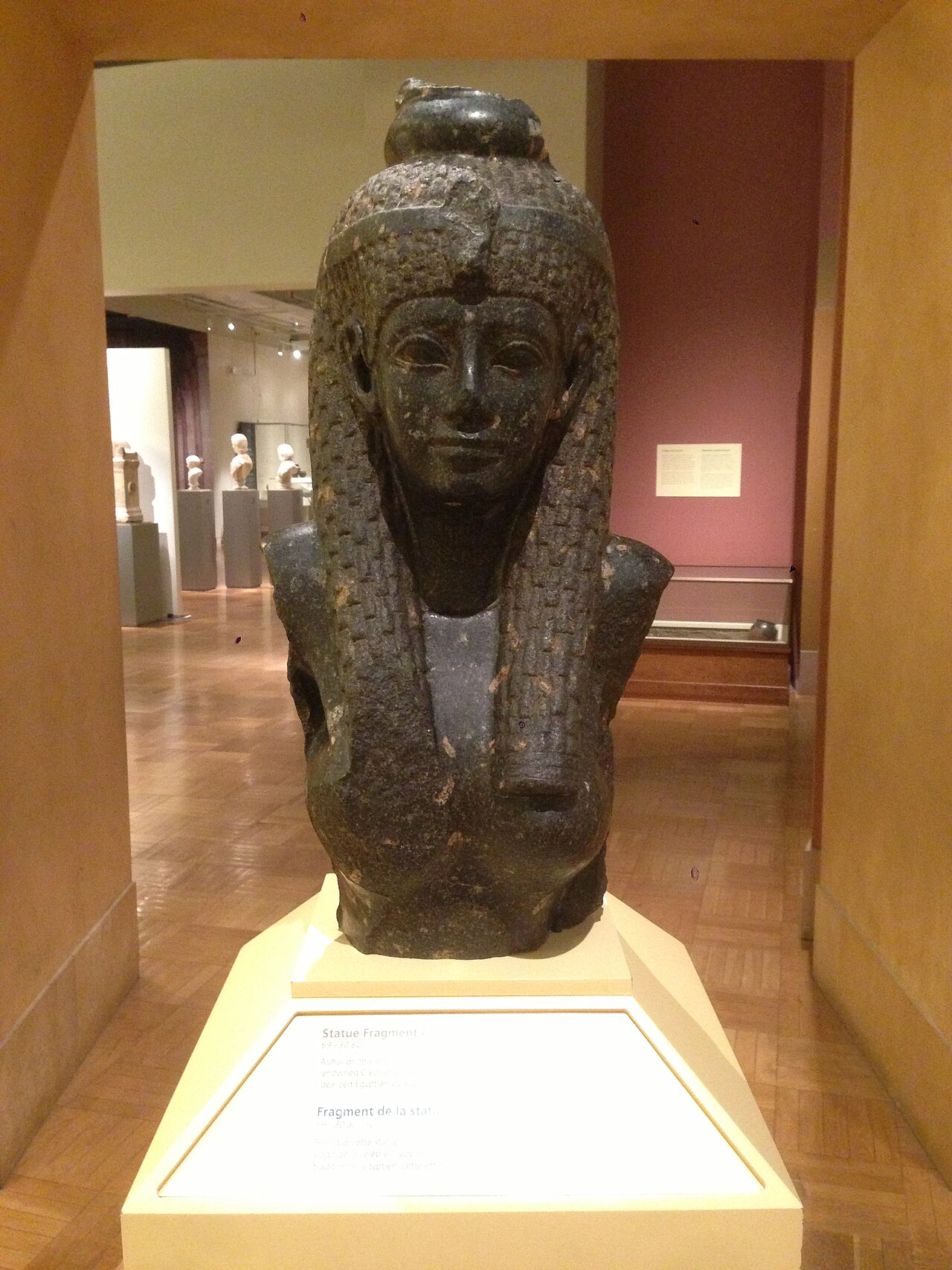
A granite bust possibly depicting Cleopatra VII, found near her sunken palace in Alexandria and now at the Royal Ontario Museum.
A disputed portrait bust that illustrates how historians try to identify images of Cleopatra.
About this source
What it is
This granite bust is believed to have been found in Alexandria, Egypt, near the site of Cleopatra's sunken palace on the island of Antirhodos. It was bought in the early 20th century by the founder of the Royal Ontario Museum (ROM), where it is now displayed among the museum's Egyptian collection.
Why it matters
Experts have argued for decades about whether this bust actually shows Cleopatra VII, an earlier queen, or even a goddess. Studying the debate shows how historians identify ancient portraits using style, clothing, and comparison with other statues, when there is no label to tell us for certain.
Look closer
- What features would an expert look at to decide who a statue represents?
- Why might ancient rulers copy the styles of earlier, popular queens?
- What does it tell us that scholars still disagree about this bust's identity?
This sculpture is part of the curated material that grounds the AI version of Cleopatra on Humy.ai — when students ask about related events, the AI can quote it and cite it.
More Cleopatra sources
Meet the AI Cleopatra →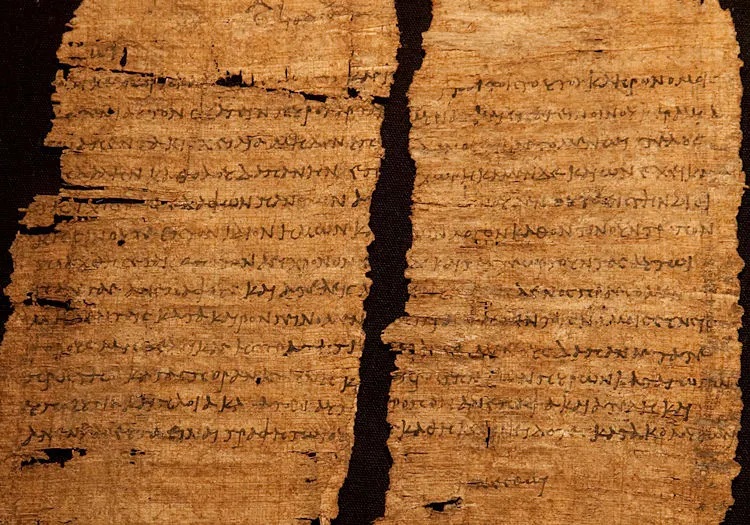 Document
Primary source
Papyrus with Signature of Cleopatra VII
Ptolemaic scribe; possibly countersigned by Cleopatra VII · February 33 BCE
 Painting
Secondary source
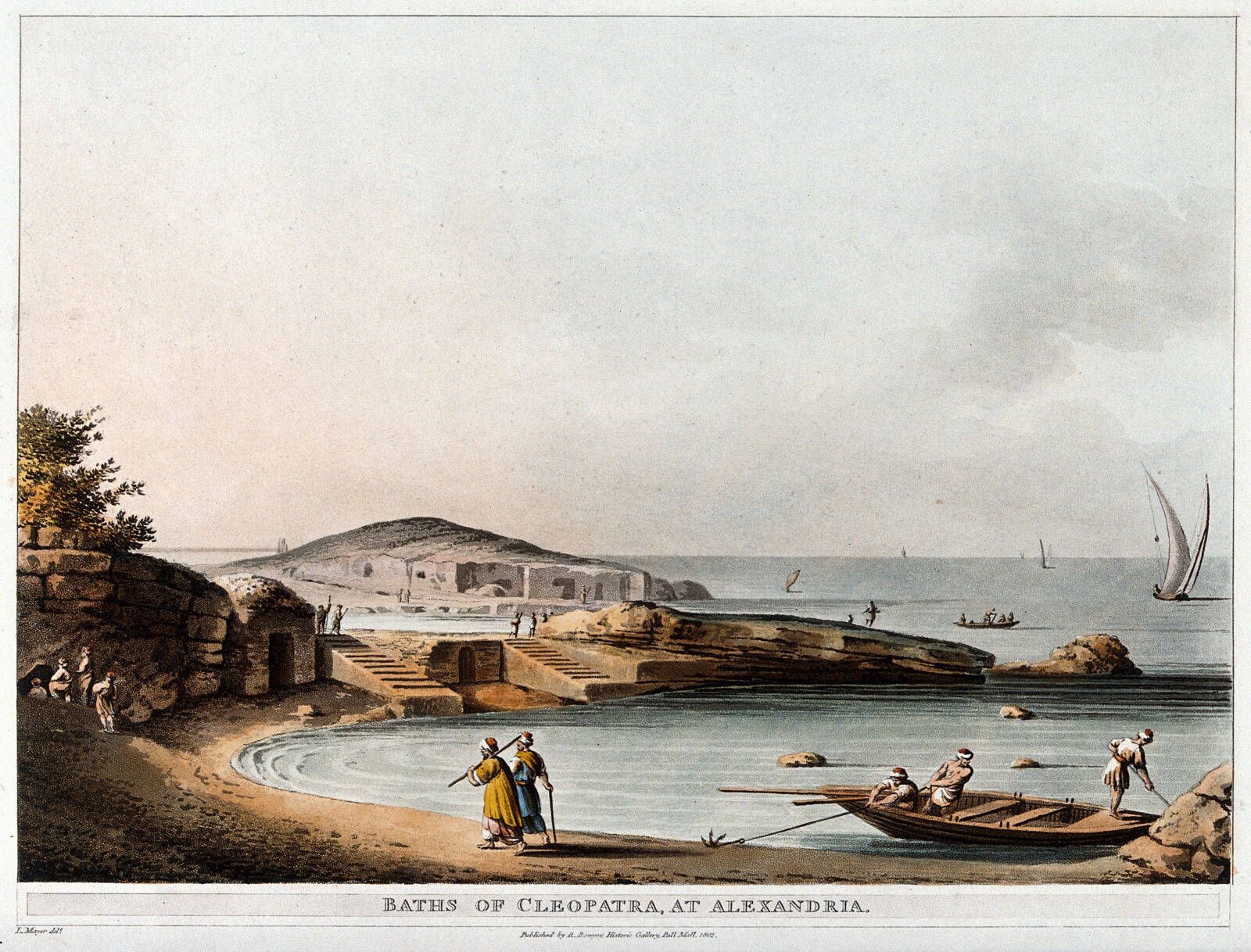
Baths of Cleopatra, at Alexandria
Luigi Mayer · 1802
 Sculpture
Secondary source
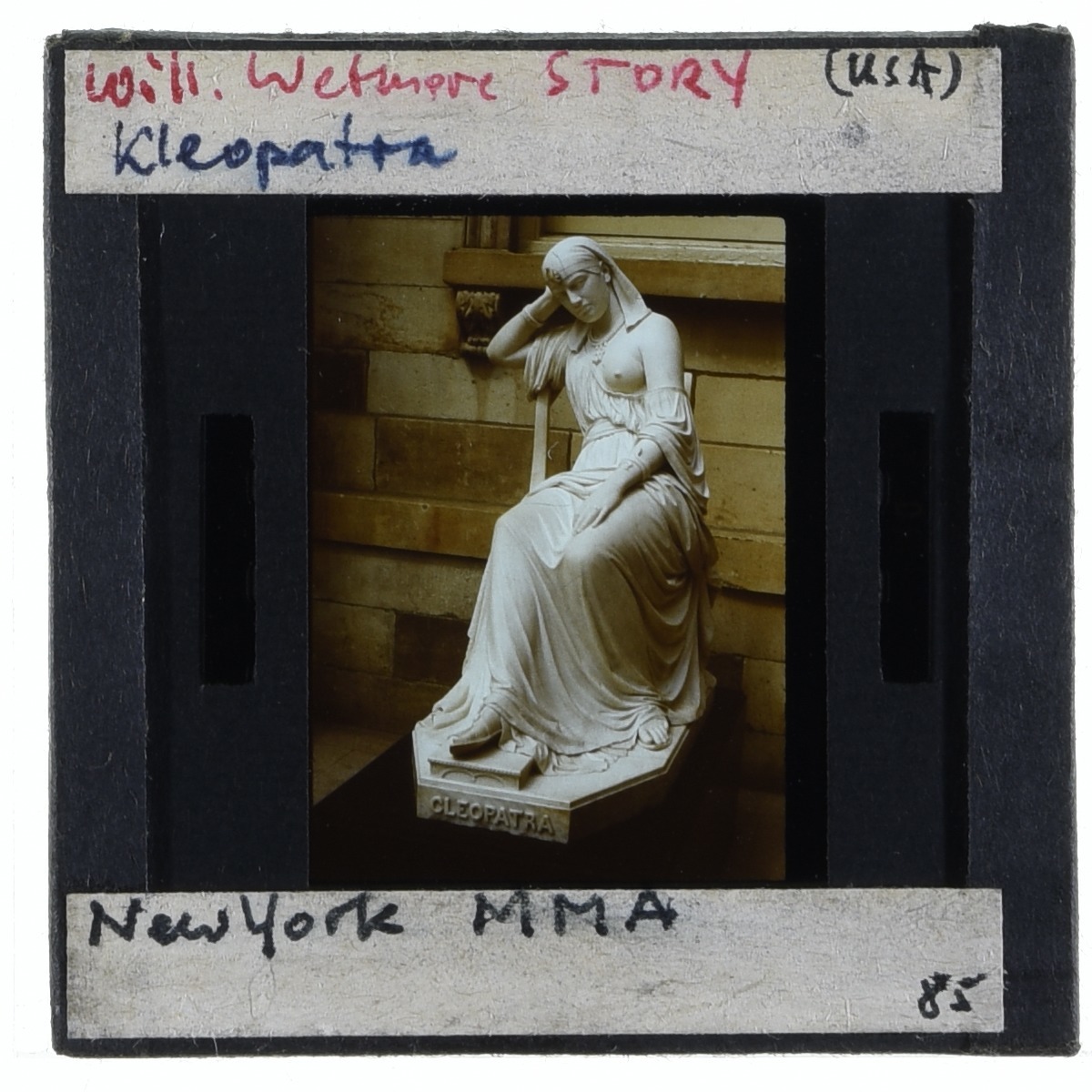
Cleopatra
William Wetmore Story
 Sculpture
Primary source
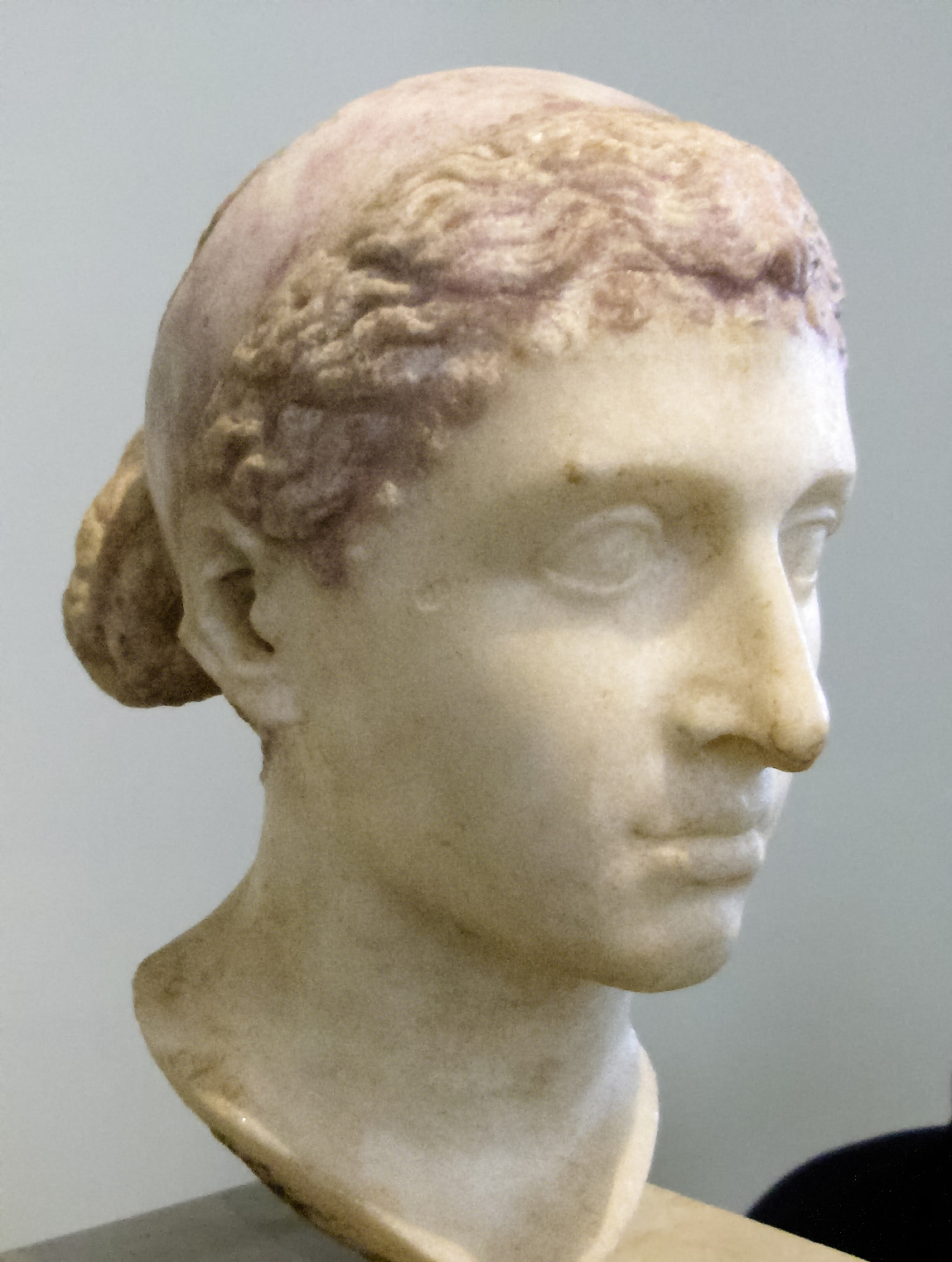
Portrait of Cleopatra (Berlin Bust)
c. 40-30 BCE
 Sculpture
Primary source
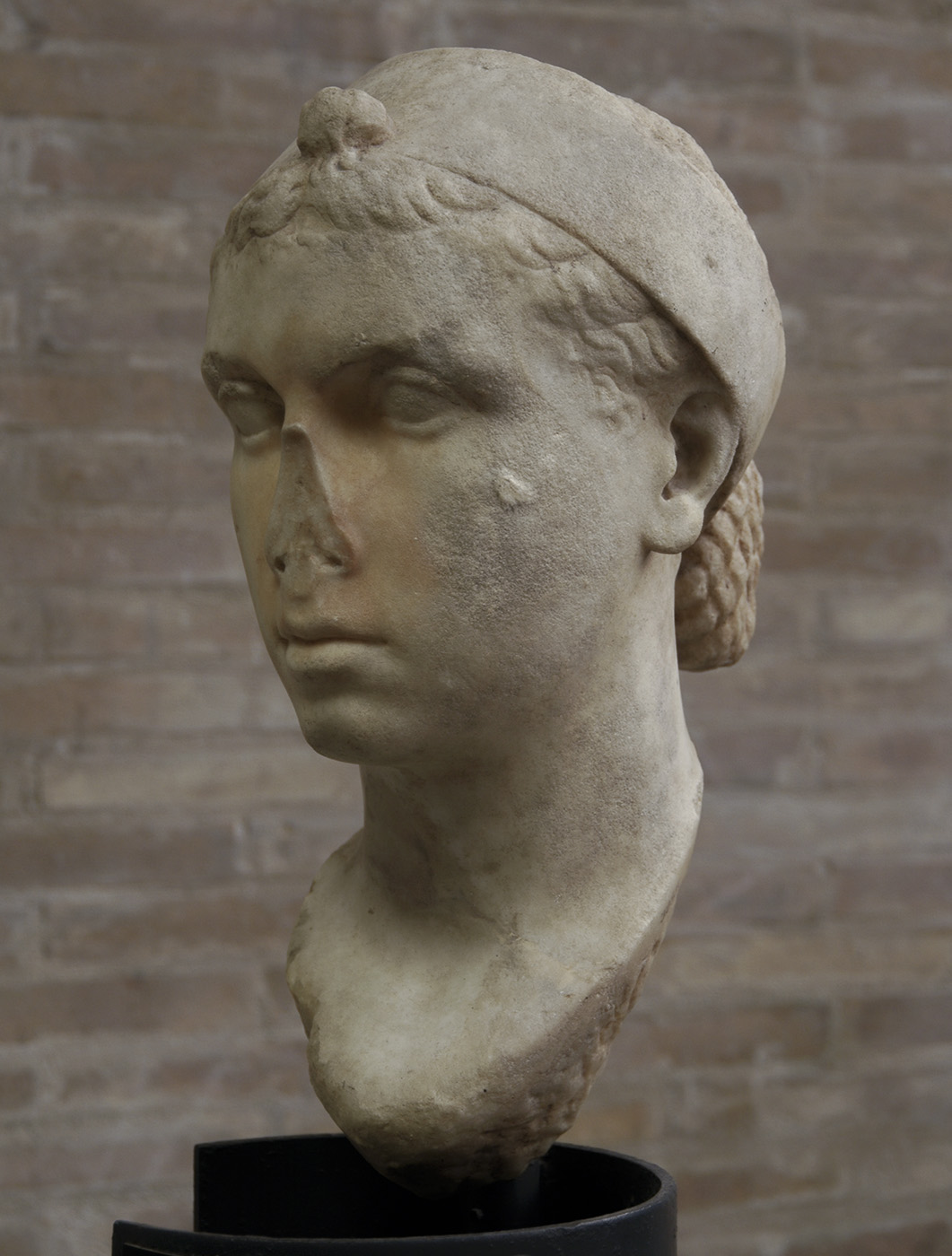
Head-Portrait of Cleopatra VII (Vatican Bust)
c. 40-30 BCE
Ready when you are
Start chatting with Cleopatra now.
20 messages free · No credit card · Available in 50+ languages.