


Secondary sourceSculpture1838
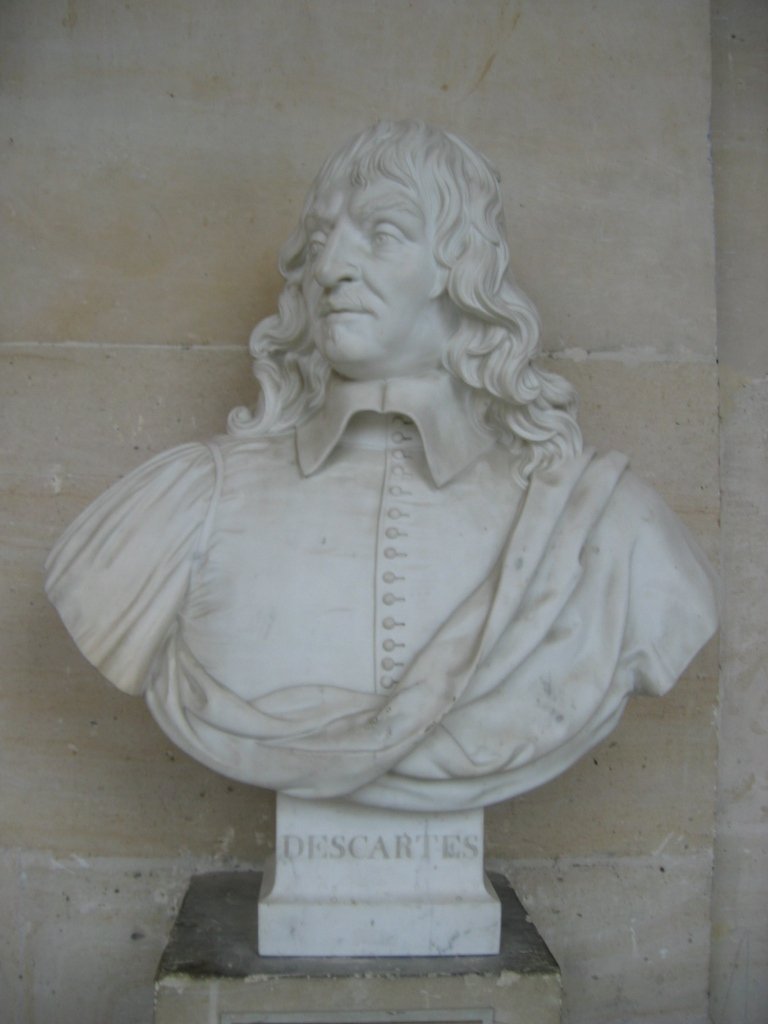
Bust of René Descartes by J.-S. Brun
J.-S. Brun · 1838
A white marble bust of Descartes carved by J.-S. Brun in 1838. It is held in the gallery of the Château de Versailles and sits on a pedestal inscribed DESCARTES.
Honours Descartes with a marble likeness made long after his death, which shows how later France chose to commemorate him.
About this source
What it is
This is a white marble bust of René Descartes, carved by J.-S. Brun in 1838. It is held in the gallery of the Château de Versailles. The bust shows a man with long wavy hair, a high collar and a buttoned doublet with a draped cloak. It stands on a pedestal inscribed DESCARTES, set against a stone wall. The photograph in the archive was uploaded to Wikimedia Commons by a volunteer, and it shows the sculpture itself.
Why it matters
The bust was made about two centuries after Descartes died. Sculptures like this were made in the nineteenth century to honour thinkers as national heroes, and France was proud of him as one of its great philosophers. The work tells us more about how the nineteenth century remembered him than about his own appearance.
Look closer
- Why might a sculptor in 1838 give Descartes long hair and a fine cloak?
- What does the inscription on the pedestal tell you about how the bust was meant to be read?
- Who chose to display this bust at Versailles, and what does that say about the story France told about its thinkers?
This sculpture is part of the curated material that grounds the AI version of Rene Descartes on Humy.ai — when students ask about related events, the AI can quote it and cite it.
More Rene Descartes sources
Meet the AI Rene Descartes →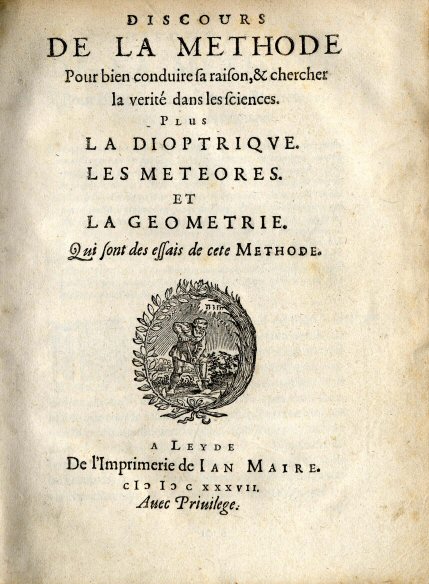 Book
Primary source
Discourse on the Method
René Descartes · 1637
 Book
Primary source
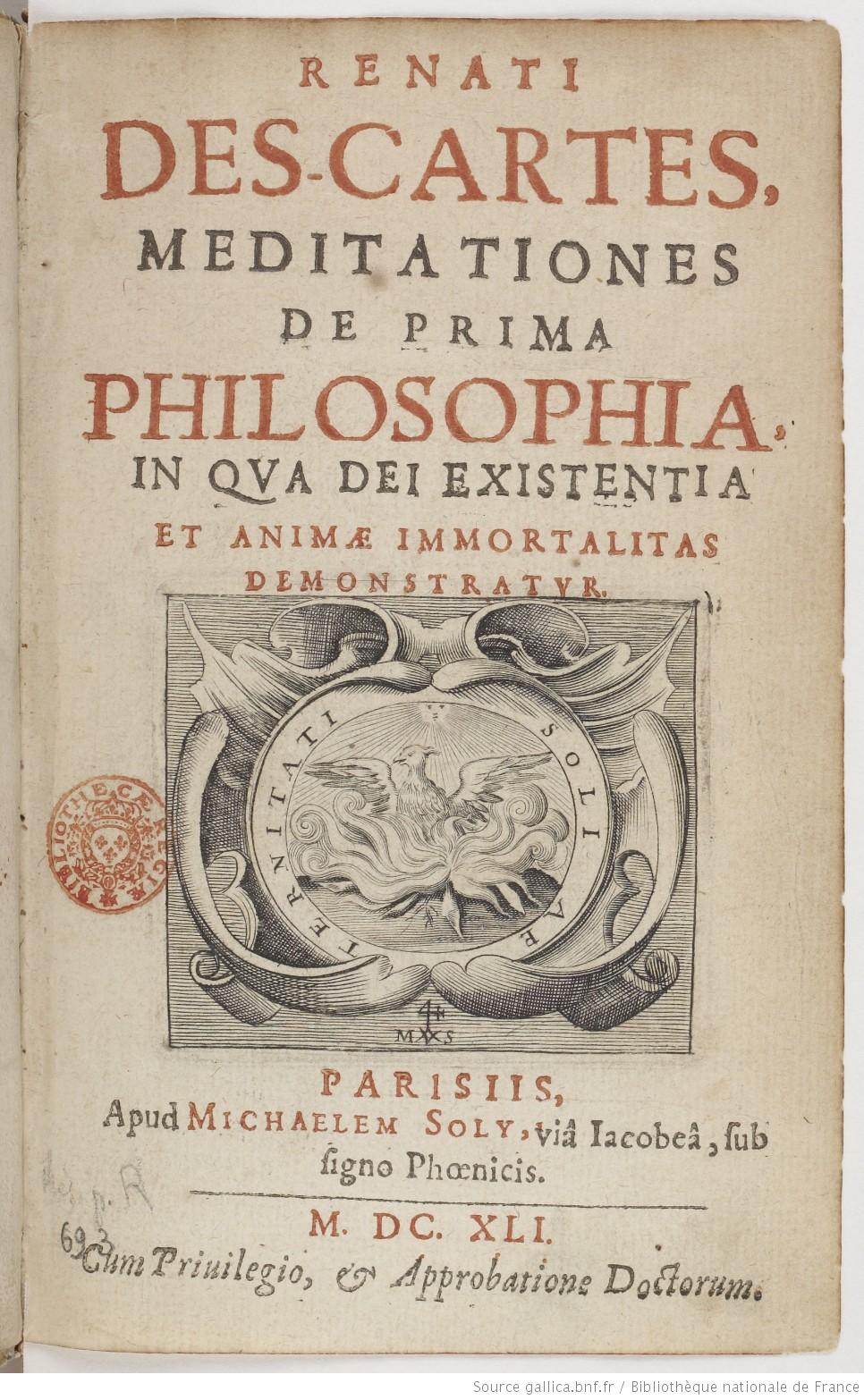
Meditations on First Philosophy
René Descartes · 1641
 Document
Primary source
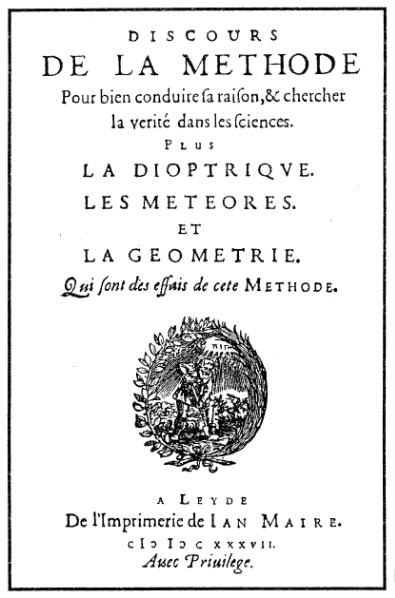
La Géométrie
René Descartes · 1637
 Painting
Primary source
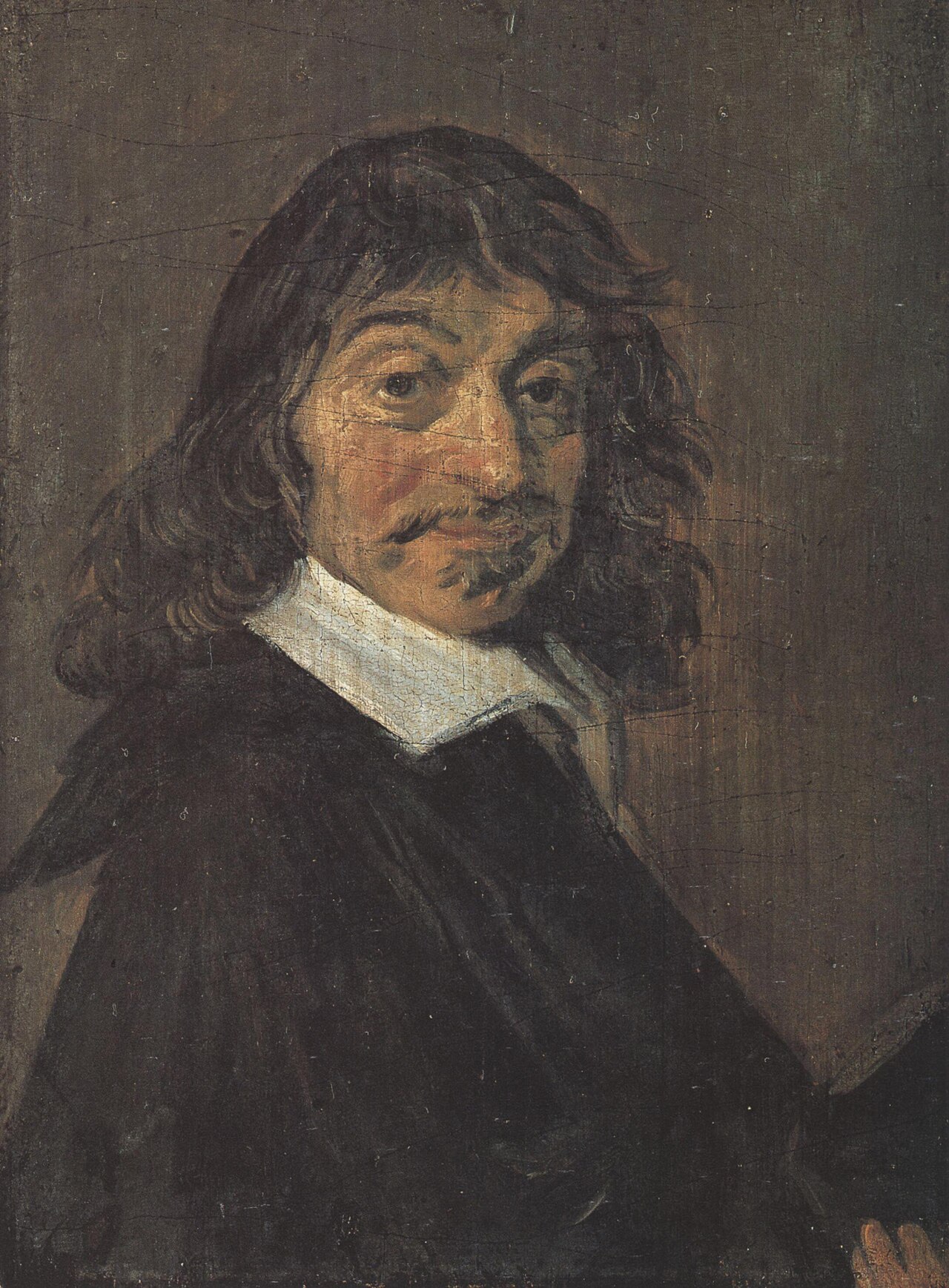
Portrait of René Descartes
Frans Hals · 1649
 Book
Primary source
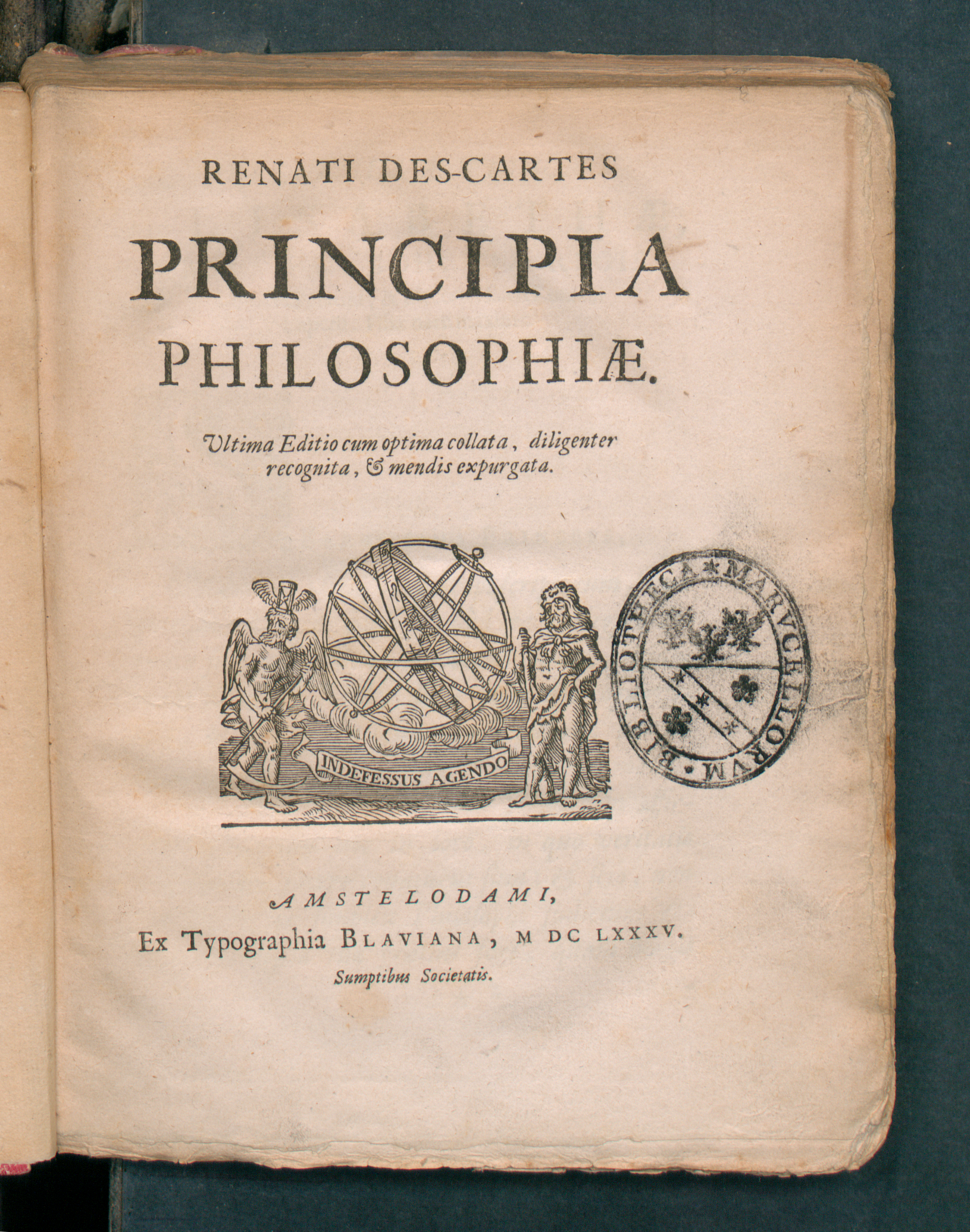
Principles of Philosophy
René Descartes · 1644
Ready when you are
Start chatting with Rene Descartes now.
20 messages free · No credit card · Available in 50+ languages.