


Tertiary sourcePainting1637
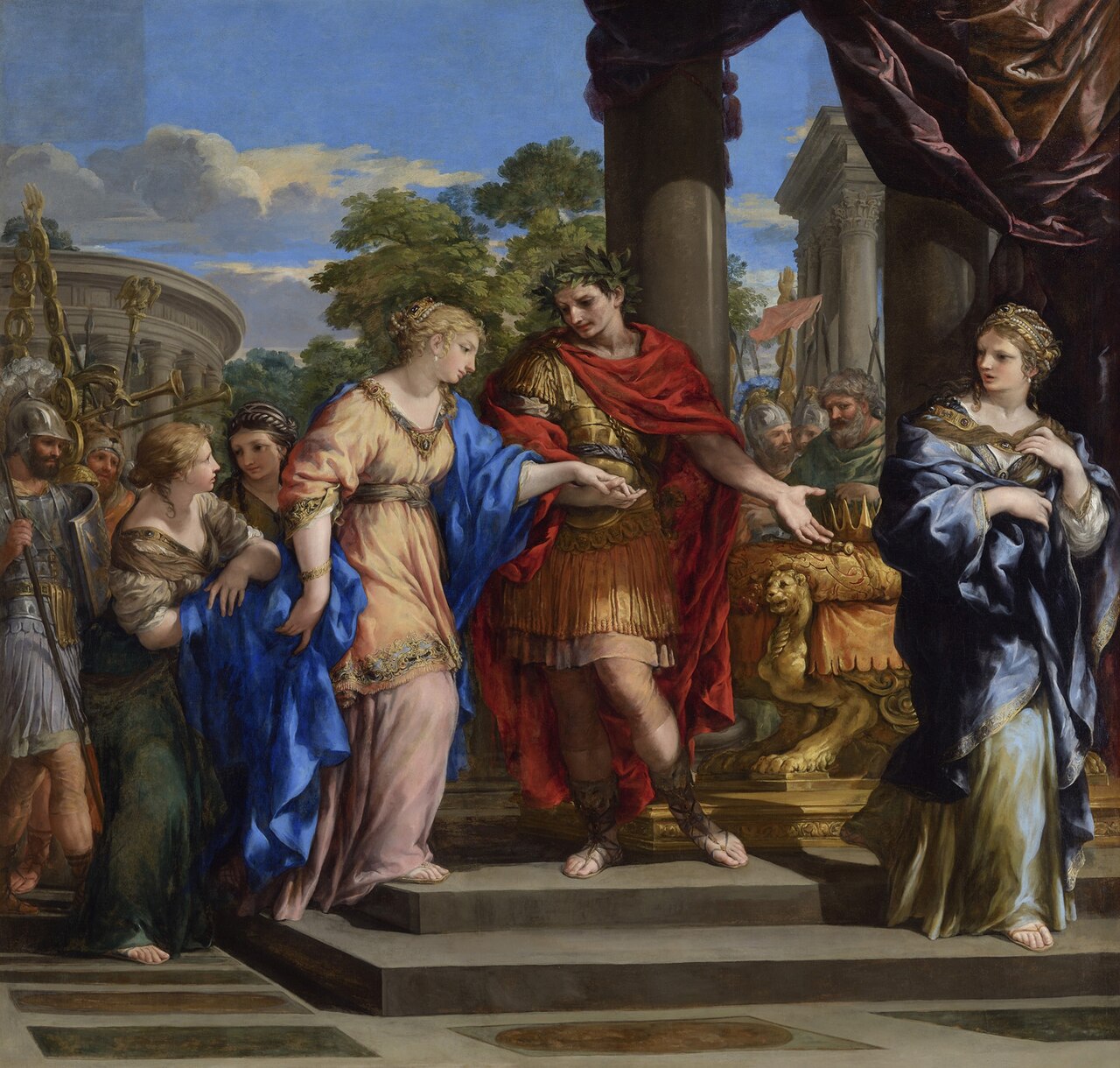
Caesar Giving Cleopatra the Throne of Egypt
Pietro da Cortona · 1637
A 17th-century painting showing Julius Caesar restoring Cleopatra to the Egyptian throne, with her rival sister shown angry nearby.
Depicts Cleopatra's restoration to the throne by Julius Caesar, illustrating later fascination with her political rise.
About this source
What it is
This oil painting was made by Pietro da Cortona around 1637, one of several works commissioned for a gallery in Paris. It shows Julius Caesar restoring Cleopatra to the throne of Egypt, with her sister Arsinoe IV shown angry at the result. It is held in the Louvre's Department of Paintings.
Why it matters
This painting shows how later European artists depicted Cleopatra's rise to power through her relationship with Caesar. Painted centuries after her lifetime, it reflects how her political story was retold and dramatized in art for wealthy European patrons.
Look closer
- What clues in the painting show who holds power and who has lost it?
- Why might Cleopatra's sister Arsinoe be shown looking angry in this scene?
- What does the painting leave out about the real political situation in Egypt at the time?
This painting is part of the curated material that grounds the AI version of Cleopatra and Julius Caesar on Humy.ai — when students ask about related events, the AI can quote it and cite it.
More Cleopatra sources
Meet the AI Cleopatra →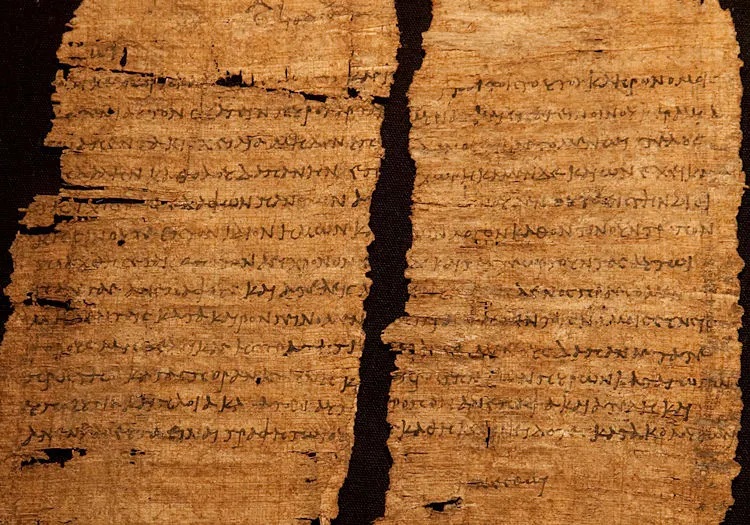 Document
Primary source
Papyrus with Signature of Cleopatra VII
Ptolemaic scribe; possibly countersigned by Cleopatra VII · February 33 BCE
 Painting
Secondary source
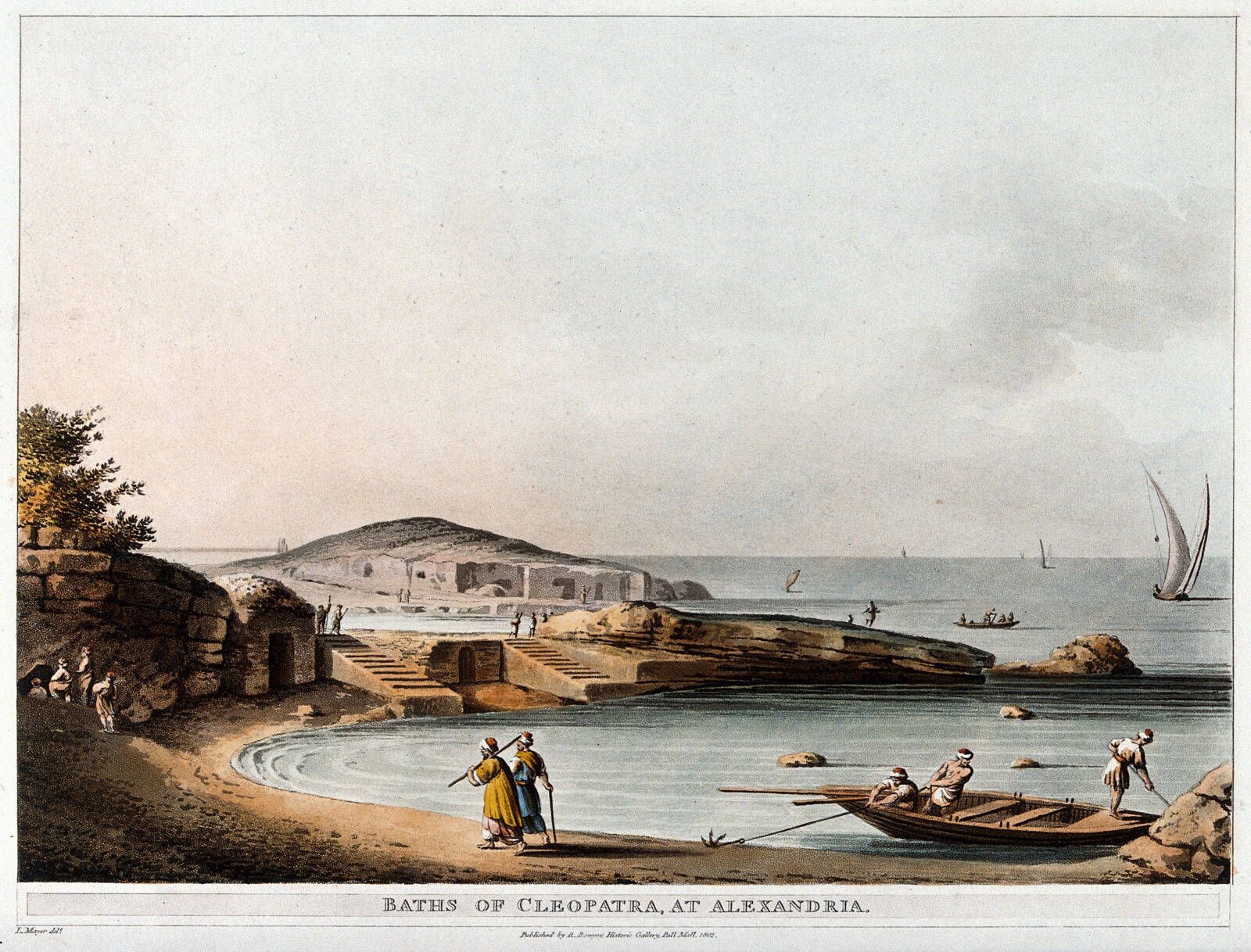
Baths of Cleopatra, at Alexandria
Luigi Mayer · 1802
 Sculpture
Secondary source
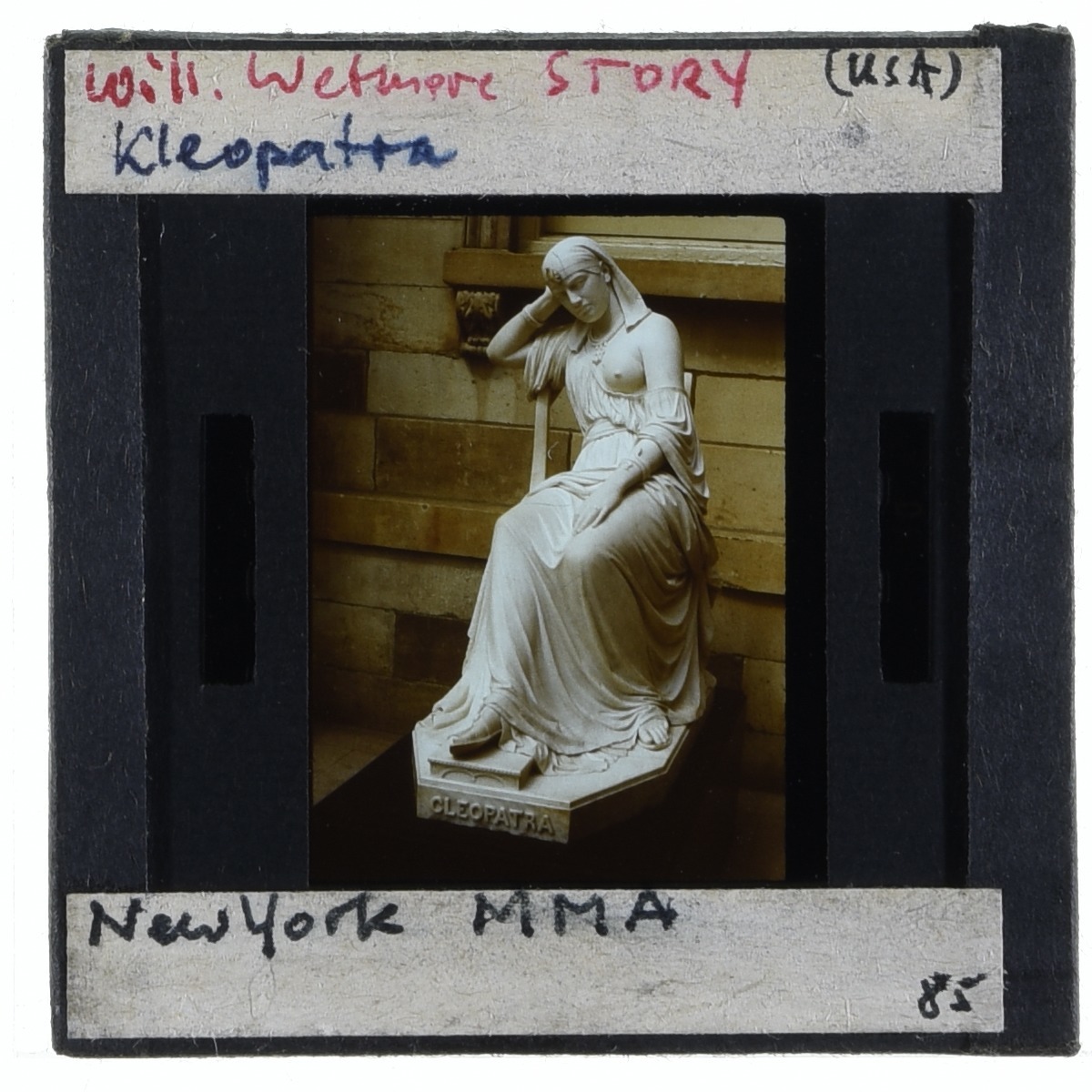
Cleopatra
William Wetmore Story
 Sculpture
Primary source
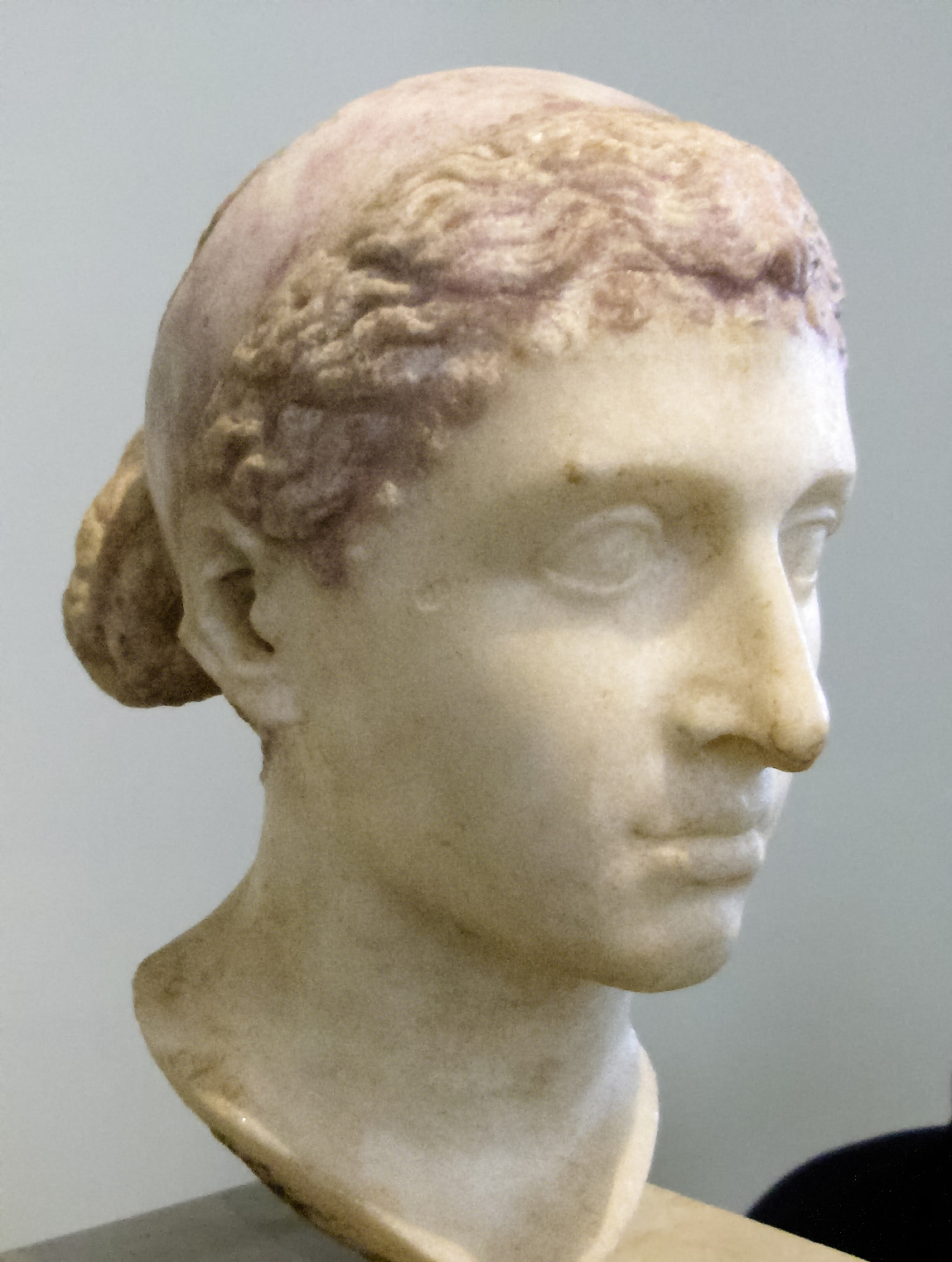
Portrait of Cleopatra (Berlin Bust)
c. 40-30 BCE
 Sculpture
Primary source
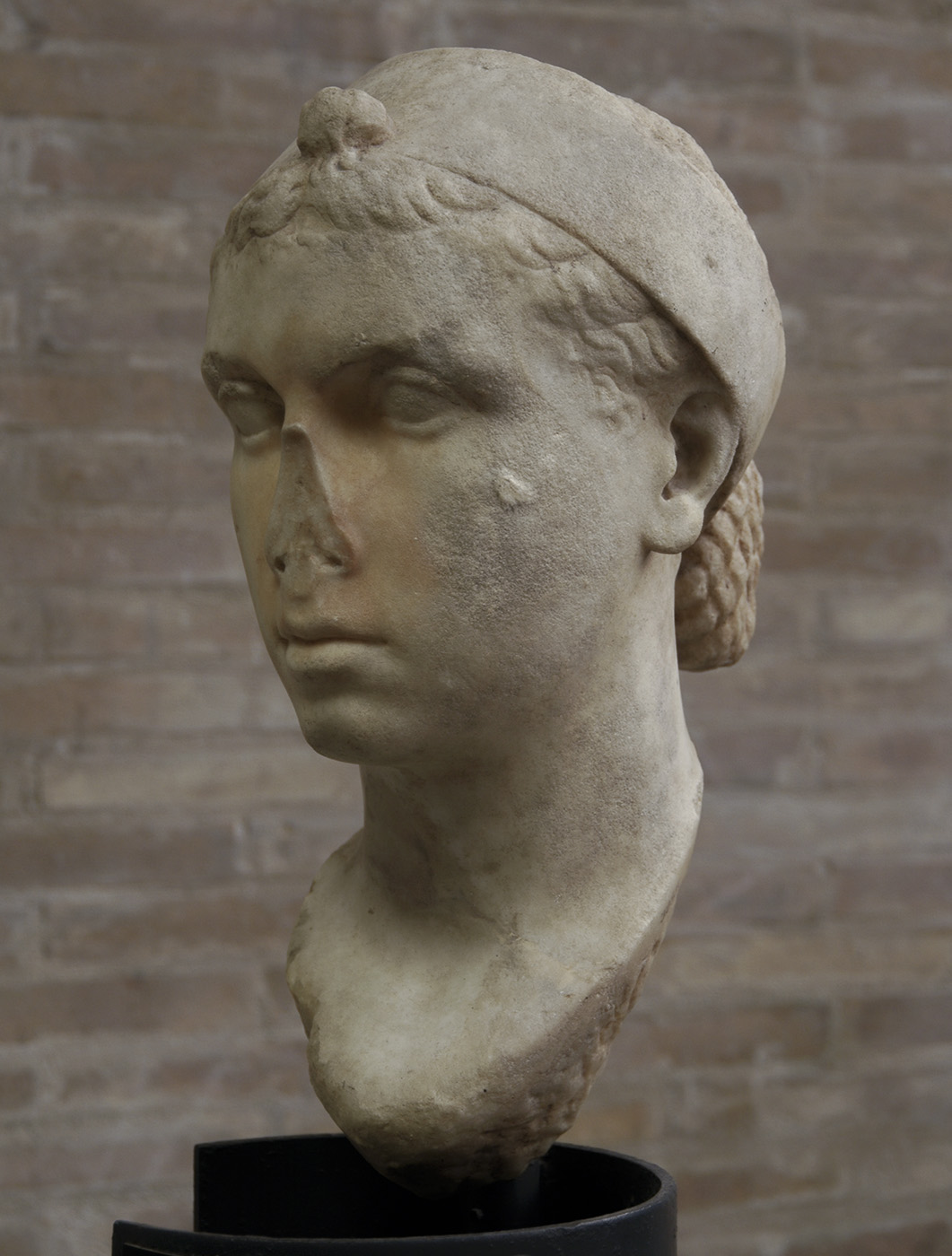
Head-Portrait of Cleopatra VII (Vatican Bust)
c. 40-30 BCE
Ready when you are
Start chatting with Cleopatra now.
20 messages free · No credit card · Available in 50+ languages.